

Medically reviewed by
USA Hemorrhoid Centers Medical Review Team
Reviewed September 2026
Hemorrhoids do not usually cause constipation directly, but they can make it worse by causing pain that leads people to delay bowel movements. Constipation and hemorrhoids often feed into each other, creating a cycle that is hard to break without addressing both sides of the problem.
We will cover how hemorrhoids and constipation are connected, what signs point to internal hemorrhoids, simple steps that may help relieve symptoms, and when it may be time to talk with a specialist about treatment options beyond diet and lifestyle changes.
How Hemorrhoids and Constipation Are Connected
Hemorrhoids are swollen veins in the lower rectum and anus. They can become irritated during a bowel movement, especially when stool is hard or a person strains to pass it.
Pain or bleeding from internal hemorrhoids may cause a person to delay going to the bathroom. Putting off a bowel movement can allow stool to harden further, which makes constipation worse rather than better.
Large or prolapsed hemorrhoids can partially block the anal canal, adding to the sense of straining during bowel movements and making a bowel movement feel incomplete or difficult.
Can Constipation Cause Hemorrhoids?
Yes. Straining to pass hard, dry stool increases pressure on the veins in the rectum and anus, which is one of the most common causes of hemorrhoids in the first place.
This creates a two-way relationship: constipation leads to straining, straining can lead to hemorrhoids, and hemorrhoid pain can then lead to more constipation as bowel movements are delayed.
Signs You May Have Internal Hemorrhoids Causing Constipation
Internal hemorrhoids form inside the rectum, so they usually cannot be seen or felt from the outside. Common signs include:
- Bright red blood on toilet paper or in the toilet bowl after a bowel movement
- A feeling of fullness or pressure in the rectum, sometimes described as bowel discomfort, even after passing stool
- Itching, irritation, or mucus discharge around the anus
- A soft lump that protrudes during a bowel movement, known as a prolapsed hemorrhoid
How to Relieve Constipation With Hemorrhoids
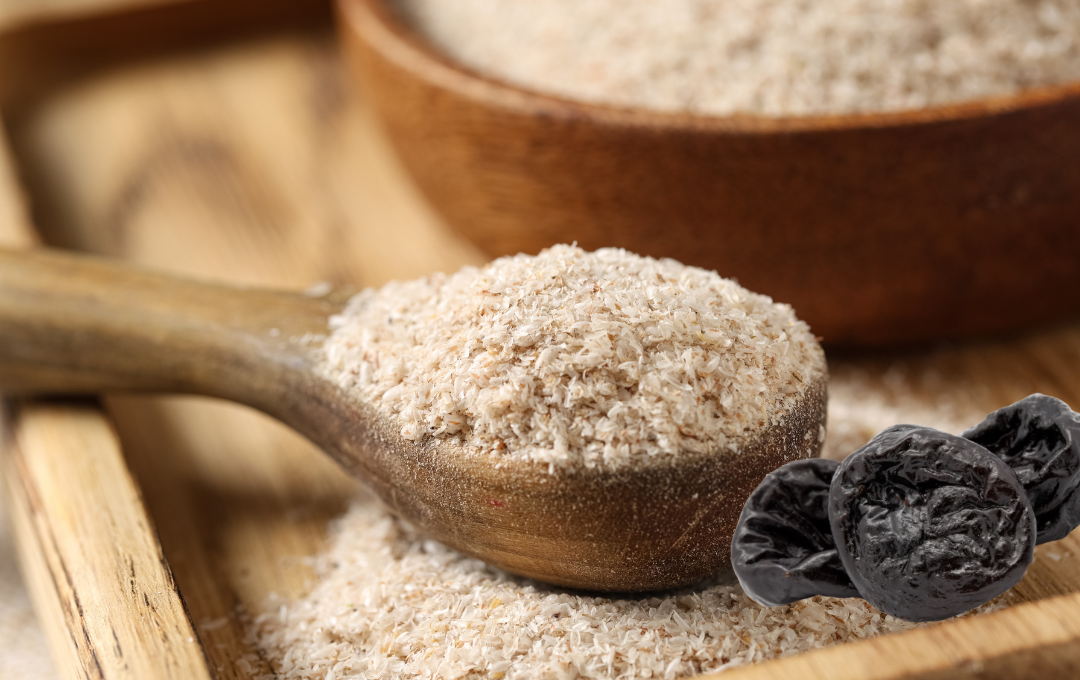
Several everyday changes may help ease both constipation and hemorrhoid symptoms at the same time:
- Increase fiber intake gradually through fruits, vegetables, whole grains, and legumes
- Drink more water throughout the day to help soften stool
- Avoid sitting on the toilet for long periods and respond promptly when you feel the urge to go
- Add regular, gentle activity such as walking to support healthy digestion
- Consider an over-the-counter stool softener if recommended by a doctor
- Try a warm sitz bath to ease discomfort so bowel movements feel less painful
When to See a Hemorrhoid Specialist
Home care helps many people, but some symptoms call for a medical evaluation:
- Symptoms that last longer than one week despite consistent home care
- Bleeding that is heavy, persistent, or comes with weakness or unexplained weight loss
- A prolapsed hemorrhoid that does not go back in on its own
- Constipation that does not improve with fiber, fluids, and activity changes
Can USA Hemorrhoid Centers Help?
An experienced specialist can evaluate whether hemorrhoids, ongoing constipation, or another condition is behind your symptoms. USA Hemorrhoid Centers offers Hemorrhoid Artery Embolization (HAE), a minimally invasive, outpatient procedure that may help reduce hemorrhoid symptoms without surgery. Treatment is personalized based on the grade and severity of the hemorrhoids present.
Treatment option: hemorrhoid treatment
Lifestyle changes can help. But they do not treat the underlying condition.
More fiber, more water, and less straining can reduce discomfort and help manage symptoms day to day. But if symptoms persist, worsen, or interfere with daily life, lifestyle adjustments alone may not be enough.
USA Hemorrhoid Centers offers minimally invasive, outpatient treatment performed by experienced specialists. Procedures are completed in the office, typically in under an hour, with no general anesthesia required. The first step is a consultation to evaluate your symptoms and discuss the options that fit your situation.
Frequently asked questions
- National Institute of Diabetes and Digestive and Kidney Diseases (NIDDK). Definition & Facts for Hemorrhoids.
- National Institute of Diabetes and Digestive and Kidney Diseases (NIDDK). Definition & Facts for Constipation.
- De Marco S, Tiso D. Lifestyle and Risk Factors in Hemorrhoidal Disease. Frontiers in Surgery. 2021;8:729166.
Medical disclaimer: USA Hemorrhoid Centers content provides medical education only. It is not a diagnosis or treatment recommendation. Consult a hemorrhoid specialist for evaluation.
References:
- National Institute of Diabetes and Digestive and Kidney Diseases. (n.d.). Definition & facts for hemorrhoids. U.S. Department of Health and Human Services.