
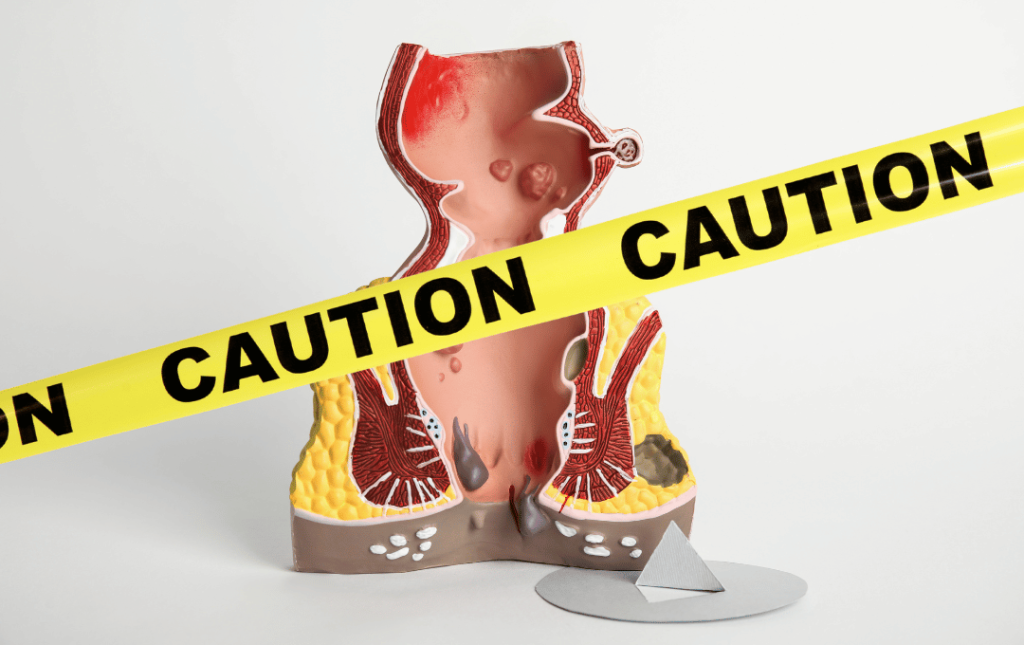
Most hemorrhoids, also referred to as piles, are not dangerous, but that doesn’t mean you should ignore your symptoms. In many cases, milder symptoms such as itching, discomfort, or small amounts of bright red bleeding can be managed or resolved on their own. However, persistent, worsening symptoms or symptoms that mimic other conditions can indicate serious hemorrhoids or other conditions.
If you’re wondering whether hemorrhoids can be dangerous, the answer depends on what you are experiencing. Heavy or ongoing bleeding, severe pain, or changes in bowel habits need to be evaluated by a specialist. Getting clarity early can help prevent complications by ensuring you receive the right treatment.
Which Stage of Hemorrhoids Is Dangerous?
Internal hemorrhoids are often categorized into different grades based on their severity.
These hemorrhoid stages include:
- Grade 1: No prolapse, may bleed
- Grade 2: Prolapse during bowel movements but retracts on their own
- Grade 3: Prolapse and requires manual repositioning
- Grade 4: Permanently prolapsed and cannot be pushed back in
Although it might seem there is a certain stage in which hemorrhoids are dangerous, severity isn’t defined just by the grade. Lower-grade hemorrhoids can cause disruptive symptoms, while higher grades are more likely to lead to complications such as persistent discomfort, irritation, or hygiene challenges.
When considering when to worry about hemorrhoids, focus less on the grade and more on the impact of the symptoms. For example, Grade 4 hemorrhoids are often associated with ongoing symptoms that interfere with daily life, while can cause sudden, intense pain regardless of grade.
Hemorrhoid Types & Symptoms to Be Aware Of
Most cases of hemorrhoids, regardless of type, are manageable, but understanding your symptoms is key to determining whether hemorrhoids are serious.
Hemorrhoids that are “dangerous” usually refer to:
- Persistent or heavy bleeding
- Severe pain or swelling
- Symptoms that resemble other gastrointestinal conditions
You can watch for specific symptoms to determine whether it’s time to consult a specialist, such as bleeding or thrombosed hemorrhoids.
Bleeding Hemorrhoids
One of the most common concerns is bleeding, especially bright red blood on toilet paper or in the toilet after a bowel movement.
Small amounts of occasional bleeding are common, but bleeding hemorrhoids are potentially dangerous if they are:
- Heavy or increasing over time
- Persistent over several days or weeks
- Accompanied by dizziness, fatigue, or weakness
Any bleeding that feels unusual or continues should be evaluated. Rectal bleeding can have multiple causes, so an accurate diagnosis is important for appropriate treatment.
Internal Hemorrhoids
Internal hemorrhoids develop inside the rectum and are often less painful than external ones. Although internal hemorrhoids are not necessarily dangerous, they are more likely to cause bleeding.
In the early stages, they may go unnoticed. As they progress, they can prolapse (bulge outside the anus), leading to:
- Irritation
- Mucus discharge
- Increased discomfort
While not inherently dangerous, untreated internal hemorrhoids can worsen over time, increasing the likelihood of complications.
Thrombosed Hemorrhoids
Thrombosed hemorrhoids develop when a blood clot forms inside them, leading to sudden, severe pain and swelling. Yet, thrombosed hemorrhoids are not considered dangerous.
Instead, they are extremely painful and may cause:
- A firm, tender lump near the anus
- Persistent discomfort
- Occasional bleeding if the clot ruptures
In some cases, a thrombosed hemorrhoid can burst, leading to noticeable bleeding and relief of pressure. If they are not managed, thrombosed hemorrhoids can cause potential complications. If the pain is severe or symptoms don’t improve, it’s best to consult a specialist.
When Should I Worry About Hemorrhoids?

Even though hemorrhoids aren’t inherently dangerous, they can cause complications. Some red flags that indicate when to worry about hemorrhoids and pursue a medical evaluation include:
- Heavy or persistent rectal bleeding
- Dark red or tar-like stools
- Severe or worsening pain
- A lump that doesn’t go away
- Symptoms lasting longer than a week
- Dizziness, fatigue, or signs of anemia
- Unexplained weight loss or abdominal pain
- Fever, chills, or signs of infection
These symptoms may indicate complications or an entirely different condition, so even if you suspect hemorrhoids, it’s important to rule out other causes.
Hemorrhoid Treatment Options
Although hemorrhoids are not necessarily dangerous, if they are causing ongoing symptoms, medical treatment may be necessary. While lifestyle changes and over-the-counter remedies can help in mild cases, persistent or severe hemorrhoids often require more advanced care.
Today, effective non-surgical hemorrhoid treatment options are available. While traditional methods like sclerotherapy or infrared coagulation focus on shrinking the visible tissue, hemorrhoid artery embolization (HAE) takes a different approach.
Hemorrhoid Artery Embolization (HAE)
Hemorrhoid artery embolization (HAE) is a minimally invasive procedure that treats internal hemorrhoids by reducing blood flow to the affected veins. Cutting off this blood flow helps shrink hemorrhoids and relieve symptoms without traditional surgery.
Benefits of HAE include:
- No incisions or stitches
- Minimal downtime
- Reduced pain compared to surgery
- Outpatient procedure
HAE is a great alternative to those looking for hemorrhoid treatment without surgery. It’s best to discuss your options with a hemorrhoid specialist to determine if this is the right treatment for your condition.
Contact USA Hemorrhoid Centers
If you’re experiencing persistent bleeding, discomfort, or recurring hemorrhoids, it’s important to get evaluated. The reason hemorrhoids can be considered “dangerous” in some cases is often due to ignoring symptoms that need medical attention.
The hemorrhoid specialists at USA Hemorrhoid Centers can help diagnose what’s causing your symptoms and recommend an appropriate treatment, including minimally invasive procedures like HAE.
With experts who can help tailor your treatment plan based on your symptoms and locations nationwide, USA Hemorrhoid Centers is here to help you find relief and prevent complications through early intervention.
FAQs about Whether Hemorrhoids are Dangerous
You should worry about hemorrhoid symptoms like dark red blood, tar-like stools, frequent diarrhea or constipation, abdominal pain, or unexplained weight loss. It’s always better to consult a specialist when in doubt, as hemorrhoid symptoms can overlap with other conditions.
Untreated hemorrhoids can cause complications such as prolapsed and thrombosed hemorrhoids. Ongoing bleeding may increase the risk of anemia, while irritation can contribute to anal fissures.
Even though many people live with mild hemorrhoids, persistent symptoms should not be ignored. It’s also important to rule out other potential conditions with similar symptoms.
In most cases, hemorrhoids are not deadly, but they should never be ignored, especially when heavy bleeding is involved. Prolonged, significant blood loss can lead to severe anemia or even hemorrhagic shock. Complications like strangulated hemorrhoids can lead to infection if not treated by a specialist. The goal of modern treatments like HAE is to intervene long before a situation becomes an emergency.