
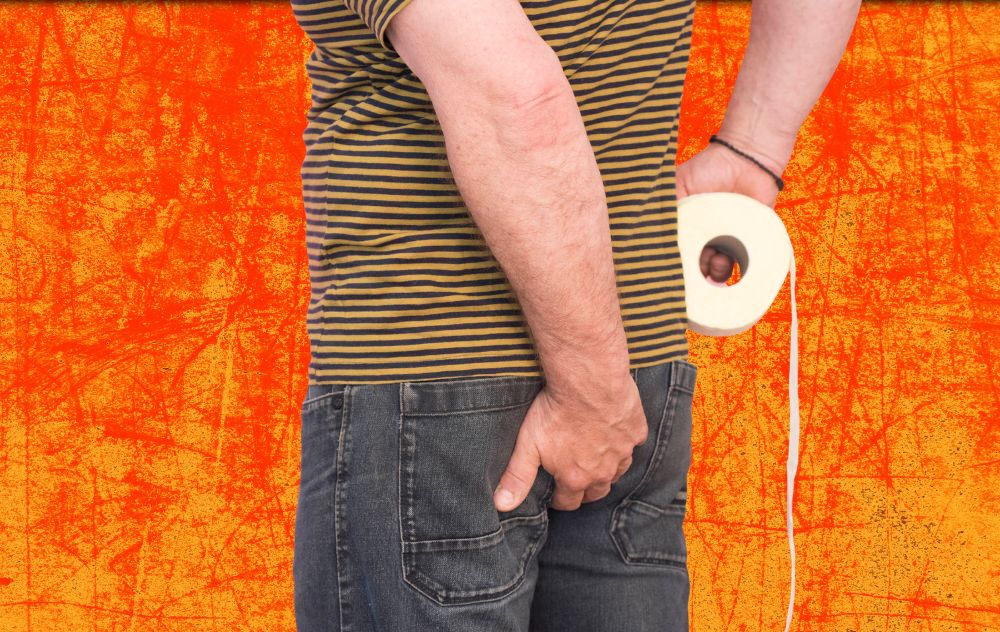
Hemorrhoids are often dismissed as a minor inconvenience—but when left untreated, they can lead to ongoing discomfort and, in some cases, more serious complications. Understanding what can happen over time can help patients recognize when it’s time to seek care.
What Are Hemorrhoids?
Hemorrhoids are swollen veins in the lower rectum or anus. They can be internal (inside the rectum) or external (under the skin around the anus). Common symptoms include itching, discomfort, swelling, and bleeding during bowel movements.
These enlarged veins typically develop due to increased pressure in the lower rectum, often caused by chronic straining during bowel movements, pregnancy, obesity, or long periods of sitting. Over time, this repeated pressure causes the vessel walls to stretch, thin, and eventually bulge or bleed.
While mild cases may improve with lifestyle changes, some internal hemorrhoids can go away on their own, depending on their severity and whether contributing factors are addressed. Persistent or worsening symptoms should not be ignored.
Why Do Hemorrhoids Get Worse Without Treatment?
Without proper management, the underlying pressure and inflammation that cause hemorrhoids can continue. Factors such as straining, prolonged sitting, chronic constipation, and poor circulation can contribute to progression, increasing the risk of complications. Understanding what can happen when hemorrhoids are left untreated can help you recognize why persistent or worsening symptoms should be evaluated.
Hemorrhoid Artery Embolization Info
Common Complications of Untreated Hemorrhoids
Chronic Pain and Discomfort
As hemorrhoids worsen, they can cause ongoing pain, especially when sitting or during bowel movements. External hemorrhoids may become increasingly inflamed and sensitive, making daily activities uncomfortable.
Ongoing or Heavy Bleeding
One of the most common complications of untreated hemorrhoids is recurrent rectal bleeding. While occasional spotting may seem minor, frequent bleeding can lead to:
-
Fatigue
-
Weakness
-
Iron-deficiency anemia
If bleeding persists, it should always be evaluated by a medical professional.
Thrombosed Hemorrhoids
A thrombosed hemorrhoid occurs when a blood clot forms within the hemorrhoid. This can cause:
-
Severe pain
-
Swelling
-
A hard lump near the anus
This is one of the more painful complications and may require prompt treatment.
Prolapsed Hemorrhoids
Untreated internal hemorrhoids can enlarge and prolapse, meaning they extend outside the anus. The hemorrhoid grades and stages describe how prolapse progresses from hemorrhoids that remain inside the rectum to those that stay outside permanently. In more advanced cases, they may:
-
Require manual repositioning
-
Remain outside permanently
-
Cause irritation and hygiene issues
Prolapsed hemorrhoids can significantly impact quality of life if not addressed.
Infection and Skin Irritation
Chronic irritation from untreated hemorrhoids can damage surrounding tissue, increasing the risk of:
-
Skin breakdown
-
Infection
-
Persistent itching and burning
Keeping the area clean becomes more difficult as symptoms progress.
Strangulated Hemorrhoids
In rare cases, a prolapsed hemorrhoid can become strangulated, meaning its blood supply is cut off. This can result in severe pain and may require urgent medical care.
Long-Term Effects of Untreated Hemorrhoids
If hemorrhoids are left untreated, symptoms can become chronic and more difficult to manage. Long-term effects may include:
-
Persistent discomfort
-
Increased severity of symptoms
-
Reduced quality of life
Addressing hemorrhoids early can help prevent these outcomes.
When to See a Doctor for Hemorrhoids
You should seek medical attention if you experience:
-
Frequent or heavy rectal bleeding
-
Severe or persistent pain
-
A lump that does not go away
-
Symptoms that interfere with daily activities
Early diagnosis can help rule out other conditions and guide appropriate treatment.
Find a Hemorrhoid Center Near You
Don’t Ignore Untreated Hemorrhoids
While hemorrhoids may start as a minor issue, leaving them untreated can lead to worsening symptoms and avoidable complications. Seeking care early can help relieve discomfort and prevent more serious problems.
USA Hemorrhoid Centers specializes in addressing these concerns through Hemorrhoid Artery Embolization (HAE), a groundbreaking, non-surgical treatment for internal hemorrhoids. Unlike traditional surgery, which often involves painful tissue removal and lengthy recovery, HAE is a minimally invasive outpatient procedure performed by expert interventional radiologists.
By using advanced image guidance to precisely block blood flow to the affected area, HAE causes hemorrhoids to shrink and symptoms to resolve—all through a tiny pinhole access point in the wrist or groin. This modern approach requires no general anesthesia, no stitches, and allows most patients to return to their normal activities within days, making it the premier choice for those seeking lasting relief without the downtime of surgery.