
Anal pressure is a common but uncomfortable symptom that can cause different sensations ranging from mild discomfort to persistent rectal pain that interferes with daily activities. While it may feel alarming, the cause is often something treatable.
A feeling of pressure in the anus or rectum may occur when tissue in this region becomes irritated, inflamed, or swollen. Hemorrhoids are one of the most common causes of anal pressure, though other digestive or lifestyle factors can contribute as well.
Understanding what rectal pressure feels like and its potential causes can help determine the best way to relieve your symptoms.
What Does Rectal Pressure Feel Like?
Rectal pressure can present in several ways. Some people feel a dull heaviness in the lower rectum, while others experience sharper pain and pressure in the anus. The exact sensation often depends on the underlying cause.
Sharp or cutting anal pain may indicate an open wound, such as an anal fissure or ulcer. Muscle spasms associated with levator ani syndrome can also cause a stabbing sensation. In some cases, a thrombosed hemorrhoid, which is a hemorrhoid that has developed a blood clot, may lead to intense, localized pain.
In some cases, patients experience rectal pain and pressure together, causing swelling or a feeling of fullness inside the rectum. The sensation often occurs when something inside the anal canal is enlarged or inflamed.
What Causes Anal Pressure?
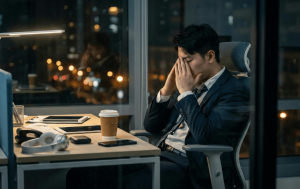
There are many possible reasons for rectal pressure, with causes ranging from digestive issues to lifestyle habits. Determining the underlying cause of anal pressure is important for working with a specialist to figure out the most effective treatment.
Hemorrhoids
One of the most common causes of anal pressure is hemorrhoids, which are swollen veins in the lower rectum or anus. Hemorrhoids can either be internal or external. Internal hemorrhoids develop inside the rectum and anal canal, and external hemorrhoids develop outside of the anus under the skin. Internal hemorrhoids often produce a feeling of fullness or pressure rather than pain.
However, internal hemorrhoids can cause other symptoms, including:
- Pressure around the anal area
- Soreness or irritation
- A bulge near the anus occurs if the hemorrhoid prolapses
- Bright red blood on your tool or toilet paper when wiping
Straining during bowel movements increases pressure in the rectum, which can make hemorrhoids swell or bleed.
Speak with a Hemorrhoid SpecialistConstipation and Straining
Constipation is another common reason people experience rectal pressure that feels like poop is stuck in the anus.
When stool hardens and cannot easily pass, it can build up in the rectum, creating pressure. The effort required to push out hardened stool increases strain on the veins surrounding the rectum and anus.
Constipation often develops due to:
- Low fiber intake
- Dehydration
- Lack of physical activity
- Diets high in processed foods
- Certain pain relievers, especially opioids and some non-steroidal anti-inflammatory drugs (NSAIDs) like ibuprofen or naproxen
Chronic constipation can also be linked to diabetes, irritable bowel syndrome (IBS), or other similar conditions.
Diarrhea, Frequent Bowel Movements, or Wiping Irritation
Diarrhea or frequent bowel movements may also cause buttock pressure and irritation. Having loose stools can create a combination of pressure, chemical irritation, and physical friction in the anal region.
Several factors can lead to this discomfort:
- Increased pressure: Frequent bathroom trips increase strain on rectal veins.
- Acid irritation: Loose stool can be more acidic and irritate delicate tissue.
- Physical friction: Repeated wiping can inflame already sensitive skin.
This combination of factors can worsen swelling, especially if hemorrhoids are present.
Prolonged Sitting
Sitting for long periods, especially on the toilet, slows circulation in the lower body. When blood flow slows, it may pool in the rectal veins and anus, increasing swelling and contributing to pressure in the rectum when sitting down.
If you work a desk job, live a more sedentary lifestyle, or travel for long periods of time, make sure to take breaks to stand, stretch, or walk to help reduce this pressure.
Pregnancy and Postpartum Changes
Pregnancy significantly affects pelvic circulation and pressure. The growing uterus can compress veins in the lower abdomen, making it harder for blood to return to the heart. At the same time, the hormone progesterone relaxes the vein walls, which can cause veins to expand and increase the likelihood of developing hemorrhoids and pressure in the anus during pregnancy.
Childbirth can also strain pelvic veins and contribute to hemorrhoid development postpartum.
How to Relieve Anus Pressure
If hemorrhoids or digestive issues are causing symptoms, here are several strategies on how to relieve anus pressure.
At-Home Relief When Hemorrhoids Are the Cause
For mild symptoms, there are a few lifestyle changes and home remedies that can provide temporary relief.
Helpful approaches include:
- Drinking plenty of water to stay hydrated
- Increasing dietary fiber
- Avoiding prolonged sitting
- Taking warm baths or sitz baths
- Using topical creams for irritation
- Practicing gentle hygiene after bowel movements
While these methods can reduce discomfort, they do not eliminate the underlying hemorrhoids. If you experience persistent symptoms, then it might be time to pursue medical treatment.
When to Seek Professional Treatment for Anal Pressure
Many people manage mild hemorrhoid symptoms with simple lifestyle adjustments. However, there are cases where medical intervention is necessary.
Consider seeing a hemorrhoid specialist if:
- Symptoms like pain, swelling, rectal pressure, and bleeding worsen.
- Pain and discomfort persist even after making lifestyle changes.
- If hemorrhoids interfere with sleep, work, or normal activities.
- There are more severe conditions, such as thrombosed hemorrhoids or prolapsed internal hemorrhoids, that may require treatment.
If symptoms do not improve within about a week of home care, a hemorrhoid specialist can confirm whether hemorrhoids or another condition is responsible.
Contact USA Hemorrhoid Centers for Expert Relief
USA Hemorrhoid Centers’ highly skilled hemorrhoid specialists focus on treating hemorrhoids using advanced, minimally invasive procedures.
Our doctors treat internal hemorrhoids with hemorrhoid artery embolization (HAE), a non-surgical treatment that reduces hemorrhoid blood flow and relieves symptoms with minimal recovery time.
Patients who visit any of our locations nationwide receive personalized treatment plans based on their symptoms and needs. Our treatment is covered by most insurance plans.
If you are experiencing persistent rectal pressure or symptoms of hemorrhoids, scheduling an evaluation can help identify the cause and provide lasting relief.
Find Relief TodayFAQs About Buttock Pressure
Do hemorrhoids feel like pressure?
Internal hemorrhoids can often cause pressure, along with a feeling of fullness in the rectum or the urge to have a bowel movement even after using the bathroom recently.
Is it normal to have rectal pressure during pregnancy?
Rectal pressure during pregnancy is common due to increased pelvic pressure and hormonal changes. However, any persistent or severe symptoms should be evaluated by a specialist.
Why do I feel pressure but am not defecating?
Feeling pressure but unable to defecate is a condition known as tenesmus. When the lining of the rectum is irritated, the nerves signal the urge to have a bowel movement even though your bowels are empty. Common triggers are inflammation, constipation, internal hemorrhoids, and digestive conditions.
Can hemorrhoids cause rectal pressure without bleeding?
Internal hemorrhoids may cause pressure in the rectum without bleeding. Swelling inside the anal canal can create a persistent feeling of fullness or discomfort even without visible symptoms.