
Hemorrhoids are a common source of pain, irritation, and bleeding, particularly during bowel movements. Many people rely on traditional toilet paper, but dry wiping can often create unnecessary friction on sensitive, inflamed tissue, which can worsen symptoms and delay healing.
A more effective approach to managing hemorrhoid symptoms involves reducing physical stress on the rectum through better hygiene and the use of alternative methods like bidets and squatty potties (toilet stools). But the question most people ask is, do bidets help with hemorrhoids? Absolutely. Switching to a bidet for hemorrhoid relief allows for gentle cleaning with water, eliminating the irritation caused by paper. Additionally, improving postural alignment with a can facilitate easier passage and further minimize strain on the affected area. Let’s analyze how bidets can aid in hemorrhoid symptom relief while seeking permanent treatment options.
Understanding Hemorrhoids: Causes and Types
At its simplest, a hemorrhoid is a swollen vein located in the lower rectum or anus. Much like varicose veins in the legs, these rectal veins possess thin walls that can stretch and bulge when subjected to excessive force. When the vessel walls thin and the blood pools, the resulting inflammation creates the discomfort we recognize as a hemorrhoid.
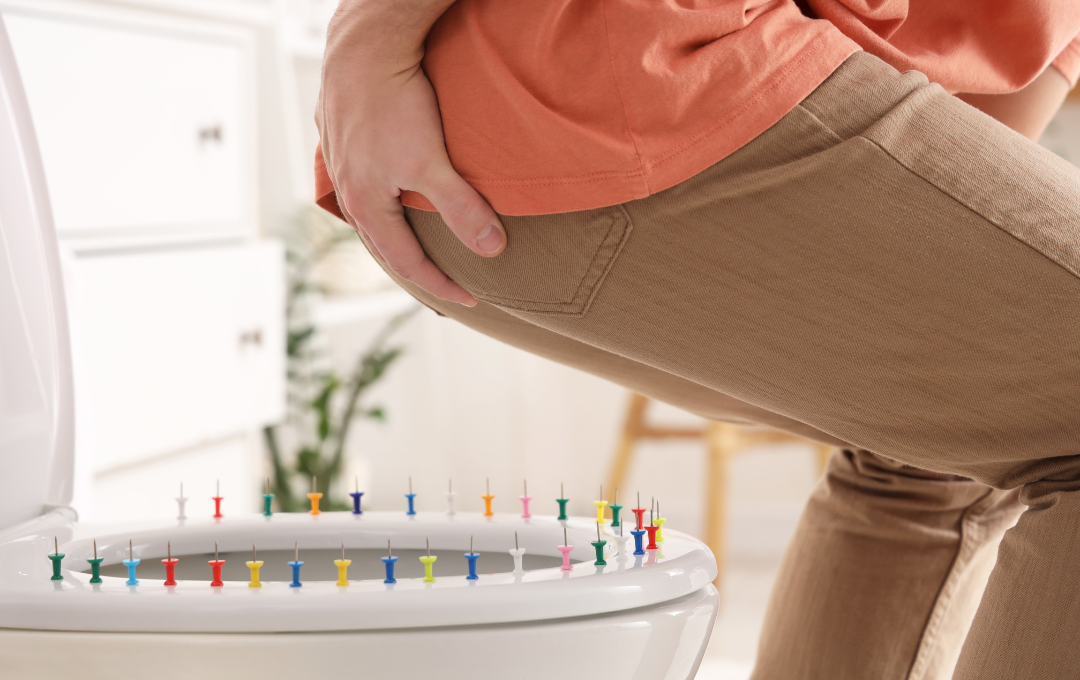
What Triggers Hemorrhoids to Flare-up?
Hemorrhoids are almost the result of persistent pressure in the pelvic region. This pressure forces blood into the delicate veins of the anal canal, causing them to distend. Common triggers include:
- Straining during bowel movements: Often a byproduct of chronic constipation, this is the most frequent cause of vascular swelling.
- Pregnancy: The physical weight of the growing uterus, combined with hormonal shifts, significantly increases pelvic venous pressure.
- Heavy Lifting: Repeatedly straining the core can spike internal abdominal pressure, taxing the rectal veins.
- Prolonged Sitting: Spending excessive time on the toilet allows gravity to pool blood in the rectal area, weakening the vessel walls over time.
LEARN ABOUT HEMORRHOID SYMPTOMS
Classification and Symptoms
The symptoms you experience depend on where anal pressure has caused the most damage.
Hemorrhoids are categorized into three primary types:
| Type | Location | Key Symptoms |
|---|---|---|
| Internal | Inside the rectum. | Typically painless; usually identified by bright red spotting. |
| External | Under the skin around the anus. | Itching and swelling; easily felt and sensitive. |
| Thrombosed | External (with a blood clot). | Acute, sharp pain occurs when blood pools and clots. |
Internal hemorrhoids are generally less painful, but they can occasionally “prolapse” or stretch down through the anal opening. If this occurs, they may become irritated and painful until they recede or are gently pushed back into place.
How Can Bidets Help with Hemorrhoids?
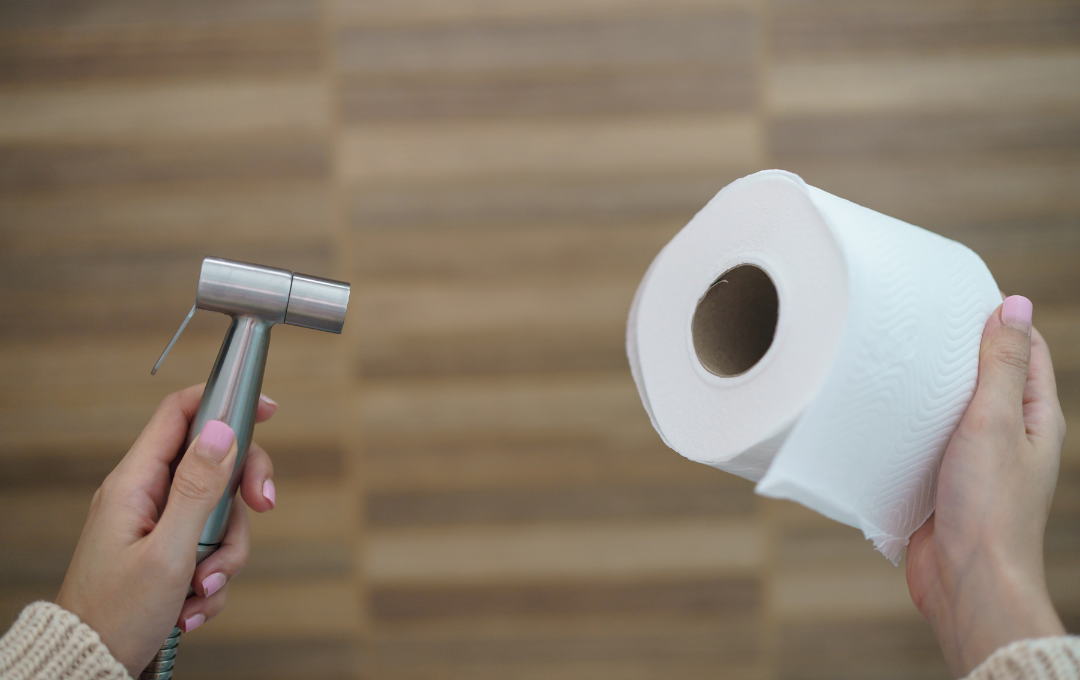
If you are dealing with the discomfort of hemorrhoids, your standard bathroom routine might be making the problem worse. Transitioning from dry paper to bidet use for hemorrhoids can be a game-changer for managing symptoms and speeding up the healing process.
Reduced Irritation
The most immediate benefit of a bidet and hemorrhoids management is the elimination of friction. When hemorrhoids are inflamed, even the softest toilet paper can feel like sandpaper. The abrasive contact required to wipe clean can tear sensitive skin and further aggravate swollen veins. A gentle stream of water cleanses the area without any physical rubbing, preventing further trauma.
Hygiene Efficiency
Hemorrhoids, especially external or prolapsed ones, create uneven skin surfaces and folds that are difficult to clean with paper alone. Water is more effective at reaching these contours. By removing all residue, a bidet helps relieve hemorrhoid itching and prevents the itch-scratch cycle caused by lingering bacteria or moisture.
Therapeutic Effects: Can a Bidet Treat Hemorrhoids?
Beyond cleaning, a bidet functions as a form of targeted therapy. According to a 3-year follow-up study (2022) published in Annals of Coloproctology, while bidets may not cure the underlying vascular issue, they significantly reduce the aggravation of symptoms. Many modern bidets allow for temperature control:
- Warm Water: Increases blood flow to the rectal tissues, which helps relax the anal sphincter and promotes faster healing.
- Symptom Relief: The soothing nature of a warm wash can reduce hemorrhoid pain during external flare-ups.
To maximize the benefits, use a “pat-dry” method with a soft towel or the bidet’s built-in air dryer rather than wiping after the wash.
Bidet Features for Symptom Management
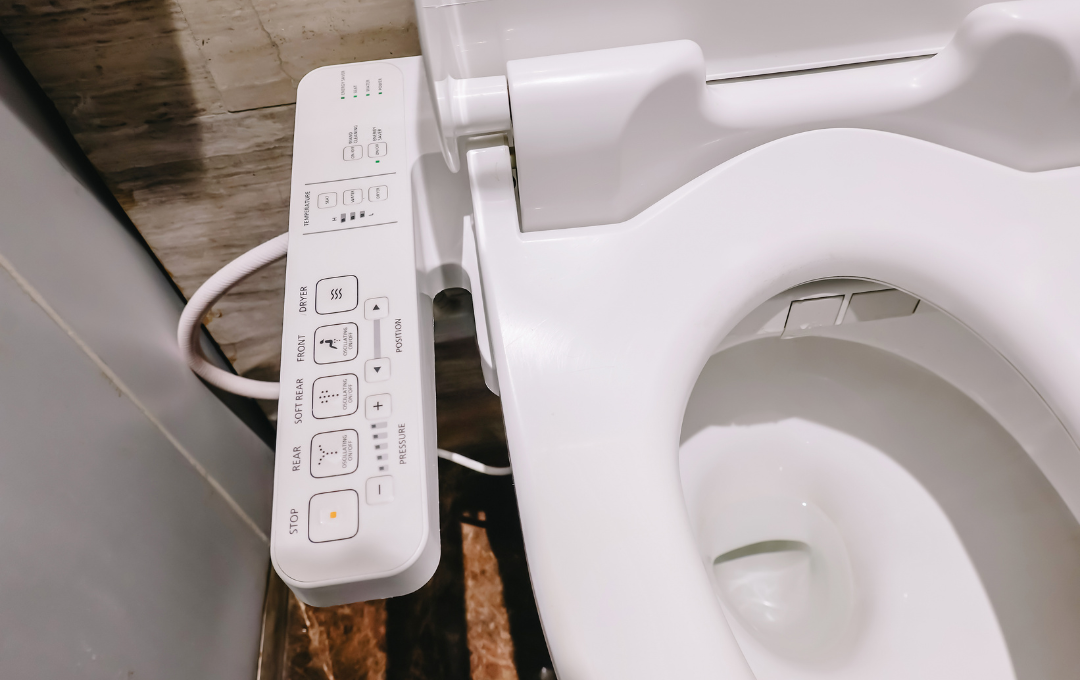
When searching for the best bidet for hemorrhoids, certain features are particularly beneficial:
- Adjustable Water Pressure: Precision is key. A low-force, gentle stream ensures you can cleanse without causing further trauma to swollen tissue.
- Temperature Control: Many users find relief through warm water, which mimics the soothing effects of a medical sitz bath.
- Air Dryers: Found in electronic models, these allow for a completely “touchless” experience.
Electronic vs. Non-Electric Models
The level of relief often depends on the type of unit installed:
- Electronic Bidets: These high-end models offer a comprehensive “touchless” experience. They typically include internal water heaters, heated seats, and warm air dryers. The air dryer is especially crucial, as it eliminates the need for drying with paper entirely, preventing further irritation.
- Non-Electric Bidets: A more budget-friendly option that can still provide relief. While basic models use cold water, many can be connected to your sink’s hot water line to provide a temperature-controlled wash without requiring an electrical outlet.
Global Perspectives: Do Countries With Bidets Have Fewer Hemorrhoids?
Interestingly, research into global hygiene habits shows a correlation between water-based cleaning and rectal health. In Japan, where over 80% of households use high-tech “washlets,” there is a high cultural emphasis on anal hygiene. While hemorrhoids still exist globally, the mechanical irritation caused by toilet paper is significantly lower in these regions. Most of the world (including parts of Asia, the Middle East, and Europe) uses water via bidets, lotas, or hand-held sprayers.
The Role of Toilet Stools (Squatty Potties)
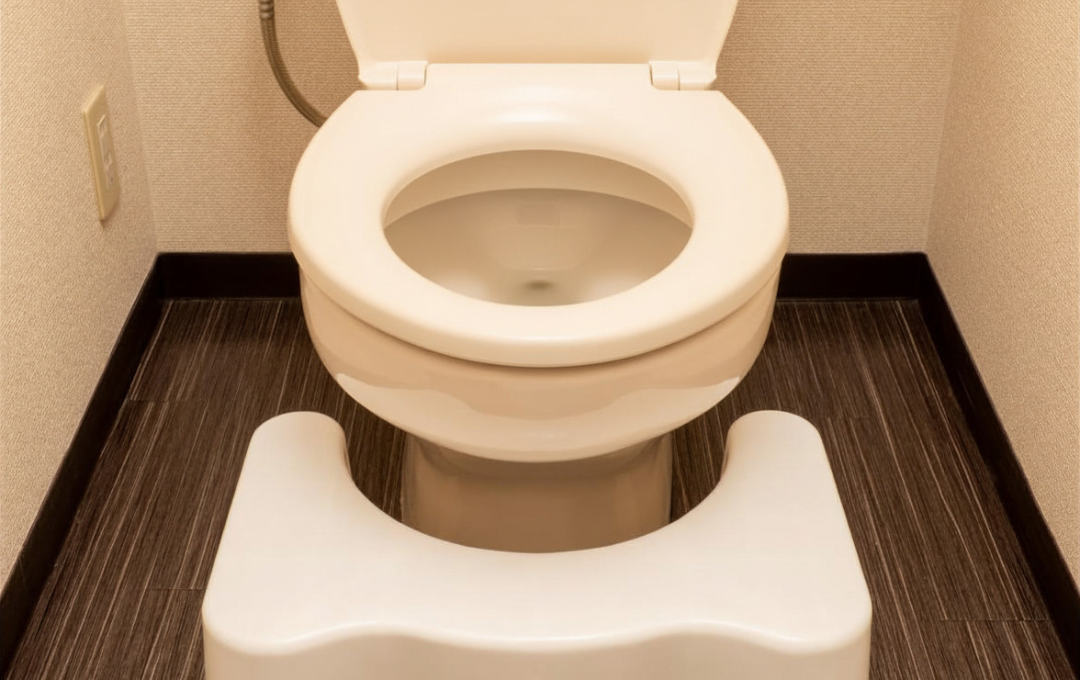
While bidets help with cleaning, toilet stools address the physical mechanics of a bowel movement. By using a stool to elevate your feet, shifting your body to a 35-degree squatting angle, the muscle fully relaxes. This straightens the rectal path, allowing for a much smoother and more natural passage.
Do Gastroenterologists Recommend Squatty Potty?
Many medical professionals recommend using a toilet stool. Science suggests that a squatty potty is actually good for you. When you sit on a normal toilet at a 90-degree angle, a muscle around your colon stays tight and pinches it, like a kink in a garden hose. This makes it harder for waste to pass through. Correcting your posture leads to two primary benefits for hemorrhoid prevention and recovery:
This reduces hemorrhoid pain by:
- Eliminating Forceful Straining: The body doesn’t have to work as hard to pass stool.
- Decreasing Time on the Toilet: This prevents blood from pooling in the rectal veins.
Lifestyle Changes and Hemorrhoids Treatment at Home
How to soothe hemorrhoids often starts with simple, at-home adjustments designed to soothe current irritation and prevent future flare-ups. By combining immediate symptom relief with long-term habits, most people can find significant relief without invasive procedures.
- Over-the-Counter (OTC) Remedies: For immediate discomfort, several non-prescription options can bridge the gap between a flare-up and recovery:
-
- Topical Creams and Ointments: Look for products containing witch hazel or hydrocortisone. These ingredients act as astringents and anti-inflammatories, effectively shrinking swollen tissue and calming persistent itching.
- Oral Pain Relievers: Common medications like ibuprofen or acetaminophen can help manage the localized ache and reduce the inflammation associated with external or thrombosed hemorrhoids.
- Dietary and Lifestyle Adjustments: While creams provide a temporary fix, lasting relief comes from addressing the underlying pressure that causes hemorrhoids in the first place.
-
- High-Fiber Diet: The gold standard for hemorrhoid prevention is a soft, easy-to-pass stool. Aim for a daily intake of 25 to 38 grams of fiber. Incorporating whole grains, legumes, and leafy greens adds bulk to the stool, ensuring it moves through the digestive tract without requiring the straining that damages rectal veins.
-
- Strategic Hydration: Fiber acts like a sponge; it requires plenty of fluid to work effectively. Increasing your water intake is essential to keep stools soft and prevent the constipation that leads to pelvic pressure. Without proper hydration, a high-fiber diet can actually lead to further backup.
-
- Regular Exercise: Physical activity is a double-win for rectal health. Not only does it stimulate natural bowel function to keep things moving, but it also helps reduce the pressure on the anal veins caused by prolonged sitting or standing. Even a daily brisk walk can significantly improve circulation and lower the risk of blood pooling in the lower rectum.
Combining a high-fiber meal with an extra glass of water and a short walk creates a defense against the primary causes of hemorrhoid discomfort.
When to Seek Professional Hemorrhoid Care
Many cases of hemorrhoids may resolve with lifestyle changes and over-the-counter treatments. However, if you experience chronic bleeding, intense pain, or hemorrhoids that do not respond to home care, a specialist may recommend a professional procedure to provide lasting relief. Medical treatments for hemorrhoids include the following options:
- Rubber Band Ligation: This is the most common non-surgical treatment for internal hemorrhoids. A doctor places a tiny medical-grade elastic band around the base of the hemorrhoid. This cuts off the blood supply, causing the hemorrhoid to wither and fall off within a few days.
- Sclerotherapy: For smaller internal hemorrhoids, a chemical solution is injected directly into the tissue. This creates scar tissue that shrinks the hemorrhoid by restricting its blood flow.
- Hemorrhoidectomy: Reserved for the most severe, protruding, or recurring cases, this is the surgical removal of hemorrhoid tissue. While highly effective, it typically involves a longer recovery period than non-surgical options.
- Hemorrhoid Artery Embolization (HAE): Hemorrhoid artery embolization (HAE) is a minimally invasive procedure that relieves internal hemorrhoid symptoms like bleeding and itching without traditional surgery. The procedure blocks the specific blood vessels that feed the hemorrhoids, shrinking them down to provide long-term comfort and relief.
Hemorrhoidal Artery Embolization (HAE)
Hemorrhoidal Artery Embolization (HAE) represents a significant shift in how we treat chronic rectal bleeding. Unlike traditional surgery, this procedure is performed by interventional radiologists who treat the issue from the inside out.
How HAE Works
Using advanced imaging, a hemorrhoid specialist inserts a thin, flexible tube called a catheter through a tiny nick, usually in the wrist or groin. The catheter is guided to the specific branches of the rectal artery that provide blood to the hemorrhoids. Once in place, the doctor releases microscopic coils or particles to cut off the blood flow to the hemorrhoids.
Why HAE is Effective
- Natural Shrinkage: By strategically reducing the blood flow (rather than cutting the tissue), the internal hemorrhoids begin to shrink naturally over the course of several weeks.
- Minimally Invasive: Because the procedure is performed through a vessel, there is no cutting, suturing, or stapling in the sensitive rectal area.
- Faster Recovery: HAE is an outpatient procedure. Patients generally experience significantly less post-operative pain and a much faster return to daily activities compared to a traditional hemorrhoidectomy.
Who is a Candidate?
HAE is most effective for patients with Grade 1, 2, 3, or 4 internal hemorrhoids, particularly those whose primary symptom is chronic, bothersome bleeding. If you are looking for a non-surgical solution that avoids the discomfort of traditional rectal surgery, HAE may be the ideal next step in your care.
Advanced Hemorrhoid Care at USA Hemorrhoid Centers

Managing hemorrhoids effectively requires an integrated approach that combines daily habits with clinical expertise. While home-care tools like bidets and toilet stools are excellent for maintaining hygiene and reducing strain during bowel movements, medical treatments are often necessary to address the underlying inflammation and vascular damage.
However, self-care like bidets and hemorrhoids can address hemorrhoid symptoms temporarily, and professional intervention is the only way to rule out more serious conditions and ensure long-term relief. It is important to consult a hemorrhoid specialist if you experience heavy rectal bleeding or if your symptoms fail to improve after a week of home treatment.
USA Hemorrhoid Centers provides a specialized, minimally invasive alternative for those suffering from the persistent pressure and bleeding of chronic internal hemorrhoids. Through Hemorrhoid Artery Embolization (HAE), our physicians use advanced image-guided technology to shrink affected tissue and stop bleeding without the recovery time associated with traditional surgery.
This outpatient procedure offers a long-term solution for patients who have not found success with lifestyle changes or hemorrhoid surgery. To determine if HAE is the right clinical approach for your symptoms, schedule a comprehensive evaluation online or call (855) 805-4247 today.
Frequently Asked Questions
Can I use a stool instead of a Squatty Potty?
Yes, any sturdy step stool that allows your knees to be higher than your hips will achieve the same anatomical benefit.
How do I calm down an inflamed hemorrhoid?
Use a sitz bath (or warm bidet wash) for 15 minutes, several times a day.
Can you use a squatty potty if you have hemorrhoids?
It is a good practice to use a squatty potty if you are suffering from hemorrhoids. Being on a squatty potty elevates your feet to a 35-degree squatting angle, fully relaxing the muscles, straightening the rectal path.
Sources:
- Baig, Zarrukh, et al. Be Kind to Your Behind: A Systematic Review of the Habitual Use of Bidets in Benign Perianal Disease. Evidence-Based Complementary and Alternative Medicine, 2022, 1633965, 9 pages, 2022. https://doi.org/10.1155/2022/1633965
- Asakura K, Nakano M, Omae K. Relationship between bidet toilet use and haemorrhoids and urogenital infections: a 3-year follow-up web survey. National Library of Medicine. Epidemiol Infect. 2018 Apr;146(6):763-770. doi: 10.1017/S0950268818000584. Epub 2018 Mar 21. PMID: 29560836; PMCID: PMC9134372.