
Medically reviewed by
USA Hemorrhoid Centers Review Team
Reviewed September 2026
Most hemorrhoid pain can be eased at home, but not every flare-up resolves on its own. For millions of adults, home remedies and over-the-counter creams offer fast comfort by calming surface irritation, itching, and local swelling. However, topical relief does not correct the underlying vascular pressure causing the problem.
When swollen rectal veins become chronically inflamed, enlarged, or prolapsed, temporary measures stop working. Understanding how to manage mild flare-ups at home, recognizing the limits of topical treatments, and knowing when to consult a specialist ensures you address the root cause before complications arise.
Below, we break down clinically effective home remedies, what over-the-counter creams can and cannot do, and how non-surgical medical procedures provide lasting relief when conservative care falls short.
What Causes Hemorrhoid Pain and Discomfort?
Hemorrhoids are vascular structures located in the anal canal that help with stool control. When excessive intra-abdominal pressure causes the veins within these cushions to swell and stretch, symptomatic hemorrhoidal disease develops. Hemorrhoids are categorized based on their position relative to the dentate (pectinate) line, which separates two distinct nerve networks:
- Internal Hemorrhoids: Located above the dentate line in the lower rectum. Because this mucosal lining contains visceral nerve fibers, early-stage internal hemorrhoids rarely cause sharp pain. Instead, they typically produce painless bright red bleeding during bowel movements, a feeling of rectal fullness, mucus discharge, or dull aching when swollen or prolapsing.
- External Hemorrhoids: Located below the dentate line under the sensitive perianal skin. This area is rich in somatic pain receptors. External hemorrhoids frequently cause sharp discomfort, burning, severe itching, and irritation during sitting or hygiene care.
Pain spikes when inflamed tissue undergoes mechanical irritation from chronic constipation, straining on the commode, hard stool transit, or prolonged sitting. In external cases, blood can pool inside the swollen vessel and form a clot (known as a thrombosed external hemorrhoid). This results in a firm, purplish lump that causes acute, severe throbbing pain requiring prompt clinical evaluation.
Home Remedies That May Ease Mild Hemorrhoid Pain
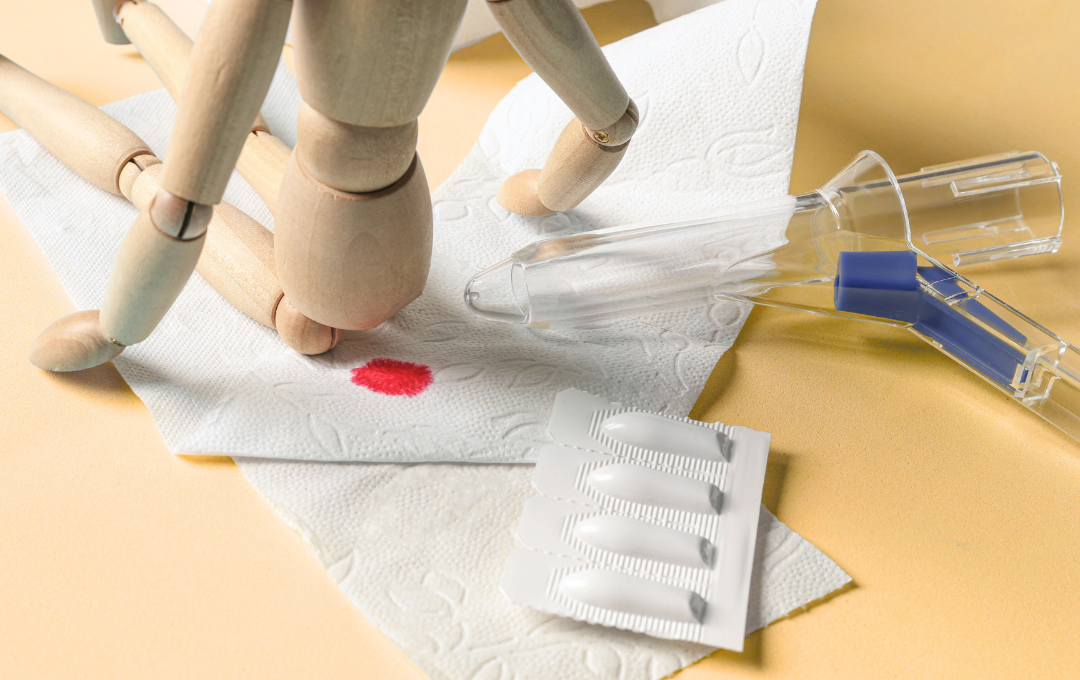
For first-time flare-ups or mild cases, conservative home care helps reduce inflammation and relaxes the hyperactive pelvic floor muscles surrounding the canal. Clinical evidence supports several non-invasive habits:
- Warm Sitz Baths: Soaking the perianal area in warm (not hot) plain water for 15 to 20 minutes, two to three times daily, relaxes the internal anal sphincter, relieves muscle spasms, and increases local blood flow to reduce congestion.
- Targeted Fiber and Hydration: Stool consistency directly impacts vascular pressure. Consuming 25 to 35 grams of dietary fiber daily (from oats, flaxseed, beans, or psyllium husk supplements) combined with 64 to 80 ounces of water keeps bowel movements bulky yet soft, eliminating straining.
- Cold Compresses: Applying a cloth-wrapped gel pack to the anal verge for 10-minute intervals causes local vasoconstriction, which rapidly numbs intense burning and reduces perianal swelling.
- Non-Abrasive Hygiene: Dry toilet paper acts like sandpaper against swollen cushions. Patting the area gently with alcohol-free, unscented wipes or rinsing with a handheld bidet prevents mucosal micro-tears.
- Correct Toilet Posture: Resting your feet on a small stool (aligning the colon in a natural squatting angle) straightens the puborectalis muscle. Limit all commode sessions to under five minutes to prevent gravitational pooling of blood.
While these steps significantly improve day-to-day comfort for mild internal hemorrhoids, they work as supportive maintenance rather than a permanent structural cure. When vascular cushions lose elasticity, symptoms frequently return once conservative measures are paused.
Do Over-the-Counter Creams Actually Help?
Pharmacy shelves carry dozens of ointments, suppositories, and medicated pads. Understanding their active ingredients helps set realistic expectations for their effectiveness:
- Hydrocortisone Formulations: A mild topical corticosteroid that reduces cellular inflammation, redness, and severe itching. Clinical note: Corticosteroids should not be used continuously for more than seven consecutive days, as prolonged use can cause permanent thinning (atrophy) of the delicate anal skin.
- Local Anesthetics (Lidocaine, Pramoxine): These work by blocking nerve signal conduction on the skin surface, delivering temporary numbing relief for acute external pain and burning.
- Witch Hazel and Astringents: Plant-derived tannins act as natural astringents, coagulating surface proteins to temporarily tighten local tissue and dry up weeping moisture.
- Vasoconstrictors (Phenylephrine): These temporarily constrict local arterioles to diminish swelling, but their effect wears off within hours.
The major limitation of topical products is anatomical reach: they only treat the surface. Over-the-counter preparations cannot repair stretched connective tissue, close dilated feeding arteries, or reverse prolapse in internal hemorrhoids.
When Home Care Is Not Enough: Recognizing Disease Progression
Dietary modifications, including avoiding common foods that trigger hemorrhoid flares (such as ultra-processed items, alcohol, and spicy dishes), lower the frequency of acute episodes. However, internal hemorrhoids are progressive. As the supportive fibroelastic network breaks down, vessels progress through four distinct clinical grades:
Grade 1: Prominent veins inside the anal canal that bleed but do not prolapse past the opening.
Grade 2: Veins prolapse during bowel movements or straining but retract back inside on their own.
Grade 3: Tissue prolapses during bowel movements and requires manual repositioning by the patient.
Grade 4: Irreducible prolapse where internal tissue remains permanently outside the canal, posing a risk of strangulation and thrombosis.
Once hemorrhoids advance into Grade 2, 3, or 4, home remedies and creams are no longer sufficient to stop structural prolapse and chronic bleeding.
When to See a Hemorrhoid Specialist
It is safe to attempt home remedies for mild, occasional discomfort. However, delaying professional care when clear warning signs appear can lead to complications such as chronic anemia, infections, or strangulated tissue. You should schedule a specialized evaluation if you experience:
- Rectal bleeding that recurs regularly, increases in volume, or turns dark maroon (bleeding must be clinically evaluated to rule out polyps, inflammatory bowel disease, or colorectal conditions).
- Perianal pain or pressure that fails to improve after seven days of consistent conservative care.
- A bulging tissue mass that cannot be gently pushed back inside the anal opening.
- A hard, painful lump around the anus indicating a potential acute thrombosis.
- Systemic symptoms such as lightheadedness, fatigue, dizziness, or fever alongside rectal complaints.
At USA Hemorrhoid Centers, evaluation is performed by board-certified interventional radiologists. Our specialists accurately stage your condition and discuss image-guided, non-surgical therapies that restore your quality of life without extensive downtime.
Comparing Care: Home Care vs. Surgery vs. HAE
Selecting the right treatment depends on the severity, stage, and persistence of your symptoms. Many patients assume the only alternative to creams is painful excisional surgery, but modern interventional medicine provides gentle middle-ground solutions:
| Treatment Path | Best For | Mechanism of Action | Recovery Profile |
|---|---|---|---|
| Home Remedies & OTC | Mild Grade 1 flare-ups, temporary itching | Soothes surface inflammation and eases bowel transit | Immediate relief, but high recurrence rate |
| Hemorrhoid Artery Embolization (HAE) | Persistent, bleeding Grade 1 to Grade 3 internal hemorrhoids | Microcatheter embolization of superior rectal arteries to shrink swollen tissue internally | Outpatient, minimal pain, return to normal activities in 1 to 2 days |
| Surgical Hemorrhoidectomy | Severe, refractory Grade 4 or gangrenous tissue | Direct surgical excision with scalpels or electrocautery | General anesthesia, high postoperative pain, 2 to 4 weeks recovery |
At USA Hemorrhoid Centers, our interventional radiologists specialize in Hemorrhoid Artery Embolization (HAE). This advanced, minimally invasive procedure accesses the arterial vascular network through a tiny pinhole in the wrist or groin. Using advanced imaging, the doctor delivers microscopic particles directly into the rectal arterial branches, cutting off excess blood supply. Over the following weeks, the swollen vascular cushions shrink naturally without wounds or stitches in the rectal canal.
Non-Surgical Outpatient Treatment
Home care can help, but it does not treat the underlying condition.
Adding fiber and trying creams can ease minor irritation. But if recurrent bleeding, prolapse, or pain during bowel movements continues, lifestyle adjustments alone cannot correct enlarged rectal veins.
USA Hemorrhoid Centers provides non-surgical Hemorrhoid Artery Embolization performed on an outpatient basis by experienced interventional radiologists, allowing you to return to your normal routine within 24 to 48 hours.
Frequently Asked Questions About Hemorrhoid Pain Relief
References
- National Institute of Diabetes and Digestive and Kidney Diseases (NIDDK). Treatment of Hemorrhoids. niddk.nih.gov
- American Society of Colon and Rectal Surgeons (ASCRS). Clinical Practice Guidelines for the Management of Hemorrhoids. fascrs.org
- Cleveland Clinic. 3 Best Ways To Get Rid of Hemorrhoids at Home. health.clevelandclinic.org
- Healthline. Hemorrhoids Home Remedies and OTC Treatment. healthline.com
- WebMD. Home Treatment and Remedies for Hemorrhoid Relief. webmd.com
Medical disclaimer: USA Hemorrhoid Centers content provides medical education only. It is not a diagnosis or personalized treatment plan. Consult a qualified hemorrhoid specialist or physician for individual medical evaluation.