
USA Hemorrhoid Centers
77777777777

Can Hemorrhoids Cause Tenderness Without Bleeding?

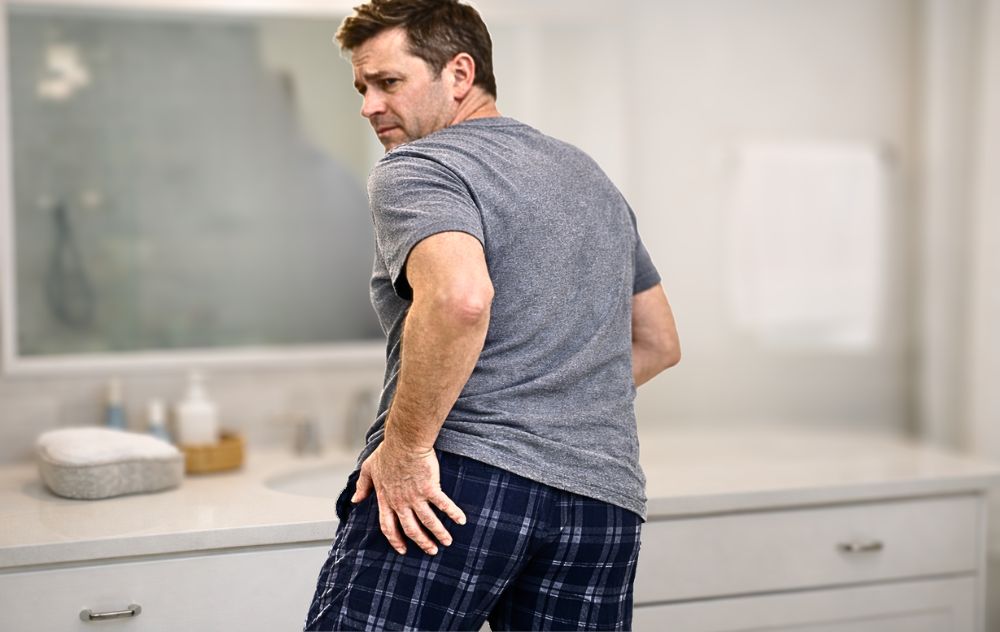
man wondering why hemorrhoids are tender but no bleeding
April 15th, 2026
03:58 PM

Can hemorrhoids cause tenderness without bleeding is a common question, especially for people who notice soreness, pressure, or discomfort without seeing blood. Yes, hemorrhoids can cause tenderness without bleeding. In many cases, people notice irritation, pain, or sensitivity near the anus before any bleeding occurs. This is especially common with external hemorrhoids, which develop under the skin around the anus and can become tender when sitting, wiping, or having a bowel movement. Internal hemorrhoids are more likely to bleed and are often painless unless they become irritated or prolapse.

If you are dealing with tender hemorrhoids without bleeding, it can still be a sign that the swollen vein is irritated or inflamed. While some hemorrhoid symptoms improve with conservative care, persistent tenderness, worsening pain, or recurring flare-ups may mean it is time for a medical evaluation.

Why Hemorrhoids Can Feel Tender Even if There Is No Bleeding

Not all hemorrhoids bleed. The symptoms depend on the type of hemorrhoid and how irritated it has become. External hemorrhoids may cause anal itching, hard tender lumps near the anus, and anal ache or pain, especially when sitting. By contrast, internal hemorrhoids are more often associated with bright red rectal bleeding and are usually less painful.

That means you may feel:

  • tenderness near the anus
  • pain when sitting
  • soreness after a bowel movement
  • irritation when cleaning the area
  • a small lump or swelling near the anus

These symptoms can happen even when there is no visible blood.

Hemorrhoid Symptom Information

Are Tender Hemorrhoids Usually Internal or External?

Tenderness without bleeding is more commonly linked to external hemorrhoids. Because they develop under the sensitive skin around the anus, they are more likely to cause discomfort, especially during a flare-up. Internal hemorrhoids are usually inside the rectum, so they tend to be less painful, though they may bleed.

If the tenderness becomes sudden and severe, it could point to a thrombosed external hemorrhoid, which happens when a blood clot forms inside an external hemorrhoid. This can cause significant pain and a painful anal mass. Bleeding may only happen if the skin over the clot opens.

It is also important to note Tenderness does not always mean the problem is an external hemorrhoid. While external hemorrhoids are more commonly linked to pain and soreness, prolapsed internal hemorrhoids can also cause discomfort, pressure, and irritation, especially when hemorrhoidal tissue pushes outside the anus. NIDDK notes that prolapsed internal hemorrhoids may cause pain and discomfort.

That is one reason it is important to get checked instead of assuming the source of tenderness on your own. A prolapsed internal hemorrhoid may feel like tissue on the outside, which can make it easy to confuse with an external hemorrhoid. However, they are not the same thing, and the distinction matters when discussing the next step in care

Call to Schedule a Consult

What Does Hemorrhoid Tenderness Feel Like?

People describe hemorrhoid tenderness in different ways. Some say it feels like soreness or rawness. Others notice a dull ache, pressure, or discomfort that gets worse when sitting for long periods.

Common descriptions include:

  • a tender lump near the anus
  • discomfort when wiping
  • pain when sitting on hard surfaces
  • a swollen feeling after bowel movements
  • irritation that comes and goes throughout the day

External hemorrhoids may also feel more noticeable after straining, constipation, diarrhea, or prolonged sitting, since these factors can increase pressure and irritation in the area. Straining and excessive rubbing or cleaning can also make symptoms worse.

Can Hemorrhoids Hurt Without Any Other Symptoms?

Yes. Some hemorrhoids cause tenderness before other symptoms appear. You may not have bleeding, itching, or obvious swelling at first. In mild cases, tenderness may be the main symptom. In other cases, the discomfort may come with pressure, a feeling of fullness, or sensitivity during bowel movements.

However, hemorrhoids are not the only cause of anal or rectal tenderness. Anal pain can also have other causes, including anal fissures and other anorectal conditions. That is one reason ongoing symptoms should not be self-diagnosed for too long.

When Tenderness May Mean Something More Serious

Tender hemorrhoids are not always an emergency, but some symptoms should not be ignored. If bleeding develops along with the tenderness, knowing how much hemorrhoid bleeding is normal can help you recognize when it may need medical attention. You should seek prompt medical care if you have:

  • severe anal pain
  • heavy or persistent rectal bleeding
  • worsening swelling
  • fever
  • abdominal pain along with rectal symptoms
  • mucus, pus, or other unusual discharge
  • symptoms that do not improve

How Doctors Diagnose Hemorrhoids

A doctor can often diagnose external hemorrhoids by examining the area around the anus. If internal hemorrhoids are suspected, diagnosis may also include a digital rectal exam or a procedure to look inside the anus and rectum.

This matters because tenderness without bleeding can overlap with other conditions. A proper diagnosis can help rule out other causes of pain and determine whether you have internal hemorrhoids, external hemorrhoids, or another issue entirely.

More On Hemorrhoid Diagnosis

When to See a Hemorrhoid Specialist

You should consider seeing a specialist if:

  • tenderness lasts more than a few days
  • symptoms keep coming back
  • sitting is becoming uncomfortable
  • over-the-counter remedies are not helping
  • you feel a painful lump near the anus
  • you are unsure whether hemorrhoids are causing your symptoms

A medical evaluation can help determine the next step and prevent you from treating the wrong condition.

Find a Hemorrhoid Center Near You

Treatment Options for Persistent Hemorrhoid Symptoms

When hemorrhoid symptoms do not improve with conservative care, treatment depends on whether the hemorrhoids are internal or external and how severe the symptoms are.

At USA Hemorrhoid Centers, we focus on Hemorrhoid Artery Embolization, or HAE, for appropriate cases of symptomatic internal hemorrhoids. HAE is a minimally invasive, nonsurgical procedure designed to reduce blood flow to the hemorrhoids. It is important to note that HAE is used for qualifying internal hemorrhoid cases and is not a treatment for external hemorrhoids, thrombosed external hemorrhoids, or every source of anal pain.

Because of that, patients with tenderness without bleeding should first receive an accurate diagnosis to determine whether hemorrhoids are the cause and whether the symptoms involve internal hemorrhoids, external hemorrhoids, or another anorectal condition.

Learn about HAE

Find Relief With USA Hemorrhoid Centers

If you have been asking whether hemorrhoids can cause tenderness without bleeding, the answer is yes. Tenderness can be a real hemorrhoid symptom, especially with external hemorrhoids, even when there is no visible blood. But because other anorectal conditions can cause similar discomfort, persistent or worsening symptoms should be evaluated by a medical professional.

At USA Hemorrhoid Centers, our specialists evaluate symptoms and determine whether a patient may be a candidate for HAE treatment for internal hemorrhoids. If hemorrhoid-related symptoms are interfering with your comfort, daily routine, or bowel movements, scheduling a consultation can help you get clarity on the cause and next steps.
Schedule Online 24/7

Internal vs. External Hemorrhoids: What’s The Difference?

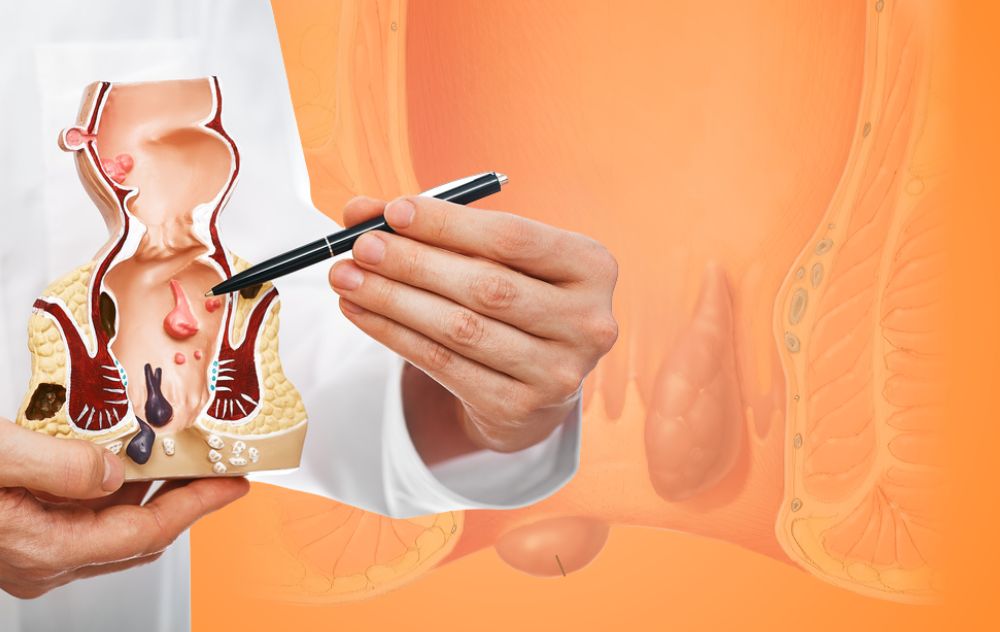
Doctor Explaining Difference between internal and external hemorrhoids
April 2nd, 2026
05:59 PM

Are you having issues with rectal bleeding, itching, pain, or other common hemorrhoid symptoms? If so, you might wonder if those symptoms are a sign of internal or external hemorrhoids.

Hemorrhoids are swollen blood vessels in the rectum or under the skin surrounding the anus. Where they form determines whether they are external or internal hemorrhoids.

Although both types of hemorrhoids have the same cause, they can produce different symptoms. There are also varying treatments for internal vs. external hemorrhoids.

Understanding the differences can help you determine what to do next and when to see a hemorrhoid specialist. This guide will answer all your questions about how internal and external hemorrhoids differ, including symptoms and treatment options.

Schedule A Consultation Now

What Are Hemorrhoids?

Internal vs. External Hemorrhoids What’s the Difference

Hemorrhoids are swollen clusters or ‘piles’ of blood vessels, smooth muscle, and connective tissue. Although the terms are sometimes treated as different conditions, hemorrhoids and piles refer to the same condition. They can be very painful and physically uncomfortable—and even a little embarrassing to talk about.

However, the reality is that most people have hemorrhoids at some point in their lives. One study found that roughly 11% of the adult population suffers from hemorrhoids at any point in time. (1) It’s estimated that by age 50, one in two adults in the US has dealt with hemorrhoid symptoms, such as anal itching, bleeding during bowel movements, or pain. (2)

Hemorrhoids develop because of excess pressure from straining during bowel movements, often due to constipation. A lack of blood flow from prolonged sitting can also cause hemorrhoids, as clusters of blood vessels and connective tissue become swollen and enlarged. Additionally, lifestyle factors, such as diet, weight, and exercise, can also lead to hemorrhoids. It’s important to consult a hemorrhoid specialist to ensure an accurate diagnosis for the cause, type, and management plan for hemorrhoids.

Depending on whether the hemorrhoids are external or internal, you might experience different symptoms. Regardless, it’s important not to leave hemorrhoids untreated.

Internal Hemorrhoids

Internal hemorrhoids occur in the lower rectum, inside the anal cavity, making them invisible from the outside.

A person with an internal hemorrhoid might notice bright red blood on their toilet paper or in their stool. They may not experience pain as there are fewer sensory nerves in the rectal area.

However, an internal hemorrhoid can cause pain or irritation if it pushes through the anal opening, a condition known as prolapse. Internal hemorrhoids can turn into prolapsed hemorrhoids when the tissue supporting the swollen blood vessels can no longer hold them in place, causing them to protrude through the anal opening.

External Hemorrhoids

External hemorrhoids develop around the anus. Compared to internal hemorrhoids, external ones are more likely to cause pain and discomfort because there are more pain-sensing nerves under the skin near the anus.

Other possible symptoms include:

  • Swelling around the anus
  • Itching
  • Bleeding
  • Lumps
  • Pain or discomfort

External hemorrhoids can cause severe pain if a clot develops  A hemorrhoid with a blood clot is called a thrombosed hemorrhoid. This can also occur with internal hemorrhoids but is not as common. It looks like a hard lump near the anus and can cause swelling and inflammation that makes sitting extremely uncomfortable.

Internal vs. External Hemorrhoids: Key Differences

While both types involve swollen veins, their location leads to very different experiences.

Location:
Internal hemorrhoids form inside the rectum, while external hemorrhoids appear under the skin around the anus.

Pain Level:
Internal hemorrhoids are usually painless at first, whereas external hemorrhoids often cause noticeable pain and discomfort.

Symptoms:
Internal hemorrhoids are more likely to cause painless bleeding and prolapse. External hemorrhoids tend to cause itching, swelling, and pain.

Visibility:
Internal hemorrhoids are not visible unless they prolapse. External hemorrhoids can often be seen or felt as lumps near the anus.

Complications:
Internal hemorrhoids may prolapse over time, while external hemorrhoids can become thrombosed, leading to more severe pain.

Can Internal Hemorrhoids Become External?

Internal hemorrhoids can prolapse and extend outside the anus, which may make them appear similar to external hemorrhoids. However, they are still classified as internal because of where they originated.

When prolapsed, they may cause irritation, mucus discharge, and increased discomfort, especially if they cannot return inside on their own.

Diagnosing External vs. Internal Hemorrhoids

A hemorrhoid doctor will review your medical history to determine whether external or internal hemorrhoids are causing symptoms. They will ask about your eating and toilet habits and any existing medical conditions.

An interventional radiologist, also known as a hemorrhoid doctor, will also perform an exam:

  • To diagnose external hemorrhoids, the doctor will examine the area around the anus, assessing any existing lumps to make a diagnosis.
  • Diagnosing internal hemorrhoids is more complex because they occur inside the rectum and are not visible. The doctor will perform a digital rectal exam using ultrasound imaging technology.

Treating External vs. Internal Hemorrhoids

Treatment for internal hemorrhoids differs from the treatment for external hemorrhoids.

External hemorrhoids are often easier to treat. Home treatments can often provide temporary relief from hemorrhoids within a couple of weeks, such as:

  • Sitting in a warm bath can relieve pain and discomfort.
  • Eating more fiber and drinking more water can help loosen your stool, preventing further straining.
  • Topical creams or ointments for hemorrhoids can ease itching and swelling.

Internal hemorrhoids are more likely to require medical treatment. Some mild hemorrhoids can be temporarily relieved through home remedies, but a medical diagnosis and treatment plan from a hemorrhoid specialist are recommended. If symptoms persist, a specialist can explain how to get rid of internal hemorrhoids based on their severity and your individual needs.

There are several treatments for internal hemorrhoids, including surgical removal and non-surgical procedures that can effectively relieve symptoms.

  • Hemorrhoid artery embolization (HAE) is a non-surgical procedure that shrinks existing hemorrhoids by stopping blood flow to the pile. It’s a good option for people who want to avoid the pain and discomfort associated with other treatments.
  • Hemorrhoidectomy is surgical hemorrhoid removal. This procedure does come with some risks, including bleeding post-treatment, so it’s usually only recommended for severe cases.
  • Rubber band ligation involves tying rubber bands around internal hemorrhoids, which causes them to fall off. This procedure can be painful, and some may experience post-treatment discomfort.
  • Sclerotherapy involves injecting a medical solution into the hemorrhoids, which stops blood from reaching the hemorrhoid, causing it to shrink.

When to See a Doctor for Hemorrhoids

If hemorrhoid symptoms persist for more than one week or if you have severe pain or bleeding, you should see a doctor for a diagnosis and to learn about your treatment options.

USA Hemorrhoid Centers is a leading network of outpatient hemorrhoid treatment centers. We offer non-surgical hemorrhoid treatment and personalized treatment plans. Schedule a consultation at a location near you today and find out how we can help you get back to living hemorrhoid-free.

Find a Hemorrhoid Center Near You

FAQs

How do you know if you have an internal or external hemorrhoid?

If a hemorrhoid is under the skin around your anus and is painful, it’s likely an external hemorrhoid.

An internal hemorrhoid is more difficult to identify. You can’t see or feel the lump. Also, blood in the stool could be caused by a more serious health condition, such as inflammatory bowel disease or colon cancer. It’s not always clear whether bleeding is related to hemorrhoids.

To find out for certain if you have internal hemorrhoids, external hemorrhoids, or both, schedule a consultation with a hemorrhoid specialist near you.

Can external hemorrhoids become internal?

External hemorrhoids can’t become internal hemorrhoids. However, a prolapsed hemorrhoid, which is an internal hemorrhoid that bulges outside of the anus, may go back inside on its own.

Can you have both internal and external hemorrhoids at the same time?

Yes, you can have internal and external hemorrhoids at the same time. That can make it more difficult to figure out if your symptoms are caused by one type of hemorrhoid or another. A hemorrhoid doctor can give you an accurate diagnosis and recommend a treatment plan for the specific types of hemorrhoids you have.

Internal vs. external hemorrhoids: which are worse?

External hemorrhoids can cause more discomfort. They can lead to itching, swelling, and pain, as well as bleeding. Internal hemorrhoids aren’t always painful. However, they can be harder to get rid of. People with moderate to severe internal hemorrhoids may require medical treatment to help alleviate their symptoms.

Are external or internal hemorrhoids more common?

External hemorrhoids are more common than internal hemorrhoids.

References:

  1. Sheikh, Parvez et al. The prevalence, characteristics and treatment of hemorrhoidal disease: results of an international web-based survey.Journal of Comparative Effectiveness Research. DOI: 10.2217/cer-2020-0159
  2. LeWine, Howard E. MD. Hemorrhoids and what to do about them. Harvard Health Publishing. www.health.harvard.edu/diseases-and-conditions