
USA Hemorrhoid Centers
77777777777

High Fiber Diet for Hemorrhoid Relief

High Fiber Diet and Hemorrhoids
December 5th, 2025
02:30 PM

Many people find that when it comes to hemorrhoids, a high-fiber diet is vital to preventing and easing uncomfortable symptoms. Fiber supports digestive health by softening stool and promoting regular bowel movements, reducing the strain that can cause swollen or irritated veins in the rectal area. For most patients, a fiber-rich diet can help improve symptoms. However, fiber is not a one-size-fits-all solution; hemorrhoid relief is most effective when a healthy diet is paired with targeted medical treatment.

While many foods contain fiber, some are particularly effective for those managing hemorrhoid symptoms. Choosing a diet for hemorrhoids that includes a mixture of fruits, vegetables, grains, and legumes means you can find relief naturally while supporting overall digestive health.

How Fiber Supports Hemorrhoid Relief

A high-fiber diet offers various benefits for digestion and short-term relief of hemorrhoid symptoms. It’s one of the most effective natural ways to prevent hemorrhoids because it helps keep the digestive system moving smoothly.

When you consume enough fiber, stools become softer and easier to pass, reducing pressure on rectal veins, which is a leading cause of hemorrhoids. Softer stools mean less straining, which minimizes irritation, swelling, and bleeding, which is especially valuable for internal hemorrhoids.

A high-fiber diet is particularly beneficial for mild hemorrhoids or recurring symptoms. However, dietary changes may not be enough for severe cases such as prolapsed or bleeding hemorrhoids, which often require medical intervention. If you are experiencing symptomatic hemorrhoids and are looking for relief, it is recommended to consult with a specialist to explore treatment options. 

Meet with a Specialist

Fiber and Internal Hemorrhoids

Internal hemorrhoids are inside the rectum and often linked to poor bowel habits. When stool is difficult to pass, it puts extra strain on these veins, leading to pain, swelling, and occasional bleeding.

With hemorrhoids, a consistent, high-fiber diet can minimize issues by promoting softer stools and more regular bowel movements. People who maintain steady fiber intake throughout the day tend to experience fewer flare-ups and greater long-term relief.

Best High Fiber Foods for Hemorrhoids 

Not all fiber-rich foods are created equal. When it comes to a high-fiber diet and hemorrhoids, here are some of the best sources to prevent and manage symptoms.1

Five Best Fiber-Rich Fruits

  • Apples: Rich in both soluble and insoluble fiber, eating one apple a day adds over 4g of fiber to your diet while promoting digestive regularity.
  • Pears: Excellent for a high-fiber diet and managing hemorrhoids, as one medium pear contains almost 6g of fiber along with pectin, a soluble fiber that helps maintain a softer stool consistency.
  • Berries: Eating half a cup of berries means you get between 3g and 4g of insoluble fiber, along with antioxidants that can help reduce inflammation.
  • Prunes: These natural laxatives help prevent constipation and straining, and a ¼ cup of prunes adds about 3g of fiber to your diet.
  • Kiwi: A ½ cup of kiwis adds over 2g of fiber, and they contain actinidin, an enzyme that helps improve bowel movement frequency. 

Three Best Vegetables To Improve Gut Health

  • Broccoli: Packed with over 5g of fiber per cooked cup, broccoli also provides additional nutrients that support digestion. 
  • Leafy greens: Greens like spinach and kale, which both contain over 4g of protein per cup when cooked, are gentle on the digestive system and rich in magnesium, which aids regularity.
  • Sweet potatoes and potatoes: Eating both regular and sweet potatoes adds 3-7g of fiber to your diet, along with complex carbohydrates.

Top Three Whole Grains

  • Oat bran: A ¼ cup contains 1.5g of soluble fiber, which forms a gel-like consistency to soften stool.
  • Whole Wheat Roti: While traditional roti made with whole wheat flour provides plenty of fiber (1.4g per ½ oz), you can also make roti with other ingredients, such as chickpeas, which are a good, fiber-rich, gluten-free alternative.
  • Barley: A ¼ cup of pearled, cooked barley helps feed beneficial gut bacteria that aid digestion, while also adding 1.5g of fiber to your diet.

Best Legumes (Beans)

  • Lentils: This fiber powerhouse adds almost 4g of fiber per ¼ cup when cooked, helping promote regular bowel movements so you strain less and reduce your risk of hemorrhoids.
  • Chickpeas: Around ¼ cup of cooked chickpeas adds over 3g of soluble and insoluble fiber for balanced digestion.
  • Black beans: Contain resistant starch, which supports a healthy gut microbiome, with a ¼ cup of cooked black beans adding around 4g of fiber.

Foods to Avoid

Although there are lots of good high-fiber foods for hemorrhoids, there are certain foods that can worsen symptoms by causing constipation, inflammation, or poor digestion. 

These foods include:

  • Processed foods
  • Red meat
  • Sugary foods 
  • Dairy

Red meat and dairy specifically exacerbate hemorrhoids as they are low in fiber and can cause digestive issues like constipation. These foods, along with processed and sugary foods, are also high in fat, which can slow digestion and lead to straining during bowel movements. The straining irritates and places pressure on the veins around the anus and rectum, which can lead to hemorrhoids.

How Much Fiber Do You Need for Hemorrhoid Relief?

High Fiber Diet and Hemorrhoids​

Doctors and other medical specialists often recommend aiming for 28 grams of fiber per day from food sources.2 Most people fall short of this goal, but focusing on high fiber foods for hemorrhoids, also known as piles, is necessary to keep the digestive system moving smoothly and reduce irritation.

To improve your fiber intake for hemorrhoids, gradually increase it to help prevent bloating and gas. It’s also helpful to drink plenty of water, since fiber is most effective when you’re hydrated. If you’re struggling to increase fiber intake, fiber supplements can help when taken alongside a fiber-rich diet. 

When Fiber Isn’t Enough: Seeking Hemorrhoid Treatment

Increasing fiber for hemorrhoids is one of the simplest and most effective lifestyle changes to support bowel health and prevent straining. While a high-fiber diet is a good first step for managing hemorrhoids, some cases require more than dietary changes. Severe hemorrhoids, such as those that are prolapsed or bleeding, often need medical treatment.

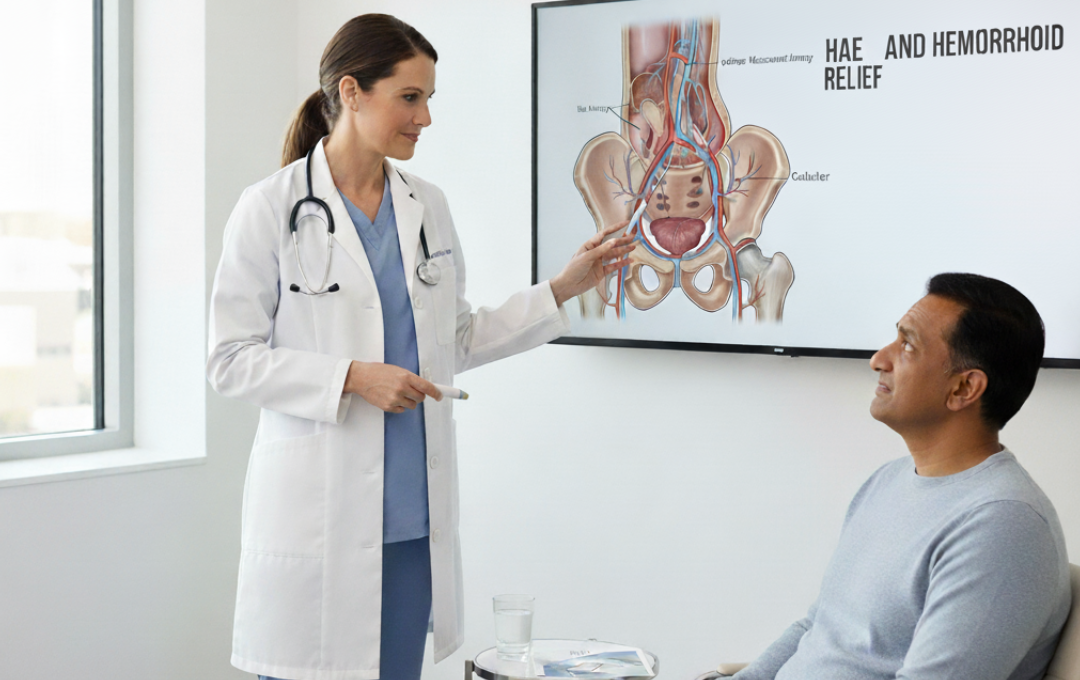
Our expert specialists at USA Hemorrhoid Centers use hemorrhoid artery embolization (HAE), a minimally invasive procedure specifically for treating internal hemorrhoids.

HAE targets the blood supply feeding the hemorrhoid, causing it to shrink and relieving symptoms such as pain, itching, and bleeding. Compared to dietary adjustments, HAE provides faster, lasting relief and does not require surgery or extended recovery time.

USA Hemorrhoid Centers Is Here to Help

While dietary improvements are an excellent first step, moderate to severe hemorrhoids often require professional care. USA Hemorrhoid Centers’ specialized, patient-focused treatment for internal hemorrhoids can help you when lifestyle and dietary changes aren’t enough. Our accredited nationwide clinics mean you have access to our specialists no matter where you live in the United States. 

Don’t let hemorrhoids interfere with your life. A high-fiber diet can make a big difference, but if symptoms persist, schedule a consultation with USA Hemorrhoid Centers to learn more about your treatment options.

Schedule Online Today

FAQs About a High Fiber Diet and Hemorrhoids

What shrinks hemorrhoids the fastest?

The fastest treatment for shrinking hemorrhoids is non-surgical treatments like hemorrhoid artery embolization (HAE). This minimally invasive procedure blocks the arteries that supply blood to the hemorrhoids, causing them to shrink gradually.

How long does it take for fiber to improve hemorrhoid symptoms?

When increasing fiber intake for managing hemorrhoids, it can take anywhere from a few days to a week to start noticing results. More advanced cases of hemorrhoids may require medical intervention to improve symptoms. 

What if fiber doesn’t help my hemorrhoids?

If your hemorrhoids persist or get worse after focusing on a high-fiber diet, consult a medical professional to see if treatment options such as hemorrhoid artery embolization (HAE) can be effective.

Sources

  1. Current Dietary Guidelines,” Food Sources of Dietary Fiber | Dietary Guidelines for Americans. 
  2. Interactive Nutrition Facts Label,” Interactive Nutrition Facts Label.

Hemorrhoid Removal Without Surgery: What You Need to Know

Hemorrhoid Removal Without Surgery: What You Need to Know
October 23rd, 2025
05:19 PM

Many people are worried about treating their hemorrhoids since they assume a painful surgery is the only option. However, it is actually possible to eliminate hemorrhoids without surgery and find relief without needing any cutting, stitches, or extensive recovery time. 

Internal hemorrhoids, including prolapsed ones , can often be treated using non-surgical techniques that shrink and relieve symptoms effectively.

How to Get Rid of Hemorrhoids Without Surgery

For most people, hemorrhoids can be managed without traditional surgery, especially if they are internal. Hemorrhoid artery embolization (HAE) is an effective option for those interested in hemorrhoid removal without surgery. This procedure focuses on reducing blood flow to the hemorrhoids, causing them to shrink naturally over time.

At-home care options that are most effective when paired with medical treatment include:

  • Changing lifestyle habits, such as staying hydrated, increasing fiber intake, and avoiding prolonged periods of sitting.
  • Using at-home remedies like warm baths, topical creams, and gentle cleansing.

Targeted medical treatment is typically the most successful way to achieve lasting hemorrhoid relief. The right approach to hemorrhoid treatment depends on the severity, type, and duration of the hemorrhoid symptoms.

What Types of Hemorrhoids Can Be Removed Without Surgery?

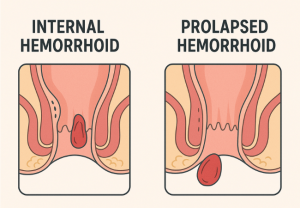
Internal Hemorrhoid & Prolapsed Hemorrhoid

The first step in determining how to remove hemorrhoids without surgery is to figure out whether the hemorrhoids are internal or external. 

Internal Hemorrhoids

Internal hemorrhoids are found deeper within the rectum and are typically harder to feel unless they’ve prolapsed. These hemorrhoids often cause bleeding or a sensation of fullness within the rectum. 

Internal hemorrhoids are the most suitable for hemorrhoid removal without surgery options like hemorrhoid artery embolization (HAE), as they directly treat the swollen veins that cause internal hemorrhoids. HAE reduces the blood supply feeding the swollen veins, effectively relieving pressure and shrinking the hemorrhoidal tissue without incisions or anesthesia-based surgery.

Prolapsed Hemorrhoids

When it comes to figuring out how to get rid of prolapsed hemorrhoids without surgery, the best method is through early intervention. Prolapsed internal hemorrhoids can often be managed with HAE or other non-surgical approaches when caught early enough. The goal is to shrink the hemorrhoid and restore normal tissue function while minimizing discomfort.

External Hemorrhoids

External hemorrhoids are the type that form just under the sensitive skin around the anal opening. For many people, a minor external flare-up can be managed at home by improving their diet and using over-the-counter creams. However, if a blood clot forms inside one (making it thrombosed), a sudden, severe pain will be felt that may require a doctor to perform a quick, simple drainage procedure for relief. Importantly, the non-surgical hemorrhoid removal treatments are generally less effective for large or chronic external hemorrhoids.

Why Choose Hemorrhoid Artery Embolization (HAE)

To eliminate internal hemorrhoids without surgery and get long-lasting relief from symptoms, it is recommended to consult an interventional radiologist about hemorrhoid artery embolization​ (HAE). HAE is a treatment that involves blocking the blood vessels supplying the hemorrhoidal tissue, gradually decreasing the size of the hemorrhoids and their symptoms.

The expert interventional radiologists at USA Hemorrhoid Centers ensure that patients remain comfortable, resulting in minimal to no pain during the procedure. Since it is non-surgical, HAE also allows for shorter recovery time, while still providing significant relief from bleeding and other uncomfortable hemorrhoid symptoms.  

Learn More About HAE

What to Expect with Non-Surgical Hemorrhoid Treatment

Treating hemorrhoids at USA Hemorrhoid Centers is a straightforward process from start to finish. Before the procedure, you’ll meet with one of our interventional radiologists to review your medical history, explain the process, and answer any questions. 

In general, HAE lasts one to two hours, and patients can go home the same day, with most people returning to normal activities within a few days. The recovery time is shorter compared to surgery, and there is a lower risk of infection or complications after treatment.

When to Consider Medical Treatment for Hemorrhoids

Sometimes hemorrhoids can be resolved through simple lifestyle changes; however, you may need to see a doctor if you experience:

  • Persistent bleeding
  • Prolapse or tissue bulging
  • Discomfort when sitting or walking
  • Symptoms that interfere with daily activities

The earlier you seek medical evaluation for hemorrhoids, the more options you’ll have for non-surgical treatment to manage symptoms before they worsen.

Contact USA Hemorrhoid Centers Today

Surgery isn’t your only option to manage uncomfortable hemorrhoid symptoms. Often, it is possible to pursue hemorrhoid removal without surgery for internal or prolapsed hemorrhoids through procedures like hemorrhoid artery embolization (HAE).

Take the first step and schedule a consultation with USA Hemorrhoid Centers today to receive an early diagnosis and faster symptom relief.

Schedule Your Appointment Today

FAQs About Hemorrhoid Removal Without Surgery

What are the risks of delaying hemorrhoid treatment?

Delaying hemorrhoid treatment can cause them to worsen, leading to increased pain, swelling, and difficulty with daily activities. Over time, untreated hemorrhoids may result in complications such as anal fissures , blood clots, anemia from chronic bleeding, or infections. 

Is non-surgical treatment painful?

Hemorrhoid removal without surgery through options like hemorrhoid artery embolization (HAE) is often relatively painless. It also requires no stitches, general anesthesia, or hospital stay, allowing for a quicker and more comfortable recovery.

How do I know if my hemorrhoid is internal or external?

Internal hemorrhoids form inside the rectum and are not visible to the naked eye, and may cause bleeding and a feeling of fullness in the rectum. External hemorrhoids will appear under the skin around the anus, causing symptoms like itching, swelling, and significant discomfort.

Why Do Hemorrhoids Flare Up?

why do hemorrhoids flare up
October 17th, 2025
11:15 AM

Hemorrhoids are often joked about, but they’re actually a normal part of the body. They are vascular cushions in and around the anus that aid in bowel movements. They maintain continence and prevent stools from leaking. However, hemorrhoids can occasionally flare up and cause uncomfortable symptoms, such as anal bleeding, pain, swelling, and itchiness.  

Hemorrhoids can flare up for many reasons, but each risk factor increases pressure on the rectal veins, causing the surrounding tissues to swell and symptoms to appear. While some hemorrhoids are easy to spot externally, they can also flare up inside the anal canal.  

Understanding why hemorrhoids flare up is the first step toward managing them. By recognizing the triggers, you can take steps to ease discomfort and prevent future episodes. It should be noted, however, that some hemorrhoids may still need medical treatment to resolve the issue fully. 

Here’s a closer look at why hemorrhoids flare up and how you can manage them. 

Review Your Risk Factors

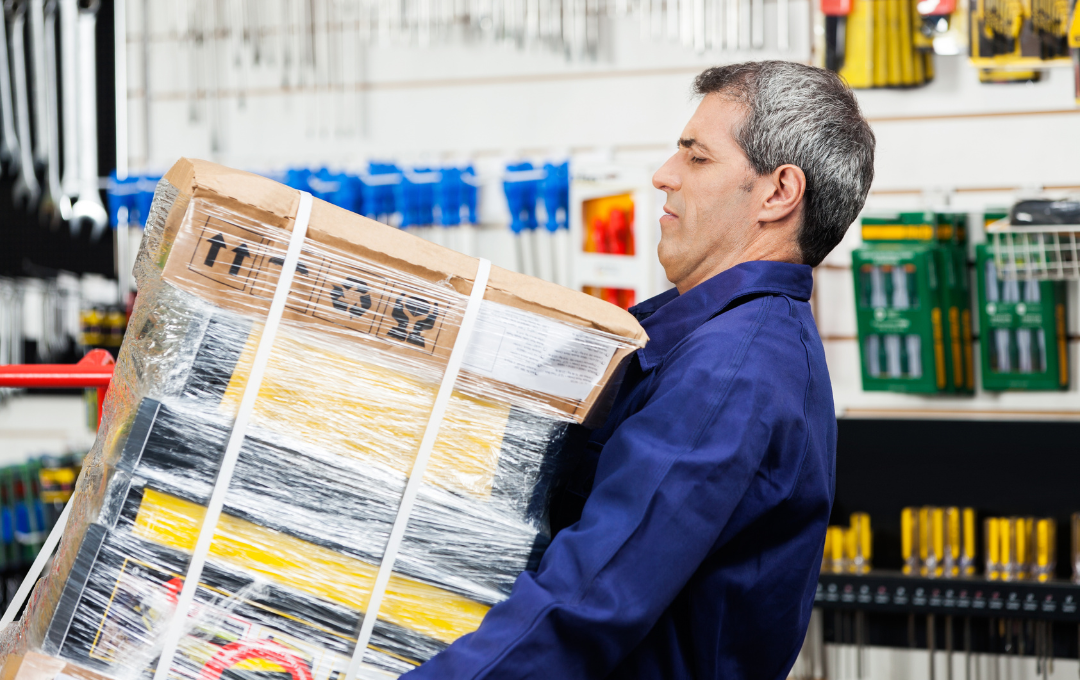
heavy lifting is a common cause of hemorrhoid flare ups

Causes Hemorrhoids Flare-Ups 

Hemorrhoids flare up because there’s too much pressure on the rectal veins, which are often worsened by the following contributing factors: 

  • Straining during bowel movements 
  • Sedentary lifestyle 
  • Constipation  
  • Diarrhea 
  • Heavy lifting or strenuous exercises  
  • Pregnancy 

Some risk factors cannot be controlled; however, addressing the ones you can manage will help ease the discomfort from flare-ups. 

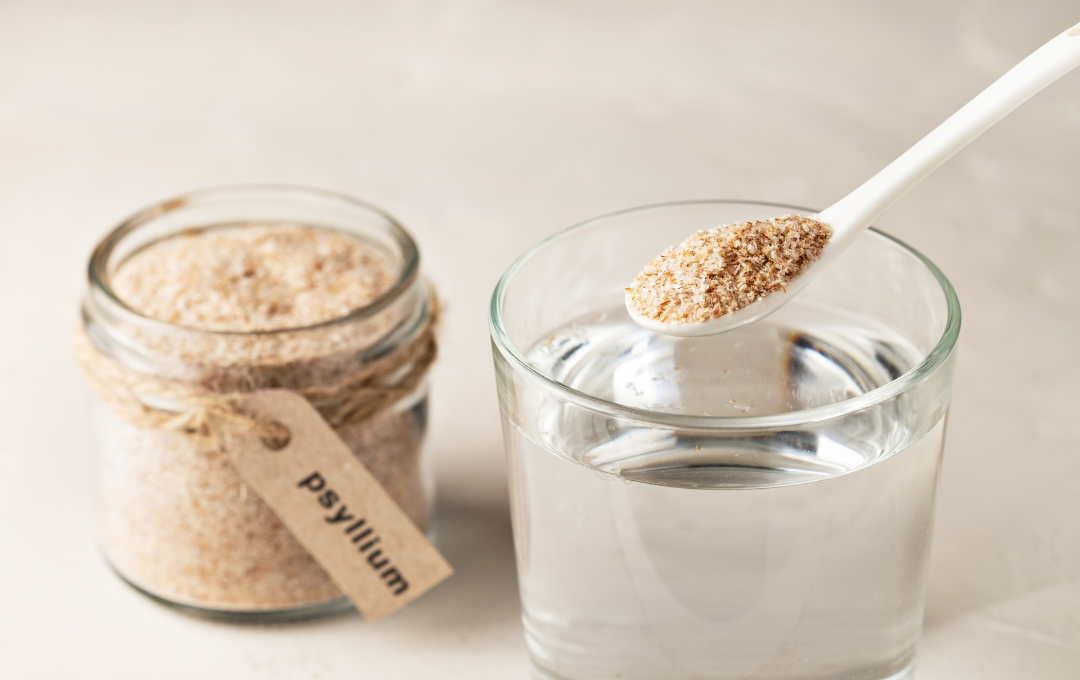
fiber is a common at-home method to manage hemorrhoid symptoms

Best Way to Treat Hemorrhoid Flare-Ups and What Not to Do 

Many hemorrhoids, especially external hemorrhoids, can be treated through self-care measures. This can include upping your fiber intake, using over-the-counter topical creams, taking sitz baths, and limiting how much time you spend on the toilet.  

In addition to these methods, you may want to avoid the following activities that worsen hemorrhoids: 

  • Eating foods that aggravate hemorrhoids, such as spicy food. 
  • Engaging in strenuous exercises that add pressure to the rectal veins. 
  • Over-cleaning the area may exacerbate the underlying inflammation. 

In many cases, those with internal hemorrhoids may still experience flare-ups despite taking these precautions.  

Other Activities to Avoid with Hemorrhoids

When a Flare-Up Signal a Need for Medical Attention

While most hemorrhoid flare-ups go away on their own, some do not. If your hemorrhoids are resistant to at-home methods and your symptoms continue after a week, you may need medical attention.  

If internal hemorrhoids are left untreated, you’re at an increased risk of prolapse. This occurs when the internal hemorrhoid becomes large enough to protrude from the anus. This can be very painful and can become permanent if it’s not addressed.   

hemorrhoid artery embolization for hemorrhoid flare ups

Hemorrhoid Artery Embolization (HAE): An Advanced, Minimally Invasive Treatment 

Hemorrhoid artery embolization (HAE) is a minimally invasive treatment option for persistent or prolapsed hemorrhoids. Instead of making major incisions to remove the hemorrhoidal tissue, an interventional radiologist uses ultrasound-guided imaging to find the arteries supplying blood to the hemorrhoid and block its blood flow, causing the hemorrhoid to shrink and reducing symptoms.  

HAE is a minimally invasive alternative to surgery. It requires no incisions, so recovery is typically quicker. It also preserves the hemorrhoidal tissue so that it continues to function normally. For some patients, especially those with conditions that make surgery risky, HAE has provided effective relief from severe hemorrhoid flare-ups. 

USA Hemorrhoid Centers’ team of interventional radiologists is experienced in HAE. They use evidence-based data to ensure they provide the best treatment for their patients. Endovascular Today, a renowned medical publication, has even noted that HAE is a safe procedure with effective results. Many people who received HAE still reported relief after a 12-month follow-up.

Discover How HAE Works

Find Lasting Relief from Hemorrhoid Flare-Ups at USA Hemorrhoid Centers 

Finding the right provider for a hemorrhoid treatment is crucial in finding effective relief. USA Hemorrhoid Centers uses a patient-focused approach to ensure people can not only find relief, but also understand their hemorrhoid flare-ups, from symptoms to risk factors and treatment options.  

Most health insurance plans cover hemorrhoid procedures when they are medically necessary, including Medicare and Medicaid. USA Hemorrhoid Centers offer instant insurance verification when people schedule their appointment online or call 855.805.4247 to ensure their consultation and treatment are covered.  

You don’t have to live with the pain and discomfort from hemorrhoids that flare up. Schedule an appointment today and start your path toward relief.  

Schedule an Appointment

Frequently Asked Questions About Hemorrhoid Flare-ups

Can hemorrhoid flare ups go away on their own?

In most cases, hemorrhoids that flare up can go away on their own with conservative treatment, such as upping fiber intake. However, some hemorrhoids do not react well to conservative treatments and may need medical treatment.

How long does a hemorrhoid flare-up last?

Most hemorrhoids can flare up within a few days to a week. If symptoms last longer than a week, it’s recommended to seek medical attention.  

Why do hemorrhoids flare up every time I defecate?

Hemorrhoids can flare up while you’re having a bowel movement because there’s increased pressure on the anal veins. This can be caused by straining during bowel movements or, in some cases, spending too much time on the toilet.

Can stress cause hemorrhoids to flare up?

Stress does not directly cause hemorrhoids; however, stress can lead to flare-ups because it can impact bowel movements and worsen hemorrhoid pain and swelling. 

Is Walking Good for Hemorrhoid Relief?

October 14th, 2025
02:53 PM

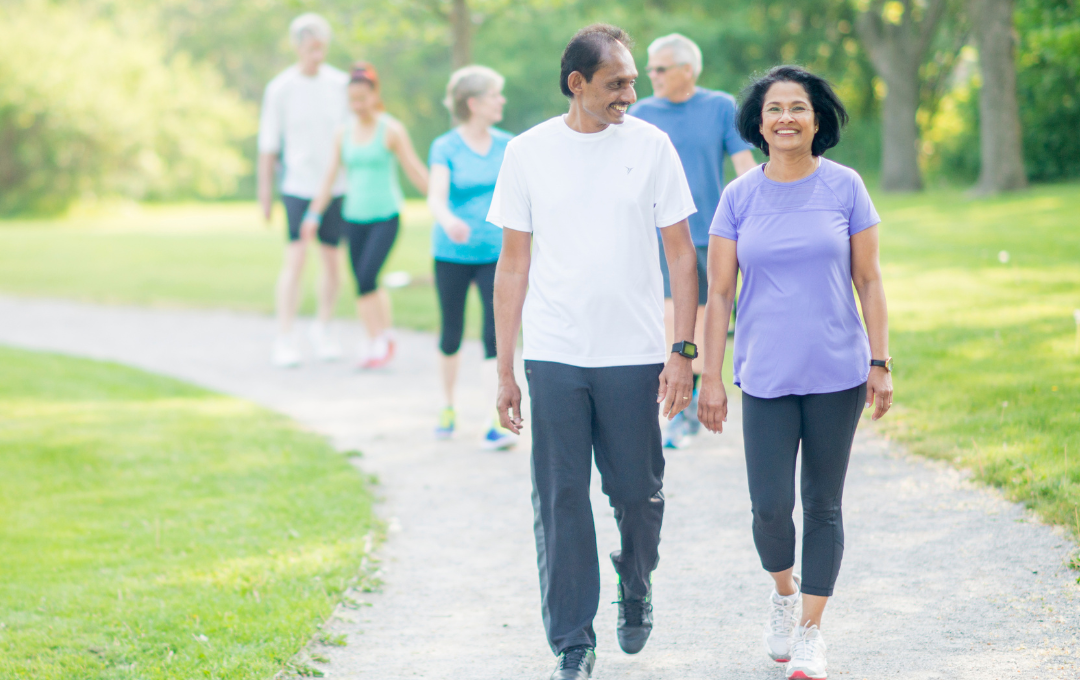
The sudden, often intense discomfort of hemorrhoids, swollen, painful veins in the rectum and anus, can stop you in your tracks. If you’re one of the millions looking for relief, you’ve likely searched for non-medical strategies. One of the first things that comes to mind is often gentle exercise. Is walking good for hemorrhoids? It’s a natural question, and the short answer is usually yes; walking is a simple, beneficial activity. 

However, if your symptoms are persistent, despite your best efforts, it’s time to connect with specialists to discuss modern, long-term options like hemorrhoidal artery embolization (HAE).

Let’s explore the benefits of walking as a supportive tool in your hemorrhoid care routine, and establish the connection to seeking specialized care when chronic symptoms demand a more definitive, minimally invasive treatment.

Hemorrhoid Symptoms To Look For

Benefits of Walking for Hemorrhoids

Walking is more than just a pleasant stroll; it’s a form of moving medicine that addresses several underlying issues contributing to hemorrhoid formation and flare-ups:

  • Improves Bowel Regularity: One of the most significant benefits is its effect on your digestive tract. Walking stimulates the gut, helping food move through your system efficiently. This regular movement can prevent constipation, a major cause of hemorrhoids, as it reduces straining during bowel movements.
  • Enhances Circulation: As you walk, your heart rate increases, sending blood flowing more efficiently throughout your body, including the pelvic area. Better circulation helps reduce swelling and inflammation in the hemorrhoidal veins, often providing a natural form of hemorrhoid relief.
  • Aids Weight Management: Maintaining a healthy weight is crucial in preventing hemorrhoids. Excess weight puts additional pressure on the rectal veins. Regular walking is an effective, low-impact way to manage weight and, in turn, reduce pressure on the affected area.
  • Stress Reduction: The general benefits of exercise, including the release of endorphins, improve your mood and reduce stress. While indirect, overall well-being is a key component of chronic symptom management.

Is Walking Good For Hemorrhoid Relief: Considerations and Cautions

While generally helpful, walking for hemorrhoid relief requires mindfulness and moderation. Your key is to walk smartly:

  • Listen to Your Body: If you are experiencing a severe flare-up, listen to your body. The intensity of your walk should be adjusted based on the severity of your pain. If walking causes sharp, increasing pain, stop and rest. Gentle movement is the goal, not a strenuous workout.
  • Proper Hydration and Diet: To maximize the anti-constipation effect of walking, ensure you are drinking plenty of water before, during, and after your activity. This must be paired with a high-fiber diet to keep stool soft and easy to pass.
  • Gear and Attire: Avoid friction and irritation by wearing loose-fitting, breathable clothing, particularly in the lower half. Choose cushioned, supportive shoes to minimize jarring impact.
  • Duration and Intensity: Start with short, gentle walks, think 15 to 20 minutes at a comfortable pace. Avoid long-distance or strenuous power walking during a painful flare-up, as the sustained impact could worsen symptoms.

Learn Activities To Avoid With Hemorrhoids

When to Avoid Walking and Seek Help

While walking is a positive step, it is not a cure. If your symptoms persist, worsen, or become severe, it is a clear signal that a gentle walk is no substitute for medical intervention.

Pause walking and seek medical advice immediately if you experience:

  • Excessive or heavy bleeding.
  • Sharp, severe, or debilitating pain.
  • A significant prolapse (when the hemorrhoid protrudes and won’t retract).

Chronic or recurring hemorrhoids mean the issue is likely a deep vascular problem that diet and lifestyle changes alone can’t fix. Connecting with a hemorrhoid specialist sooner is the fastest way to lasting relief.

Hemorrhoids Artery Embolization (HAE): A Modern Solution

When your efforts with walking and lifestyle changes fall short, a revolutionary, minimally invasive option is available: hemorrhoidal artery embolization (HAE).

HAE is an outpatient procedure performed by an interventional radiologist. It uses a small catheter to target and block the small arteries that supply blood to the hemorrhoids. By reducing the blood flow, the hemorrhoids naturally shrink over time.

The benefits of HAE include:

  • Minimally Invasive: No surgical incisions are required.
  • Fast Recovery: Patients typically return to normal activities quickly.
  • Effective: It targets the source of the problem for long-term relief.

Consult USA Hemorrhoid Centers For Hemorrhoid Relief

Walking is generally recommended as a gentle activity for managing and preventing hemorrhoids. We encourage you to incorporate light walking into your routine as part of a holistic approach to hemorrhoid care. However, if you are struggling with chronic symptoms despite these efforts, don’t suffer in silence or delay finding a lasting solution.

USA Hemorrhoid Centers is a national leader in providing focused, non-surgical hemorrhoid treatment. Our experienced hemorrhoid specialists offer accurate diagnosis and create personalized hemorrhoid artery embolization (HAE) treatment plans to help you quickly return to your regular activities pain-free. We prioritize accessible care by accepting most insurance plans and providing affordable payment options. Our commitment to excellent, patient-focused care has earned us accreditation from the AAAHC. 

If you’re struggling with internal hemorrhoid symptoms, find a clinic nearby and schedule a consultation. Addressing internal hemorrhoids early on is the best way to prevent further issues like prolapse, intense pain, or infection.

Contact a hemorrhoid specialist at USA Hemorrhoid Centers today to determine if hemorrhoidal artery embolization (HAE) is the right and effective path for you.

Find A Treatment Clinic Near You


Why Do Hemorrhoids Occur During Pregnancy?

October 6th, 2025
10:59 AM

Pregnancy causes significant physical shifts, though some are less openly discussed—such as hemorrhoids. These swollen rectal veins, which can cause pain, itching, and discomfort, are common during pregnancy. Understanding why they happen and what you can do about them is the first step toward relief. 

What Are Hemorrhoids?

Hemorrhoids are swollen blood vessels in the rectal or anal area, similar to varicose veins. They can occur inside the rectum (internal hemorrhoids) or around the anus (external hemorrhoids).  

Learn More About Internal vs. External Hemorrhoids

If you have hemorrhoids during pregnancy, you may notice symptoms such as: 

  • Itching or irritation around the anus 
  • Pain or discomfort, especially when sitting 
  • Swelling or a lump near the anus 
  • Bleeding during bowel movements 
  • A feeling of fullness in the rectal area 

What Increases Hemorrhoid Risk During Pregnancy? 

Pregnancy increases the risk of hemorrhoids, and existing hemorrhoids may become more painful or swollen as your body changes. Several factors work together to create added pressure in the rectal area: 

Hormonal Changes 

During pregnancy, higher levels of progesterone relax the smooth muscles of the digestive tract. While this helps your body adapt to pregnancy, it also slows down bowel movements. The result is constipation, which makes stools harder and more difficult to pass. Straining from constipation directly irritates rectal veins, making hemorrhoids more likely to form or worsen. 

Increased Pelvic Pressure 

As the uterus expands, it exerts more pressure on the veins in the lower pelvis and rectum. This added weight restricts blood flow, causing veins to swell. The further along you are in pregnancy, particularly in the third trimester, the more likely you are to feel this increased strain. 

Constipation and Straining 

Constipation is one of the most common triggers for hemorrhoids in pregnancy. Hard stools force you to push harder during bowel movements, which increases pressure on rectal veins. Over time, this pressure can cause the veins to bulge, resulting in painful or bleeding hemorrhoids. 

Bathroom Habits 

Spending too much time sitting on the toilet—whether scrolling on your phone or simply waiting—can worsen hemorrhoids. Sitting in this position puts added pressure on the rectum. Straining while on the toilet has the same effect, aggravating existing hemorrhoids and making new ones more likely to develop. 

Iron Supplements 

Many pregnant women are prescribed iron to support healthy blood levels, but high doses can cause or worsen constipation. This side effect makes hemorrhoids more likely to appear or become irritated. If you’re experiencing constipation from iron, ask your doctor about switching to a slow-release formula, adjusting your dosage, or adding stool-softening foods and fluids to your daily routine. 

How to Prevent Hemorrhoids During Pregnancy 

While you may not be able to avoid hemorrhoids completely, healthy daily habits can reduce your risk. 

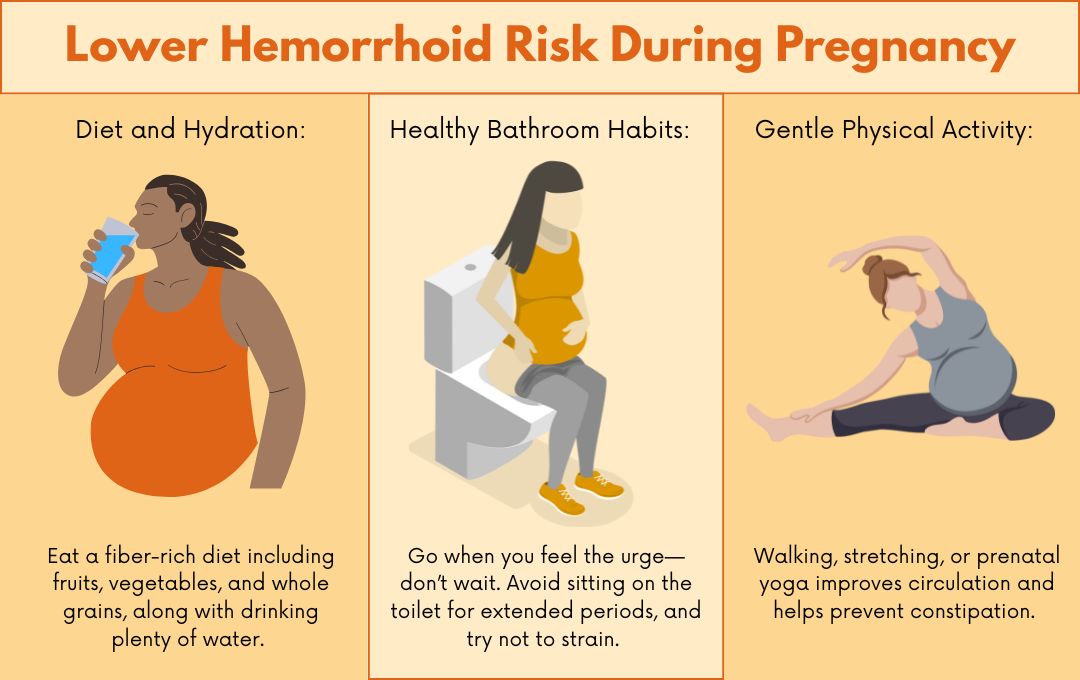
Diet and Hydration 

Aim for 25–30 grams of fiber per day from foods like berries, leafy greens, lentils, and whole grains. Start your morning with oatmeal topped with fruit and include vegetables with lunch and dinner. Drink at least 8–10 glasses of water daily to keep stools soft and digestion regular. Herbal teas and water-rich foods like cucumbers or watermelon can also help with hydration. 

Healthy Bathroom Habits 

Respond promptly when you feel the urge to have a bowel movement to avoid constipation. Limit toilet time to no more than 5 minutes per visit and keep your feet slightly elevated on a small stool to reduce strain. Avoid reading or scrolling on your phone in the bathroom, as this increases rectal pressure. 

Gentle Physical Activity 

Engage in 20–30 minutes of light movement most days of the week, such as walking after meals, prenatal yoga, or stretching exercises. Activities like pelvic tilts and gentle squats can also improve circulation and support bowel function. Always consult with your healthcare provider before beginning or adjusting your exercise routine. 

Safe Management of Hemorrhoids During Pregnancy 

If hemorrhoids do appear, several safe options can ease symptoms. 

At-Home Relief 

  • Warm sitz baths to soothe irritation 
  • Cold compresses to reduce swelling 
  • Witch hazel pads or unscented wipes for gentle cleaning 
  • Donut cushions to relieve pressure while sitting 

Medications With Doctor Approval 

  • Acetaminophen (Tylenol) may be safe for pain relief. 
  • Certain topical creams or suppositories may be prescribed, but only use under medical guidance. 

What to Avoid 

Skip strong steroid creams, oral hemorrhoid medications, or surgical procedures during pregnancy unless specifically recommended by a physician. 

Do Hemorrhoids Go Away After Pregnancy? 

In many cases, hemorrhoids shrink or disappear within a few weeks postpartum, especially with proper hydration, diet, and bowel habits. However, severe hemorrhoids or persistent constipation may cause them to linger. If symptoms continue, medical evaluation is important. 

When to See a Doctor for Hemorrhoid Symptoms 

Consult a healthcare provider if you experience: 

  • Persistent or heavy bleeding 
  • Severe pain that doesn’t improve 
  • Signs of infection or clotting 
  • Ongoing hemorrhoids despite home care 

If your symptoms do not resolve after delivery, treatment may be necessary. 

Minimally Invasive Hemorrhoid Relief After Pregnancy 

For women whose hemorrhoids persist after childbirth, hemorrhoid artery embolization (HAE) is a safe, nonsurgical treatment available at USA Hemorrhoid Centers. 

  • What it is: A minimally invasive, image-guided procedure that blocks blood flow to hemorrhoids, helping them shrink. 
  • Benefits: Outpatient care, quick recovery, and less invasive than surgery. 
  • Who may benefit: Those with severe or recurring hemorrhoids that do not respond to conservative care. 

USA Hemorrhoid Centers specialize in this advanced treatment, helping patients find relief without the downtime of surgery. 

Learn More About HAE

Frequently Asked Questions About Hemorrhoids and Pregnancy 

How Common are Hemorrhoids During Pregnancy? 

Hemorrhoids are very common during pregnancy, especially in the third trimester. Increased pelvic pressure and hormonal changes put pregnant women at higher risk. 

Can Hemorrhoids Harm My Baby?

No. While uncomfortable for you, hemorrhoids do not affect your baby’s health. 

What Can I Safely Use for Hemorrhoids While Pregnant? 

At home remedies like sitz baths, witch hazel pads, and doctor-approved topical treatments can provide relief for hemorrhoids during pregnancy. Always consult your provider before using medications. 

When Should I See a Doctor About Hemorrhoids During Pregnancy? 

If hemorrhoid symptoms like pain or bleeding become severe or if hemorrhoids don’t improve with self-care during pregnancy, seek medical attention. 

Can Hemorrhoids Reappear in a Future Pregnancy? 

Yes, hemorrhoids can return with subsequent pregnancies, but preventive steps like diet, hydration, and exercise can help. 

Can Stress Cause Hemorrhoids?

Can Stress Cause Hemorrhoids?
September 25th, 2025
12:37 PM

With the physical toll stress can have on the body, many people want to know if it’s possible that stress can cause hemorrhoids. Hemorrhoids are swollen veins located within the anus or rectum that can cause discomfort, itching, or bleeding. They are typically classified as either internal or external hemorrhoids. 

While stress doesn’t directly cause hemorrhoids, it can make them worse. By affecting digestion, bowel habits, and inflammation, stress often intensifies pre-existing hemorrhoid symptoms, especially for internal hemorrhoids. Understanding the connection between stress and hemorrhoids can help you recognize when it’s time to seek treatment from a specialist.

The Link Between Hemorrhoids and Stress

If you’ve ever asked yourself, “Does stress affect hemorrhoids?”, the answer is that while stress doesn’t directly cause hemorrhoids, it can make them significantly worse. 

Chronic stress disrupts normal digestive health and bowel regularity, which are major contributors to hemorrhoid flare-ups

Here is how  hemorrhoids and stress are connected:

  • Changes in bowel habits: Stress can lead to constipation or diarrhea, which irritates hemorrhoidal veins.
  • Increased inflammation: Dealing with stress increases inflammation in the body, making hemorrhoids more painful or swollen.
  • Stress-related Habits: Poor habits, such as prolonged sitting or diet, can further exacerbate hemorrhoids.

Ultimately, chronic stress continually strains the digestive system. Internal hemorrhoids are especially affected by bowel habits and rectal pressure since they form from weak rectal veins caused by persistent straining or pressure.

How Stress Affects Hemorrhoid Symptoms

Stress can intensify the symptoms of hemorrhoids, regardless of their type. In fact, one of the most overlooked stress-related hemorrhoid causes is how stress can disrupt healthy bathroom routines and increase rectal pressure. By disrupting bathroom routines and altering stool consistency, stress creates a cycle that can worsen hemorrhoids over time.

Other ways stress impacts hemorrhoid symptoms include:

  • Intensifying bleeding, prolapse, or rectal pressure
  • Causing harder stools that lead to more straining
  • Increasing awareness of discomfort and pain

Stress and the digestive system are deeply interconnected through a complex network known as the gut-brain axis. This connection can manifest in a variety of digestive symptoms, including nausea, stomach cramps, diarrhea, or constipation. When you are stressed, your body also tenses up, which can increase pressure in the rectal area.

  • Internal hemorrhoids are especially sensitive to digestive changes caused by stress. They are more likely to prolapse (push out of the rectum) or bleed when bathroom habits are irregular.
  • External hemorrhoids, on the other hand, may swell further or even become thrombosed (develop painful clots) during stressful periods.

Common Internal Hemorrhoid Symptoms Worsened by Stress

Not only is it common to wonder, “Can stress cause hemorrhoids?” but also what symptoms indicate that stress is one of the hemorrhoid causes.

Below are a few of the symptoms that are common with internal hemorrhoids and often worsen during stressful times:

  • Bleeding during or after bowel movements
  • A feeling of fullness in the rectum
  • Prolapse during straining
  • Mucus discharge or mild fecal leakage

Stress often contributes to these issues by making constipation worse or delaying healthy bathroom habits. Since stress and hemorrhoids can have such a profound impact on daily life, when these symptoms start appearing, it is a good time to consult a specialist about treatment. 

Meet with A Hemorrhoid Specialist

When to See a Specialist for Internal Hemorrhoids

When to See a Specialist for Internal Hemorrhoids

It is important to see a hemorrhoid specialist for a diagnosis if you experience any of the following:

  • Persistent Rectal Bleeding: Any rectal bleeding that lasts more than a few days, is heavy, or is accompanied by other serious symptoms should be evaluated by a doctor to rule out other, more serious conditions.
  • Ongoing Symptoms: If you have continued rectal pressure, discomfort, or a prolapsed hemorrhoid that interferes with your daily activities, it’s a clear sign that you need professional medical attention.
  • Symptoms that Impact Your Life: If hemorrhoid symptoms are significantly affecting your quality of life, a specialist can provide more effective and lasting treatment options.

An early and accurate diagnosis provides access to a broader range of effective non-surgical hemorrhoid treatments, such as hemorrhoid artery embolization (HAE).

Treatment for Persistent Internal Hemorrhoids

One advanced treatment is hemorrhoid artery embolization (HAE). An interventional radiologist performs this non-surgical procedure. It works by targeting the arteries supplying blood to internal hemorrhoids, so that they shrink and relieve symptoms. The minimally invasive approach is performed on an outpatient basis and often leads to a faster recovery with no hospital stay.

A few of the benefits of HAE treatment for hemorrhoids include:

  • No cutting, stitches, or removal of tissue
  • Less pain compared to traditional surgery
  • Quick recovery and return to normal activities
  • Long-lasting symptom relief

Regain Your Comfort Today

While stress and hemorrhoids are not directly connected, if you are experiencing chronic stress alongside persistent internal hemorrhoid symptoms, consult a specialist before symptoms get even worse. USA Hemorrhoid Centers’ nationwide interventional radiologists can help you find lasting relief from hemorrhoid symptoms with our advanced, non-surgical solutions.

Schedule Online Today

FAQs About Stress and Hemorrhoids

Can Stress Cause Piles?

Stress does not directly cause piles, also known as hemorrhoids; however, stress can lead to symptoms like poor digestion and unhealthy habits that increase your risk of developing hemorrhoids, or piles.

Can Stress Cause Hemorrhoids to Flare Up?

Stress does cause hemorrhoids to flare up by disrupting digestion and bowel habits. Stress can also lead to behavioral changes like prolonged sitting or standing, which increases pressure on the veins in the rectum, potentially contributing to hemorrhoid formation.

Is it Normal for Hemorrhoids to Bleed When You’re Stressed?

Stress can contribute to hemorrhoid bleeding by affecting your digestion, leading to constipation or diarrhea, and straining that can aggravate hemorrhoids. Consult a hemorrhoid specialist if bleeding persists or worsens.

Can Stress Cause Internal Hemorrhoids to Prolapse?

Stress doesn’t directly cause a prolapsed hemorrhoid, but it can lead to changes in bowel movements like constipation or diarrhea, which increases the risk of a hemorrhoid becoming prolapsed. 

How can I reduce my risk of stress-related hemorrhoids?

You can manage your stress and lower your risk by:

  • Practicing stress-management techniques like meditation, yoga, or deep breathing.
  • Eating a high-fiber diet and staying hydrated.
  • Maintaining regular bathroom routines and avoiding straining.
  • Taking breaks from prolonged sitting.

What Are the Alternatives to Hemorrhoid Surgery?

alternatives to hemorrhoid surgery
September 17th, 2025
11:33 AM

Almost everyone experiences symptomatic hemorrhoids from time to time. However, some may still experience bleeding, swelling, and discomfort even after exhausting self-care measures, such as topical creams or eating more fiber. If hemorrhoids are still causing discomfort after a few weeks, it may be time to seek medical attention. 

Surgery is one option to treat persistent hemorrhoid symptoms. Patients are typically recommended alternatives to hemorrhoid surgery, such as hemorrhoid artery embolization (HAE), which are minimally invasive and have a shorter recovery period. 

There are several alternatives to hemorrhoid surgery, and each one works differently to achieve similar results. Below, you’ll find everything you need to know about these hemorrhoid procedures. Understanding how these alternatives to hemorrhoid surgery work can help you determine which procedure is right for you.  

understanding hemorrhoids and treatment tiers
Internal hemorrhoids form inside the rectum, while external hemorrhoids develop underneath the skin surrounding the sphincter.

Understanding Hemorrhoids and Treatment Tiers

Hemorrhoids, which are swollen varicose veins in the rectum, can develop internally or externally. While external hemorrhoids are more common, they are easier to treat with self-care methods, whereas internal hemorrhoids are more likely to need medical intervention. While some symptoms of hemorrhoids may resolve on their own, it is important to see a doctor if you experience any rectal bleeding. 

Treatment for Internal Hemorrhoids

Doctors determine internal hemorrhoid treatments based on the hemorrhoid’s severity, which is graded as follows: 

  • Grade 1: early-stage internal hemorrhoid that may go unnoticed unless blood appears in the stool. 
  • Grade 2: the internal hemorrhoid starts protruding from the anus during a bowel movement but retracts on its own. 
  • Grade 3: the prolapsed hemorrhoid  may need to be manually pushed back in. 
  • Grade 4: the prolapse is permanent and painful. 

Hemorrhoid Grades Explained

Once the severity of the hemorrhoid is diagnosed, the doctor will recommend treatment options, which are classified into three tiers: 

Tier 1: Conservative Treatments  

Lifestyle and over-the-counter remedies are typically recommended for grade 1 and 2 hemorrhoids with mild rectal bleeding, itching, and swelling. 

Tier 2: Minimally Invasive Procedures  

This tier is meant for grade 2 and 3 hemorrhoids that are persistent or large. These alternatives to hemorrhoid surgery carry fewer risks because they don’t require incisions 

Tier 3: Surgical intervention

Surgery is better suited for more severe grade 4 hemorrhoids or hemorrhoids that are unresponsive to non-surgical treatments.  

A Closer Look at Hemorrhoid Treatments Tiers

Conservative hemorrhoid treatments
Eating more fiber is a common conservative treatment for minor hemorrhoids.

Conservative Treatments

Conservative treatments are defined as non-medical interventions that help manage symptoms. Some examples include exercising regularly and not straining during bowel movements.  

These treatments are often the first method people use to find relief, especially for those with mild grade 1 and 2 hemorrhoids. However, it usually isn’t effective for more advanced cases. 

Minimally Invasive Procedures

Minimally invasive procedures are the most common treatments for stubborn hemorrhoids. These procedures can be done in outpatient settings, allowing people to return home the same day. 

Hemorrhoid Artery Embolization (HAE)

HAE is a non-surgical, image-guided alternative to hemorrhoid surgery performed by an interventional radiologist to block blood flow to the hemorrhoids. 

Rubber Band Ligation

Small rubber bands cut off blood supply to the hemorrhoid, causing it to fall off.  

Sclerotherapy

Chemical solution is injected into the hemorrhoid to reduce blood flow and shrink hemorrhoids. 

Infrared Coagulation

Heat from infrared light causes blood clotting in the hemorrhoid, restricting blood flow and causing the hemorrhoid to shrink. 

Surgical Treatments 

Surgery is generally considered for people with severe hemorrhoids. One type of hemorrhoid surgery is hemorrhoidectomy, which is the surgical removal of hemorrhoidal tissue. The other is called a hemorrhoidopexy, in which a circular stapler is used to reposition the hemorrhoid in the anal canal and remove excess tissue.  

While these procedures are effective in removing symptomatic hemorrhoids, they carry risks, including infection, bleeding, and urinary retention.  

If you are unsure which option will best relieve your symptoms, a hemorrhoid specialist can guide you toward the most appropriate care.

hemorrhoid artery embolization is an alternative to hemorrhoid surgery
Hemorrhoid artery embolization (HAE) can be performed in a doctor’s office because the procedure is minimally invasive.

Hemorrhoid Artery Embolization in Detail

Hemorrhoid artery embolization (HAE) is an alternative to hemorrhoid surgery that can effectively reduce symptoms without the need for incisions, extensive preparation, or hospitalization. While hemorrhoid surgery requires the patient to do a full bowel preparation to clear the bowel 24 hours before the procedure, HAE doesn’t require this because it is performed through the vascular system. 

During HAE, an interventional radiologist will insert a catheter into a blood vessel. Using advanced medical imaging, the catheter is then guided to the arteries supplying blood to the hemorrhoid. Tiny particles are injected into those arteries, which will start reducing blood flow to the hemorrhoid and stop the bleeding.  

HAE is virtually painless and doesn’t require anesthesia, only mild sedation. The recovery period is shorter than surgery, and many patients still report symptom relief after a year. 

Discover the Benefits of HAE

Recovery Times for Hemorrhoid Procedures

The table below shows the average recovery times for each hemorrhoid procedure. In general, recovery from surgery will last longer than from a minimally invasive alternative. For example, HAE’s recovery time can last up to two days, while recovery from hemorrhoid surgery can last from weeks to months. 

 Procedure  Recovery   Time
 Hemorrhoid Artery   Embolization (HAE)  1-2 days
 Rubber Band Ligation  1-2 weeks
 Sclerotherapy  1-2 days
 Infrared Coagulation  1-2 weeks
 Hemorrhoidectomy  1-2 months
 Hemorrhoidopexy (Stapling)  2-4 weeks

a hemorrhoid specialist can recommend the best alternatives to hemorrhoid surgery

Choosing the Right Hemorrhoid Procedure

The right hemorrhoid procedure will depend on several factors, such as the hemorrhoid’s size, severity, and symptoms. It’s recommended to see a specialist, notably colorectal surgeons, gastroenterologists, or interventional radiologists, to discuss your hemorrhoid symptoms so that they can provide the best treatment option. 

USA Hemorrhoid Centers’ team of interventional radiologists specializes in hemorrhoid artery embolization, which is becoming a promising alternative to hemorrhoid surgery. Recognized by the Accreditation Association for Ambulatory Health Care, we ensure our patients receive the best hemorrhoid care in over 25 locations in Maryland, New York, New Jersey, Pennsylvania, Texas, Virginia, and Washington, D.C.  

Hemorrhoids don’t have to be forever. Schedule an appointment with a specialist today to get on track toward relief.  

Schedule an Appointment

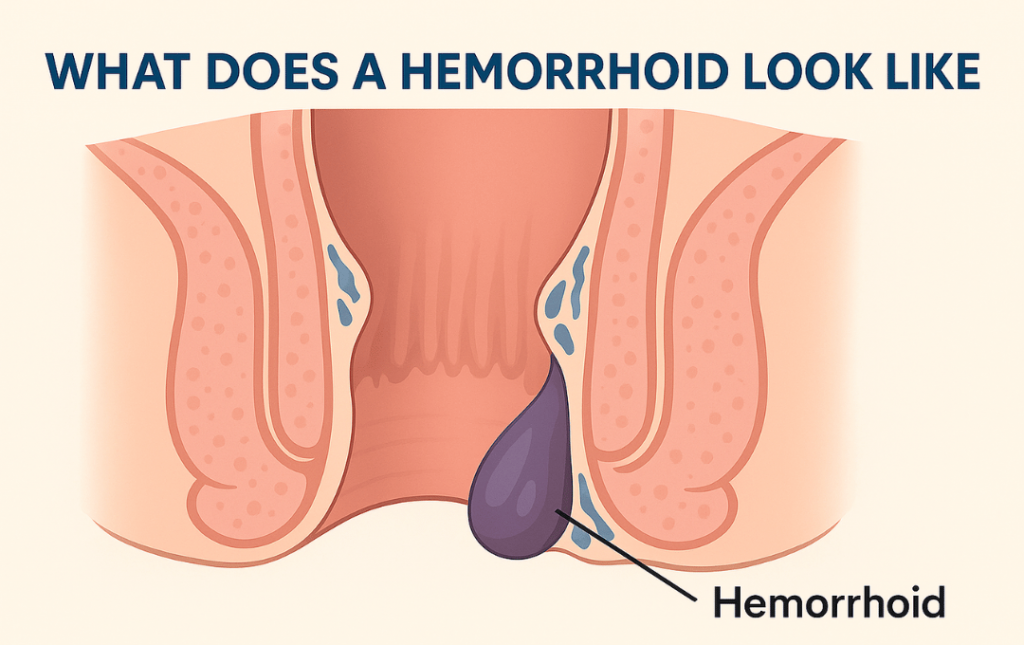
What Does a Hemorrhoid Look Like?

What Does a Hemorrhoid Look Like​?
September 3rd, 2025
05:45 PM

Hemorrhoids are swollen veins that are located in the anus or lower rectum. Their appearance varies depending on the type, severity, and whether they are internal or external. Hemorrhoids are often caused by prolonged sitting, straining during bowel movements, or other factors that increase pressure on the veins in the lower rectum. While some may appear as small, skin-colored bumps, others can be red, swollen, or even range from bluish to black if blood has pooled in the area. 

There are several hemorrhoid types, such as internal, external, prolapsed, thrombosed, and mixed. Every kind of hemorrhoid has a different appearance and set of symptoms. 

What Does an Internal Hemorrhoid Look Like?

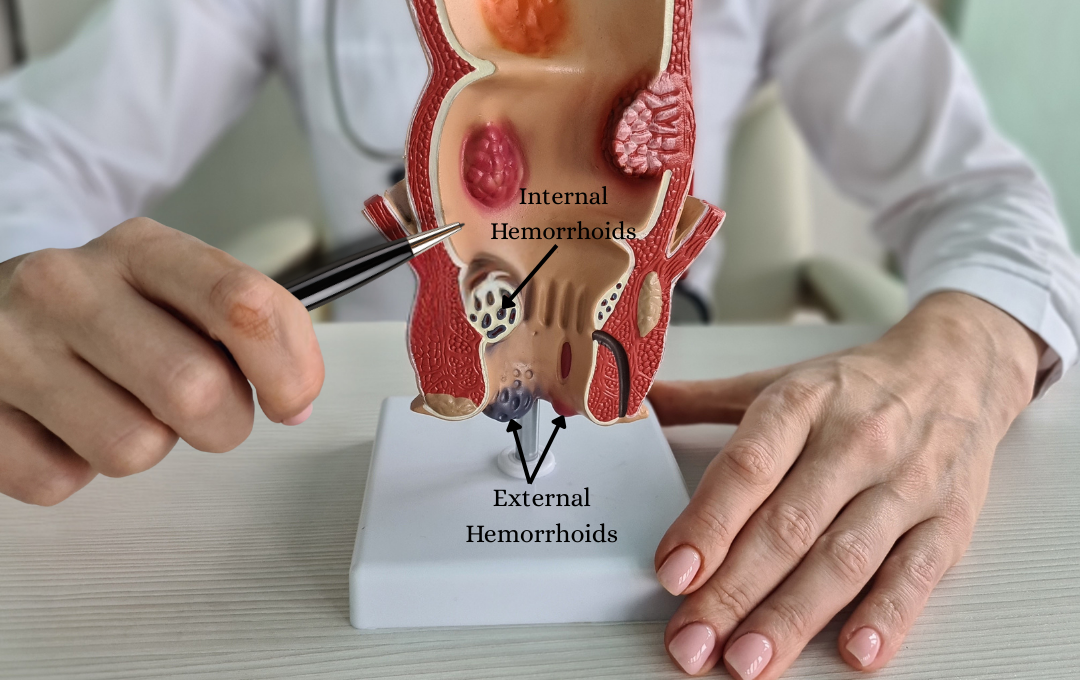
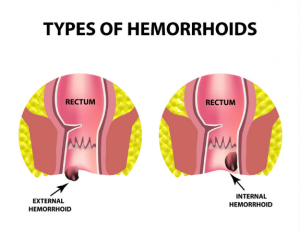
What Does an Internal and External Hemorrhoid Look Like?

Internal hemorrhoids are swollen veins that can develop inside the anal canal or in the lower rectum. Since internal hemorrhoids are inside the rectum, they are generally not visible to the naked eye. In some cases, especially during a bowel movement, internal hemorrhoids may protrude through the anus, appearing as moist, pinkish lumps. These are known as prolapsed hemorrhoids, which may cause other symptoms such as swelling, discomfort, or irritation around the anus.   

Learn More About Internal Hemorrhoids

What Does an External Hemorrhoid Look Like?

External hemorrhoids are visible lumps outside the anus that are typically more noticeable than internal ones, appearing as soft lumps or bulges and ranging in color from skin-toned to red or purple. External hemorrhoids are more likely to look purplish if they are thrombosed, meaning that blood has pooled in the vein and clotted, causing pain and swelling. 

This type of hemorrhoid may resemble skin tags and is often misdiagnosed as such. External hemorrhoids are generally located at the outer edge of the anus and can be felt easily. In severe cases, they may become swollen or irritated, causing increased pain and itching.

Signs You May Have a Hemorrhoid

Whether you have internal or external hemorrhoids, the symptoms you experience may vary depending on the type and severity. 

Some common signs of a hemorrhoid include:

  • Bright red blood during bowel movements
  • Itching or irritation around the anus
  • A palpable or visible lump near the anus
  • A feeling of pressure or rectal fullness
  • Pain or discomfort while sitting or passing stool

In the early stages, the signs of a hemorrhoid may be minimal and mistaken for other minor conditions. However, advanced hemorrhoids, especially those that are prolapsed or thrombosed , are easier to identify, often showing symptoms like pain or irritation to a more intense degree. Early-stage internal hemorrhoids rarely show visible signs, making it even more important to recognize subtle symptoms and consult a specialist for an accurate diagnosis and a tailored treatment plan.

MEET WITH A HEMORRHOID SPECIALIST

What Does a Hemorrhoid Feel Like?

What Does a Hemorrhoid Feel Like?

External hemorrhoids form under the skin around the anus and often cause noticeable discomfort or pain, especially when sitting for long periods or during bowel movements. This area is rich in pain-sensing nerves, which is why an external hemorrhoid can cause a sharp or throbbing pain accompanied by itching or irritation. Internal hemorrhoids form inside the rectum, which is part of the lower intestine. The lining of the rectum is not sensitive to pain, touch, or temperature, which is why they tend to be painless. You may only notice them through symptoms such as rectal bleeding or a feeling of fullness in the rectum, making them harder to detect without consulting a hemorrhoid specialist.

Hemorrhoids in Women vs Men: Is There a Difference?

Hemorrhoids typically present with similar appearances and symptoms in both women and men. However, women may be more prone to developing either external or internal hemorrhoids during pregnancy due to increased pelvic pressure, hormonal changes, and straining during labor. The visual appearance of hemorrhoids in women is not significantly different from that in men.

What Does a Hemorrhoid Look Like on a Woman During Pregnancy?

Pregnancy-related hemorrhoids often appear as visible, swollen lumps near the anus, especially in the third trimester or postpartum period. These hemorrhoids may develop externally or internally and are commonly irritated by the pressure from the growing uterus. 

When to Seek Help for Hemorrhoids

Hemorrhoids are classified into four stages. This classification can help you recognize the signs of a hemorrhoid, so you know when to consult a specialist about a potential diagnosis.

The four hemorrhoid stages include:

  • Grade 1: These are milder and often cause a small amount of bleeding as well as occasional anal itching.
  • Grade 2: Hemorrhoids in this stage may come out of the rectum during bowel movements, causing pain along with other internal hemorrhoid symptoms such as bleeding and increased irritation around the anal area.
  • Grade 3:  Internal hemorrhoids represent a significant stage of the condition where the hemorrhoidal tissue prolapses, or protrudes, from the anal canal during straining or a bowel movement. Unlike Grade 2 hemorrhoids, which spontaneously retract, Grade 3 hemorrhoids require manual reduction by the patient to be repositioned back inside the anal canal. Symptoms include significant pain, especially while sitting, inflammation, and intense irritation of the anal area.
  • Grade 4: These are the most severe and are unable to be pushed back inside the anus, causing them to be very painful. Along with persistent pain and ongoing bleeding, stage 4 hemorrhoids may lead to thrombosis (blood clot formation). 

While mild cases may resolve on their own, do not ignore persistent symptoms, such as pain, bleeding, or noticeable changes in appearance. If hemorrhoid symptoms begin interfering with your life, it’s time to seek expert care. Untreated hemorrhoids can lead to complications like thrombosis, infection, or chronic irritation.

Early diagnosis can prevent these complications and allow you more options for treatment, including hemorrhoid artery embolization (HAE). The diagnosis of hemorrhoids is generally a well-tolerated process. While hemorrhoids themselves can cause pain, particularly when thrombosed or prolapsed, the diagnostic process typically involves visual and physical examinations that are not inherently painful.

HAE is a non-surgical procedure specifically for internal hemorrhoids, offering relief from uncomfortable hemorrhoid symptoms like itching and rectal bleeding. With a high success rate and minimal risk of side effects, HAE is a good alternative to some of the more invasive hemorrhoid treatments like hemorrhoid removal surgery.

Why Choose USA Hemorrhoid Centers for Diagnosis and Care

If you think you are showing any potential signs of a hemorrhoid, the specialists at USA Hemorrhoid Centers can help you with a diagnosis and treatment. With locations nationwide and a team of experienced specialists, we make it easy for you to get the care you need. Don’t let hemorrhoid symptoms impact your quality of life. Schedule a consultation today at a USA Hemorrhoid Center near you.

Find a Clinic Near You