

USA Hemorrhoid Centers
77777777777

What Is the Main Cause of Hemorrhoids?

Main Causes of Hemorrhoids
May 6th, 2026
10:31 AM

Hemorrhoids are common, but that doesn’t make them any less frustrating. Symptoms like itching, pain, swelling, or rectal bleeding can interfere with daily life, especially when flare-ups keep returning.

The main cause of hemorrhoids is increased pressure in the rectal area, but several everyday habits and health factors can contribute to that pressure over time. Learning what may be triggering your symptoms can help you prevent flare-ups and recognize when it may be time to seek medical care.

Understanding Hemorrhoids

Hemorrhoids are swollen veins in the lower rectum or anus, similar to varicose veins that occur in the legs. They can be:
  • Internal hemorrhoids, which form inside the rectum
  • External hemorrhoids, which develop under the skin around the anus
Both types are caused by increased pressure on the veins in the rectal area, which is the central factor behind most cases.

Is Increased Rectal Pressure the  Main Cause of Hemorrhoids?

The primary cause of hemorrhoids is prolonged or repeated pressure on the veins in the rectum and anus. When these veins are under strain, they can stretch, weaken, and swell—leading to hemorrhoids.
This pressure doesn’t usually come from a single event. Instead, it builds up over time due to everyday habits, health conditions, or life stages.

Common Factors That Increase Pressure and Cause Hemorrhoids

1. Chronic Constipation and Straining

Straining during bowel movements is one of the most common contributors to hemorrhoids. Hard stools require more effort to pass, placing extra pressure on rectal veins.
Low fiber intake, dehydration, and delayed bathroom habits can all worsen constipation.

2. Prolonged Sitting—Especially on the Toilet

Sitting for long periods, particularly on the toilet, increases pressure in the anal and rectal area. This can happen when people:
  • Spend extended time scrolling on phones in the bathroom
  • Sit for long hours at work without movement
Over time, this constant pressure can contribute to hemorrhoid development.

3. Pregnancy and Childbirth

During pregnancy, the growing uterus puts pressure on pelvic veins, slowing blood return and increasing vein swelling. Hormonal changes can also weaken vein walls. How hemorrhoids develop and change can differ by stage of pregnancy, so this guide to pregnancy hemorrhoids by trimester explains what’s typical and when symptoms may need evaluation.
Vaginal childbirth further increases pressure during labor, making hemorrhoids common during and after pregnancy.

4. Obesity or Excess Body Weight

Carrying excess weight—especially in the abdominal area—adds constant pressure to the pelvic and rectal veins. This makes hemorrhoids more likely and can worsen existing symptoms.

5. Chronic Diarrhea

While constipation is a common trigger, frequent diarrhea can also irritate and inflame rectal tissues, leading to vein swelling and hemorrhoids.

6. Aging and Weakened Vein Tissue

As we age, the tissues that support veins in the rectum and anus can weaken and stretch. This makes hemorrhoids more likely, even without significant lifestyle changes.

Less Common, but Contributing Causes of Hemorrhoids:

  • Heavy lifting without proper technique
  • Family history of vein disease
  • Poor circulation or vein conditions
  • Low physical activity levels
These factors can worsen vein health and increase susceptibility to hemorrhoids.

When Hemorrhoids Become a Medical Concern

Mild hemorrhoids often improve with lifestyle changes, but persistent or worsening symptoms should not be ignored. You should consider medical evaluation if you experience:
  • Rectal bleeding
  • Ongoing pain or discomfort
  • Swelling that does not improve
  • Symptoms that interfere with daily life
Because symptoms of hemorrhoids can overlap with other conditions, proper diagnosis is important.

Treating the Cause of Hemorrhoids – Not Just the Symptoms

Many people focus on managing the symptoms of hemorrhoids, such as pain, itching, swelling, or bleeding, without addressing what may be contributing to the problem in the first place. While creams, wipes, and sitz baths may provide temporary relief, symptoms can continue to return if the underlying pressure on the rectal veins is not reduced.

Because the main cause of hemorrhoids is increased pressure in the rectal area, long-term management often involves identifying and addressing contributing factors such as chronic constipation, straining during bowel movements, prolonged sitting, pregnancy, obesity, or a low-fiber diet. Understanding why hemorrhoids flare up can help identify the habits and factors that may be causing symptoms to return. Lifestyle changes can help reduce flare-ups, but patients may require medical treatment depending on the severity of their hemorrhoids.

That’s why getting an accurate diagnosis is important. A hemorrhoid specialist can evaluate your symptoms, determine the type and severity of your hemorrhoids, and create a personalized treatment plan based on your condition and overall health.

For patients with persistent or advanced hemorrhoids, Hemorrhoid Artery Embolization (HAE) may be recommended. HAE is a minimally invasive, non-surgical procedure that works by reducing blood flow to the hemorrhoids, helping shrink the swollen tissue and relieve symptoms. By targeting the blood vessels feeding the hemorrhoids, HAE focuses on treating the condition itself — not just masking the symptoms.

Early diagnosis and treatment may help prevent hemorrhoids from progressing and improve your quality of life before symptoms become more severe.

Learn More about Hemorrhoid Artery Embolization

Key Takeaway on Main Causes of Hemorrhoids

The main cause of hemorrhoids is increased pressure on the veins of the rectum and anus, most often from straining, prolonged sitting, pregnancy, or excess weight. Understanding and addressing this pressure is the first step toward long‑term relief.
If hemorrhoid symptoms persist or return frequently, professional evaluation can help determine the most appropriate treatment path.

FAqs on the Main Cause of Hemorrhoids

What increases the risk of developing hemorrhoids?

Several factors can increase the risk of hemorrhoids, including chronic constipation, straining during bowel movements, prolonged sitting, pregnancy, obesity, heavy lifting, and a low-fiber diet.

Can sitting too long cause hemorrhoids?

Sitting for long periods, especially on the toilet, can increase pressure on the rectal veins and contribute to hemorrhoid development or worsening symptoms.

Do hemorrhoids go away on their own?

Mild hemorrhoids may improve with lifestyle changes, increased fiber intake, hydration, and avoiding straining. However, persistent or severe hemorrhoids may require medical evaluation and treatment.

How can I help prevent hemorrhoids?

You can help reduce your risk of hemorrhoids by eating a high-fiber diet, drinking plenty of water, exercising regularly, avoiding prolonged sitting, and not delaying bowel movements.

When should I see a hemorrhoid specialist?

You should see a specialist if you experience persistent pain, bleeding, swelling, itching, or hemorrhoid symptoms that interfere with daily activities.
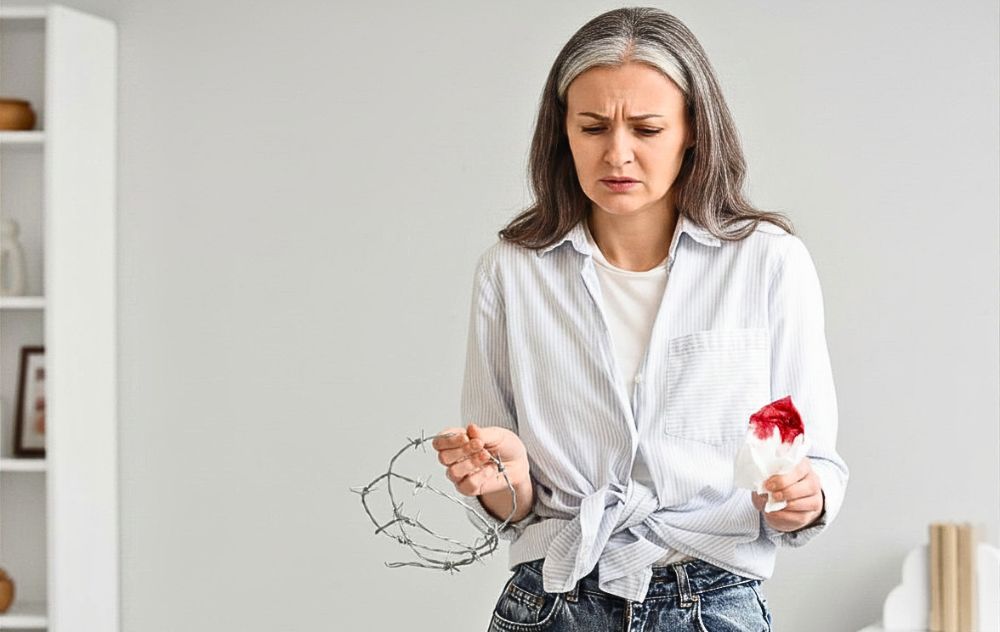
What Are Chronic Hemorrhoids?

woman with chronic hemorrhoids
April 27th, 2026
02:41 PM

If hemorrhoid symptoms keep returning no matter what you try, you may be dealing with chronic hemorrhoids. This is not the occasional flare‑up that settles down after a few days. Chronic hemorrhoids are defined by persistence, recurrence, and escalation, often leaving patients stuck in a cycle of temporary relief and ongoing frustration.

Many people with chronic hemorrhoids say the same thing:“They never fully go away.”

What Makes Hemorrhoids “Chronic”?

Chronic hemorrhoids are hemorrhoids that persist over time or recur frequently, despite lifestyle changes or temporary treatments. Instead of resolving within days or weeks, symptoms may continue for months or repeatedly return after brief improvement.
Signs of chronic hemorrhoids may include:
  • Ongoing or recurrent rectal bleeding
  • Persistent itching or irritation
  • Repeated swelling or inflammation
  • Discomfort or pain during daily activities
  • A sensation that hemorrhoids never fully go away
Chronic hemorrhoids are often associated with internal hemorrhoids, which may be less responsive to topical treatments or home remedies.

The Cycle That Keeps Hemorrhoids Chronic

Chronic hemorrhoids often develop because the underlying cause is never fully addressed.
Common patterns include:
  • Repeated straining or constipation that continues over time
  • Prolonged sitting, especially during bowel movements
  • Increased pressure on rectal veins that never fully resolves
  • Temporary symptom suppression without treating the source
When blood continues flowing into hemorrhoidal tissue, swelling and irritation return, even after symptoms briefly improve. This is why chronic hemorrhoids tend to flare again and again.

Why Chronic Hemorrhoids Feel Different

Patients with chronic hemorrhoids often notice that symptoms change over time. Bleeding may become more frequent. Itching may become constant. Swelling may take longer to calm down after each flare.
Chronic symptoms may include:
  • Recurrent rectal bleeding
  • Persistent itching or irritation
  • Ongoing swelling or pressure
  • Discomfort that interferes with daily activities
  • Symptoms that worsen instead of improve over time
At this stage, home remedies often stop being effective.

When Chronic Hemorrhoids Need Medical Treatment

If hemorrhoid symptoms keep returning despite dietary changes, hydration, and topical treatments, it may be time for medical evaluation. Chronic hemorrhoids are less likely to resolve on their own because the condition has moved beyond short‑term irritation.
Medical evaluation is especially important when:
  • Bleeding continues or increases
  • Symptoms last longer than a few weeks
  • Relief is short‑lived after treatment
  • Hemorrhoids interfere with work or daily comfort
Chronic hemorrhoids may require treatment that goes beyond surface‑level symptom relief.

Treating Chronic Hemorrhoids Without Surgery

For many patients, the idea of hemorrhoid surgery is what delays care. Fortunately, not all chronic hemorrhoids require surgical removal.
One advanced option for treating chronic internal hemorrhoids is Hemorrhoid Artery Embolization (HAE).

How Hemorrhoid Artery Embolization Works

Hemorrhoid Artery Embolization is a minimally invasive, non‑surgical procedure that targets the blood supply feeding hemorrhoids. By reducing blood flow to the affected tissue, hemorrhoids gradually shrink, helping relieve bleeding, pain, itching, and swelling over time.
HAE does not involve cutting or removing hemorrhoids and is designed to treat the condition at its source rather than repeatedly managing symptoms.

Why Chronic Hemorrhoids Deserve a Different Approach

Chronic hemorrhoids are not just “bad hemorrhoids.” They are a sign that the condition has become persistent and self‑sustaining. Treating them effectively often means shifting from short‑term fixes to targeted medical care.
With proper evaluation and access to advanced treatment options, many patients are able to break the cycle of recurring symptoms and achieve meaningful relief.

Moving Forward With Chronic Hemorrhoids

Living with chronic hemorrhoids can be physically uncomfortable and emotionally draining, especially when symptoms keep returning. Understanding why hemorrhoids become chronic is the first step toward choosing treatment that addresses the problem long‑term.
USA Hemorrhoid Centers focuses exclusively on advanced, minimally invasive hemorrhoid care, offering treatment options designed to help patients manage chronic symptoms and improve quality of life.