
The most common cause of rectal bleeding in middle-aged and older adults is hemorrhoids. Bleeding hemorrhoids typically occur when hard stool damages delicate vascular tissue during bowel elimination. Although rectal bleeding is one of the most frequent lower gastrointestinal symptoms, it is also one of the most misunderstood. Understanding why hemorrhoids bleed, what is considered normal, and when to seek a specialist evaluation helps ensure you receive an accurate diagnosis and prompt relief.
There are two primary types of hemorrhoids: internal and external. External hemorrhoids develop under the skin around the anus, while internal hemorrhoids are enlarged vascular cushions located inside the rectum. Although both types can bleed under pressure, internal hemorrhoids are significantly more likely to cause rectal bleeding as a primary symptom.
What Does Rectal Bleeding Mean?
Rectal bleeding refers to any blood that passes through the anus. It is commonly noticed on toilet paper, dripping into the toilet bowl, or mixed with stool during a bowel movement.
In the majority of cases, rectal bleeding stems from swollen internal hemorrhoids, especially when the blood appears bright red and completely painless. However, because rectal bleeding can also indicate other conditions along the digestive tract, receiving a professional evaluation from USA Hemorrhoid Centers is critical when symptoms become recurrent or persistent.
Why Hemorrhoids Bleed
Hemorrhoidal tissue consists of cushions of connective tissue and blood vessels lining the anal canal. These cushions naturally swell with blood during a bowel movement and return to normal size afterward. However, increased pressure or passage of hard stool can scrape or rupture these delicate blood vessel walls, leading to bleeding.
Primary Causes of Internal Hemorrhoid Bleeding:
Internal hemorrhoid veins can become inflamed due to increased pressure and other factors associated with the main causes of hemorrhoids. Sudden hemorrhoid flare-ups can also occur when constipation, changes in bowel habits, prolonged sitting, or other triggers quickly increase pressure on the rectal veins. Several of these triggers can also contribute to bleeding:
- Straining during bowel movements
- Chronic constipation or frequent diarrhea
- Increased abdominal and pelvic pressure (including pregnancy)
- Prolonged toilet sitting, including while using your phone
Stress can worsen hemorrhoids indirectly by affecting digestion and contributing to constipation or diarrhea, which may increase irritation and straining. Because internal hemorrhoids lack pain-sensing nerve endings, they frequently bleed without causing any discomfort in early stages.
What Does Hemorrhoid Bleeding Look Like?
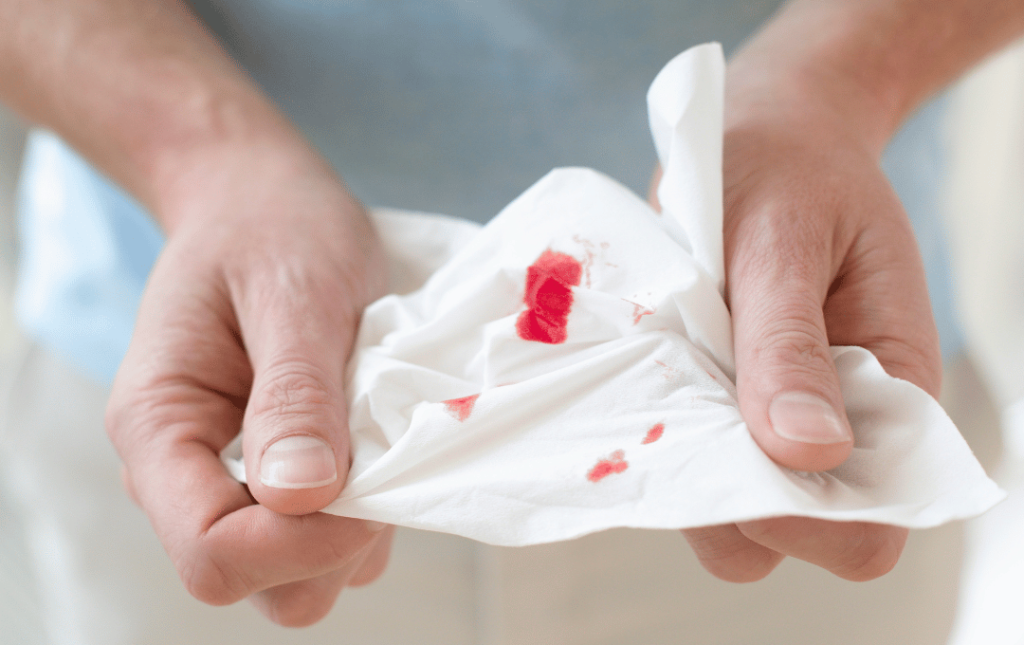
Bleeding caused by hemorrhoids typically presents with distinct characteristics:
- Bright red blood visible on toilet paper after wiping
- Drops of bright red blood dripping into the toilet bowl
- Faint streaks of blood on the surface of the stool
- Absence of severe pain during bleeding (typical of internal hemorrhoids)
How Much Bleeding Is Considered Normal?
A normal episode of hemorrhoid bleeding involves a few drops of bright red blood following a bowel movement. Understanding how much hemorrhoid bleeding is normal can help you recognize when bleeding may warrant medical attention. This bleeding may occur alongside other symptoms, including:
- Anal itching or skin irritation
- A feeling of pressure or swelling around the anus
- A small tissue bulge or lump near the anal opening
- Incomplete bowel evacuation feelings
External hemorrhoids bleed far less frequently unless they rupture due to a blood clot (thrombosis). However, hemorrhoids can cause tenderness without bleeding, particularly when swollen or irritated. Persistent, heavy, or dark red/maroon blood is not typical for simple hemorrhoids and warrants prompt medical care.
How Long Do Hemorrhoids Bleed?
Minor hemorrhoid bleeding often resolves within a few days once temporary bowel irritation or constipation subsides. Frequent diarrhea can also repeatedly irritate hemorrhoidal tissue and contribute to ongoing symptoms. However, bleeding can continue or recur regularly if straining persists. Prolapsed internal hemorrhoids (tissue that slips outside the anus) also lead to frequent, ongoing bleeding unless treated.
If rectal bleeding continues for more than 7 days, consult a hemorrhoid specialist to confirm the underlying cause and stop persistent blood loss.
Common Causes of Rectal Bleeding
While internal hemorrhoids represent the primary source of lower GI bleeding, several conditions present with similar symptoms:
1. Internal Hemorrhoids (Most Common)
Characterized by bright red, painless bleeding during bowel movements, often accompanied by tissue prolapse or fullness.
2. Anal Fissures
Small tears in the lining of the anal canal that cause sharp, cutting pain during bowel movements alongside small amounts of bright red blood.
3. Gastrointestinal & Colon Conditions
Conditions such as colon polyps, diverticular disease, inflammatory bowel disease (IBD), and colorectal cancer can cause rectal bleeding.
When to See a Hemorrhoid Doctor About Rectal Bleeding
Although occasional minor hemorrhoid bleeding is not immediately dangerous, chronic ongoing blood loss can lead to health complications such as fatigue, dizziness, and iron-deficiency anemia. In some cases, symptoms associated with blood loss may also explain the potential connection between hemorrhoids and headaches.
Schedule a medical evaluation if your bleeding:
- Persists for a week or longer
- Recurs repeatedly over time
- Is heavy or contains visible blood clots
- Appears dark red, maroon, or black in color
- Is accompanied by changes in bowel habits or unexplained weight loss
How Rectal Bleeding Is Evaluated and Treated
At USA Hemorrhoid Centers, evaluation focuses on pinpointing the exact source of bleeding through a comprehensive medical history review and physical examination. Once internal hemorrhoids are identified as the culprit, our specialists can treat the issue without surgery.
Non-Surgical Solution: Hemorrhoid Artery Embolization (HAE)
For patients with persistent or recurrent internal hemorrhoid bleeding, Hemorrhoid Artery Embolization (HAE) provides an advanced non-surgical alternative. HAE targets the underlying root cause by safely blocking the primary blood vessels feeding the swollen hemorrhoid tissue.
Benefits of Hemorrhoid Artery Embolization:
- Non-Surgical & Incision-Free: No surgical cutting or tissue excision in sensitive rectal areas
- Stops Bleeding at the Source: Shrinks internal vascular cushions naturally
- Outpatient Procedure: Performed under image guidance with quick discharge the same day
- Rapid Recovery: Minimal downtime allowing patients to resume normal routines quickly
Learn more about the benefits of Hemorrhoid Artery Embolization (HAE) to see if this procedure is right for you.
Take Control of Your Health
Get Relief From Bleeding Hemorrhoids Today
If you are experiencing ongoing rectal bleeding, our compassionate specialists at USA Hemorrhoid Centers are available at clinics nationwide to help you get the personalized, non-surgical care you deserve.
FAQs About Hemorrhoid Bleeding
Sources
- Sabry AO, Sood T. Rectal Bleeding. [Updated 2023 Jul 31]. In: StatPearls [Internet]. Treasure Island (FL): StatPearls Publishing; 2024 Jan-.
- Sun Z, Migaly J. Review of hemorrhoid disease: Presentation and management. Clinic Colon Rectal Surg. 2016;29(1):22-29. doi:10.1055/s-0035-1568144
Dr. Pridjian and his staff were extremely knowledgeable, professional, friendly, patient, and put me at ease as I was very nervous. The procedure went exactly it had been explained to me. I would highly recommend Dr. Pridjian and his team!
Dr. Reichman did his job competently and professionally. He is a credit to his profession. His assistant, nurse Kenya was professional, courteous, comforting, and definitely competent during the procedure. They are lucky to have her on their team.
Very helpful staff who made me feel comfortable. The provider was fantastic and I’m actually looking forward to my procedure. 🤞🏻
Dr. Reichman is the best! I’m super glad I decided to get my procedure with him.
Ease access, friendly staff and excellent doctor! I totally recommend!
Doctor Reichman is Fantastic!! Made me feel totally comfortable and at ease with procedure. Now I have no more symptoms!! Free after 20 years of discomfort.
Highly recommended! They made my whole process from original consultation to procedure a great experience!
Just unbelievable! All the staff taking care of you - every human person there - made the experience was mind blowing. Thank you to everyone! Very amazing experience at USA Hemorrhoid Centers!
Excellent place and the service is top notch!
USA Hemorrhoid Centers tool very good care of my needs! From beginning to the end very professional - would recommend any time.
The staff was welcoming, professional, and made me feel comfortable from the moment I walked in. The provider took the time to explain everything clearly and answered all my questions. The procedure was smooth and efficient, and overall I felt very well taken care of. Highly recommend!
I would recommended anyone needing instant relief of hemorrhoids! GREAT doctors and true professionals!
I highly recommend this place to anyone. Everyone was super friendly and professional and made my whole experience better than I could have expected. If you need a Hemorrhoid Artery Embolization, I highly recommend.
That’s a good place to receive better treatment of Hemorrhoids. You will get a good care of what you are looking for. Dr. Aaron D. Reichman is an amazing person.
Everything done professionally and the staff was super friendly and attentive!
USA Hemorrhoid Centers was very friendly and professional. Getting appointments, making any adjustments, and check in was very easy. My HAE procedure was delayed due to a snow storm. Althought it was an inconvenience, the office reached out to me and did everything possible to reschedule and assist me. I was able to get my procedure done the next day! Dr. Reichman is an excellent doctor. Friendly, knowledgeable, and very experienced in hemorrhoid artery embolization. I felt comfortable the whole time, from consultation to post-procedure. Couldn't have had a better experience.
It was a very good experience from the attention with the nurses and the doctor!
The doctor was great. Very good experience. My procedure was a success, they are very pleasant, helpful and respectful to me and my husband.
The doctor and staff are wonderful. it was my first procedure ever and they made me very comfortable with explaining the procedure step by step. Also, his assistant was very nice. She took very good care of me and I appreciate her so much! 10/10 recommend.
The staff was very helpful and professional. The doctor explained the procedures and he helped me make the best decision.
The doctor was wonderful. He explained all symptoms and detailed the procedure. After receiving my treatment, I feel much much better! USA Hemorrhoid Centers, Dr. H and his staff are excellent!!!!
I recently underwent a nonsurgical procedure that provided better results than the surgeries I already had to address the issues. Dr. Taghipour expertly walked me through each step and patiently answered all my questions. The procedure was comfortable with minimal downtime, and I noticed positive results quickly. The office was modern and clean, while the nurses provided attentive, personalized care. I highly recommend this nonsurgical option and Dr. Taghipour’s practice to anyone with similar concerns.
Great experience!!! This is the place to go to if you are dealing with hemorrhoids issues!

The staff was very helpful and professional. The doctor explained the procedures and he helped me make the best decision.

Dr G and whole staff are incredible. My hemorrhoid procedure was completely painless and effective
 Ivan G.
They explained everything I needed to know about the HAE procedure in a very easy-to-get way, by the time of the procedure, I had no fear or doubt that I was on the right place.
 Abe K.
I am so glad to have gone to USA Hemorrhoid Centers. My experience has been amazing. The staff are all so friendly but professional. The doctor is wonderful and in his professional manner makes you very comfortable and explains anything you have questions about. So very happy.

USA Hemorrhoid Centers all staff were incredible. They communicated throughout and checked in frequently to ensure I was as comfortable as possible. I am happy I chose to get the treatments and look forward to the improvements.