
USA Hemorrhoid Centers
77777777777

Can Hemorrhoids Stop You from Defecating?

Can Hemorrhoids Stop You from Defecating
November 16th, 2024
10:21 AM

Hemorrhoids are swollen veins in the rectal or anal area, often caused by straining during bowel movements, chronic constipation, or increased pressure in the lower rectum due to factors like pregnancy. While they are usually associated with discomfort, pain, or bleeding, one question commonly arises: Can hemorrhoids actually stop you from defecating?

The short answer is that hemorrhoids themselves do not physically block the process of defecation. However, their symptoms can indirectly lead to challenges with bowel movements. Let’s delve into the relationship between hemorrhoids and defecation and explore how to manage related difficulties.

How Hemorrhoids Affect Bowel Movements

While hemorrhoids can cause bowel discomfort, their symptoms can create physical and psychological barriers that make defecation difficult or painful.

Pain and Discomfort
Pain is a primary symptom of hemorrhoids, especially external ones or prolapsed internal hemorrhoids. When bowel movements are painful, individuals may consciously or subconsciously delay defecation to avoid discomfort. This delay can lead to harder stools and worsen the condition.

Rectal Pressure and Fullness
Internal hemorrhoids, particularly when prolapsed, can create a sensation of fullness in the rectum, making it feel as though the bowels are not completely emptied. This sensation can confuse individuals about whether they need to defecate or are experiencing a blockage.

Bleeding and Fear of Worsening Symptoms
The sight of blood during bowel movements can be alarming and cause individuals to avoid going to the bathroom. However, this avoidance often exacerbates the condition, as hard stools from delayed defecation can worsen hemorrhoids.

Can Hemorrhoids Physically Block the Anus?

In rare cases of severe prolapsed hemorrhoids, where internal hemorrhoids protrude outside the anus and cannot be pushed back, there can be temporary physical obstruction. This condition may make it difficult for stool to pass comfortably.

Additionally, large thrombosed external hemorrhoids (blood clots within hemorrhoids) can cause significant swelling around the anal opening, leading to difficulty initiating or completing a bowel movement.

Distinguishing Between Hemorrhoids and Other Causes of Obstruction

While hemorrhoids can make defecation uncomfortable, true physical obstruction is usually caused by other medical conditions, such as:

  • Fecal impaction: Hardened stool stuck in the rectum.
  • Rectal or anal strictures: Narrowing of the anal canal due to scar tissue or inflammation.
  • Tumors or polyps: Abnormal growths in the rectum or anus.

If you experience persistent difficulty in passing stool or feel blocked, it’s essential to consult a healthcare provider to rule out these conditions.

How to Manage Bowel Movements with Hemorrhoids

Soften Stools
Softening stools reduces the strain during bowel movements and minimizes irritation to hemorrhoids.

  • Increase dietary fiber intake with fruits, vegetables, whole grains, and supplements.
  • Stay hydrated by drinking plenty of water throughout the day.
  • Consider over-the-counter stool softeners if recommended by a doctor.

Relieve Hemorrhoid Symptoms

  • Use sitz baths (warm water baths for the anal area) to reduce swelling and pain.
  • Apply over-the-counter hemorrhoid creams or suppositories for temporary relief.
  • Avoid using dry toilet paper; instead, use moistened wipes or rinse with water.

Avoid Straining

  • Respond to the urge to defecate promptly.
  • Use proper posture by leaning forward slightly with feet elevated on a stool.
  • Take your time to avoid unnecessary pressure on the rectal area.

Seek Medical Help
If hemorrhoid symptoms persist or worsen, consult a doctor. Treatments like rubber band ligation, sclerotherapy, or minimally invasive procedures such as hemorrhoid artery embolization can provide long-term relief.

When to See a Doctor

If you experience any of the following, consult a healthcare professional immediately:

  • Persistent difficulty in passing stool.
  • Severe pain or swelling in the anal area.
  • Large amounts of blood during bowel movements.
  • A feeling of complete obstruction or prolapsed hemorrhoids that won’t go back in.

Schedule A Consultation Today

FAQs About Hemorrhoids and Defecation

Can hemorrhoids cause constipation?

Hemorrhoids don’t cause constipation directly, but pain and fear of discomfort can lead to delaying bowel movements, contributing to constipation.

Why does it feel like I can’t completely empty my bowels with hemorrhoids?

Prolapsed internal hemorrhoids can create a sensation of fullness, making it feel as though stool is still present even after defecation.

Should I avoid defecating if it’s painful with hemorrhoids?

No. Avoiding defecation can lead to harder stools and worsen hemorrhoids. Use treatments to manage pain and soften stools instead.

What’s the best position for defecation with hemorrhoids?

Squatting or leaning forward with knees elevated (using a stool) helps reduce strain on the rectum.

When is surgery needed for hemorrhoids?

Surgery may be necessary for severe, prolapsed, or thrombosed hemorrhoids that don’t respond to other treatments.

Can hemorrhoids go away on their own?

Mild hemorrhoids may improve with dietary changes and symptom management, but more severe cases often require medical treatment.
What Happens When Hemorrhoids Are Left Untreated?

What Happens When Hemorrhoids Are Left Untreated
October 15th, 2024
09:00 AM

Most people will develop hemorrhoids at some point in their lives. They’re the fourth most diagnosed issue affecting the gastrointestinal system, and they can affect almost anyone — men, women, the young, and old. In many of those cases, hemorrhoids will go away without treatment. In the United States, roughly 10 million people have hemorrhoids, yet only 60% of those are even symptomatic.1

However, that doesn’t mean hemorrhoid symptoms should be overlooked. Leaving hemorrhoids untreated or delaying treatment can lead to worsening symptoms and potentially serious complications. Untreated hemorrhoids can also cause emotional stress and affect your quality of life. 

If you have hemorrhoids, it’s important to understand what can happen when they go untreated and when to see a doctor.

Schedule A Consultation Online

What Are the Short-Term Effects of Untreated Hemorrhoids?

In the short term, untreated hemorrhoids can cause increased discomfort and pain. The inflammation and swelling can get worse, making the hemorrhoids larger and more uncomfortable.

It might also become more and more challenging to do everyday activities, like sitting down to work, eat a meal, or use the bathroom. Even walking around can become uncomfortable if a large external hemorrhoid exists or an internal hemorrhoid becomes prolapsed (falls out of the anus). 

What Are the Long-term Risks of Leaving Hemorrhoids Untreated?

What Are the Long-term Risks of Leaving Hemorrhoids Untreated

In the long term, untreated hemorrhoids can also put a person at risk for complications. 

Anal Fissures

An anal fissure is a tear in the tissue lining the anal canal. Hemorrhoids don’t directly cause anal fissures, but the chronic irritation to anal tissue from an untreated hemorrhoid can lead to a tear. This complication can cause sharp pain and bleeding, making dealing with hemorrhoids even more challenging. 

Thrombosis

A thrombosed hemorrhoid is a hemorrhoid with a blood clot. Thrombosed hemorrhoids can cause excruciating pain and become very swollen. If it keeps filling with blood and other fluids, it can burst and lead to intense bleeding. A burst hemorrhoid can also cause nausea, dizziness, and abdominal pain. 

Anemia

The main symptom of internal hemorrhoids is blood in the stool. Over time, this blood loss can become more frequent and severe, increasing the risk of anemia. 

With anemia, there aren’t enough healthy red blood cells to transport oxygen to the body’s tissues. This can cause weakness and fatigue. 

Infection

Another major risk of untreated hemorrhoids is an infection. Hemorrhoids that persist for years can develop open sores and become infected. Thrombosed hemorrhoids can also become infected if the blood supply is cut off. An infection caused by hemorrhoids might require antibiotics or other medical treatment. 

Leaving a hemorrhoid untreated can also cause psychological distress. Having a large, swollen lump near the anus can make someone feel self-conscious. The persistent pain and discomfort can be stressful, and the feeling of embarrassment can lead to social withdrawal. 

It’s important to know that hemorrhoids aren’t something to be ashamed of. With today’s medical technology, there are safe, effective, non-surgical ways to treat hemorrhoids, allowing people to get relief without having to remove rectal tissue or undergo a painful surgical procedure.

At USA Hemorrhoid Centers, we offer hemorrhoid artery embolization (HAE), a non-surgical procedure with a short recovery time and low risk of complications. 

When to See a Hemorrhoid Doctor

When to See a Hemorrhoid Doctor

If symptoms like itching, bleeding, and pain from hemorrhoids don’t decrease after one week, it’s a good idea to schedule a consultation with a specialist. Hemorrhoids can last for months or even years, and they can affect your health and your self-esteem. They can also be more challenging to treat as they become more severe, so getting treatment early is recommended. 

USA Hemorrhoid Centers is a leading network of hemorrhoid centers specializing in internal hemorrhoid treatment. Our team of expert doctors takes the time to determine the best treatment for each individual and develops a personalized treatment plan to help them experience symptom relief and prevent future hemorrhoids. 

We have locations nationwide. Find a clinic near you today and schedule a consultation, or call 855.805.4247. Our treatment centers accept most types of insurance.

Find a center near you

Frequently Asked Questions

How long do hemorrhoids last if untreated?

Minor hemorrhoids can take a few days to heal and respond well to at-home remedies like increasing fiber intake, drinking more water, and topical creams or ointments. Moderate to severe hemorrhoids can persist for weeks, months, or longer. Once they’ve become enlarged and more severe, they’re less likely to go away without medical treatment.

Are untreated hemorrhoids dangerous?

In minor cases, untreated hemorrhoids aren’t dangerous. However, serious health issues resulting from hemorrhoids do happen — they are responsible for 3.3 million ambulatory visits in the US each year.2

These swollen veins, if ignored for too long, can lead to potentially dangerous complications and cause serious symptoms, including severe pain, discomfort, and blood loss.

Do untreated hemorrhoids cause colon cancer?

Hemorrhoids don’t cause colon cancer. However, there are studies suggesting that people with hemorrhoids are at a higher risk for colon cancer.3

Are untreated hemorrhoids likely to reoccur?

Hemorrhoids can reoccur if there’s more pressure on the veins near the anus and rectum. Straining during bowel movements, pregnancy, and pressure from being overweight can also contribute to the development of new hemorrhoids.

Sources

  1. Sun, Z., & Migaly, J. (2016). Review of Hemorrhoid Disease: Presentation and Management. Clinics in colon and rectal surgery, 29(1), 22–29. 
  2. Kibret, A. A., Oumer, M., & Moges, A. M. (2021). Prevalence and associated factors of hemorrhoids among adult patients visiting the surgical outpatient department, in the University of Gondar Comprehensive Specialized Hospital, Northwest Ethiopia. PloS one, 16(4), e0249736. 
  3. Wu, E. B., Sung, F. C., Lin, C. L., Wu, K. L., & Chen, K. B. (2021). Colorectal Cancer Risk in Patients with Hemorrhoids: A 10-Year Population-Based Retrospective Cohort Study. International journal of environmental research and public health, 18(16), 8655.

Do Internal Hemorrhoids Go Away On Their Own?

Do Internal Hemorrhoids Go Away On Their Own
September 10th, 2024
07:19 PM

If you are struggling with internal hemorrhoids, you are likely seeking relief and hoping for a solution. Internal hemorrhoids can be difficult to get rid of. They can also be extremely uncomfortable and put you at risk of concerning health issues, such as blood loss or an infection.

Hemorrhoids sometimes go away on their own with a few simple lifestyle changes.

However, that doesn’t mean you should ignore symptoms of internal hemorrhoids and hope for the best.

Knowing when to see a doctor about your symptoms is important if they don’t go away. Seeing an Interventional Radiologist can be valuable because they have an in-depth knowledge of blood vessels and their associated conditions, including hemorrhoids. They specialize in performing minimally invasive procedures that offer a less invasive and often more effective approach to treating hemorrhoids.

If you have internal hemorrhoids, understanding how to manage them effectively and when to consult a doctor is essential. Discover tips for relieving painful hemorrhoid symptoms and when you need to seek professional medical attention.

Schedule A Consultation

What Are Internal Hemorrhoids?

Internal hemorrhoids are swollen cushions of veins and other tissue inside the rectum. Unlike external hemorrhoids, which are located outside the rectum, you can’t see or feel internal hemorrhoids.

Internal hemorrhoids are less likely to resolve on their own compared to external hemorrhoids and can lead to more serious symptoms if left untreated. For this reason, most medical treatments for hemorrhoids are designed to target internal hemorrhoids rather than external ones.

Symptoms of Internal Hemorrhoids

Internal hemorrhoids aren’t always painful. However, they can cause itching, irritation, and a feeling of pressure in the rectum when you have a bowel movement.

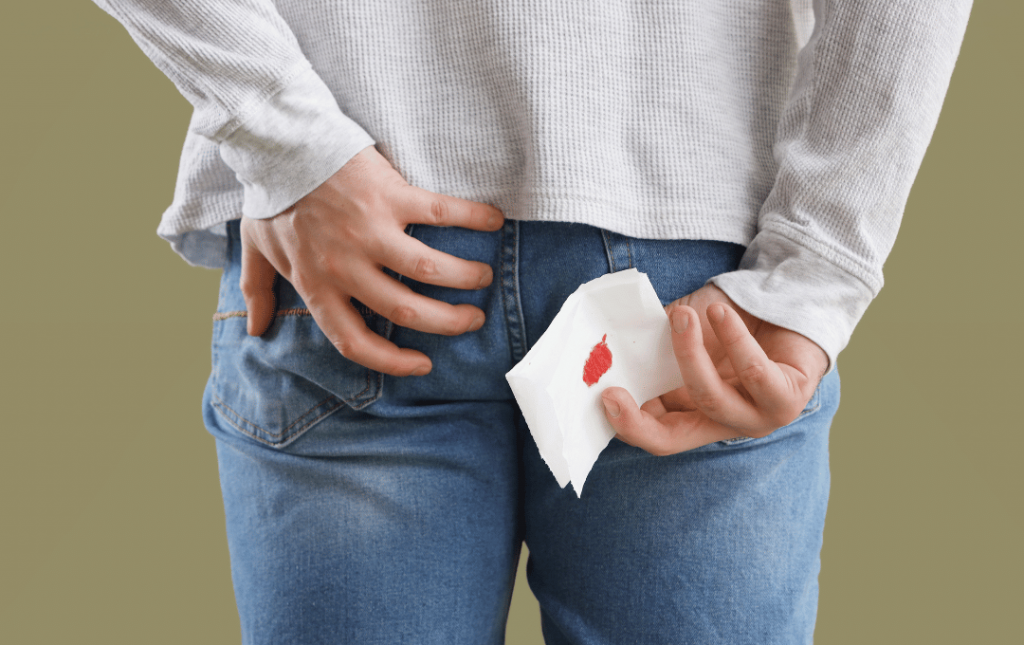
The most common symptom of an internal hemorrhoid is bleeding.1 You may notice blood in the stool or toilet paper after using the bathroom. Minor blood loss from an internal hemorrhoid that goes away isn’t usually a problem, but an untreated hemorrhoid that doesn’t disappear can lead to an increased risk of complications.

When an internal hemorrhoid pushes through to the outside, it’s called a prolapsed hemorrhoid. This type of internal hemorrhoid is visible and, like an external hemorrhoid, can cause pain. Prolapsed hemorrhoids might make it uncomfortable to sit down, especially for extended periods.

If you experience these symptoms, seeking medical advice is important to receive an accurate diagnosis. Early treatment can prevent complications and provide relief from the discomfort associated with hemorrhoids.

Make your appointment online today

Can Untreated Internal Hemorrhoids Disappear?

Can Untreated Internal Hemorrhoids Disappear?

While untreated internal hemorrhoids sometimes resolve, it’s important to resolve symptoms promptly to prevent further complications and ensure proper healing.

Risks of Internal Hemorrhoids

Although Internal hemorrhoids are not immediately dangerous, neglecting them can lead to more severe complications. Here are some of the key risks associated with internal hemorrhoids:

Prolapse

Internal hemorrhoids can prolapse, meaning they extend beyond the anus. This can lead to discomfort and complications, as prolapsed hemorrhoids may become trapped and require medical intervention.

Strangulation

In some cases, the blood supply to a prolapsed internal hemorrhoid can be cut off by the anal muscles, leading to strangulation. This condition can cause severe pain and may result in tissue death if not treated promptly.

Thrombosis

Internal hemorrhoids can develop blood clots, leading to thrombosed hemorrhoids. This can cause significant pain and swelling and may require surgical intervention.

Infection

If internal hemorrhoids become prolapsed and collect mucus or stool particles, they can lead to irritation and infection. This can result in conditions such as pruritus ani (itching around the anus)

Bleeding

Internal hemorrhoids can cause bright red bleeding during bowel movements. While this is often not life-threatening, it can be alarming and may indicate more serious conditions, such as colorectal cancer, necessitating further investigation.

Chronic Discomfort

Persistent symptoms such as pain, itching, and discomfort can significantly affect quality of life and lead to avoidance of certain activities, including exercise and social engagements.

Straining

Individuals with internal hemorrhoids may experience increased straining during bowel movements, which can exacerbate the condition and lead to further complications, including worsening hemorrhoids or the development of anal fissures.

When Should You See a Doctor About Hemorrhoid Symptoms?

When Should You See a Doctor About Hemorrhoid Symptoms?

If internal hemorrhoid symptoms don’t go away after a week or accompany other symptoms, such as bleeding, it’s a good idea to have an experienced hemorrhoid specialist evaluate your symptoms.

See a doctor immediately if you notice severe symptoms, such as dark red blood, severe pain, or more than a small amount of blood loss. These symptoms could be a sign of a more serious health issue, such as colorectal or anal cancer, inflammatory bowel disease, or large anal fissures.

Treatments for Internal Hemorrhoids

When internal hemorrhoid symptoms persist or worsen, treatment may be necessary to alleviate discomfort and prevent further complications. Depending on the severity, various treatment options are available, from non-invasive approaches to surgical procedures. Here are some of the most common treatments:

  • Over-the-Counter Medications: Creams and ointments that reduce inflammation and ease discomfort.
  • Rubber Band Ligation: A minimally invasive procedure where a band is placed around the base of the hemorrhoid to cut off blood flow.
  • Sclerotherapy: A chemical solution is injected into the hemorrhoid to shrink it.
  • Coagulation Therapy: Laser or infrared light hardens and shrinks the hemorrhoid.
  • Hemorrhoidectomy: A surgical procedure to completely remove large or prolapsed hemorrhoids.
  • Stapled Hemorrhoidopexy: This surgery repositions the hemorrhoids and reduces blood flow, causing them to shrink.
  • Hemorrhoidal Artery Embolization (HAE): A non-surgical procedure that blocks blood flow to the hemorrhoidal arteries, causing the hemorrhoids to shrink.

Hemorrhoidal Artery Embolization (HAE) for Internal Hemorrhoids

If a conservative approach isn’t relieving symptoms, a more advanced hemorrhoid treatment should be considered to address internal hemorrhoids.

Hemorrhoidal artery embolization (HAE) is a non-surgical treatment for internal hemorrhoids. It offers fast relief from bleeding and other symptoms and is extremely safe. Studies have found no serious complications after hemorrhoid embolization.2

Most people with internal hemorrhoids that won’t go away can benefit from HAE. It’s less invasive than surgery and doesn’t cause rectal wounds or issues with anal incontinence. Other treatment options include infrared coagulation, rubber band ligation, and hemorrhoid surgery.

View our patient testimonials

Why Choose USA Hemorrhoid Centers

USA Hemorrhoid Centers is a trusted national network of specialized, non-surgical hemorrhoid treatment centers dedicated to providing effective relief. Our experienced team of hemorrhoid doctors tailors treatments to each individual’s needs, ensuring a personalized and comfortable experience.

Our hemorrhoid specialists are experts in hemorrhoidal artery embolization and are committed to helping patients return to their daily lives free of hemorrhoid symptoms and discomfort.

We also accept most types of insurance and offer affordable payment plans so you can focus on your health without financial stress.

If you’re concerned about hemorrhoid symptoms, schedule a consultation at a clinic near you today.

Find a treatment clinic near you

Frequently Asked Questions

How long do internal hemorrhoids last?

There is no set timeline for hemorrhoids. They can go away in a few days or last for months or years. Some people have recurring hemorrhoids, so it seems like their symptoms never go away.

If internal hemorrhoid symptoms don’t clear up after a week, schedule an appointment with a hemorrhoid doctor for an evaluation.

What are the risks of untreated hemorrhoids?

If a clot forms in the hemorrhoid, it can burst, causing serious blood loss and requiring immediate medical attention.

Blood loss that’s dark red or excessive could also indicate a more serious health condition. Rectal bleeding is a symptom of many different conditions, including hemorrhoids, anal fissures, inflammatory bowel disease (IBD) and colorectal cancer, so it’s important to see a hemorrhoid doctor for an evaluation if you notice regular blood in your stool.

Untreated internal hemorrhoids can also cause anal tears, which can become infected.

Why do internal hemorrhoids need treatment?

If left untreated for too long, hemorrhoids can push out of the rectum and become prolapsed. These hemorrhoids can be painful and make everyday life more uncomfortable. There’s also a risk of blood loss, infection, and a blood clot if an internal hemorrhoid is left untreated for too long.

It’s important to seek medical attention if you experience symptoms of hemorrhoids. Early treatment can help prevent complications and improve your quality of life.

Are internal hemorrhoids permanent?

Internal hemorrhoids aren’t permanent. There are safe and effective treatments that will make even severe internal hemorrhoids go away.

References:

  1. Sun, Z., & Migaly, J. (2016). Review of Hemorrhoid Disease: Presentation and ManagementClinics in colon and rectal surgery29(1), 22–29.
  2. Reza Talaie,, Pooya Torkian, et all. Hemorrhoid embolization: A review of current evidencesDiagnostic and Interventional ImagingVolume 103, Issue 1, January 2022, Pages 3-11

Internal vs. External Hemorrhoids: What’s The Difference?

Internal vs. External Hemorrhoids What’s the Difference
August 5th, 2024
05:59 PM

Are you having issues with rectal bleeding, itching, pain, or other common hemorrhoid symptoms? If so, you might wonder if those symptoms are a sign of internal or external hemorrhoids.

Hemorrhoids are swollen blood vessels in the rectum or under the skin surrounding the anus. Where they form determines whether they are external or internal hemorrhoids.

Although both types of hemorrhoids have the same cause, they can produce different symptoms. There are also varying treatments for internal vs. external hemorrhoids.

Understanding the differences can help you determine what to do next and when to see a hemorrhoid specialist. This guide will answer all your questions about how internal and external hemorrhoids differ, including symptoms and treatment options.

Schedule A Consultation Now

What Are Hemorrhoids?

Hemorrhoids are swollen clusters or ‘piles’ of blood vessels, smooth muscle, and connective tissue. They can be very painful and physically uncomfortable—and even a little embarrassing to talk about.

However, the reality is that most people have hemorrhoids at some point in their lives. One study found that roughly 11% of the adult population suffers from hemorrhoids at any point in time. (1) It’s estimated that by age 50, one in two adults in the US has dealt with hemorrhoid symptoms, such as anal itching, bleeding during bowel movements, or pain. (2)

Hemorrhoids develop because of excess pressure from straining during bowel movements, often due to constipation. A lack of blood flow from prolonged sitting can also cause hemorrhoids, as clusters of blood vessels and connective tissue become swollen and enlarged. Additionally, lifestyle factors, such as diet, weight, and exercise, can also lead to hemorrhoids. It’s important to consult a hemorrhoid specialist to ensure an accurate diagnosis for the cause, type, and management plan for hemorrhoids.

Depending on whether the hemorrhoids are external or internal, you might experience different symptoms. Regardless, it’s important not to leave hemorrhoids untreated.

Internal Hemorrhoids

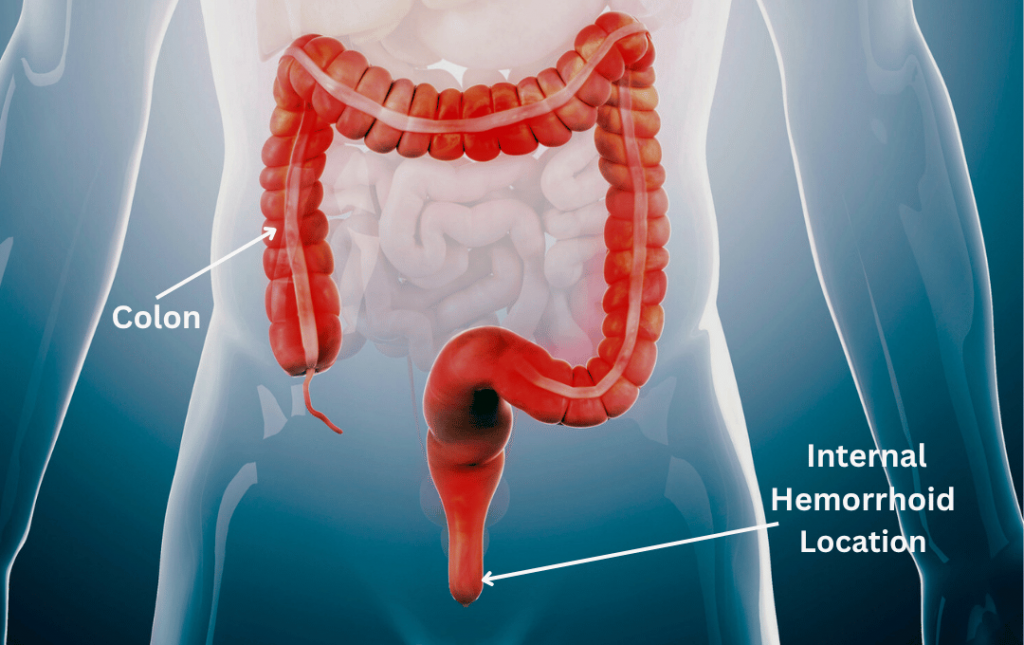
Internal hemorrhoids occur in the lower rectum, inside the anal cavity, making them invisible from the outside.

A person with an internal hemorrhoid might notice bright red blood on their toilet paper or in their stool. They may not experience pain as there are fewer sensory nerves in the rectal area.

However, an internal hemorrhoid can cause pain or irritation if it pushes through the anal opening, a condition known as prolapse. A prolapsed hemorrhoid occurs when the connective tissue holding the blood vessels in place can no longer support them, causing a small lump to form at the anus.

External Hemorrhoids

External hemorrhoids develop around the anus. Compared to internal hemorrhoids, external ones are more likely to cause pain and discomfort because there are more pain-sensing nerves under the skin near the anus.

Other possible symptoms include:

  • Swelling around the anus
  • Itching
  • Bleeding
  • Lumps
  • Pain or discomfort

External hemorrhoids can cause severe pain if a clot develops  A hemorrhoid with a blood clot is called a thrombosed hemorrhoid. This can also occur with internal hemorrhoids but is not as common. It looks like a hard lump near the anus and can cause swelling and inflammation that makes sitting extremely uncomfortable.

Diagnosing External vs. Internal Hemorrhoids

A hemorrhoid doctor will review your medical history to determine whether external or internal hemorrhoids are causing symptoms. They will ask about your eating and toilet habits and any existing medical conditions.

An interventional radiologist, also known as a hemorrhoid doctor, will also perform an exam:

  • To diagnose external hemorrhoids, the doctor will examine the area around the anus, assessing any existing lumps to make a diagnosis.
  • Diagnosing internal hemorrhoids is more complex because they occur inside the rectum and are not visible. The doctor will perform a digital rectal exam using ultrasound imaging technology.

Treating External vs. Internal Hemorrhoids

Treatment for internal hemorrhoids differs from the treatment for external hemorrhoids.

External hemorrhoids are often easier to treat. Home treatments can often provide temporary relief from hemorrhoids within a couple of weeks, such as:

  • Sitting in a warm bath can relieve pain and discomfort.
  • Eating more fiber and drinking more water can help loosen your stool, preventing further straining.
  • Topical creams or ointments for hemorrhoids can ease itching and swelling.

Internal hemorrhoids are more likely to require medical treatment. Some mild hemorrhoids can be temporarily relieved through home remedies, but a medical diagnosis and treatment plan from a hemorrhoid specialist are recommended. If you still notice symptoms after a few days, it’s important to see a hemorrhoid doctor.

There are several treatments for internal hemorrhoids, including surgical removal and non-surgical procedures that can effectively relieve symptoms.

  • Hemorrhoid artery embolization (HAE) is a non-surgical procedure that shrinks existing hemorrhoids by stopping blood flow to the pile. It’s a good option for people who want to avoid the pain and discomfort associated with other treatments.
  • Hemorrhoidectomy is surgical hemorrhoid removal. This procedure does come with some risks, including bleeding post-treatment, so it’s usually only recommended for severe cases.
  • Rubber band ligation involves tying rubber bands around internal hemorrhoids, which causes them to fall off. This procedure can be painful, and some may experience post-treatment discomfort.
  • Sclerotherapy involves injecting a medical solution into the hemorrhoids, which stops blood from reaching the hemorrhoid, causing it to shrink.

When to See a Doctor for Hemorrhoids

If hemorrhoid symptoms persist for more than one week or if you have severe pain or bleeding, you should see a doctor for a diagnosis and to learn about your treatment options.

USA Hemorrhoid Centers is a leading network of outpatient hemorrhoid treatment centers. We offer non-surgical hemorrhoid treatment and personalized treatment plans. Schedule a consultation at a location near you today and find out how we can help you get back to living hemorrhoid-free.

Find a Hemorrhoid Center Near You

FAQs

How do you know if you have an internal or external hemorrhoid?

If a hemorrhoid is under the skin around your anus and is painful, it’s likely an external hemorrhoid.

An internal hemorrhoid is more difficult to identify. You can’t see or feel the lump. Also, blood in the stool could be caused by a more serious health condition, such as inflammatory bowel disease or colon cancer. It’s not always clear whether bleeding is related to hemorrhoids.

To find out for certain if you have internal hemorrhoids, external hemorrhoids, or both, schedule a consultation with a hemorrhoid specialist near you.

Can external hemorrhoids become internal?

External hemorrhoids can’t become internal hemorrhoids. However, a prolapsed hemorrhoid, which is an internal hemorrhoid that bulges outside of the anus, may go back inside on its own.

Can you have both internal and external hemorrhoids at the same time?

Yes, you can have internal and external hemorrhoids at the same time. That can make it more difficult to figure out if your symptoms are caused by one type of hemorrhoid or another. A hemorrhoid doctor can give you an accurate diagnosis and recommend a treatment plan for the specific types of hemorrhoids you have.

Internal vs. external hemorrhoids: which are worse?

External hemorrhoids can cause more discomfort. They can lead to itching, swelling, and pain, as well as bleeding. Internal hemorrhoids aren’t always painful. However, they can be harder to get rid of. People with moderate to severe internal hemorrhoids may require medical treatment to help alleviate their symptoms.

Are external or internal hemorrhoids more common?

External hemorrhoids are more common than internal hemorrhoids.

References:

  1. Sheikh, Parvez et al. The prevalence, characteristics and treatment of hemorrhoidal disease: results of an international web-based survey.Journal of Comparative Effectiveness Research. DOI: 10.2217/cer-2020-0159
  2. LeWine, Howard E. MD. Hemorrhoids and what to do about them. Harvard Health Publishing. www.health.harvard.edu/diseases-and-conditions