
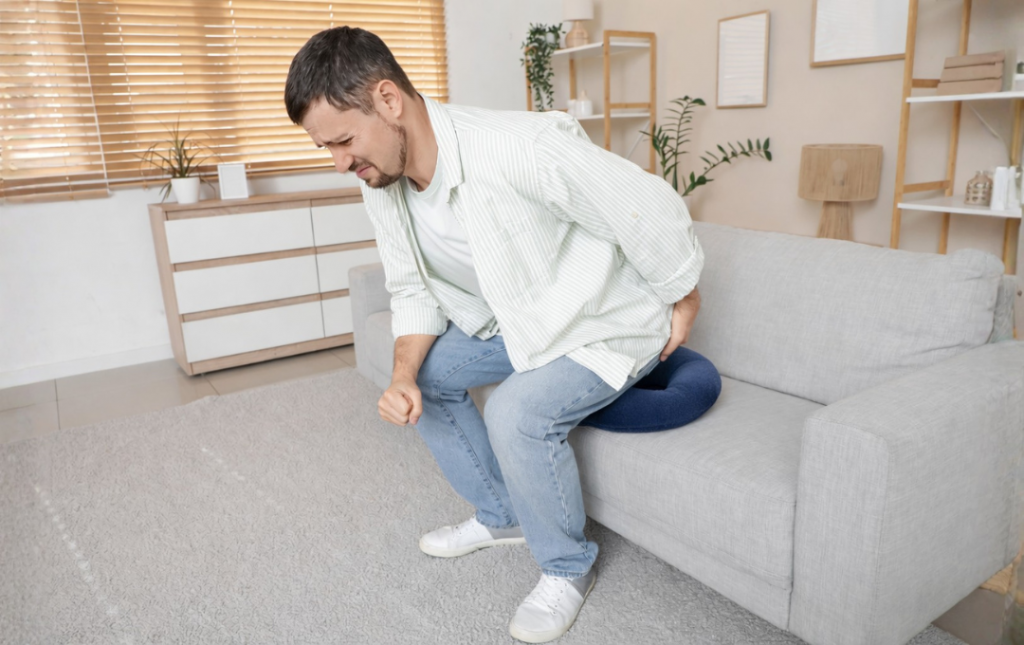
Sudden, severe anal pain that occurs alongside a firm, dark lump near the anus can be alarming. While as many as 50 percent of Americans experience hemorrhoids, acute symptoms often indicate that there is a blood clot in the hemorrhoid, also known as thrombosed hemorrhoids.
Thrombosed hemorrhoids are not usually life-threatening, but they can be very painful and disruptive. They also improve with time. Many patients notice less pain after a few days, although the thrombosed hemorrhoid healing time can last several weeks. Knowing what to expect during the healing process can help you manage symptoms and recognize when medical care may be needed.
What Is a Thrombosed Hemorrhoid?
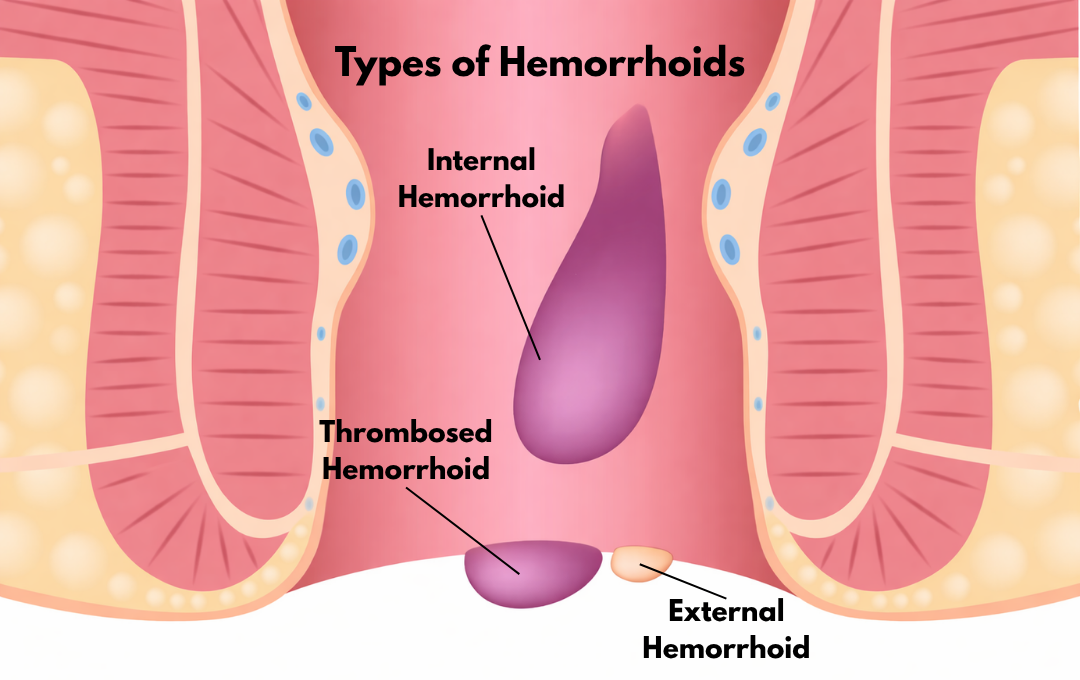
A thrombosed hemorrhoid is a hemorrhoid with a blood clot, most commonly in external hemorrhoids.
External hemorrhoids form under the skin around the anus and can appear as painful, swollen lumps. Because this area contains sensitive nerve endings, symptoms often include a sharp pain that may worsen when sitting or during bowel movements. When a clot forms, it can lead to increased swelling, inflammation, and a dark, discolored appearance.
Internal hemorrhoids develop inside the rectum and typically do not cause pain due to a lack of nerve endings. As a result, they may go unnoticed unless symptoms like bright red bleeding occur during or after a bowel movement.
If internal hemorrhoids progress, they can enlarge and begin to protrude outside the anus (prolapse). At this stage, they may become exposed to irritation and pressure, increasing the likelihood of clot formation.
Learn More About Internal and External Hemorrhoids
Thrombosed Hemorrhoid Healing Time: What to Expect
Healing tends to happen gradually rather than all at once. Signs of improvement may include decreased pain or pressure, reduced swelling, faded discoloration, and increased comfort while sitting or moving.
While the thrombosed hemorrhoid healing time can vary, most cases follow a similar progression:
First 72 Hours (Peak Symptoms)
Pain and swelling are the most severe during this period. Sitting, walking, or bowel movements may be especially uncomfortable. In some cases, a provider may recommend removing the blood clot surgically if symptoms are severe.
Days 3–10 (Pain Begins to Improve)
Pain usually starts to decrease after the first few days. Swelling may persist, and the lump can remain firm, but daily discomfort gradually improves.
Weeks 2–3 (Visible Improvement)
The body starts to break down the clot. The lump may shrink, and inflammation continues to decrease. The dark spot on the hemorrhoid may also begin to fade.
Up to 4–6+ Weeks (Full Resolution)
Most thrombosed hemorrhoids resolve within four to six weeks. A small residual lump or skin tag can remain after healing. Even after the clot resolves, however, patients can still be at risk for future hemorrhoid flare-ups.
Why Some Thrombosed Hemorrhoids Take Longer to Heal
Some patients may struggle with a thrombosed hemorrhoid for longer than six weeks. Several factors can influence the healing time:
- Large hemorrhoid blood clots: Bigger clots take longer to break down.
- Scar tissue: Some clots can leave behind a firm scar tissue, leaving a lingering lump that’s perceived as a hemorrhoid.
- Lifestyle factors: Prolonged sitting, low fiber intake, dehydration, or strained bowel movements can delay recovery.
- Delayed care: Waiting too long can prolong the thrombosed hemorrhoid healing time.
What Helps a Thrombosed Hemorrhoid Heal Faster?
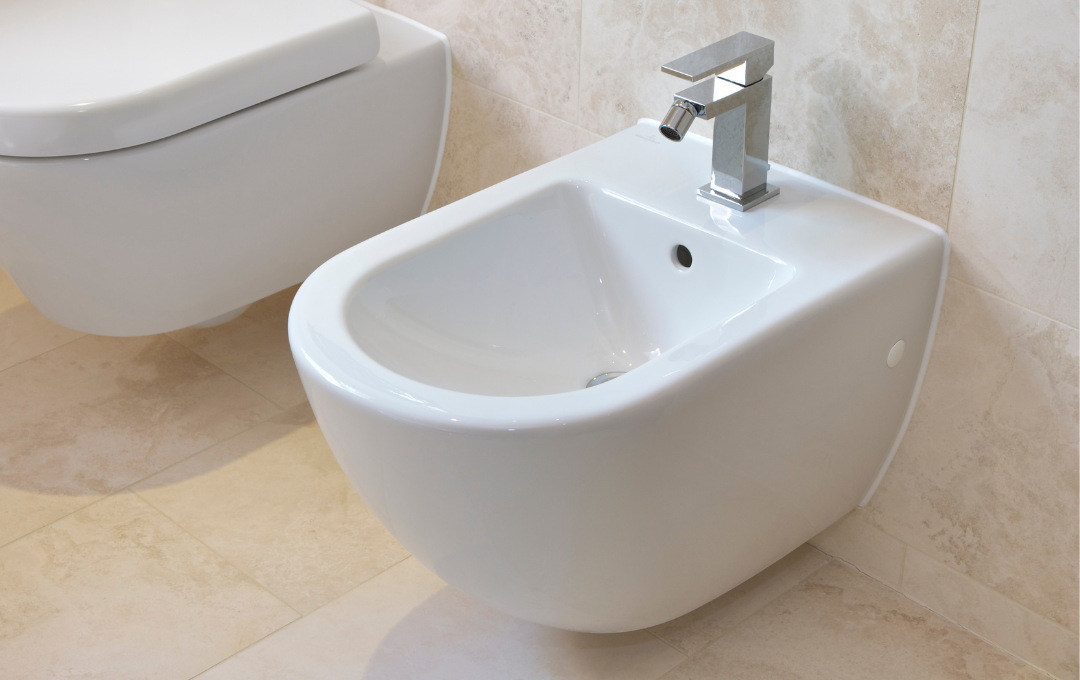
A thrombosed hemorrhoid can heal faster through self-care methods. Common methods include:
- Sitz Baths: A shallow tub of warm water can help soothe pain and swelling symptoms.
- Regular Movements: Activities, such as walking, can support blood circulation, relieving pressure on hemorrhoidal veins.
- Dietary Changes: Increasing fiber intake and hydration may help reduce straining during bowel movements.
- Cold Compress: Using cold compresses can help reduce swelling
What to Avoid with Hemorrhoids
When to Seek Medical Attention for a Thrombosed Hemorrhoid
Not all thrombosed hemorrhoids will heal on their own. While doctors commonly consider removing the blood clot within 72 hours of symptom onset, medical attention may still be necessary if the following occurs:
- Severe pain that does not improve after a few days
- Rapid swelling or worsening discomfort
- A hemorrhoid “burst”
A thrombosed hemorrhoid can burst when the skin over the hemorrhoid becomes overstretched and breaks from excess pressure, causing sudden bleeding. While this is not typically life-threatening, heavy or ongoing bleeding should be evaluated promptly.
Some patients report temporary relief after a hemorrhoid bursts due to reduced pressure. However, attempting to “pop” a thrombosed hemorrhoid is not recommended, as it can increase the risk of bleeding, infection, and tissue damage. If symptoms are severe or persistent, seek medical care.
Can a Thrombosed Hemorrhoid Be a Sign of Internal Hemorrhoids?
Thrombosed hemorrhoids, while more common in external hemorrhoids, can indicate the presence of internal hemorrhoids. This is because all types of hemorrhoids share the same risk factors, including:
- Chronic constipation, causing strain during bowel movements
- Prolonged sitting, especially on the toilet
- Low-fiber diet and dehydration
- Heavy lifting
- Pregnancy or childbirth
Internal hemorrhoids are also more common than external ones. Many patients may not be aware they have internal hemorrhoids due to the pain felt from an external hemorrhoid, especially if it has a blood clot.
When to Seek Treatment for Internal Hemorrhoids
Despite making dietary changes, limiting time spent sitting, and hydrating, symptoms may persist in some patients. It may be time to seek treatment for internal hemorrhoids if you experience:
- Rectal bleeding
- Recurring symptoms
- Prolapse (internal hemorrhoids that extend outside the rectum)
- Ongoing discomfort that affects daily life
Addressing internal hemorrhoids may help reduce the risk of future complications, including hemorrhoidal blood clots.
How USA Hemorrhoid Centers Can Help

At USA Hemorrhoid Centers, our specialists focus on identifying and treating internal hemorrhoids, which can contribute to recurring symptoms.
We offer hemorrhoid artery embolization (HAE), an advanced, outpatient procedure performed by experienced interventional radiologists. This approach targets the blood flow feeding internal hemorrhoids, which may help reduce swelling and the likelihood of future flare-ups.
Reasons patients choose USA Hemorrhoid Centers include:
- Specialty in minimally invasive hemorrhoid treatment
- Recognition by the Accreditation Association for Ambulatory Health Care (AAAHC)
- Acceptance of a wide range of insurance plans and help verify coverage during scheduling
- Priority to patient safety, comfort, and individualized care
If hemorrhoid symptoms continue or keep coming back, addressing the underlying issue may help improve long-term outcomes. Call (855) 805-4247 to speak with a care team member or take the next step toward scheduling your consultation.
Call a Hemorrhoid Specialist Today
Frequently Asked Questions
A thrombosed hemorrhoid is taking too long if the severe pain persists after a few days. Most thrombosed hemorrhoids will lessen in intensity after 72 hours; however, persistent thrombosed hemorrhoids will need prompt medical attention to remove the hemorrhoid blood clot.
Walking can help a thrombosed hemorrhoid by reducing pressure from prolonged sitting and supporting circulation, which may ease discomfort during healing.
Prolonged sitting can make a thrombosed hemorrhoid worse by increasing pressure in the affected area. Taking breaks to stand or move can help reduce discomfort.
You should not drain a thrombosed hemorrhoid yourself. This can increase the risk of infection, bleeding and tissue damage.
The fastest way to heal a thrombosed hemorrhoid is with early medical evaluation—especially within 72 hours—to help relieve symptoms more quickly. Supportive care, such as sitz baths, a high-fiber diet, and avoiding strain, can also promote healing.