
USA Hemorrhoid Centers
77777777777

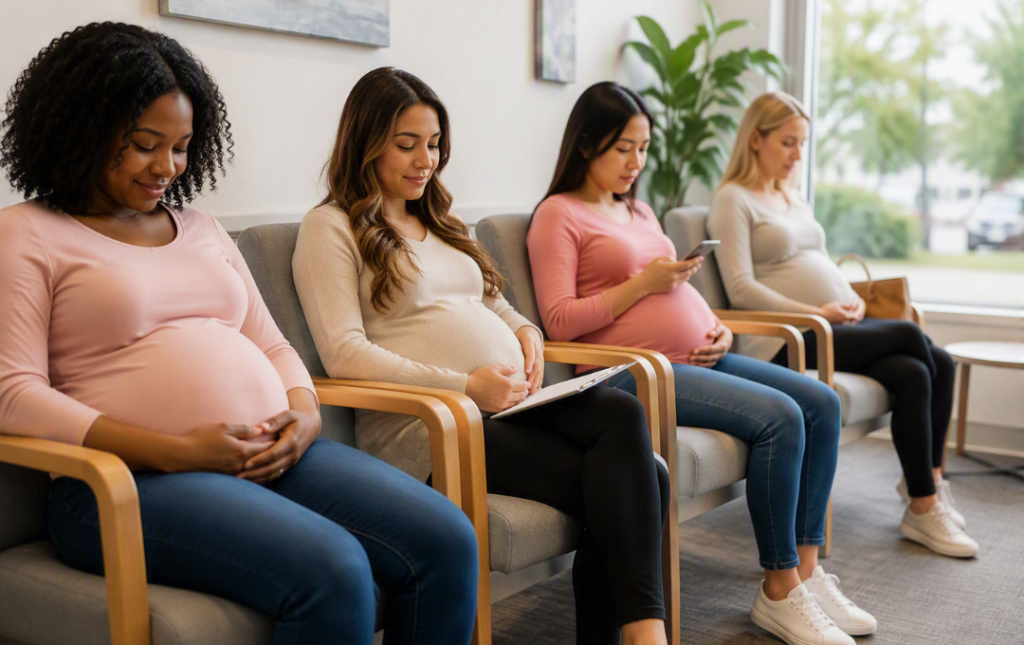
Are Women More Prone to Hemorrhoids?

Woman wondering if she is more prone to hemorrhoids
June 2nd, 2026
08:42 AM

Medically reviewed by

Dr. Yan Katsnelson, Physician
Reviewed June 2026

Yes – women can be more prone to hemorrhoids than men during certain phases of life, particularly during pregnancy and the postpartum period. Research published in Scientific Reports found that the overall prevalence of hemorrhoidal disease was slightly higher in females (17.2%) than in males (16.3%) across a study of nearly 195,000 adults, with parity — the number of times a woman has given birth — identified as a key driver of that difference.

This article covers why women face unique hemorrhoid risk factors, how pregnancy and hormonal changes contribute, what symptoms to watch for, and when it may be time to speak with a specialist about treatment options beyond lifestyle management.

Why Pregnancy Increases Hemorrhoid Risk

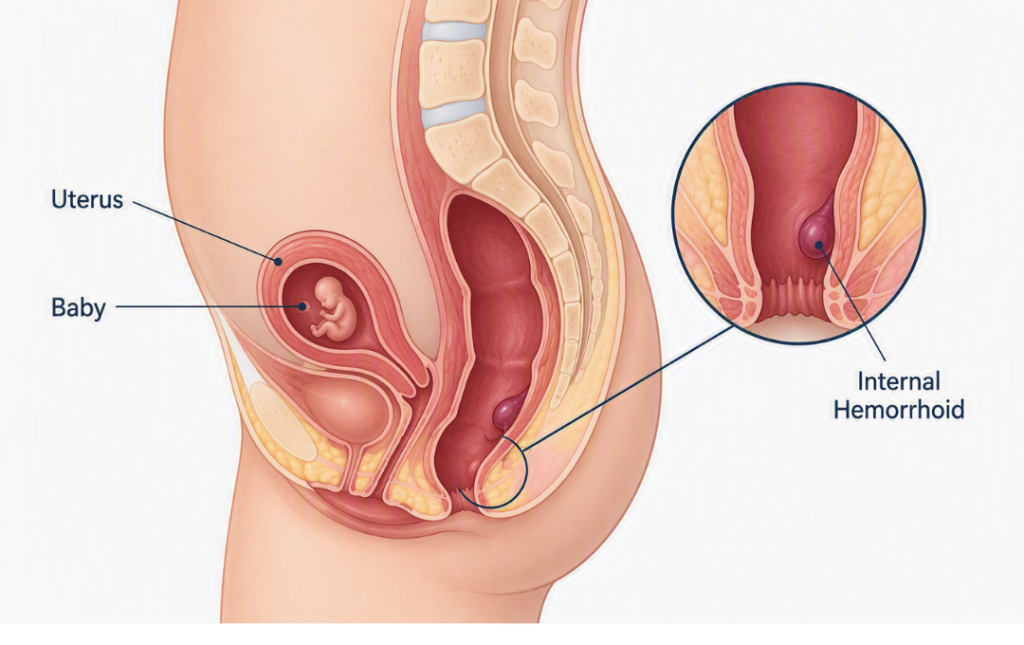
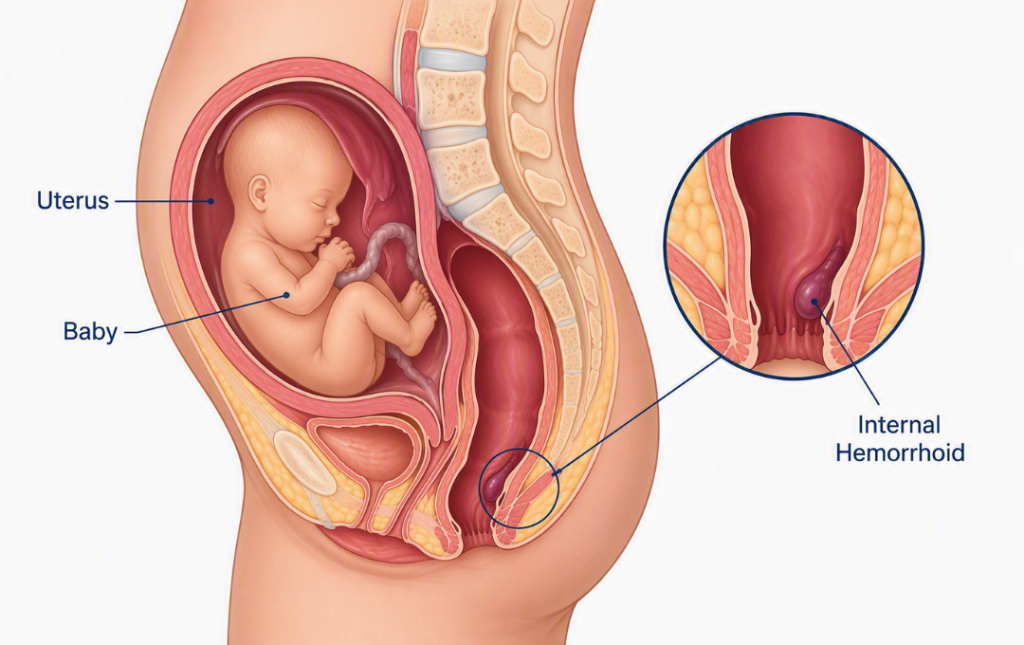
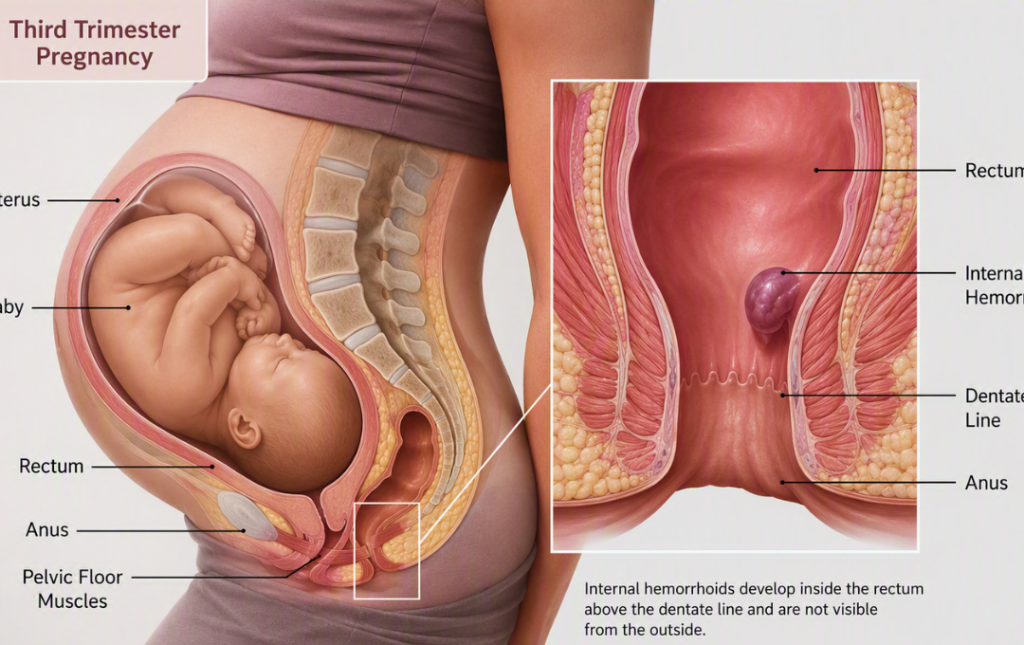
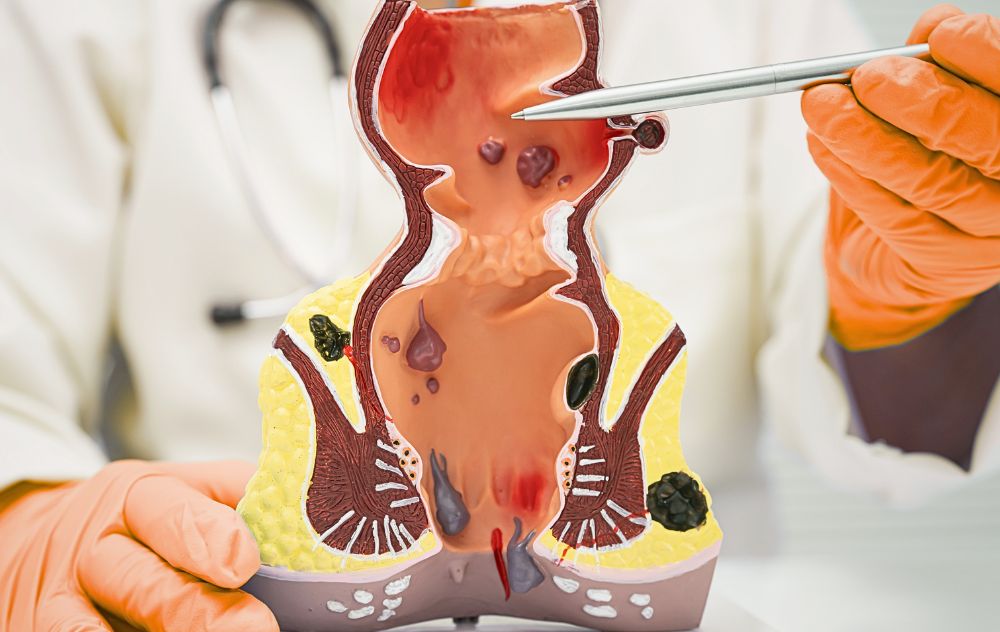
Hemorrhoids are cushions of vascular tissue located in the rectum and around the anus that help with bowel control. They become symptomatic — causing pain, itching, bleeding, or prolapse — when the veins within those cushions become enlarged and swollen. Pregnancy creates several simultaneous conditions that place significant pressure on that tissue.

Research published in Canadian Family Physician (PMC) estimates that 25% to 35% of pregnant women develop hemorrhoids, with some studies placing the rate as high as 85% in the third trimester. The contributing mechanisms include:

  • Increased abdominal pressure — The expanding uterus presses directly on the rectal veins, reducing blood flow and causing pooling and swelling in the hemorrhoidal tissue.
  • Increased blood volumeBlood volume rises substantially during pregnancy, placing added load on the venous system throughout the body, including the vessels in the anorectal region.
  • Hormonal changes — Elevated progesterone and estrogen levels slow bowel motility, which can lead to constipation and harder stools — both associated with straining that aggravates hemorrhoidal tissue. Research in IntechOpen notes that fluctuating progesterone levels may directly contribute to hemorrhoid formation.
  • Straining during delivery — Vaginal delivery itself substantially increases risk. One prospective cohort study found that the process of childbirth raises the likelihood of hemorrhoids by nearly eight times, and that risk compounds with each subsequent pregnancy.
  • Prior hemorrhoid history — A 2024 PMC study found that women with a previous diagnosis of hemorrhoids were more than five times as likely to develop hemorrhoids again during a subsequent pregnancy.

Note: Many women dismiss hemorrhoid symptoms during pregnancy as a normal part of the experience. While symptoms often improve after delivery, persistent or worsening symptoms warrant evaluation by a specialist.

How Parity Affects Long-Term Hemorrhoid Risk in Women

The number of times a woman has given birth — referred to clinically as parity — is one of the most well-documented risk factors for hemorrhoidal disease in females. The large-scale Korean cohort study published in Scientific Reports (2022), which examined nearly 195,000 adults, found that the prevalence of hemorrhoidal disease was meaningfully higher in parous women (those who had given birth) compared to nulliparous women (those who had not). The association between parity and hemorrhoidal disease persisted even after adjusting for other lifestyle and metabolic factors.

This suggests that repeated pregnancies and deliveries may cause cumulative changes to the pelvic floor and anorectal vasculature, contributing to a higher baseline risk of symptomatic hemorrhoids later in life. Women who have had multiple vaginal deliveries, experienced prolonged labor, or delivered large newborns may be at elevated risk.

Note: The relationship between body weight distribution and hemorrhoidal disease also differs by sex and parity. Research indicates waist circumference may be more strongly associated with hemorrhoid prevalence in parous women specifically, while the pattern differs in nulliparous women and men.

Symptoms Women Should Not Ignore

Hemorrhoid symptoms can range from mild irritation to significant daily discomfort. Because many women normalize these symptoms — particularly after pregnancy — it is worth knowing which signs indicate a need for evaluation. Hemorrhoidal disease can be internal, external, or both, and the symptom picture often differs by type.

  • Rectal bleeding — Bright red blood during or after a bowel movement is one of the most common early signs. Research consistently identifies fresh blood in stools as strongly associated with the presence of hemorrhoidal disease, though rectal bleeding should always be evaluated by a clinician to rule out other causes.
  • Pain or pressure — Discomfort around the anus, especially during or after bowel movements, may indicate internal or external hemorrhoids. Thrombosed external hemorrhoids can cause acute, sharp pain.
  • Itching and irritation — Perianal itching, burning, or mucus discharge are common with hemorrhoidal disease and may worsen with prolonged sitting.
  • Prolapse — Internal hemorrhoids that protrude through the anal opening during or after bowel movements, or that require manual reduction, indicate a more advanced stage that warrants prompt specialist evaluation.
  • Feeling of incomplete emptying — A persistent sensation that the bowel has not fully emptied, sometimes called tenesmus, has been associated with hemorrhoidal disease in research literature.

Risk Factors Beyond Pregnancy that Affect Women

While pregnancy is the most distinctive female-specific risk factor, several other contributors to hemorrhoidal disease apply broadly and can be particularly relevant for women across different life stages.

  • Constipation — Chronic constipation is associated with increased straining during bowel movements, which places repeated pressure on the hemorrhoidal cushions. Hormonal fluctuations across the menstrual cycle and during perimenopause can influence bowel regularity.
  • Sedentary lifestyle — Prolonged sitting — whether during office work or extended rest — is among the most commonly reported lifestyle risk factors. Research from a Saudi Arabian cross-sectional study identified lack of physical activity (83% of participants) and prolonged sitting (51%) as the top risk factors reported.
  • Low-fiber diet — Diets low in fiber and fluid intake are consistently associated with harder stools and increased straining. Consuming food with high saturated fat content was also identified as a contributing factor in recent survey data.
  • Increasing age — The supporting tissue around the hemorrhoidal cushions naturally weakens with age, making displacement and prolapse more likely. Prevalence of hemorrhoidal disease rises in older age groups for both men and women.
  • Family history — A family history of hemorrhoids is associated with higher personal risk, suggesting a hereditary component to the condition’s development.

Hemorrhoid Treatment Information

What Hemorrhoid Treatment Looks like Today

Many women wait longer than necessary before seeking care for hemorrhoid symptoms, often because they are uncertain whether treatment is available beyond lifestyle changes or over-the-counter creams. Today, office-based and minimally invasive procedures can address hemorrhoids without general anesthesia or hospital stays.

USA Hemorrhoid Centers offers Hemorrhoid Artery Embolization that is performed in an outpatient setting, typically completed in under an hour, and designed to allow patients to return to normal activities quickly. A board-certified specialist evaluates the grade and type of hemorrhoids before recommending the most appropriate approach. Treatment is tailored to each patient’s specific anatomy, symptom severity, and medical history — including obstetric history for women.

If symptoms have persisted for more than a few weeks, worsened over time, or are interfering with daily life, an evaluation is the appropriate next step.

Find a Center Near You

Frequently asked questions

Do hemorrhoids go away on their own after pregnancy?

For many women, mild hemorrhoid symptoms that develop during pregnancy improve significantly within weeks of delivery, particularly when supported by increased fiber intake, adequate hydration, and sitz baths. However, research indicates that a meaningful portion of women continue to experience symptoms postpartum, especially those with more advanced or prolapsed hemorrhoids, those who had hemorrhoids prior to pregnancy, or those who experienced prolonged labor or instrumental delivery. Symptoms that persist beyond six to eight weeks after delivery, or that worsen, warrant evaluation by a specialist rather than continued watchful waiting.

Can hormonal changes outside of pregnancy cause hemorrhoids?

Hormonal shifts across the menstrual cycle and during perimenopause may influence bowel function in ways that indirectly affect hemorrhoid risk. Research has identified female genital cycles as a determinant factor in hemorrhoidal disease, and studies note that hormones including progesterone, prolactin, follicle-stimulating hormone, and steroids may affect the integrity of vascular tissue and bowel motility. While the relationship is not as clearly defined as the role of pregnancy, women experiencing new or worsening hemorrhoid symptoms during hormonal transitions should raise the issue with their physician.

Is rectal bleeding always from hemorrhoids?

No. While bright red blood seen on toilet paper or in the bowl after a bowel movement is one of the most recognized symptoms of hemorrhoidal disease, rectal bleeding has multiple possible causes — including anal fissures, inflammatory bowel disease, polyps, and colorectal cancer. Any rectal bleeding should be evaluated by a qualified clinician who can perform a proper physical examination and confirm the source before any diagnosis is made. Self-diagnosing bleeding as hemorrhoids without professional assessment is not recommended, particularly in women over 45 or those with a family history of colorectal conditions.

Are hemorrhoid treatments safe after childbirth?

For women who are not pregnant or actively breastfeeding, office-based hemorrhoid treatments are generally well tolerated. A board-certified specialist will review a patient’s full medical and obstetric history before recommending any procedure. For women who are breastfeeding, this should be disclosed during the consultation so that the specialist can factor it into any treatment recommendations. The priority is always identifying the most appropriate, individualized approach based on the type, grade, and severity of the hemorrhoids present.

How many pregnancies does it take for hemorrhoids to become a long-term problem?

Research does not point to a specific number of pregnancies as a universal threshold. However, studies show that risk increases with parity — meaning each pregnancy and delivery may compound the cumulative effect on anorectal vascular tissue. Women who experienced hemorrhoids during a first pregnancy are significantly more likely to experience them again in subsequent pregnancies. Having multiple vaginal deliveries, particularly with prolonged pushing or large-birth-weight newborns, may increase the likelihood that hemorrhoids become a recurring or persistent issue rather than a temporary one.

Treatment option: hemorrhoid treatment

Lifestyle changes can help. But they do not treat the underlying condition.

More fiber, more water, and less straining can reduce discomfort and help manage symptoms day to day. But if you are experiencing persistent bleeding, prolapse, pain during bowel movements, or ongoing itching and pressure, lifestyle adjustments alone are unlikely to resolve the problem. These are clinical symptoms that indicate the hemorrhoidal tissue has been significantly affected.

USA Hemorrhoid Centers offers minimally invasive, outpatient treatment performed by board-certified specialists. Procedures are completed in the office, typically in under an hour, with no general anesthesia required and a rapid return to daily activities for most patients. The first step is a consultation to evaluate your symptoms and discuss the options that fit your situation.

  1. Kim SY, et al., “Risk factors for hemorrhoidal disease among healthy young and middle-aged Korean adults,” Scientific Reports, January 7, 2022. https://www.nature.com/articles/s41598-021-03838-z
  2. Abramowitz L, et al., “Hemorrhoids in pregnancy,” Canadian Family Physician / PMC. https://pmc.ncbi.nlm.nih.gov/articles/PMC2278306/
  3. Bužinskienė D, Sabonytė-Balšaitienė Ž, Poškus T., “Perianal Diseases in Pregnancy and After Childbirth: Frequency, Risk Factors, Impact on Women’s Quality of Life and Treatment Methods,” Frontiers in Surgery, February 18, 2022. https://pubmed.ncbi.nlm.nih.gov/35252326/
  4. Boughton RS, et al., “Haemorrhoids and Anal Fissures in Pregnancy: Predictive Factors and Effective Treatments,” Cureus / PMC, February 7, 2024. https://pmc.ncbi.nlm.nih.gov/articles/PMC10849161/
  5. Lohsiriwat V, “Hemorrhoids in Pregnancy and Breastfeeding,” IntechOpen, April 2025. https://www.intechopen.com/chapters/1216724
  6. Haemorrhoid Disease in Pregnancy (social-network survey), PMC, 2024. https://pmc.ncbi.nlm.nih.gov/articles/PMC11064321/

Medical disclaimer: This content is for informational purposes only and is not a substitute for professional medical advice, diagnosis, or treatment. Always seek the guidance of a qualified healthcare provider with any questions you may have regarding a medical condition.

What Not to Do When You Have Hemorrhoids: Common Mistakes That Make Symptoms Worse

straining with hemorrhoids what not to do
May 28th, 2026
12:00 PM


Medically reviewed by
Dr. Yan Katsnelson, M.D.
– Updated May 2026

If you’re dealing with hemorrhoids, you’re not alone — and you’re probably not comfortable talking about it. Hemorrhoids are one of the most common digestive health conditions in the United States, affecting nearly 3 out of 4 adults at some point in their lives. They can cause pain, itching, swelling, and rectal bleeding — symptoms that can disrupt your daily routine and make even simple tasks uncomfortable.

The good news is that hemorrhoids are very treatable. But many people unknowingly make everyday choices — in how they eat, how they care for themselves, and how long they wait to seek help — that delay healing or make symptoms significantly worse. Knowing what not to do with hemorrhoids is just as important as knowing what helps.

This guide covers the most common hemorrhoid mistakes and what you should do instead.

1. Ignoring Symptoms and Delaying Treatment

One of the most damaging hemorrhoid mistakes is simply waiting and hoping things improve on their own. While mild hemorrhoids can sometimes resolve with rest and dietary adjustments, ignoring persistent symptoms allows the condition to advance — and more advanced hemorrhoids are significantly harder to treat.

Hemorrhoids that go unaddressed can:

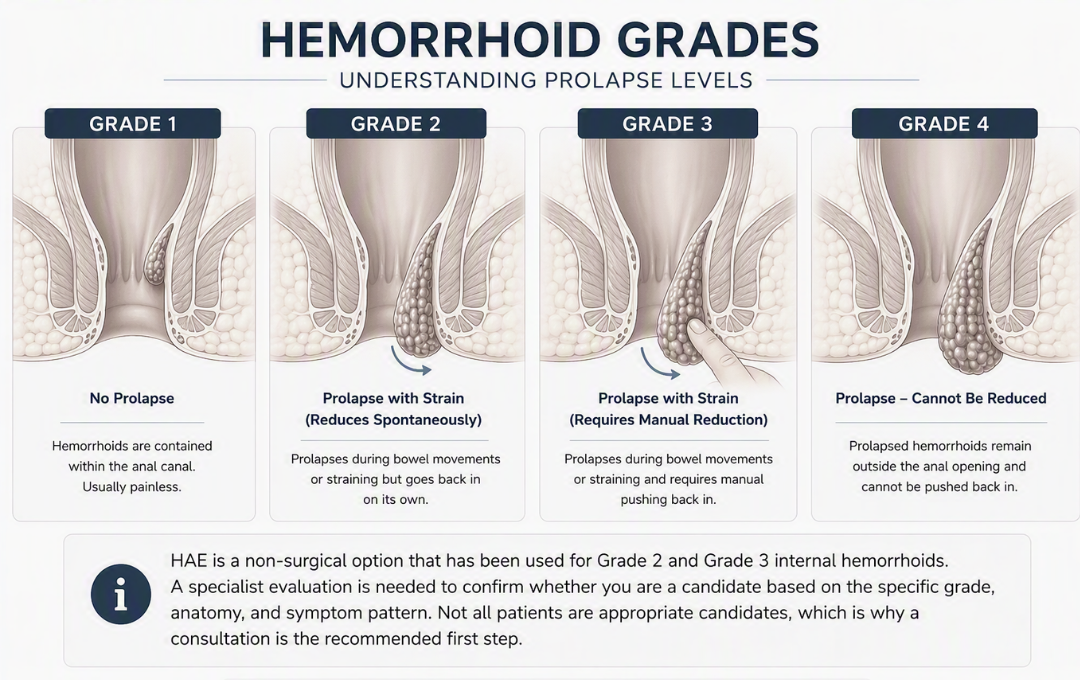
  • Progress from Grade I (small, internal) to Grade III or IV (prolapsed, requiring intervention)
  • Develop complications including thrombosis (blood clots) or tissue strangulation
  • Cause chronic bleeding that increases the risk of anemia over time

Rectal bleeding in particular should never be self-managed without a professional evaluation. While hemorrhoids are a common cause, bleeding can also signal other conditions that require prompt diagnosis. Learn more about what happens when hemorrhoids are left untreated.

What to do instead: If symptoms last longer than one week, worsen, or include any rectal bleeding, contact a hemorrhoid specialist for an evaluation.

2. Straining During Bowel Movements

Straining is one of the primary drivers of hemorrhoid flare-ups — and one of the worst things you can do when hemorrhoids are already present. Bearing down on the toilet increases pressure in the rectal veins, causing hemorrhoids to swell further, bleed more, or prolapse.

Straining typically results from:

  • Constipation caused by low fiber intake or dehydration
  • Ignoring the urge to go and then forcing a bowel movement later
  • Spending too long on the toilet, which increases rectal pressure even without active straining

What to do instead: Only go when you feel a natural urge. Never force a bowel movement. If constipation is a recurring problem, speak with your doctor about dietary fiber or stool softeners.

3. Poor Diet and Not Drinking Enough Water

What you eat directly affects your stool consistency — and stool consistency directly affects your hemorrhoids. A diet low in fiber produces harder, more difficult stools that require straining to pass. Over time, this repeated pressure is one of the most common causes of worsening hemorrhoid symptoms.

Common dietary mistakes that aggravate hemorrhoids include:

  • Relying on processed foods, fast food, and refined grains (white bread, white rice, pasta)
  • Not consuming enough fruits, vegetables, legumes, or whole grains
  • Drinking alcohol or excess caffeine, which can dehydrate the body and harden stool
  • Not drinking enough water throughout the day

What to do instead: Work toward approximately 14 grams of fiber for every 1,000 calories in your daily diet — ideally from whole food sources rather than supplements alone. Staying well-hydrated is equally important; aim for at least 6–8 glasses of water per day. For a detailed breakdown of what to avoid, see our guide on what foods trigger hemorrhoids.

4. Sitting for Long Periods — Including on the Toilet

Extended sitting puts sustained downward pressure on the veins in the rectal area, which can cause hemorrhoids to swell and worsen over time. This applies to desk work, long drives, and sedentary daily routines — but the toilet is often the most overlooked culprit.

Even sitting on the toilet for just 5–10 extra minutes per visit — whether due to phone use, reading, or waiting — increases rectal vein pressure significantly. The toilet opening acts like a mild vacuum on rectal tissue, and the longer you sit, the greater the effect.

What to do instead: Keep toilet visits brief and purposeful. At work, take short standing breaks every 30–60 minutes. If prolonged sitting is unavoidable, a donut-style cushion can help reduce direct pressure on hemorrhoidal tissue.

For guidance specifically on physical activities, exercises, and movements that affect hemorrhoids, see our detailed post on activities to avoid with hemorrhoids.

5. Using Harsh Soaps, Scented Wipes, or Irritating Products

Many people try to manage itching or discomfort by cleaning more thoroughly — but the wrong products can make hemorrhoid symptoms considerably worse. Scented, antibacterial, or alcohol-based cleansing products irritate already-inflamed tissue and can slow the healing process.

Products commonly associated with worsening hemorrhoid irritation include:

  • Scented or alcohol-based wet wipes
  • Antibacterial soaps with harsh surfactants
  • Heavily fragranced toilet paper
  • Over-the-counter hemorrhoid creams used more frequently or longer than directed

Aggressive or repeated wiping — even with soft tissue — can cause micro-tears that worsen inflammation and delay healing.

What to do instead: Clean the area gently with plain warm water after each bowel movement. Pat dry rather than rubbing. If itching continues, speak with your doctor before adding any new products to your routine.

6. Self-Diagnosing Without a Medical Evaluation

It is very common to assume that rectal discomfort, itching, or bleeding must be hemorrhoids. In many cases that assumption is correct — but several other conditions produce nearly identical symptoms, and missing them can have serious consequences.

Conditions that can mimic hemorrhoid symptoms include:

  • Anal fissures — small tears in the anal lining causing sharp pain and bleeding
  • Anal fistulas — abnormal tunnels near the anus that often require surgical correction
  • Colorectal polyps or colorectal cancer — which can cause rectal bleeding, especially in adults over 45
  • Inflammatory bowel disease (IBD) — including Crohn’s disease and ulcerative colitis

Treating the wrong condition with home remedies — or simply waiting — can allow a more serious condition to go undetected and untreated. To understand what symptoms should prompt an immediate evaluation, review our post on hemorrhoid warning signs and when to seek medical attention.

What to do instead: Get a professional diagnosis before beginning any treatment. A hemorrhoid specialist can evaluate your symptoms, rule out other conditions, and recommend the right approach for your specific situation.

7. Relying on Unproven Home Remedies

Not all home remedies are equal — and some popular ones can actively make hemorrhoids worse. A few to approach with caution:

  • Apple cider vinegar applied directly: Undiluted vinegar applied to rectal tissue can cause chemical burns and significantly worsen irritation, despite being widely recommended online.
  • Undiluted essential oils: Concentrated oils can cause contact dermatitis and allergic reactions in sensitive tissue.
  • Ice applied directly to skin: While brief cold application can temporarily reduce swelling, direct skin contact with ice can cause tissue damage. Always use a cloth barrier and limit application time.
  • Long-term OTC steroid cream use: Hydrocortisone-based products are appropriate for short-term use only. Prolonged application to rectal tissue can cause skin thinning. Use only as directed by a physician.

What to do instead: Warm sitz baths — soaking in a few inches of warm water for 10–15 minutes, two to three times per day — are among the most evidence-supported home measures for hemorrhoid discomfort. That said, no home remedy substitutes for professional evaluation when symptoms are persistent or worsening.

8. When to Stop Managing at Home and See a Specialist

Home care has a role in managing mild hemorrhoid symptoms — but there is a point at which self-treatment is no longer appropriate and professional evaluation becomes necessary. Do not delay seeking care if you experience:

  • Any rectal bleeding — bright red blood on toilet paper or in the bowl
  • Severe or sudden pain — particularly if accompanied by significant swelling
  • A hemorrhoid that prolapses and will not return on its own
  • Symptoms lasting more than 7–10 days despite consistent home care
  • Recurring flare-ups that are becoming more frequent or more severe
  • Any difficulty controlling bowel movements

Today, hemorrhoid treatment does not require surgery in most cases. Minimally invasive, in-office options — including rubber band ligation, sclerotherapy, infrared coagulation, and Hemorrhoid Artery Embolization (HAE) — are safe, effective, and designed to get you back to your routine quickly. HAE is a non-surgical procedure that reduces blood flow to the affected hemorrhoidal tissue, causing it to shrink naturally over time — with no general anesthesia, no hospital stay, and minimal recovery time.

A specialist can evaluate your symptoms and determine which treatment approach is the right fit for your condition and severity.

Conclusion: Stop Guessing — Start Healing

Hemorrhoid symptoms are uncomfortable, often embarrassing, and easy to mismanage. Whether it’s waiting too long to seek care, using the wrong products, eating a diet that worsens symptoms, or relying on unproven remedies — these common mistakes can turn a manageable condition into a more difficult one.

The most important step you can take is getting an accurate diagnosis from a qualified specialist. From there, a clear treatment plan — whether lifestyle-based or procedural — puts you in control of your symptoms rather than the other way around.

At USA Hemorrhoid Centers, our team of board-certified interventional radiologists provides compassionate, confidential hemorrhoid care using the most advanced evidence-based treatments available, including HAE. We have locations nationwide, accept most insurance plans including Medicare and Medicaid, and offer online scheduling with real-time insurance verification.

Schedule Consultation Online

Frequently Asked Questions About Hemorrhoid Mistakes

What should you avoid when you have hemorrhoids?

When you have hemorrhoids, avoid straining during bowel movements, sitting on the toilet for extended periods, eating a low-fiber diet, and using harsh or scented personal care products near the affected area. You should also avoid self-diagnosing or delaying medical evaluation if symptoms are persistent, worsening, or include rectal bleeding.

Can hemorrhoids get worse if untreated?

Yes. Hemorrhoids that are not treated or managed appropriately can progress in severity. Internal hemorrhoids can advance from Grade I (small, internal only) to Grade III or IV (prolapsed and requiring manual replacement or surgical intervention). Thrombosed external hemorrhoids — where a blood clot forms — can cause significant pain and may require prompt medical treatment.

What foods make hemorrhoids worse?

Foods that are low in fiber, highly processed, or dehydrating can make hemorrhoid symptoms worse by contributing to constipation and straining. This includes white bread, red meat, fast food, alcohol, and caffeinated beverages consumed in excess. Spicy foods may also irritate the digestive tract in some individuals. Focus on increasing dietary fiber and fluid intake to support regular, comfortable bowel movements.

When should I see a hemorrhoid specialist?

You should see a hemorrhoid specialist if your symptoms have lasted more than one week, if you experience rectal bleeding of any amount, if a hemorrhoid has prolapsed and is not going back in on its own, or if your symptoms are significantly affecting your daily life. Early evaluation leads to more treatment options and faster relief.

Are hemorrhoids dangerous?

Hemorrhoids themselves are not typically dangerous, but they should not be ignored — especially when rectal bleeding is involved. Rectal bleeding can occasionally signal more serious conditions, including colorectal cancer, which is why a professional evaluation is always recommended rather than assuming all symptoms are hemorrhoid-related.

How Do You Know If Your Hemorrhoid Is Small or Big?

small and large hemorrhoids
May 26th, 2026
10:34 AM

Medically reviewed by
Dr. Yan Katsnelson, M.D.
– Updated May 2026


Hemorrhoids aren’t usually measured with a ruler at home. Instead, their “size” is judged by symptoms, swelling, and whether they bulge (prolapse). Small hemorrhoids tend to stay internal with mild symptoms, while larger ones often cause noticeable swelling, discomfort, or protrusion.

What Are Hemorrhoids, Really?

Hemorrhoids are swollen veins in the rectum or anus. Everyone has these veins, but they become a problem when they enlarge, stretch, or become irritated.

There are two main types:

  • Internal hemorrhoids (inside the rectum)
  • External hemorrhoids (under the skin around the anus)

Understanding which type you’re dealing with helps determine whether it’s “small” or “large.”

Hemorrhoid Symoptoms

Signs of a Small Hemorrhoid

Small hemorrhoids are often early-stage or mild and may go unnoticed.

Common characteristics:

  • Minimal or no pain
  • Occasional light bleeding (usually bright red on toilet paper)
  • No visible lump outside the anus
  • Mild itching or irritation
  • Symptoms come and go

For internal hemorrhoids, small ones are typically Grade I (they don’t prolapse or bulge out).

Signs of a Large Hemorrhoid

Larger hemorrhoids are more advanced and tend to cause more noticeable symptoms.

Common characteristics:

  • A visible or palpable lump near the anus
  • Prolapse (bulging out during bowel movements)
  • Pain or discomfort when sitting or wiping
  • Persistent bleeding
  • Swelling that doesn’t go away easily

Internal hemorrhoids can become:

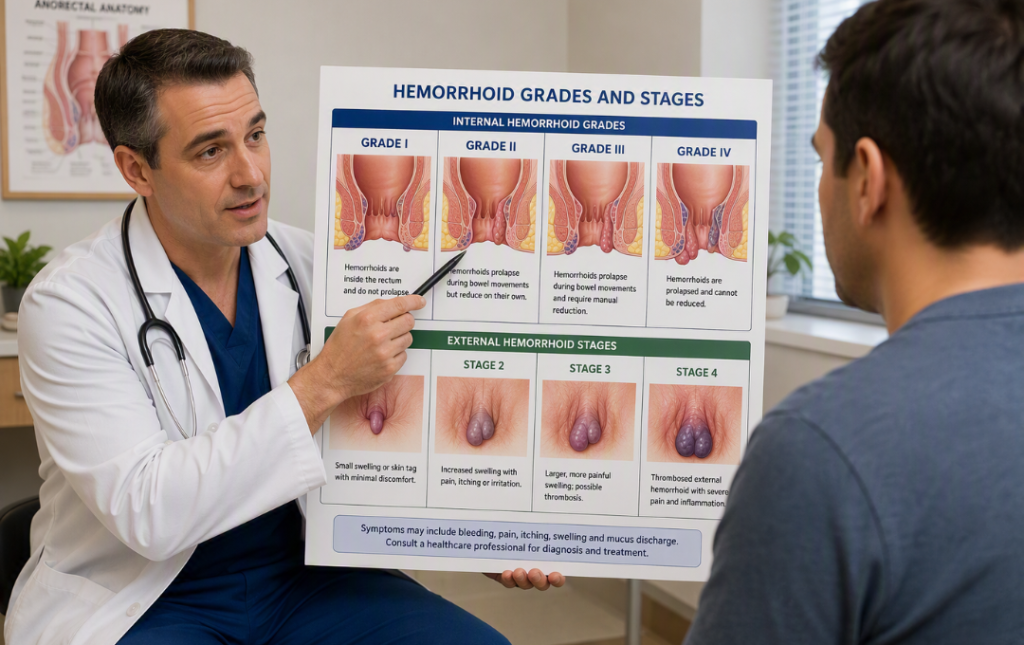
  • Grade II: Prolapse but go back in on their own
  • Grade III: Need to be pushed back in manually
  • Grade IV: Stay outside and cannot be pushed back

External hemorrhoids can also become thrombosed (clotted), which makes them feel larger and significantly more painful.

Hemorrhoid Types

Visual vs Symptom-Based “Size”

Here’s the key distinction patients often miss:

        • Size isn’t just physical
        • It’s about impact and behavior
      Indicator Small Hemorrhoid Large Hemorrhoid
      Visibility Not visible Visible lump or bulge
      Pain Minimal or none Moderate to severe
      Bleeding Occasional Frequent or persistent
      Prolapse None Common
      Daily impact Mild inconvenience Disruptive
      • Bleeding happens repeatedly
      • Symptoms last more than a week
      • You’re unsure if it’s actually a hemorrhoid

Rectal bleeding can overlap with other conditions, so proper evaluation matters.

Can You Feel or See a Hemorrhoid Yourself?

External hemorrhoids may sometimes be felt as a lump near the anus, and in some cases, they can be partially seen with a mirror. Internal hemorrhoids, however, are located inside the rectum and typically cannot be seen or felt from outside the body unless they have prolapsed.

This is one of the reasons self-assessment has clear limits. A patient may have a moderate to large Grade II internal hemorrhoid and feel only occasional, minimal symptoms. On the other hand, a relatively small external hemorrhoid that becomes thrombosed can cause significant acute pain. Symptom intensity does not always correspond directly to size.

If you are unsure, speaking with a specialist is the most reliable way to understand what you are dealing with.

When to Consider Medical Evaluation

You should consider seeing a specialist if:

      • The hemorrhoid is getting bigger over time
      • You feel a persistent lump
      • Symptoms keep returning
      • Over-the-counter treatments aren’t helping

Taking the Next Step for Hemorrhoid Relief

Knowing whether your hemorrhoid is small or large is not something most people can determine on their own with confidence, and that uncertainty does not have to be stressful. Hemorrhoids are one of the most common conditions adults face, and there are knowledgeable specialists who can evaluate your symptoms, explain what is happening, and discuss options with you.

If you have been noticing symptoms and wondering what they mean, reaching out for a consultation is a reasonable, proactive step. You do not need to wait until things become significantly worse.

For patients dealing with internal hemorrhoids that don’t resolve, minimally invasive options like Hemorrhoid Artery Embolization (HAE) may be discussed as part of a treatment plan.

Schedule Online 24/7

FAQ on Hemorrhoid Sizes

How big can a hemorrhoid get?

Hemorrhoid size varies considerably. Small Grade I internal hemorrhoids may measure only a few millimeters and remain entirely inside the rectum. At the other end, Grade IV internal hemorrhoids can be significantly larger and remain permanently prolapsed. Thrombosed external hemorrhoids can swell quickly and become quite painful, sometimes reaching the size of a marble or larger. Size depends on the type of hemorrhoid, how long it has been present, and factors like straining, diet, and blood flow to the area.

Can a small hemorrhoid become large over time?

Yes, hemorrhoids can progress over time, particularly if the underlying causes, such as chronic straining, low-fiber diets, or prolonged sitting, are not addressed. A Grade I internal hemorrhoid that is not managed may gradually become Grade II or Grade III. This is one reason early evaluation and lifestyle adjustments can be helpful. Not all hemorrhoids will worsen, but it is not uncommon for symptoms to become more noticeable over months or years if contributing factors remain unchanged.

Does a larger hemorrhoid always hurt more?

Not necessarily. Internal hemorrhoids, even when fairly large, may produce little to no pain because the tissue inside the rectum contains fewer pain receptors. External hemorrhoids, by contrast, sit in an area rich in nerve endings and can be painful even when relatively small, especially if a clot has formed. The relationship between hemorrhoid size and pain level is not always straightforward, which is another reason symptoms alone can be an incomplete measure of what is actually happening.

Why Do Some Women Experience Postpartum Hemorrhoids?

Woman in pain form postpartum hemorrhoids, sitting on donut cushion for relief.
May 14th, 2026
11:59 AM

Childbirth often comes with physical surprises, including the discomfort of postpartum hemorrhoids. Internal hemorrhoids are swollen veins in the rectum or anus that affect about 25% to 40% of new mothers. Hemorrhoids appear in two forms: internal hemorrhoids, which are located inside the rectum and are usually painless despite potential bleeding, and external hemorrhoids, which develop around the anus and often cause itching or pain. 

Whether triggered by the pressure of an enlarged uterus or the intense physical strain of delivery, hemorrhoids are very common parts of the body’s recovery process. This post explores why they occur and highlights modern, minimally invasive treatments to help you find relief comfortably. 

Why Do Hemorrhoids Occur During Pregnancy and Childbirth?

The development of postpartum hemorrhoids is the result of an internal chain reaction. As the baby grows, the heavy uterus presses directly against the main pelvic and abdominal veins. This pressure acts like a roadblock, slowing down the flow of blood from your lower body back up to your heart. Because the blood cannot drain upward efficiently, it pools in the lowest branches of this vascular network—the veins in the rectum—causing them to stretch, swell, and become hemorrhoids. 

Hormonal Shifts

During pregnancy, your body produces high levels of a hormone called progesterone. While progesterone is essential for supporting your pregnancy, it has a systemic muscle-relaxing effect that triggers hemorrhoids in two simultaneous ways:

  • It relaxes your vein walls: Progesterone softens the muscular walls of your blood vessels. Because the veins are less firm, they stretch out, sag, and swell much more easily under the weight of your blood flow.
  • It slows down your digestion: That same relaxing effect calms the muscles in your digestive tract. This slows your digestion to a crawl, causing constipation. Passing hard stools forces you to strain, putting massive extra pressure on those already softened rectal veins.

Physical Force of Labor

If hormones and a growing baby lay the groundwork, the intense pushing during labor and delivery is often the final physical trigger.

The extreme straining required to deliver a baby creates a sudden, massive surge of pressure right in your pelvic floor. This intense physical force acts like a pump, instantly forcing blood into the rectal veins, causing them to balloon, swell, or push completely outside the body.

Hemorrhoids After Cesarean Section

Worsening internal and external hemorrhoids after a cesarean section are also possible. While they are more common after vaginal births, the pressure on pelvic veins during pregnancy, postpartum hormonal constipation, and limited mobility after surgery contribute to their development. They usually appear within the first few weeks postpartum. 

Postpartum hemorrhoids can complicate the healing process of C-sections by:

  • Increasing overall pain, making it harder to move comfortably during surgical recovery.
  • Causing straining from post-operative constipation (often triggered by pain meds), which puts unwanted pressure on the abdominal incision.

To support recovery, doctors usually recommend conservative care, such as high-fiber diets and stool softeners, to ensure bowel movements are easy and do not interfere with the healing of the surgical site.

Common Risk Factors

While any pregnancy can lead to hemorrhoids, certain factors increase the likelihood:

  • Prolonged labor: Labor lasting 12+ hours or a prolonged second (pushing) stage.
  • Gestational length: A pregnancy that extends past 40 weeks.
  • Birth weight: Delivering a newborn with a heavy birth weight.
  • Spontaneous childbirth: Rapid or unassisted delivery stages.
  • Lifestyle factors: Chronic constipation caused by a slowed digestive tract or a sedentary lifestyle.

Seeking Relief: How to Treat Postpartum Hemorrhoids

Woman in hospital after giving birth.

One of the most common postpartum complications is a thrombosed external hemorrhoid, which occurs when a painful blood clot forms within a swollen vein just under the skin.  To prevent complications like inflammation, prolapse, or further thrombosis, early treatment is key.

Most doctors recommend starting with conservative treatments, such as increasing fiber intake, staying hydrated, avoiding constipation, and practicing healthy bathroom habits. These simple adjustments are often enough to allow the body to heal naturally.

However, if symptoms persist after a month of conservative care, minimally invasive procedures, such as hemorrhoidal artery embolization (HAE), may be considered. More aggressive surgical options are rarely recommended while a woman is breastfeeding. 

Symptoms to Watch For

Postpartum hemorrhoids can vary in sensation, but there are several common signs to keep on your radar. Many people notice lumps around the anus, ranging in size from a small pea to a grape. These are often accompanied by itching, burning, or general rectal discomfort that makes sitting or moving around feel uneasy.

You may also experience pain during or after bowel movements. If you notice bright red blood on the toilet tissue or in the bowl, it is typically a sign of a hemorrhoid being irritated. While these symptoms are common, keeping track of them can help you determine when it’s time to move from at-home care to a conversation with your healthcare provider.

Check For Hemorrhoid Symptoms


How Long Do Hemorrhoids Last After Childbirth?

Woman in distress holding her new born.

Right after childbirth, a woman’s hemorrhoids can appear “large and alarming,” but they typically begin to shrink within a few days. While hemorrhoids are usually at their most painful during the first five days, most people notice significant improvement by the two-week mark. This relief happens naturally as the uterus shrinks and blood volume decreases, reducing the overall pressure in the pelvic and anal area.

While the majority of postpartum hemorrhoids resolve on their own within six to 12 weeks, some may require medical attention. In some instances, you may notice small skin tags remaining after the swelling goes down; this occurs when the body reabsorbs the blood, but the stretched skin stays behind.

How to Tell the Difference: Hemorrhoids vs. Postpartum Bleeding

The easiest way to tell them apart is to look at the color of the blood, when it appears, and where it lands. 

Postpartum Bleeding (Lochia)

Postpartum bleeding (Lochia) is the completely normal shedding of the uterine lining after giving birth.

  • The Location: This blood comes directly from the vagina.
  • The Appearance: In the first few days, it is dark red or deep crimson and flows like a heavy menstrual period, often containing small blood clots. Over a few weeks, it naturally changes color from red to pink, brown, and eventually a yellowish-white.
  • The Timing: It is a continuous, steady flow that will be present on your maternity pad throughout the day, regardless of whether you are resting or using the bathroom.

Postpartum Hemorrhoid Bleeding

Hemorrhoid bleeding comes from stretched veins at the exit of the digestive tract.

  • The Location: This blood comes strictly from the anus.
  • The Appearance: This blood is bright, vivid red because it is fresh, oxygen-rich blood from a breached vein. It never looks brown or yellowish.
  • The Timing: It is intermittent and almost always triggered by a bowel movement. You will typically only see it as a streak on your toilet paper, a splash in the toilet bowl after straining, or coating the surface of a hard stool. It does not pool continuously on a maternity pad while you are just resting.

Will Postpartum Hemorrhoids Go Away?

While postpartum hemorrhoids are common, certain symptoms require professional medical attention to ensure a smooth recovery. You should contact your healthcare provider if you experience:

  • Heavy or persistent rectal bleeding.
  • Severe pain that interferes with your daily activities or makes nursing uncomfortable.
  • A hard, purple hemorrhoid can indicate the formation of a blood clot (thrombosis).
  • Symptoms that show no improvement after a week of consistent home care.

Addressing these signs early can help prevent complications and ensure you get the most effective treatment for your specific needs.

Can Postpartum Hemorrhoids Return?

If you are planning another pregnancy, hemorrhoids may likely recur. Healthcare providers note that if they are present at the start of a subsequent pregnancy, they may worsen as the trimesters progress. However, the same recovery pattern typically applies, with the veins shrinking or resolving significantly once again after delivery.

At-Home Relief 

Woman on a sitz bath in the bathroom.

If you are experiencing discomfort from postpartum hemorrhoids, several gentle, at-home strategies can provide significant relief and support the healing process.

  • Hygiene Habits: Swap dry toilet paper for a bidet or witch hazel wipes. These options clean sensitive areas without the friction that can irritate swollen veins.
  • Soothe the Swelling: Use temperature to your advantage. Alternating between ice packs to reduce inflammation and warm sitz baths to relax the muscles can help manage pain throughout the day.
  • Over-the-Counter Help: For immediate relief, consider topical creams or stool softeners. These are excellent short-term tools to reduce itching and make bathroom trips more comfortable.

Preventive  Postpartum Hemorrhoids Care

Care tips for preventing post partum hemorrhoids

Preventing postpartum hemorrhoids is possible. The most effective strategy is to keep your digestive system moving smoothly to reduce pressure on your rectal veins.

  • Focus on Fiber and Hydration: A high-fiber diet filled with fruits, vegetables, whole grains, and beans is your best defense. Pair this with plenty of water—aim for six to eight glasses a day. A quick tip: if your urine is dark yellow, it’s usually a sign you need to hydrate more.
  • Stay Active:  Aim for 150 minutes of aerobic exercise per week, which helps boost energy and keep your digestive tract moving. Even a short, brisk walk with the stroller counts! Just be sure to check with your healthcare provider before starting an exercise routine postpartum.
  • Listen to Your Body: If you feel the urge to go, don’t wait. Delaying a bathroom break can make stool drier and harder to pass, leading to the straining that causes hemorrhoids. If you are struggling with constipation, ask your doctor if a fiber supplement or stool softener is right for you.
  • The Power of Kegels: While often associated with bladder control, daily Kegel exercises also strengthen the muscles around the rectum. Improving muscle tone in the pelvic floor can help support your veins and improve overall circulation in the area.

Advanced Care: Hemorrhoid Artery Embolization (HAE)

While many postpartum hemorrhoid cases resolve with lifestyle changes, medical intervention becomes necessary when symptoms persist beyond a month or involve complications like thrombosis (clotting) or prolapse (veins protruding outside the body). If conservative methods like high-fiber diets and stool softeners haven’t provided relief, it may be time to discuss more advanced, minimally invasive options with a hemorrhoid specialist.

What is Hemorrhoid Artery Embolization (HAE)?

Hemorrhoid artery embolization (HAE) is a modern, non-surgical treatment designed to target the root cause of the discomfort. During this procedure, a specialist uses a thin catheter to reach the specific arteries supplying blood to the hemorrhoids. By placing tiny coils or particles to reduce this blood flow, the internal hemorrhoids naturally shrink and heal.

Because HAE is performed through a catheter, often in the wrist or groin, it typically involves less pain and a much faster recovery time than other hemorrhoid removal methods.

How HAE Works:

  • Targeted Access: A specialist inserts a tiny catheter to reach the specific rectal arteries supplying the hemorrhoids.
  • Embolization: Small particles called microspheres are released to block the specific blood vessels feeding the hemorrhoid.
  • Natural Resolution: Deprived of its blood source, the hemorrhoid eventually shrinks and withers away, eliminating the need for invasive cutting or stitches.

Is Hemorrhoid Artery Embolization (HAE) Safe After Childbirth?

For those seeking relief, hemorrhoid artery embolization (HAE) is a modern, nonsurgical option that is considered very safe for postpartum patients. Unlike standard surgery, HAE involves no incisions or stitches in the rectal area, significantly reducing the risk of infection and shortening recovery time.

A primary benefit for postpartum mothers is that HAE does not typically require general anesthesia, making it a safer alternative for those managing the physical demands of a newborn. Furthermore, because it is a localized procedure that doesn’t rely on heavy medications, it is often a viable option for mothers who are breastfeeding.

More importantly, HAE does not interfere with the natural healing of the uterus after vaginal delivery or a C-section. Since the procedure specifically targets the blood flow to the rectal arteries rather than the uterine arteries, it allows the uterus to continue its recovery process undisturbed. This makes it an ideal solution for mothers who need to address hemorrhoid pain without complicating their overall postpartum healing.

Postpartum Hemorrhoid Care at USA Hemorrhoid Centers

If conservative treatments aren’t providing the relief you need, you don’t have to go through a long surgical recovery. At USA Hemorrhoid Centers, our highly skilled hemorrhoid specialists understand the unique physical challenges that postpartum mothers face. We offer hemorrhoidal artery embolization (HAE), an outpatient procedure with a significantly shorter recovery time than traditional surgery, so that new mothers can get back to their families quickly.

Schedule Online Today

Signs of Infection from Hemorrhoids

Middle-aged man walks into an urgent care with pain in his rectum. He developed an infection from hemorrhoids.
May 14th, 2026
10:09 AM

Hemorrhoids, which are vascular tissues in the rectum and anus, can become infected. When infection does occur, it’s usually a sign of a more serious complication, such as restricted blood flow, tissue damage, or an underlying condition that weakens the body’s ability to fight bacteria. 

While the risk of infection from hemorrhoids is rare, some patients have dealt with an infected hemorrhoid before. Recognizing the signs of infected hemorrhoids can help patients lower their risk and know when to seek help for hemorrhoids.  

What Are Hemorrhoids?

You may be surprised to learn that hemorrhoids are a normal part of anatomy. They are a collection of blood vessels and soft tissues in the lower rectum and anus that aid in bowel movements. They become problematic when the veins inside the hemorrhoids become inflamed. 

There are two types of hemorrhoids that flare up:

  • Internal Hemorrhoids: Located inside the rectum, internal hemorrhoids often go undetected until the patient notices bright red blood in their stool.
  • External Hemorrhoids: These hemorrhoids appear as small lumps around the anus and cause noticeable discomfort while sitting or using the toilet. 

More on Internal and External Hemorrhoids

How Do Hemorrhoids Become Infected?

Infected hemorrhoids usually occur when blood flow is severely restricted. In most hemorrhoids, a high volume of blood flows through to keep the surrounding tissues healthy. When hemorrhoids flare up, there is added pressure on the hemorrhoidal veins—typically caused by strained bowel movements or prolonged sitting—that cause the hemorrhoids to swell and bleed. 

While most hemorrhoids avoid infection, certain circumstances can make infection more likely:

Prolapsed Hemorrhoids

Prolapsed hemorrhoids occur when an internal hemorrhoid has swelled enough to protrude from the anal opening. Prolapsed hemorrhoids have a higher chance of becoming infected because the muscles in the anus can cut off circulation to the hemorrhoid. Without blood flow, the affected tissue can break down and die. This leaves an open wound that’s now vulnerable to infection. 

Thrombosed Hemorrhoids

Thrombosed hemorrhoids are hemorrhoids with a blood clot. Hemorrhoids can develop a blood clot because impeded blood flow causes blood to pool in the hemorrhoidal veins. Stagnant blood flow can increase the risk of clotting.  

A hemorrhoidal blood clot can create a lot of painful pressure in the hemorrhoid. When there’s excessive pressure, the protective barrier surrounding the hemorrhoid breaks and allows bacteria to enter. 

Bacteria

The rectum and anus contain bacteria. Poor anal hygiene after a bowel movement can invite bacteria into the hemorrhoids. 

Hemorrhoid Treatment Complications

Certain hemorrhoid procedures, such as rubber band ligation (banding) or hemorrhoid surgery, carry risks of infection because these procedures can leave an open wound during the recovery period. Bacteria from the intestines are more likely to enter the wound and infect the surrounding tissues. 

Weakened Immune System

Conditions that weaken the immune system, such as inflammatory bowel disease (IBD), diabetes, HIV, and lupus, can make it difficult to fight off infections. 

What Are the Signs of an Infected Hemorrhoid?

Typical hemorrhoid symptoms include anal discomfort, itching, occasional bleeding, and localized swelling. These symptoms can usually be managed with conservative care.

When a hemorrhoid gets infected, symptoms tend to become more severe and include: 

  • Worsening pain or throbbing in the anus
  • The affected area feels warm and appears red and swollen
  • Discharge or pus has a foul odor
  • Systemic symptoms, such as fever, chills, or fatigue

Prevention Tips for Hemorrhoid Infections

Preventing infected hemorrhoids often comes down to adopting habits that reduce strain on the rectal veins, manage symptoms such as bleeding and discomfort, and prevent new hemorrhoids from flaring up. This includes: 

  • Avoiding prolonged sitting, especially on the toilet
  • Eating a diet rich in fiber to soften stools
  • Refraining from straining during bowel movements
  • Hydrating adequately
  • Maintaining proper hygiene in the anal area after a bowel movement

Hygiene is vital to preventing an infection; however, wiping can often irritate an inflamed hemorrhoid. Sitz baths or bidets can help patients keep the area clean and avoid chafing. 

When to Seek Help for an Infected Hemorrhoid

In most cases, if a patient is experiencing an infected hemorrhoid, the infection must be treated first before other treatments are considered. Be aware of sudden changes in your hemorrhoid that suggest an infection, such as increasing anal pain and swelling. If the affected area feels warm, appears red, or contains pus with a foul odor, seek help at an urgent care for antibiotics. 

Conservative care, such as eating more fiber and avoiding straining, can help reduce the risk of a hemorrhoid infection. However, these methods may not resolve all hemorrhoids. Some hemorrhoids, especially internal hemorrhoids, will persist, worsen, or return. A medical intervention may be necessary to help relieve symptoms and prevent an infection. 

Consider consulting a hemorrhoid specialist if you experience the following symptoms:

  • Painless bleeding from the rectum
  • Anal itching
  • Mucus discharge in your stool
  • Feelings of fullness in your rectum
  • Prolapsed tissue that can be pushed back in manually

How Does USA Hemorrhoid Centers Treat Hemorrhoids?

USA Hemorrhoid Centers focuses on treating internal hemorrhoids with a minimally invasive procedure called hemorrhoid artery embolization (HAE). HAE is a catheter-based treatment that targets the blood vessels supplying hemorrhoids. 

HAE reduces blood flow to the hemorrhoidal arteries to ease pressure off of the veins, maintain healthy circulation, and reduce inflammation. HAE is performed on an outpatient basis and keeps the hemorrhoidal tissue intact. Patients may start noticing results shortly after their procedure. 

If you’re experiencing persistent hemorrhoid symptoms, schedule a consultation with a hemorrhoid specialist to find out if you are a candidate for HAE. 

Schedule Online

This information is not intended nor recommended as a substitute for medical advice, diagnosis, or treatment. If you are noticing signs of an infection, seek immediate care.

FAQs About Infected Hemorrhoids

Do most hemorrhoids become infected if they bleed?

Most bleeding hemorrhoids do not become infected. While seeing blood can be alarming, bleeding is actually a very common symptom of standard hemorrhoids, not a sign of an infection. However, because rectal bleeding can sometimes be a sign of other gastrointestinal conditions, it is always a good idea to have it evaluated by a healthcare provider to get an accurate diagnosis.

How are infected hemorrhoids treated?

Most patients are prescribed antibiotics to address infected hemorrhoids. While patients are on antibiotics, it’s important to keep the area clean and to avoid situations that worsen hemorrhoids, such as prolonged sitting on the toilet, straining during bowel movements, and heavy lifting. 

Can a hemorrhoid turn septic?

Although rare, a hemorrhoid can become septic if it becomes strangulated and loses its blood supply. If left untreated, the hemorrhoid can become infected and enter the bloodstream. If you experience symptoms such as fever or chills, rapid heart rate, fast breathing, find care promptly.

Are Hemorrhoids Dangerous?

3D diagram of a rectum with hemorrhoids. Caution tape goes across the screen to illustrate whether hemorrhoids are dangerous.
May 13th, 2026
03:32 PM

Most hemorrhoids, also referred to as piles, are not dangerous, but that doesn’t mean you should ignore your symptoms. In many cases, milder symptoms such as itching, discomfort, or small amounts of bright red bleeding can be managed or resolved on their own. However, persistent, worsening symptoms or symptoms that mimic other conditions can indicate serious hemorrhoids or other conditions.

If you’re wondering whether hemorrhoids can be dangerous, the answer depends on what you are experiencing. Heavy or ongoing bleeding, severe pain, or changes in bowel habits need to be evaluated by a specialist. Getting clarity early can help prevent complications by ensuring you receive the right treatment.

Which Stage of Hemorrhoids Is Dangerous?

Internal hemorrhoids are often categorized into different grades based on their severity.

These hemorrhoid stages include:

  • Grade 1: No prolapse, may bleed
  • Grade 2: Prolapse during bowel movements but retracts on their own
  • Grade 3: Prolapse and requires manual repositioning
  • Grade 4: Permanently prolapsed and cannot be pushed back in

Although it might seem there is a certain stage in which hemorrhoids are dangerous, severity isn’t defined just by the grade. Lower-grade hemorrhoids can cause disruptive symptoms, while higher grades are more likely to lead to complications such as persistent discomfort, irritation, or hygiene challenges.

When considering when to worry about hemorrhoids, focus less on the grade and more on the impact of the symptoms. For example, Grade 4 hemorrhoids are often associated with ongoing symptoms that interfere with daily life, while thrombosed hemorrhoids can cause sudden, intense pain regardless of grade.

Hemorrhoid Types & Symptoms to Be Aware Of

Most cases of hemorrhoids, regardless of type, are manageable, but understanding your symptoms is key to determining whether hemorrhoids are serious.

Hemorrhoids that are “dangerous” usually refer to:

  • Persistent or heavy bleeding
  • Severe pain or swelling
  • Symptoms that resemble other gastrointestinal conditions

You can watch for specific symptoms to determine whether it’s time to consult a specialist, such as bleeding or thrombosed hemorrhoids.

Bleeding Hemorrhoids

One of the most common concerns is bleeding, especially bright red blood on toilet paper or in the toilet after a bowel movement.

Small amounts of occasional bleeding are common, but bleeding hemorrhoids are potentially dangerous if they are:

  • Heavy or increasing over time
  • Persistent over several days or weeks
  • Accompanied by dizziness, fatigue, or weakness

Any bleeding that feels unusual or continues should be evaluated. Rectal bleeding can have multiple causes, so an accurate diagnosis is important for appropriate treatment.

Meet with a Hemorrhoid Doctor

Internal Hemorrhoids

Internal hemorrhoids develop inside the rectum and are often less painful than external ones. Although internal hemorrhoids are not necessarily dangerous, they are more likely to cause bleeding.

In the early stages, they may go unnoticed. As they progress, they can prolapse (bulge outside the anus), leading to:

  • Irritation
  • Mucus discharge
  • Increased discomfort

While not inherently dangerous, untreated internal hemorrhoids can worsen over time, increasing the likelihood of complications.

Thrombosed Hemorrhoids

Thrombosed hemorrhoids develop when a blood clot forms inside them, leading to sudden, severe pain and swelling. Yet, thrombosed hemorrhoids are not considered dangerous.

Instead, they are extremely painful and may cause:

  • A firm, tender lump near the anus
  • Persistent discomfort
  • Occasional bleeding if the clot ruptures

In some cases, a thrombosed hemorrhoid can burst, leading to noticeable bleeding and relief of pressure. If they are not managed, thrombosed hemorrhoids can cause potential complications. If the pain is severe or symptoms don’t improve, it’s best to consult a specialist.

When Should I Worry About Hemorrhoids?

Bloody toilet paper from bleeding hemorrhoids.

Even though hemorrhoids aren’t inherently dangerous, they can cause complications. Some red flags that indicate when to worry about hemorrhoids and pursue a medical evaluation include: 

  • Heavy or persistent rectal bleeding
  • Dark red or tar-like stools
  • Severe or worsening pain
  • A lump that doesn’t go away
  • Symptoms lasting longer than a week
  • Dizziness, fatigue, or signs of anemia
  • Unexplained weight loss or abdominal pain
  • Fever, chills, or signs of infection

These symptoms may indicate complications or an entirely different condition, so even if you suspect hemorrhoids, it’s important to rule out other causes.

Schedule Online Today

Hemorrhoid Treatment Options

Although hemorrhoids are not necessarily dangerous, if they are causing ongoing symptoms, medical treatment may be necessary. While lifestyle changes and over-the-counter remedies can help in mild cases, persistent or severe hemorrhoids often require more advanced care.

Today, effective non-surgical hemorrhoid treatment options are available. While traditional methods like sclerotherapy or infrared coagulation focus on shrinking the visible tissue, hemorrhoid artery embolization (HAE) takes a different approach. 

Hemorrhoid Artery Embolization (HAE)

Hemorrhoid artery embolization (HAE) is a minimally invasive procedure that treats internal hemorrhoids by reducing blood flow to the affected veins. Cutting off this blood flow helps shrink hemorrhoids and relieve symptoms without traditional surgery.

Benefits of HAE include:

  • No incisions or stitches
  • Minimal downtime
  • Reduced pain compared to surgery
  • Outpatient procedure

HAE is a great alternative to those looking for hemorrhoid treatment without surgery. It’s best to discuss your options with a hemorrhoid specialist to determine if this is the right treatment for your condition.

Contact USA Hemorrhoid Centers

If you’re experiencing persistent bleeding, discomfort, or recurring hemorrhoids, it’s important to get evaluated. The reason hemorrhoids can be considered “dangerous” in some cases is often due to ignoring symptoms that need medical attention.

The hemorrhoid specialists at USA Hemorrhoid Centers can help diagnose what’s causing your symptoms and recommend an appropriate treatment, including minimally invasive procedures like HAE.

With experts who can help tailor your treatment plan based on your symptoms and locations nationwide, USA Hemorrhoid Centers is here to help you find relief and prevent complications through early intervention.

Schedule Today to Find Relief

FAQs about Whether Hemorrhoids are Dangerous

When should I worry about hemorrhoids?

You should worry about hemorrhoid symptoms like dark red blood, tar-like stools, frequent diarrhea or constipation, abdominal pain, or unexplained weight loss. It’s always better to consult a specialist when in doubt, as hemorrhoid symptoms can overlap with other conditions.

What can happen if hemorrhoids are left untreated?

Untreated hemorrhoids can cause complications such as prolapsed and thrombosed hemorrhoids. Ongoing bleeding may increase the risk of anemia, while irritation can contribute to anal fissures.

Is it okay to live with hemorrhoids?

Even though many people live with mild hemorrhoids, persistent symptoms should not be ignored. It’s also important to rule out other potential conditions with similar symptoms.

Are hemorrhoids deadly?

In most cases, hemorrhoids are not deadly, but they should never be ignored, especially when heavy bleeding is involved. Prolonged, significant blood loss can lead to severe anemia or even hemorrhagic shock. Complications like strangulated hemorrhoids can lead to infection if not treated by a specialist. The goal of modern treatments like HAE is to intervene long before a situation becomes an emergency. 

Can Internal Hemorrhoids Turn Into Prolapsed Hemorrhoids?

Woman Wondering Can Internal Hemorrhoids Turn Into Prolapsed Hemorrhoids?
May 7th, 2026
10:20 AM

Hemorrhoids are a common condition, but many people don’t realize how they can progress over time. If you’ve been diagnosed with internal hemorrhoids—or suspect you may have them—you might be wondering: can internal hemorrhoids turn into prolapsed hemorrhoids?

The short answer is yes. Without proper diagnosis and treatment, internal hemorrhoids can worsen and eventually prolapse, leading to more noticeable symptoms and discomfort. Understanding how this progression happens can help you recognize when it’s time to seek care.

What Are Internal Hemorrhoids?

Internal hemorrhoids are swollen veins that develop inside the rectum. Because they are located internally, they often go unnoticed in the early stages.

Many patients first become aware of internal hemorrhoids when they experience symptoms such as:

  • Painless rectal bleeding, often seen during bowel movements
  • Mild discomfort or pressure
  • A feeling of incomplete bowel emptying

At this stage, internal hemorrhoids are typically not visible and may not cause significant pain. However, that doesn’t mean they should be ignored.

Do internal hemorrhoids turn into prolapsed hemorrhoids?

Yes. Internal hemorrhoids can become prolapsed over time as the supporting tissues weaken and the swollen veins begin to protrude outside the anal opening, especially during bowel movements or straining.

How Internal Hemorrhoids Progress Over Time

Examples of Hemorrhoid Stages with Prolapse

Internal hemorrhoids are classified into grades based on their severity. This grading system helps explain how they can evolve into prolapsed hemorrhoids:

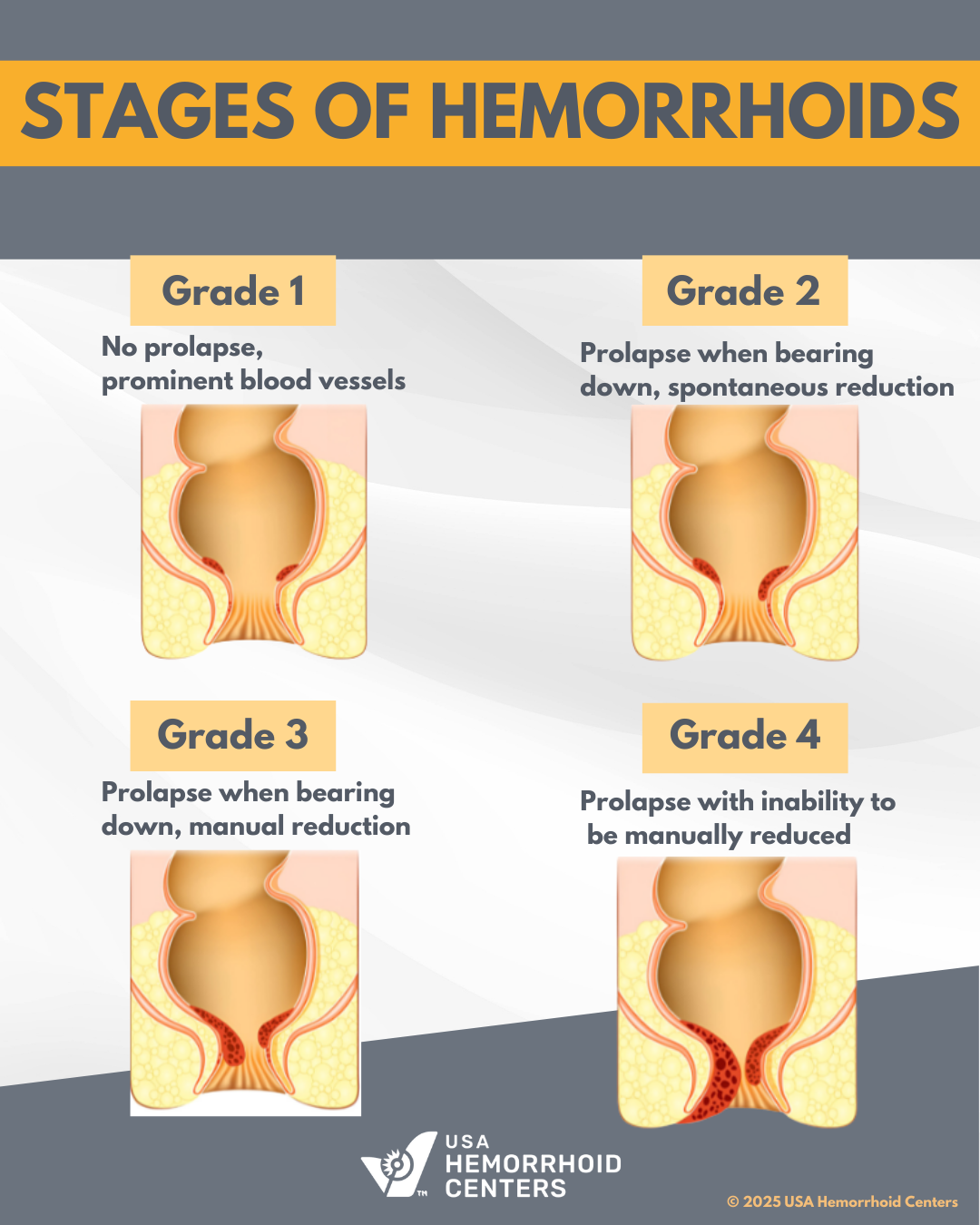
  • Grade I: Hemorrhoids remain inside the rectum and do not prolapse
  • Grade II: Hemorrhoids may prolapse during bowel movements but return inside on their own
  • Grade III: Hemorrhoids prolapse and must be manually pushed back inside
  • Grade IV: Hemorrhoids remain prolapsed and cannot be pushed back in

As internal hemorrhoids advance from Grade I to Grade IV, the likelihood of prolapse increases. This progression often happens gradually, especially if underlying causes like straining, chronic constipation, or prolonged sitting are not addressed.

Hemorrhoid Stages

What is a Prolapsed Hemorrhoid?

A prolapsed hemorrhoid occurs when an internal hemorrhoid stretches and pushes outside the anal opening. This can lead to more noticeable and uncomfortable symptoms compared to earlier stages.

Patients with prolapsed hemorrhoids may experience:

  • A visible lump or swelling outside the anus
  • Increased discomfort or pain
  • Irritation or itching
  • Mucus discharge
  • Difficulty keeping the area clean

In more advanced cases, prolapsed hemorrhoids can become trapped outside the body, which may lead to complications such as thrombosis (blood clot formation) or reduced blood flow.

Why Do Internal Hemorrhoids Become Prolapsed?

Several factors contribute to the progression from internal to prolapsed hemorrhoids. These include increased pressure in the lower rectum, which weakens the supporting tissues over time.

Common contributing factors include:

  • Chronic constipation or straining during bowel movements
  • Sitting for long periods, especially on the toilet
  • Low-fiber diet
  • Pregnancy
  • Aging and weakening of connective tissue

When these pressures persist, the veins and surrounding tissues lose their ability to stay in place, eventually leading to prolapse.

When Should You Seek Treatment?

It can be tempting to ignore early symptoms, especially if they seem mild. However, early-stage internal hemorrhoids are often easier to treat and manage.

You should consider seeing a specialist if you notice:

  • Recurrent rectal bleeding
  • Persistent discomfort or pressure
  • Any tissue protruding during or after bowel movements
  • Symptoms that are worsening over time

Prompt evaluation not only confirms the diagnosis but also helps rule out other conditions with similar symptoms.

See Our Hemorrhoid Treatment Locations

Treatment Options for Internal and Prolapsed Hemorrhoids

Treatment depends on the severity of the hemorrhoids and your symptoms. Early-stage internal hemorrhoids may respond to lifestyle changes, such as increasing fiber intake and improving bowel habits.

However, as hemorrhoids progress, minimally invasive treatments may be recommended.

One advanced, non-surgical option is Hemorrhoid Artery Embolization (HAE). This outpatient procedure targets the blood vessels supplying the hemorrhoids. Using image guidance, a specialist reduces blood flow to the affected veins, which helps shrink the hemorrhoids and relieve symptoms over time.

Because HAE does not involve incisions or tissue removal, it offers a treatment option for patients seeking relief without traditional surgery.

Insurance Information for HAE

The Importance of Early Diagnosis and Treatment

Internal hemorrhoids can absolutely progress into prolapsed hemorrhoids—but that progression is not inevitable. Early diagnosis plays a critical role in preventing symptoms from worsening and avoiding more advanced stages.

By addressing internal hemorrhoids early, patients may:

  • Reduce the risk of prolapse
  • Avoid increased discomfort and complications
  • Access simpler, less invasive treatment options

How USA Hemorrhoid Centers Can Help

At USA Hemorrhoid Centers, our specialists focus on identifying hemorrhoids at their source and creating individualized treatment plans based on each patient’s needs. With advanced diagnostic tools and minimally invasive options like Hemorrhoid Artery Embolization, we help patients find relief before symptoms progress.

If you’re experiencing signs of internal hemorrhoids, getting evaluated sooner rather than later can make a meaningful difference in your comfort, your treatment options, and your long-term outcomes.

Internal and Prolapsed Hemorrhoid FAQs

What causes internal hemorrhoids to prolapse?

Common causes include chronic constipation, frequent straining during bowel movements, prolonged sitting on the toilet, heavy lifting, pregnancy, and increased pressure in the rectal area.

What do prolapsed hemorrhoids feel like?

Prolapsed hemorrhoids may cause discomfort, swelling, itching, irritation, mucus leakage, or a feeling of tissue bulging outside the anus. Some people may also experience bleeding during bowel movements.

Can a prolapsed hemorrhoid go back inside on its own?

In earlier stages, a prolapsed hemorrhoid may retract on its own or be gently pushed back inside. More advanced prolapsed hemorrhoids may remain outside the body and require medical treatment.

Are prolapsed hemorrhoids dangerous?

Most prolapsed hemorrhoids are not dangerous, but they can become painful, irritated, or thrombosed if left untreated. Persistent symptoms should be evaluated by a hemorrhoid specialist.

What Is the Main Cause of Hemorrhoids?

Main Causes of Hemorrhoids
May 6th, 2026
10:31 AM

Hemorrhoids are common, but that doesn’t make them any less frustrating. Symptoms like itching, pain, swelling, or rectal bleeding can interfere with daily life, especially when flare-ups keep returning.

The main cause of hemorrhoids is increased pressure in the rectal area, but several everyday habits and health factors can contribute to that pressure over time. Learning what may be triggering your symptoms can help you prevent flare-ups and recognize when it may be time to seek medical care.

Understanding Hemorrhoids

Hemorrhoids are swollen veins in the lower rectum or anus, similar to varicose veins that occur in the legs. They can be:
  • Internal hemorrhoids, which form inside the rectum
  • External hemorrhoids, which develop under the skin around the anus
Both types are caused by increased pressure on the veins in the rectal area, which is the central factor behind most cases.

Is Increased Rectal Pressure the  Main Cause of Hemorrhoids?

The primary cause of hemorrhoids is prolonged or repeated pressure on the veins in the rectum and anus. When these veins are under strain, they can stretch, weaken, and swell—leading to hemorrhoids.
This pressure doesn’t usually come from a single event. Instead, it builds up over time due to everyday habits, health conditions, or life stages.

Common Factors That Increase Pressure and Cause Hemorrhoids

1. Chronic Constipation and Straining

Straining during bowel movements is one of the most common contributors to hemorrhoids. Hard stools require more effort to pass, placing extra pressure on rectal veins.
Low fiber intake, dehydration, and delayed bathroom habits can all worsen constipation.

2. Prolonged Sitting—Especially on the Toilet

Sitting for long periods, particularly on the toilet, increases pressure in the anal and rectal area. This can happen when people:
  • Spend extended time scrolling on phones in the bathroom
  • Sit for long hours at work without movement
Over time, this constant pressure can contribute to hemorrhoid development.

3. Pregnancy and Childbirth

During pregnancy, the growing uterus puts pressure on pelvic veins, slowing blood return and increasing vein swelling. Hormonal changes can also weaken vein walls.
Vaginal childbirth further increases pressure during labor, making hemorrhoids common during and after pregnancy.

4. Obesity or Excess Body Weight

Carrying excess weight—especially in the abdominal area—adds constant pressure to the pelvic and rectal veins. This makes hemorrhoids more likely and can worsen existing symptoms.

5. Chronic Diarrhea

While constipation is a common trigger, frequent diarrhea can also irritate and inflame rectal tissues, leading to vein swelling and hemorrhoids.

6. Aging and Weakened Vein Tissue

As we age, the tissues that support veins in the rectum and anus can weaken and stretch. This makes hemorrhoids more likely, even without significant lifestyle changes.

Less Common, but Contributing Causes of Hemorrhoids:

  • Heavy lifting without proper technique
  • Family history of vein disease
  • Poor circulation or vein conditions
  • Low physical activity levels
These factors can worsen vein health and increase susceptibility to hemorrhoids.

When Hemorrhoids Become a Medical Concern

Mild hemorrhoids often improve with lifestyle changes, but persistent or worsening symptoms should not be ignored. You should consider medical evaluation if you experience:
  • Rectal bleeding
  • Ongoing pain or discomfort
  • Swelling that does not improve
  • Symptoms that interfere with daily life
Because symptoms of hemorrhoids can overlap with other conditions, proper diagnosis is important.

Treating the Cause of Hemorrhoids – Not Just the Symptoms

Many people focus on managing the symptoms of hemorrhoids, such as pain, itching, swelling, or bleeding, without addressing what may be contributing to the problem in the first place. While creams, wipes, and sitz baths may provide temporary relief, symptoms can continue to return if the underlying pressure on the rectal veins is not reduced.

Because the main cause of hemorrhoids is increased pressure in the rectal area, long-term management often involves identifying and addressing contributing factors such as chronic constipation, straining during bowel movements, prolonged sitting, pregnancy, obesity, or a low-fiber diet. Lifestyle changes can help reduce flare-ups, but patients may require medical treatment depending on the severity of their hemorrhoids.

That’s why getting an accurate diagnosis is important. A hemorrhoid specialist can evaluate your symptoms, determine the type and severity of your hemorrhoids, and create a personalized treatment plan based on your condition and overall health.

For patients with persistent or advanced hemorrhoids, Hemorrhoid Artery Embolization (HAE) may be recommended. HAE is a minimally invasive, non-surgical procedure that works by reducing blood flow to the hemorrhoids, helping shrink the swollen tissue and relieve symptoms. By targeting the blood vessels feeding the hemorrhoids, HAE focuses on treating the condition itself — not just masking the symptoms.

Early diagnosis and treatment may help prevent hemorrhoids from progressing and improve your quality of life before symptoms become more severe.

Learn More about Hemorrhoid Artery Embolization

Key Takeaway on Main Causes of Hemorrhoids

The main cause of hemorrhoids is increased pressure on the veins of the rectum and anus, most often from straining, prolonged sitting, pregnancy, or excess weight. Understanding and addressing this pressure is the first step toward long‑term relief.
If hemorrhoid symptoms persist or return frequently, professional evaluation can help determine the most appropriate treatment path.

FAqs on the Main Cause of Hemorrhoids

What increases the risk of developing hemorrhoids?

Several factors can increase the risk of hemorrhoids, including chronic constipation, straining during bowel movements, prolonged sitting, pregnancy, obesity, heavy lifting, and a low-fiber diet.

Can sitting too long cause hemorrhoids?

Sitting for long periods, especially on the toilet, can increase pressure on the rectal veins and contribute to hemorrhoid development or worsening symptoms.

Do hemorrhoids go away on their own?

Mild hemorrhoids may improve with lifestyle changes, increased fiber intake, hydration, and avoiding straining. However, persistent or severe hemorrhoids may require medical evaluation and treatment.

How can I help prevent hemorrhoids?

You can help reduce your risk of hemorrhoids by eating a high-fiber diet, drinking plenty of water, exercising regularly, avoiding prolonged sitting, and not delaying bowel movements.

When should I see a hemorrhoid specialist?

You should see a specialist if you experience persistent pain, bleeding, swelling, itching, or hemorrhoid symptoms that interfere with daily activities.