
Non-Surgical Hemorrhoid Treatment Center in Yonkers, NY
Why Choose USA Hemorrhoid Centers:
- Personalized treatment plans
- Advanced, non-surgical hemorrhoid treatment
- The best Yonkers, NY hemorrhoid doctors
If you’re looking for a hemorrhoid treatment near you, call our clinic in Yonkers today to schedule an appointment. Consult with one of our experienced hemorrhoid doctors and learn more about how HAE can help you get long-term hemorrhoid relief.


Experience Relief and Comfort From Non-Surgical Hemorrhoid Treatment in Yonkers, NY
At USA Hemorrhoid Centers in Yonkers, NY, our doctors alleviate hemorrhoid symptoms with a quick, pain-free procedure. Hemorrhoid artery embolization is an advanced treatment technique that leads to long-term results without a long recovery.
If you’re looking for a hemorrhoid treatment near you, call our clinic in Yonkers today to schedule an appointment. Consult with one of our experienced hemorrhoid doctors and learn more about how HAE can help you get long-term hemorrhoid relief.
Treatment Center Location Information
Our Yonkers location is near the Beech Hill and Crestwood neighborhoods, not far from Sprain Ridge Park. It’s next to the Vitamin Shoppe and Dunkin in the shopping center on Central Park Ave.
Other Hemorrhoid Clinics Near Me
Meet Your Hemorrhoid Doctors
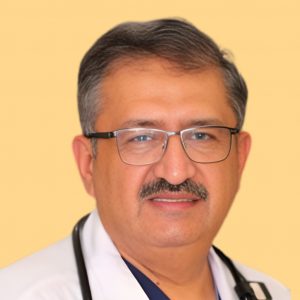
Dr. Imtiaz Ahmad , M.D.

Dr. Peter Smith , M.D.
Getting here
Directions to Our Yonkers, NY Hemorrhoid Treatment Center
Our address is:
USA Hemorrhoid Centers
2369 Central Park Avenue
Yonkers, NY 10710
How to Reach Our Hemorrhoid Center in Yonkers, NY By Car
From Rye: If driving from the Port Chester area, take I-278 W for about 9 miles. Take exit 3 (toward New York City), and then follow Sprain Brook Pkwy S for about 5 miles. Exit onto Jackson Avenue, which becomes Fort Hill Ave. Make a slight right on Central Park Avenue and enter the parking lot for USA Hemorrhoid Centers.
From New Rochelle: Our hemorrhoid center is about 10 miles from New Rochelle, NY. Start out on Hutchinson River Pkwy N for about 2 miles. Take Cross Country Pkwy (exit 6B) for another 2 miles, then take exit 6 toward Sprain Pkwy. Continue on Sprain Brook Pkwy N for 4 miles, then exit Jackson Avenue to Fort Hill Avenue. Make a slight right onto Central Park Avenue, and you’ll see USA Hemorrhoid Centers next to Hook & Reel Cajun Seafood & Bar.
How to Reach Our Hemorrhoid Center in Yonkers, NY via Public Transportation
You can reach our hemorrhoid treatment center in Yonkers, NY by bus. Take bus 0020 or 0021 and get off at the stop at Central Park Avenue at Fort Hill Road. Cross Central Park Avenue at the crosswalk. USA Hemorrhoid Centers is a two-minute walk south along Central Park Ave.
Parking
There are parking spaces available for our patients out front.
Insurance Information for Hemorrhoid Treatment
At USA Hemorrhoid Clinics, we are dedicated to addressing all the challenges associated with varicose hemorrhoids and spider hemorrhoids. This also includes acknowledging affordable hemorrhoid treatment options. Our goal is to provide you with the best-in-class and affordable hemorrhoid treatment possible for varicose and spider hemorrhoids. Varicose and spider hemorrhoids are symptoms of hemorrhoid disease and could lead to more dangerous health issues if left untreated. These can include venous ulcers and blood clots.
Patients frequently ask if their varicose hemorrhoid treatment is covered by insurance. Due to the relation of varicose hemorrhoids to hemorrhoid disease, health insurance usually covers varicose hemorrhoid treatments. Do you have specific questions about health insurance and your coverage? We’re here to help with the entire process.
Our dedicated team of insurance specialists will work with you every step of the way to maximize your insurance benefits. We will also complete the necessary paperwork to get your treatment plan approved by your insurance provider. We are here to offer guidance if you have any questions regarding health insurance or our affordable options for varicose and spider hemorrhoid treatment. We are constantly adding new insurance companies to our database to maximize your benefits and likelihood of having your treatment covered. For patients whose hemorrhoid embolization treatment costs are not covered, we also offer a range of financing options, including CareCredit, HELPcard*, and HSA or FSA accounts.
Does Insurance Cover Varicose Hemorrhoid Treatment?
Varicose hemorrhoids and spider hemorrhoids are symptoms of hemorrhoid disease, so treatment is typically covered by most insurance plans, including Medicare and Medicaid.
Your out-of-pocket cost is determined by the type of treatment you receive, whether we see you in the office or via telemedicine (which may also be covered by your insurance plan), and your insurance coverage. Please give us a call or use our scheduling tool to verify in advance that we accept your insurance plan and to understand your initial consultation cost.
We offer minimally invasive and highly effective BPH treatments covered by most major insurances. Call us today with any questions.
Insurance Verification Online
We want to make staying healthy easy while keeping the cost as reasonable as possible. That’s why we brought appointment scheduling to your fingertips. You can book an appointment online via our HIPAA-compliant scheduling option and find out if we accept your insurance with just a few taps of your finger. Our scheduling tool verifies your varicose hemorrhoids insurance coverage for an initial visit. It also helps you find a clinic close to you, so you don’t have to commit before knowing your insurance eligibility. We also provide both in-office and telemedicine appointments for your convenience. Not comfortable making an appointment online? Not a problem. Give us a call, and one of our team members will assist you with all of your insurance-related questions and get your appointment scheduled.
We focus on low-cost, highly effective treatments and remain transparent about the cost of treatment from beginning to end. We don’t want you to avoid treatment because of worries about cost. We will make you aware of the costs associated with your treatment upfront so that you can make the best decisions for your care and budget.
How To Prepare For Your Visit
Meet Our Hemorrhoid Doctors in Yonkers, NY
Experience peace of mind knowing you are in expert hands at our hemorrhoid treatment center in Yonkers, NY. Our doctors are highly recommended hemorrhoid specialists committed to helping our patients live hemorrhoid-free.
How to Prepare for Hemorrhoid Treatment at Our Yonkers, NY Clinic
On the day of your hemorrhoid treatment, avoid eating any meals. We recommend fasting from food for about six hours before your procedure. You can drink fluids before your treatment. It’s also a good idea to wear loose-fitting clothing to your appointment so you feel comfortable after your treatment.
Hemorrhoid artery embolization only takes about 45 minutes, and you can go home a little while after your treatment. In total, you should expect to be at our clinic for about two hours.
Dr. Reichman is the best! I’m super glad I decided to get my procedure with him.
Ease access, friendly staff and excellent doctor! I totally recommend!
Doctor Reichman is Fantastic!! Made me feel totally comfortable and at ease with procedure. Now I have no more symptoms!! Free after 20 years of discomfort.
Very helpful staff who made me feel comfortable. The provider was fantastic and I’m actually looking forward to my procedure. 🤞🏻
Highly recommended! They made my whole process from original consultation to procedure a great experience!
Just unbelievable! All the staff taking care of you - every human person there - made the experience was mind blowing. Thank you to everyone! Very amazing experience at USA Hemorrhoid Centers!
Excellent place and the service is top notch!
USA Hemorrhoid Centers tool very good care of my needs! From beginning to the end very professional - would recommend any time.
The staff was welcoming, professional, and made me feel comfortable from the moment I walked in. The provider took the time to explain everything clearly and answered all my questions. The procedure was smooth and efficient, and overall I felt very well taken care of. Highly recommend!
I would recommended anyone needing instant relief of hemorrhoids! GREAT doctors and true professionals!
I highly recommend this place to anyone. Everyone was super friendly and professional and made my whole experience better than I could have expected. If you need a Hemorrhoid Artery Embolization, I highly recommend.
That’s a good place to receive better treatment of Hemorrhoids. You will get a good care of what you are looking for. Dr. Aaron D. Reichman is an amazing person.
Everything done professionally and the staff was super friendly and attentive!
USA Hemorrhoid Centers was very friendly and professional. Getting appointments, making any adjustments, and check in was very easy. My HAE procedure was delayed due to a snow storm. Althought it was an inconvenience, the office reached out to me and did everything possible to reschedule and assist me. I was able to get my procedure done the next day! Dr. Reichman is an excellent doctor. Friendly, knowledgeable, and very experienced in hemorrhoid artery embolization. I felt comfortable the whole time, from consultation to post-procedure. Couldn't have had a better experience.
It was a very good experience from the attention with the nurses and the doctor!
The doctor was great. Very good experience. My procedure was a success, they are very pleasant, helpful and respectful to me and my husband.
The doctor and staff are wonderful. it was my first procedure ever and they made me very comfortable with explaining the procedure step by step. Also, his assistant was very nice. She took very good care of me and I appreciate her so much! 10/10 recommend.
The staff was very helpful and professional. The doctor explained the procedures and he helped me make the best decision.
The doctor was wonderful. He explained all symptoms and detailed the procedure. After receiving my treatment, I feel much much better! USA Hemorrhoid Centers, Dr. H and his staff are excellent!!!!
I recently underwent a nonsurgical procedure that provided better results than the surgeries I already had to address the issues. Dr. Taghipour expertly walked me through each step and patiently answered all my questions. The procedure was comfortable with minimal downtime, and I noticed positive results quickly. The office was modern and clean, while the nurses provided attentive, personalized care. I highly recommend this nonsurgical option and Dr. Taghipour’s practice to anyone with similar concerns.
Great experience!!! This is the place to go to if you are dealing with hemorrhoids issues!

The staff was very helpful and professional. The doctor explained the procedures and he helped me make the best decision.
Dr G and whole staff are incredible. My hemorrhoid procedure was completely painless and effective
 Ivan G.
They explained everything I needed to know about the HAE procedure in a very easy-to-get way, by the time of the procedure, I had no fear or doubt that I was on the right place.
 Abe K.
I am so glad to have gone to USA Hemorrhoid Centers. My experience has been amazing. The staff are all so friendly but professional. The doctor is wonderful and in his professional manner makes you very comfortable and explains anything you have questions about. So very happy.
USA Hemorrhoid Centers all staff were incredible. They communicated throughout and checked in frequently to ensure I was as comfortable as possible. I am happy I chose to get the treatments and look forward to the improvements.
FAQs About Hemorrhoid Treatment
Hemorrhoid artery embolization (HAE) is an outpatient procedure for internal hemorrhoids. It can be performed outside of a hospital setting and only takes about 45 minutes. Because this treatment method doesn’t remove hemorrhoid tissue, there’s no risk of developing rectal wounds, allowing people with difficult hemorrhoid symptoms to get relief without worrying about a high risk of complications.
As a non-surgical procedure, HAE does not require general anesthesia. It also doesn’t involve stitches or a painful recovery. Our patients can go home the same day as their treatment, and with a high success rate, the results are excellent and long-lasting. Other benefits of HAE include the preservation of anal continence and a lower risk of bleeding after treatment.
Insurance generally does cover hemorrhoid treatment. Our Yonkers, NY hemorrhoid treatment center participates with most insurance plans, including Medicare and Medicaid. We also have affordable payment options available to our patients. Read more about insurance coverage for hemorrhoids.
To help our patients focus on getting the treatment they need, we’ve built insurance verification into our scheduling tool. When you schedule online, you can check your insurance right away.
You can consult with one of the best Yonkers, NY hemorrhoid specialists at USA Hemorrhoid Centers on Central Park Avenue. Book a consultation today and take the first step to living hemorrhoid-free.