
USA Hemorrhoid Centers
77777777777

Are Women More Prone to Hemorrhoids?

Woman wondering if she is more prone to hemorrhoids
November 3rd, 2026
08:42 AM

Medically reviewed by

Dr. Jacob White, M.D.,

Interventional Radiology

Reviewed November 2026

Women are slightly more prone to hemorrhoids than men overall, but the risk rises sharply during specific life stages, particularly pregnancy and the postpartum period. Research published in Scientific Reports tracking nearly 195,000 adults highlights this gap, 17.2 percent prevalence in women versus 16.3 percent in men, with parity, the number of times a woman has given birth, serving as the main factor behind that difference.

We will look into why women face unique hemorrhoid risk factors, how pregnancy and hormonal changes play a role, how symptoms can differ between women and men, and when it may be time to speak with a specialist about treatment options beyond lifestyle management.

Why Pregnancy Increases Hemorrhoid Risk

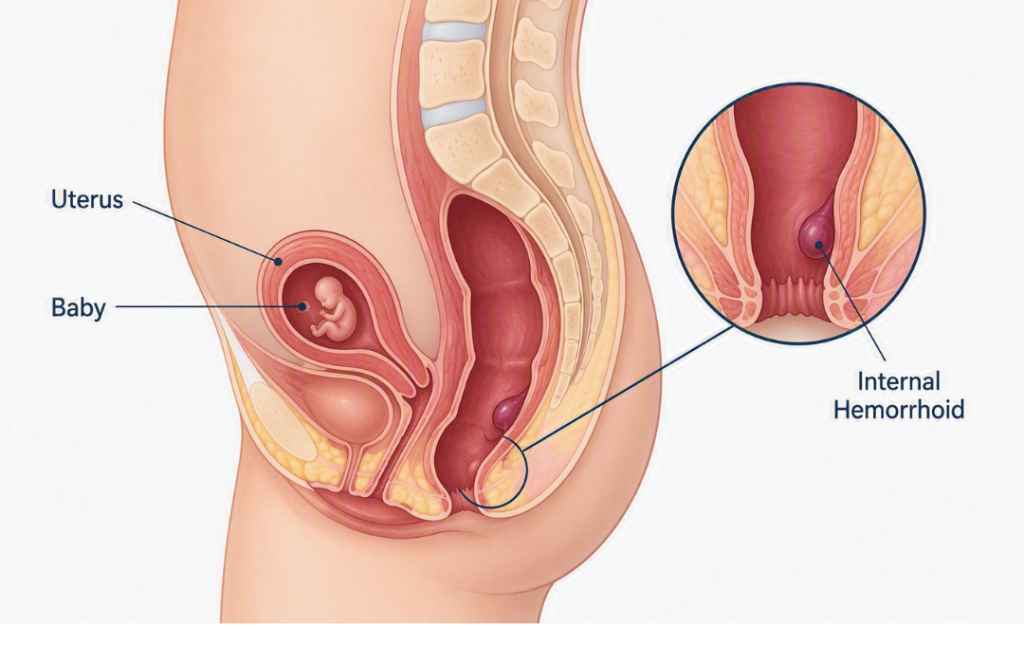
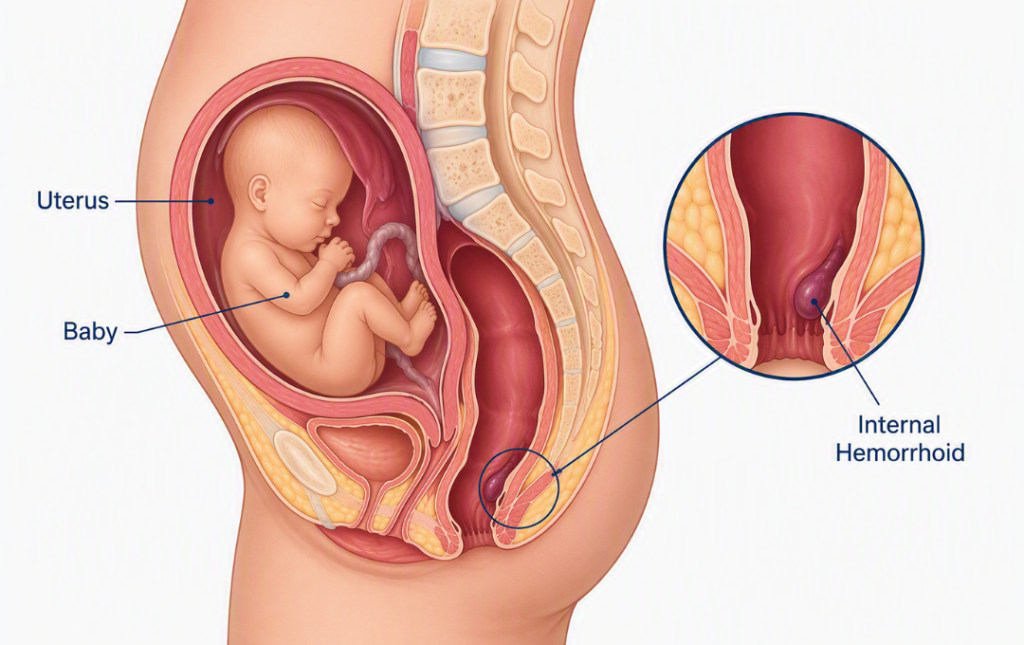
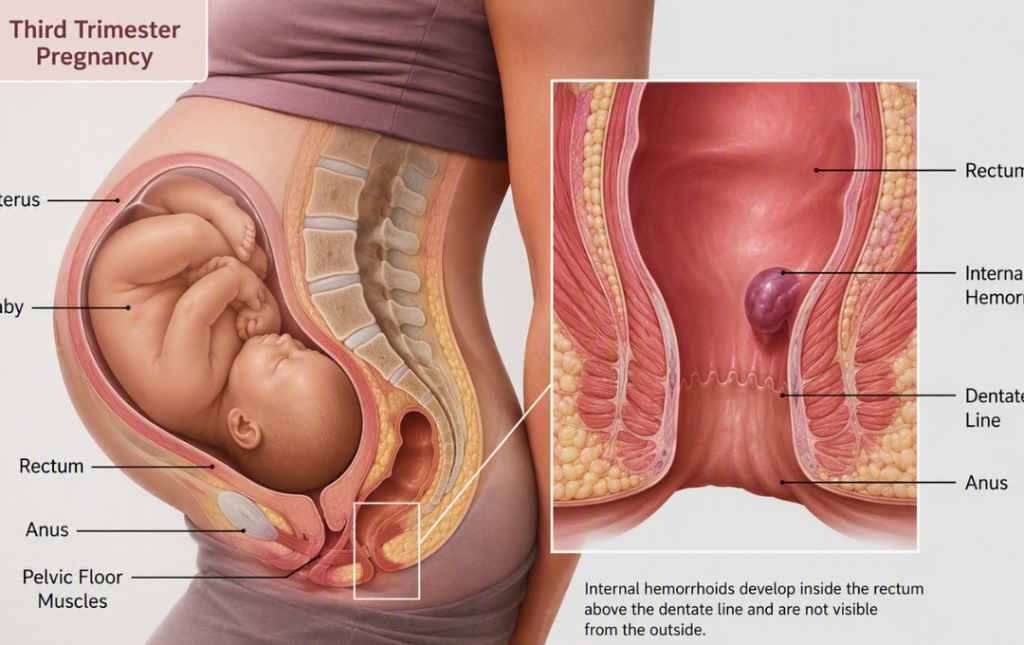
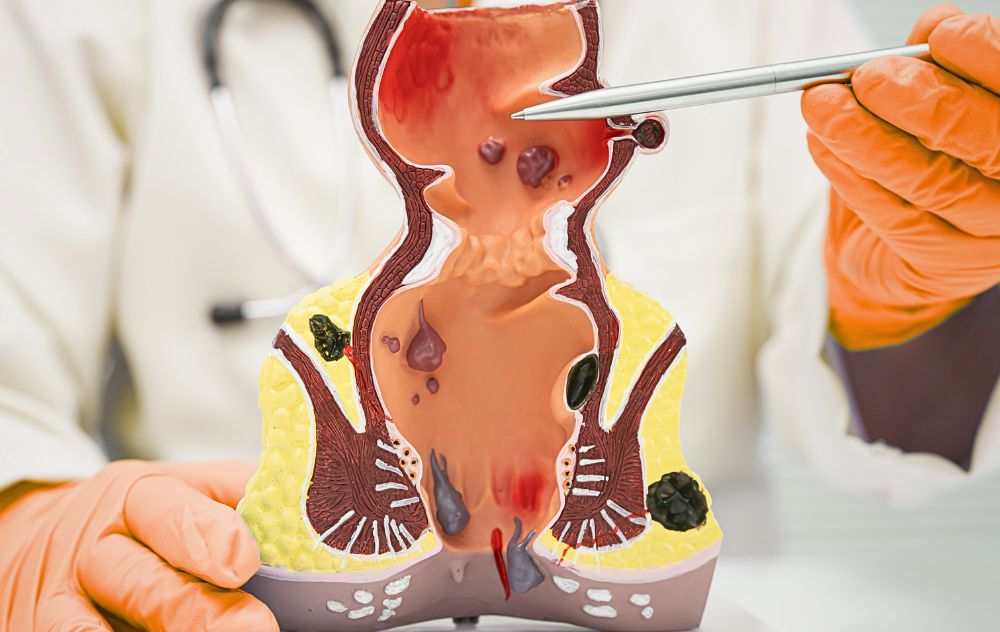
Hemorrhoids are cushions of vascular tissue located in the rectum and around the anus that help with bowel control. They become symptomatic, causing pain, itching, bleeding, or prolapse, when the veins within those cushions become enlarged and swollen. Pregnancy creates several conditions at once that place pressure on that tissue.

Research published in Canadian Family Physician (PMC) estimates that 25 to 35 percent of pregnant women develop hemorrhoids, with some studies placing the rate as high as 85 percent in the third trimester. Contributing factors include:

  • Increased abdominal pressure: The expanding uterus presses on the rectal veins, reducing blood flow and causing pooling and swelling in the hemorrhoidal tissue.
  • Increased blood volume: Blood volume rises substantially during pregnancy, placing added load on the venous system throughout the body, including the vessels in the anorectal region.
  • Hormonal changes: Higher progesterone and estrogen levels slow bowel motility, which can lead to constipation and harder stools, both linked to straining that can aggravate hemorrhoidal tissue.
  • Straining during delivery: Vaginal delivery itself raises risk substantially. One study found that childbirth raises the likelihood of hemorrhoids by nearly eight times, and that risk compounds with each pregnancy.
  • Prior hemorrhoid history: A 2024 PMC study found that women with a previous hemorrhoid diagnosis were more than five times as likely to develop hemorrhoids again during a later pregnancy.

Note: Many women dismiss hemorrhoid symptoms during pregnancy as a normal part of the experience. While symptoms often improve after delivery, symptoms that persist or get worse are worth a specialist’s attention.

Which Types of Hemorrhoids Affect Women Most?

Pregnancy and the postpartum period make women especially prone to internal hemorrhoids, particularly ones that prolapse. Swollen external tissue can appear too. Higher progesterone relaxes vein walls. The growing uterus adds pelvic pressure. The physical strain of childbirth stretches supporting tissue further. Together, these changes make symptomatic hemorrhoidal disease more common during these reproductive years. A specialist can confirm which type is present and what the right next step looks like.

How Giving Birth Impacts Long-Term Hemorrhoid Risk

The number of times a woman has given birth, referred to clinically as parity, is one of the most well-documented risk factors for hemorrhoidal disease in women. The large Korean cohort study published in Scientific Reports (2022), which looked at nearly 195,000 adults, found that hemorrhoidal disease was meaningfully more common in women who had given birth compared to those who had not. That link held even after researchers adjusted for other lifestyle and metabolic factors.

This suggests that repeated pregnancies and deliveries may cause lasting changes to the pelvic floor and anorectal tissue, adding to a higher baseline risk of symptomatic hemorrhoids later in life. Women who have had multiple vaginal deliveries, a long labor, or a large newborn may be at higher risk.

Note: Body weight distribution and hemorrhoidal disease also appear to be linked differently by sex and parity. Research suggests waist size may be more closely tied to hemorrhoid prevalence in women who have given birth specifically.

Symptoms Women Should Not Ignore

Hemorrhoid symptoms can range from mild irritation to real daily discomfort. Because many women treat these symptoms as normal, especially after pregnancy, it helps to know which signs call for an evaluation. Hemorrhoidal disease can be internal, external, or both, and symptoms often differ by type.

  • Rectal bleeding: Bright red blood during or after a bowel movement is one of the most common early signs. Research consistently links fresh blood in the stool with hemorrhoidal disease, though any rectal bleeding should be checked by a clinician to rule out other causes.
  • Pain or pressure: Discomfort around the anus, especially during or after bowel movements, may point to internal or external hemorrhoids.
  • Itching and irritation: Burning, itching, or mucus discharge are common with hemorrhoidal disease and may get worse with long periods of sitting.
  • Prolapse: Internal hemorrhoids that push through the anal opening during or after a bowel movement, or that need to be pushed back in by hand, point to a more advanced stage that calls for prompt evaluation.
  • Feeling of incomplete emptying: A lasting sense that the bowel has not fully emptied has been linked to hemorrhoidal disease in research.

Risk Factors Beyond Pregnancy that Affect Women

While pregnancy is the most distinctive risk factor for women, several other contributors to hemorrhoidal disease apply more broadly and matter for women across different life stages.

Several lifestyle and biological factors add to hemorrhoid risk. Long-term constipation is a leading cause. Straining during bowel movements places steady pressure on hemorrhoidal tissue, and hormone shifts across the menstrual cycle and perimenopause can make this worse by disrupting bowel regularity. Low-fiber, low-fluid diets add to the problem by producing harder stools that take more effort to pass. A sedentary lifestyle and prolonged sitting also keep steady pressure on the pelvic region.

Aging plays a role too. The tissue that supports the hemorrhoidal cushions naturally weakens over time, raising the risk of prolapse in both women and men. Family history matters as well: a family history of hemorrhoids is linked to a higher personal risk.

View Our Locations

Hemorrhoid Symptoms: Women vs. Men

Overall lifetime prevalence of hemorrhoidal disease is similar between women and men, but what triggers symptoms, and when those symptoms get reported, often looks different by sex.

For women, pregnancy, hormone shifts, and pelvic floor changes from childbirth are the most distinctive symptom triggers, as covered above. Men more often develop symptomatic hemorrhoids tied to long periods of sitting, heavy lifting, and lower-fiber eating patterns. Research on care-seeking habits also shows that men are more likely than women to put off bringing symptoms to a doctor, which can let hemorrhoids reach a more advanced stage before they are evaluated.

Because the underlying tissue changes behind bleeding, itching, and prolapse are the same regardless of sex, the evaluation a hemorrhoid specialist performs does not differ by gender. What differs is the context: a woman’s evaluation may include questions about pregnancy and childbirth history, while a man’s evaluation may focus more on lifestyle and work-related factors. Either way, symptoms that persist or get worse are worth bringing to a specialist, whether you are asking for yourself or someone you care about.

What Hemorrhoid Treatment Looks Like Today

Many women, and many men, wait longer than they need to before seeking care for hemorrhoid symptoms, often because they are unsure whether treatment exists beyond lifestyle changes or over-the-counter creams. Today, office-based and minimally invasive procedures can address hemorrhoids without general anesthesia or a hospital stay.

USA Hemorrhoid Centers offers Hemorrhoid Artery Embolization (HAE), an outpatient procedure typically completed in under an hour that is designed to help patients return to normal activities quickly. An experienced specialist evaluates the grade and type of hemorrhoids present before recommending the approach that fits. Treatment is tailored to each patient’s anatomy, symptom severity, and medical history, including obstetric history for women.

If symptoms have lasted more than a few weeks, gotten worse over time, or are getting in the way of daily life, an evaluation is the right next step.

Treatment option: hemorrhoid treatment

Lifestyle changes can help. They do not treat the underlying condition.

More fiber, more water, and less straining can ease discomfort and help manage symptoms day to day. But if you are dealing with ongoing bleeding, prolapse, pain during bowel movements, or persistent itching and pressure, lifestyle changes alone are unlikely to resolve the problem. These are signs that the hemorrhoidal tissue has been meaningfully affected.

USA Hemorrhoid Centers offers minimally invasive, outpatient treatment performed by experienced specialists. Procedures are completed in the office, typically in under an hour, with no general anesthesia required and a fast return to daily activities for most patients. The first step is a consultation to review your symptoms and talk through the options that fit your situation.

Frequently asked questions

Do hemorrhoids go away on their own after pregnancy?

Many women see mild pregnancy-related hemorrhoid symptoms improve within weeks of delivery, especially with more fiber, hydration, and sitz baths. However, some women, particularly those with more advanced or prolapsed hemorrhoids, continue to have symptoms postpartum. If symptoms persist beyond six to eight weeks or worsen, a specialist evaluation is recommended.

Do menstrual cycles affect hemorrhoid symptoms for women?

Menstrual cycles do not cause hemorrhoids directly, but hormonal shifts in progesterone and estrogen can slow digestion and affect blood vessels, leading to constipation and fluid retention. Women with existing hemorrhoids may notice symptoms flare up around their period as a result.

Is rectal bleeding always from hemorrhoids?

No. While bright red blood on toilet paper or in the bowl is a common hemorrhoid symptom, rectal bleeding can also signal anal fissures, inflammatory bowel disease, polyps, or colorectal cancer. Any rectal bleeding warrants evaluation by a clinician, especially for women over 45 or with a family history of colorectal conditions.

Are hemorrhoid treatments safe after childbirth?

For women who are not pregnant or actively breastfeeding, office-based hemorrhoid treatments are generally well tolerated. A specialist reviews each patient’s full medical and obstetric history, including breastfeeding status, before recommending a treatment approach tailored to the type, grade, and severity of hemorrhoids present.

How many pregnancies does it take for hemorrhoids to become a long-term problem?

There is no set number. Research shows risk increases with parity, meaning each pregnancy and delivery may add to the cumulative effect on anorectal tissue. Women who had hemorrhoids with a first pregnancy are more likely to experience them again in later pregnancies.

Do hemorrhoids occur more in women or men?

Overall lifetime prevalence is similar between women and men, but the pattern behind that number differs by sex. Women more often develop symptoms tied to pregnancy and hormonal changes, while men’s risk is more closely tied to prolonged sitting, heavy lifting, and delayed care-seeking that can allow hemorrhoids to advance further before treatment.

What happens if a man has hemorrhoids?

The same underlying tissue changes occur in men as in women, causing bleeding, itching, or prolapse. Because men are statistically more likely to delay seeking care, symptoms can progress further before evaluation. A specialist can assess the grade and type of hemorrhoids present and discuss the treatment options that fit.

  1. Kim SY, et al., “Risk factors for hemorrhoidal disease among healthy young and middle-aged Korean adults,” Scientific Reports, January 7, 2022. https://www.nature.com/articles/s41598-021-03838-z
  2. Abramowitz L, et al., “Hemorrhoids in pregnancy,” Canadian Family Physician / PMC. https://pmc.ncbi.nlm.nih.gov/articles/PMC2278306/
  3. Bužinskienė D, Sabonytė-Balšaitienė Ž, Poškus T., “Perianal Diseases in Pregnancy and After Childbirth: Frequency, Risk Factors, Impact on Women’s Quality of Life and Treatment Methods,” Frontiers in Surgery, February 18, 2022. https://pubmed.ncbi.nlm.nih.gov/35252326/
  4. Boughton RS, et al., “Haemorrhoids and Anal Fissures in Pregnancy: Predictive Factors and Effective Treatments,” Cureus / PMC, February 7, 2024. https://pmc.ncbi.nlm.nih.gov/articles/PMC10849161/
  5. Lohsiriwat V, “Hemorrhoids in Pregnancy and Breastfeeding,” IntechOpen, April 2025. https://www.intechopen.com/chapters/1216724
  6. Robertson S, “Epidemiology of Hemorrhoids,” News-Medical, 2022. https://www.news-medical.net/health/Epidemiology-of-Hemorrhoids.aspx

Medical disclaimer: This content is for informational purposes only and is not a substitute for professional medical advice, diagnosis, or treatment. Always seek the guidance of a qualified healthcare provider with any questions you may have regarding a medical condition.
 

How to Get Rid of External Hemorrhoids Without Surgery?

Treatment options for external hemorrhoids
October 27th, 2026
10:08 AM

Medically reviewed by

Dr. Jacob White, M.D., Interventional Radiology
Reviewed August 2026

Discovering an external hemorrhoid can cause immediate concern, discomfort, and sharp pain. However, invasive surgery is rarely the first or only line of defense.

The vast majority of external hemorrhoids clear up within one to two weeks using non-surgical treatments, over-the-counter remedies, and targeted lifestyle modifications.

1. Fast OTC & Natural Home Remedies

When external hemorrhoid symptoms flare up, immediate topical relief can calm irritation, lower localized inflammation, and numb sharp discomfort.

Warm Sitz Baths

Soaking the anal area in warm, plain water for 10 to 15 minutes, two to three times daily (especially after bowel movements) improves regional circulation and relaxes the sphincter muscle.

  • Use a sitz bath basin that rests on the toilet seat or a shallow warm bathtub.
  • Avoid scented soaps or bubble baths, which can further aggravate delicate tissues.
  • Pat the area dry gently with a clean towel or use a hair dryer on a cool setting—never rub.

Cold Compresses & Ice Packs

To bring down acute swelling, apply a cold pack wrapped in a clean towel to the affected area for 15 to 20 minutes. Cold therapy constricts blood vessels and temporarily numbs severe pain.

Topical Creams & Witch Hazel

  • Hydrocortisone Creams: Help calm intense itching and inflammation. Limit use to a maximum of 7 consecutive days, as long-term steroid use can thin sensitive skin.
  • Witch Hazel Pads: Witch hazel acts as a natural astringent, helping to shrink swollen tissues and relieve stinging. Refrigerating witch hazel pads offers an extra cooling sensation.
  • Topical Numbing Agents: Products containing lidocaine or pramoxine temporarily block pain signals during flare-ups.

2. Dietary & Lifestyle Adjustments

Topical solutions treat external symptoms, but addressing internal issues prevents ongoing strain and promotes lasting healing.

Treatment Strategy Actionable Step Key Benefit
Fiber Boost Consume 25–35g/day from oats, lentils, berries, or psyllium husk supplements Bulks and softens stool to prevent strain
Hydration Drink at least 6–8 glasses (64 oz) of water daily Keeps stools soft and prevents constipation
Toilet Habits Avoid sitting on the toilet for more than 3–5 minutes Prevents increased pelvic floor pressure
Gentle Hygiene Switch from dry toilet paper to alcohol-free moist wipes or a bidet Reduces friction and mechanical irritation

3. Managing Severe Cases: Professional Care & Targeted Interventions

When an external hemorrhoid becomes severe or forms a painful blood clot (thrombosis), continuing to rely solely on OTC creams may delay recovery. Prompt medical care can deliver significantly faster relief than waiting for the clot to dissolve on its own.

Accurate Diagnosis Matters

An evaluation by a board-certified specialist is critical to securing the right treatment. Anorectal issues can present with nearly identical symptoms:

  • External vs. Prolapsed Internal Hemorrhoids: Rubber band ligation (hemorrhoid banding) is an extremely effective, non-surgical treatment for internal hemorrhoids, but it cannot be performed on external hemorrhoids due to sensitive nerve endings.
  • Overlapping Conditions: Issues like anal fissures, skin tags, or localized skin irritation require distinct therapies. Custom prescription protocols or compounded ointments are often needed when multiple issues exist together.

Why Non-Surgical Treatments Sometimes Fail

If your symptoms aren’t improving, it typically comes down to a few factors:

  • Treating the Wrong Issue: Itching, bleeding, or pain don’t automatically stem from external hemorrhoids. Assuming all anorectal discomfort is the same often leads to using ineffective remedies.
  • Temporary Relief vs. True Healing: Soothing creams mask immediate discomfort, but if underlying causes—such as straining, chronic constipation, or sitting for prolonged periods—aren’t addressed, flare-ups will recur.
  • Delaying Care Due to Fear: Many people avoid seeing a specialist out of embarrassment or fear that any doctor visit will result in surgery. In reality, most cases are diagnosed quickly and managed with simple, in-office procedures that require minimal to no downtime.

4. Minimally Invasive In-Office Procedures

If conservative home care isn’t enough, a specialist can offer targeted, non-surgical procedures:

  • Thrombectomy: For acute thrombosed external hemorrhoids, a doctor can perform a minor in-office procedure under local anesthesia to express the clot. This provides immediate pressure relief and is most effective when done within 48 to 72 hours of symptom onset.
  • Infrared Coagulation (IRC) or Laser Therapy: Utilizes focused thermal energy to seal off blood flow to tissue, prompting it to shrink naturally without scalpels or stitches.

Expert Care Options

Get Professional Guidance for Lasting Relief

Persistent symptoms or severe flare-ups deserve expert attention. Schedule a consultation with a specialist to get an accurate diagnosis and a personalized, non-surgical treatment plan tailored to your condition.

When to See a Healthcare Provider

While most external hemorrhoids resolve without complications, consult a healthcare professional if you experience:

  • Excessive or persistent rectal bleeding (bright red blood on toilet paper or in the bowl).
  • Severe, unmanageable pain that hinders daily activity.
  • Symptoms that do not improve after 7 to 10 days of consistent home care.
  • Stools that are dark, tarry, or mixed with maroon blood (which may indicate bleeding higher in the digestive tract).

Frequently Asked Questions About External Hemorrhoid Relief

How long does it take to get rid of an external hemorrhoid without surgery?

Most uncomplicated external hemorrhoids begin to shrink and improve within 1 to 2 weeks with conservative home treatment, including warm sitz baths, high-fiber intake, and OTC soothing creams.

Can rubber band ligation be used on external hemorrhoids?

No. Rubber band ligation is strictly designed for internal hemorrhoids. External hemorrhoids are covered by nerve-dense, highly sensitive skin, making banding extremely painful and medically inappropriate for external tissue.

What is a thrombosed external hemorrhoid, and how is it treated?

A thrombosed external hemorrhoid occurs when a blood clot develops inside the swollen vein, causing sudden, intense pain and a firm lump. If evaluated within 48 to 72 hours, a physician can perform a quick in-office thrombectomy under local anesthesia to drain the clot and offer fast relief.

Why do my external hemorrhoid symptoms keep coming back?

External hemorrhoids often recur if the underlying root causes aren’t addressed. Persistent straining during bowel movements, chronic constipation, low dietary fiber, lack of hydration, or sitting on the toilet for prolonged periods can continuously re-trigger flare-ups.

How do I know if my pain is caused by an external hemorrhoid or an anal fissure?

External hemorrhoids usually feel like a soft or firm swollen lump near the anal opening, whereas anal fissures are small tears in the lining that cause sharp, cutting pain specifically during or right after a bowel movement. A specialist evaluation can accurately identify the difference to ensure you get the right treatment.

Medical disclaimer: USA Hemorrhoid Centers content provides medical education only. It is not a diagnosis or treatment recommendation. Consult a hemorrhoid specialist for evaluation.

  1. Acheson, A.G., and J.H. Scholefield. “Management of Haemorrhoids.” BMJ, vol. 336, no. 7640, 2008, pp. 380–383. doi:10.1136/bmj.39465.674745.80.
  2. Davis, B.R., S.A. Lee-Kong, J. Migaly, D.L. Feingold and S.R. Steele. “The American Society of Colon and Rectal Surgeons Clinical Practice Guidelines for the Management of Hemorrhoids.” Diseases of the Colon & Rectum, vol. 61, no. 3, 2018, pp. 284–292. doi:10.1097/DCR.0000000000001030.
  3. Villalba, H., and M.A. Abbas. “Hemorrhoids: Modern Remedies for an Ancient Disease.” The Permanente Journal, vol. 11, no. 2, 2007, pp. 74–76. doi:10.7812/tpp/06-156.

Hemorrhoid Exam: What to Expect

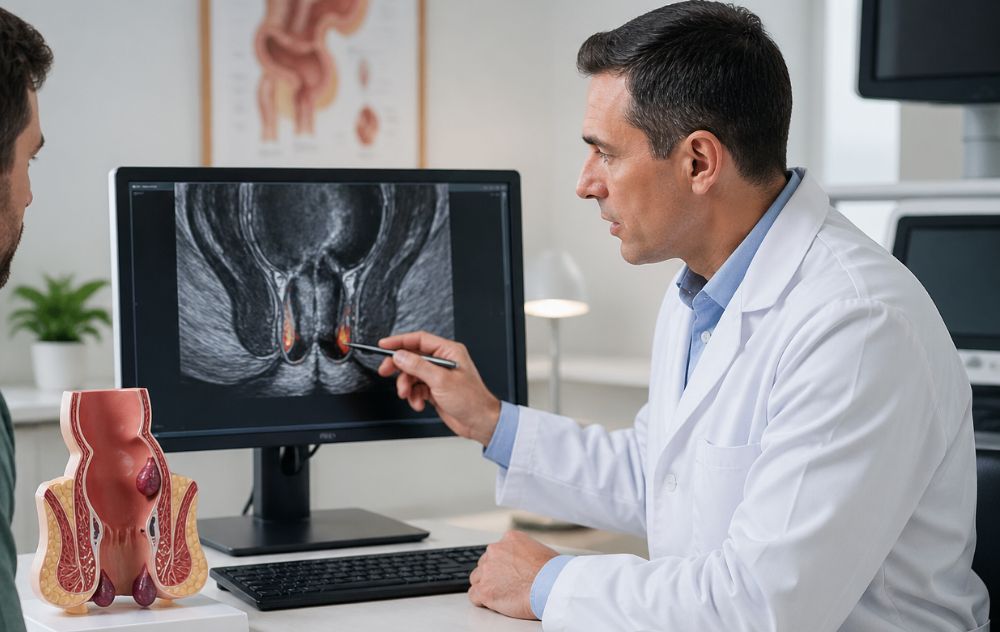
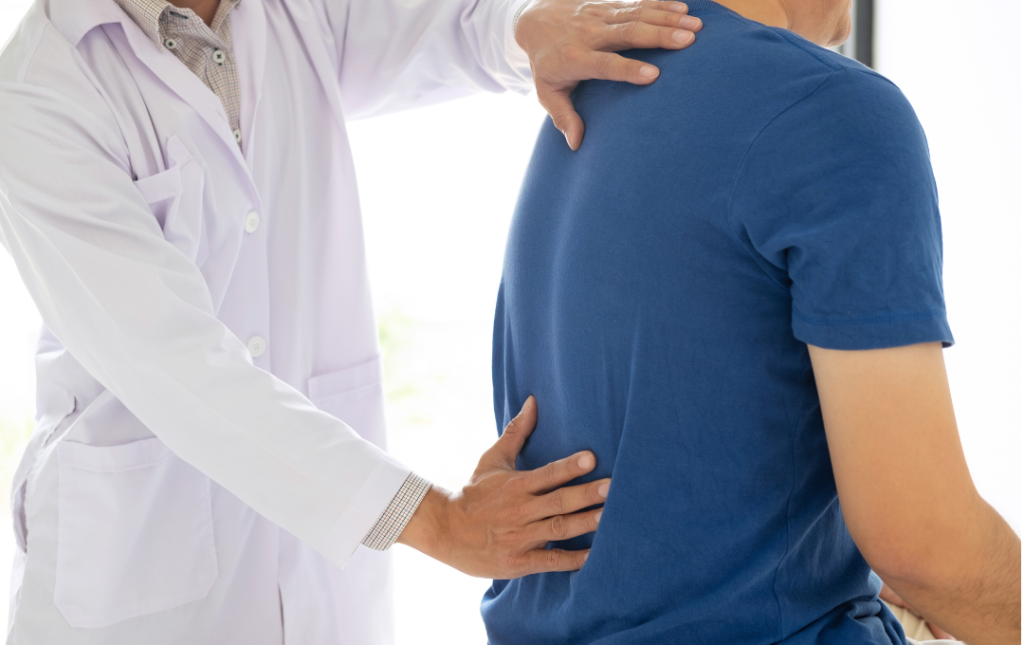
Hemorrhoid specialist performing a physical evaluation to check for hemorrhoids
October 9th, 2026
03:39 PM

Medically reviewed by

USA Clinics Medical Review Team
Reviewed October 2026

A hemorrhoid exam is short and simple. It usually means a quick talk about your symptoms, a visual check, and sometimes a brief look inside with a small lighted tool. Most visits take just a few minutes.

We will walk through what happens step by step during a hemorrhoid exam. We will also cover how doctors tell hemorrhoids apart from other problems, and when it is time to book a visit instead of waiting.

How Doctors Diagnose Internal Hemorrhoids

Most of the time, a symptom history and a short exam are enough. From there, your provider can give the hemorrhoid a grade from 1 to 4. The grade is based on how far the tissue bulges, or prolapses, out of the body. Lower grades tend to cause less bleeding and less discomfort.

Sometimes a provider will suggest more testing, such as a flexible sigmoidoscopy or colonoscopy. The National Institute of Diabetes and Digestive and Kidney Diseases notes that these extra steps are common.[1] They are often used when hemorrhoids are found during a routine exam for another issue. They are also used when symptoms hint at something more.

Note: Extra testing is about being careful. It does not mean hemorrhoids are rare or hard to spot. It is a normal part of good care, especially for new or changing bleeding.

What Happens During a Hemorrhoid Exam

A hemorrhoid exam follows a few simple steps. Each step helps your provider see what is causing your symptoms. A specialist can use several procedures to diagnose internal hemorrhoids and tailor your treatment plan:

Talking About Your Symptoms

First, your provider will ask about your symptoms. This may include bleeding, itching, pain, or pressure. They may also ask about your diet and bathroom habits. It can feel awkward to talk about, but honest answers help lead to the right diagnosis.

The Visual and Digital Exam

Next, your provider looks at the area around the anus. This step can spot external hemorrhoids, skin tags, or swelling. After that, your provider may do a digital rectal exam. They gently use a gloved, lubricated finger to check inside the rectum. This part is quick. It may feel a little strange, but it is not usually painful.

Digital Rectal Exam (DRE): A quick, minimally invasive check where a doctor uses a lubricated, gloved finger to feel for abnormalities in the anal canal. While fast and causing only mild discomfort, it may miss smaller or higher-up hemorrhoids.

Anoscopy and Proctoscopy

Internal hemorrhoids sit higher up, so they are not always easy to feel. If needed, your provider may use a short, lighted tube called an anoscope to see inside. An anoscopy is quick and is usually done right in the office. Most patients feel only mild, brief discomfort. Similar to an anoscopy, a proctoscopy uses a longer tube to examine deeper into the rectum.

What Gets Mistaken for a Hemorrhoid

A few other conditions can feel or look like a hemorrhoid. This is one more reason a real exam beats guessing at home.

  • Anal fissures. These are small tears in the skin near the anus. They can cause sharp pain and bleeding, especially during bowel movements.
  • Skin tags. These are small flaps of skin left over from an old, healed hemorrhoid. They do not usually cause symptoms on their own.
  • Perianal abscesses. These are infected spots near the anus. They tend to cause steady pain and swelling.
  • Polyps and other causes of bleeding. Not all rectal bleeding comes from hemorrhoids. This is why doctors check rectal bleeding closely instead of assuming the cause.

Bright red blood that does not hurt often points to internal hemorrhoids. Darker blood, belly pain, or a change in bowel habits can point to something else. This comparison of hemorrhoids and more serious conditions shows why bleeding should never be self-diagnosed.

See All Treatment Options

When to See a Hemorrhoid Specialist

Mild symptoms that last a day or two often settle down on their own. More fiber, more water, and less straining usually help. A few signs mean it is time to book a hemorrhoid exam instead of waiting:

  • Bleeding that is new, heavy, or lasts more than a week.
  • Tissue that pushes out during a bowel movement.
  • Pain that will not go away or keeps getting worse.
  • Symptoms that keep coming back even with home care.

These signs do not mean something is seriously wrong. They are simply a clear reason to let an experienced hemorrhoid specialist take a look instead of guessing on your own.

Can USA Hemorrhoid Centers Help?

At USA Hemorrhoid Centers, your hemorrhoid exam is handled by experienced interventional radiologists. If the exam confirms symptomatic internal hemorrhoids, your provider can talk with you about your options. This may include Hemorrhoid Artery Embolization (HAE).

HAE is a minimally invasive, image-guided procedure done on an outpatient basis. It targets blood flow to the hemorrhoid tissue. Not every patient is a candidate. That is exactly why a full exam comes first.

Treatment option: hemorrhoid treatment

Lifestyle changes can help. But they do not treat the underlying condition.

More fiber, more water, and less straining can ease day-to-day discomfort. But if you have ongoing bleeding, prolapse, or pain, a hemorrhoid exam is the clearest way to find out what is going on.

USA Hemorrhoid Centers offers minimally invasive, outpatient evaluation and treatment from experienced specialists. The first step is a simple consultation to review your symptoms and talk through your options.

Frequently Asked Questions

How bad does a hemorrhoid have to be to go to the doctor?

There is no exact point that makes a visit necessary. Any bleeding, tissue that prolapses, or pain lasting more than a few days is reason enough for a hemorrhoid exam. Mild, short-lived irritation often settles with home care. Symptoms that keep coming back deserve a real look instead of more guessing.

What are the first signs of internal hemorrhoids?

The earliest sign is often painless, bright red blood during or after a bowel movement. Some people also notice pressure or a feeling of not fully emptying. Since internal hemorrhoids sit inside the rectum, you usually cannot see or feel them the way you can with external hemorrhoids.

Can hemorrhoids go away without going to the doctor?

Mild, early hemorrhoids sometimes improve with more fiber, more water, and less straining. But symptoms that keep returning, get worse, or include bleeding may need more than home care. A hemorrhoid exam can show what is really happening and what to do next.

What gets mistaken for a hemorrhoid?

Anal fissures, skin tags, and perianal abscesses can all feel or look like a hemorrhoid. Some rectal bleeding comes from causes like polyps that have nothing to do with hemorrhoids. This overlap is exactly why a real exam beats self-diagnosis.

Is a hemorrhoid exam painful?

Most patients say a hemorrhoid exam feels brief and only mildly uncomfortable, not painful. Steps like the digital rectal exam and anoscopy usually take just a few minutes and do not need anesthesia.

Will I need a colonoscopy to diagnose a hemorrhoid?

Usually not. Most hemorrhoids are found with a symptom history and a short exam. A colonoscopy or similar test may be suggested if your age, symptoms, or history point to a broader check.

  1. National Institute of Diabetes and Digestive and Kidney Diseases. Diagnosis of Hemorrhoids. https://www.niddk.nih.gov/health-information/digestive-diseases/hemorrhoids/diagnosis
  2. Qureshi W, Hoang S, Frye J, Rao SS. AGA Clinical Practice Update on Diagnosis and Treatment of Hemorrhoids: Expert Review. Clinical Gastroenterology and Hepatology, 2026.
  3. UMass Memorial Health. Diagnosing Hemorrhoids. https://www.ummhealth.org/health-library/diagnosing-hemorrhoids

Medical disclaimer: USA Hemorrhoid Centers content provides medical education only. It is not a diagnosis or treatment recommendation. Consult a hemorrhoid specialist for evaluation.

At What Age Can Hemorrhoids Develop?

Hemorrhoids are more common than people think and can affect people of any age.
October 2nd, 2026
02:55 PM

Medically reviewed by

USA Hemorrhoid Centers Medical Review Team
Reviewed October 2026

Hemorrhoids can develop at any age, including in your 20s and 30s. The condition affects people across the full age spectrum, though some groups face higher risk based on a combination of lifestyle habits, physical changes, and life events like pregnancy. Knowing where you fall on that spectrum can help you recognize symptoms earlier and make informed decisions about care.

We will cover which age groups see the highest rates of hemorrhoidal disease, why lifestyle matters more than a birth year, the first signs worth paying attention to, and when it may be time to speak with a hemorrhoid specialist to have a better understanding.

What Are Hemorrhoids?

Hemorrhoids are clusters of vascular tissue, smooth muscle, and connective tissue located in the anal canal and lower rectum. Everyone has this tissue; the condition known as hemorrhoidal disease occurs when those blood vessels swell, become irritated, or prolapse outside the anal opening.

There are two types. Internal hemorrhoids form inside the rectum and are typically painless, though they can cause rectal bleeding and, in more advanced cases, prolapse. The focus at USA Hemorrhoid Centers is specifically on internal hemorrhoids. External hemorrhoids develop under the skin around the anus and are outside the scope of the treatments offered here.

Symptoms of internal hemorrhoid symptoms can include:

  • Bright red bleeding during or after bowel movements
  • A sense of fullness or pressure in the rectal area
  • Tissue that prolapses during straining and may require manual repositioning
  • Itching or irritation around the anus

Hemorrhoid Development by Age Group: Who Is Most at Risk?

Hemorrhoids are among the most common anorectal conditions, and their prevalence changes across different stages of life.

Illustration showing hemorrhoid risk factors across age groups from young adults to older adults

Young Adults (20s-30s): More Common Than You Might Think

A widespread misconception holds that hemorrhoids are an older-person’s condition. Clinical data does not support that view. Research published in Scientific Reports found measurable hemorrhoidal disease across adults of all ages, with lifestyle behaviors identified as the leading contributing factors regardless of age.[1] A 2020 review in Clinics in Colon and Rectal Surgery noted that while prevalence peaks between ages 45 and 65, hemorrhoids are far from rare in younger populations.[2]

Young adults are not immune to the core drivers of hemorrhoid development: low-fiber diets, chronic constipation, prolonged sitting, extended time on the toilet, and pregnancy. College students and professionals who sit for most of their working day, eat convenience foods, and stay sedentary are at real risk.

Middle-Aged Adults (45-65): The Peak Years

Research consistently identifies this age range as the period when hemorrhoidal disease is most common. As the body ages, the connective tissue that holds hemorrhoidal cushions in place begins to weaken. This structural change makes the tissue more susceptible to swelling and prolapse even without the straining or lifestyle factors that drive younger-adult cases.[3]

Risk compounds during this stage for a number of reasons: constipation becomes more common, physical activity often decreases, and the cumulative effect of years of straining or poor dietary habits adds up. Understanding hemorrhoid grades and stages becomes particularly relevant for adults in this age group, as symptoms tend to progress if contributing factors are not addressed.

Older Adults (65+): Age-Related Tissue Changes

For adults over 65, weakened supporting tissue and reduced mobility are the primary contributors. Chronic constipation becomes more prevalent, circulation slows, and the physical resilience of rectal tissue decreases with age. The same core approaches to management apply, and the availability of minimally invasive treatment means that age alone is not a barrier to evaluation or care.

Why Age Is Only Part of the Story for Developing Hemorrhoids

The most consistent finding across research on hemorrhoids is that risk is driven more by what you do than how old you are. Several modifiable factors raise hemorrhoid risk across all age groups:

  • Straining during bowel movements – the single most well-documented driver, typically linked to constipation and low fiber intake
  • Prolonged sitting – including long hours at a desk or extended toilet time, which increases rectal venous pressure
  • Low-fiber diet – the average American consumes roughly half the recommended 25-30 grams of fiber daily, producing harder stools that require more effort to pass[2]
  • Pregnancy – elevated abdominal pressure, increased blood volume, and hormonal changes that relax vein walls create a significant risk window for younger women
  • Heavy lifting – particularly with improper breathing technique, which raises intra-abdominal pressure
  • Family history – a hereditary component is recognized; some individuals have connective tissue that is structurally more susceptible

Understanding what causes hemorrhoids at a biological level can help clarify whether your current habits may be contributing to symptoms.

Hemorrhoid Causes

Early Warning Signs of Developed Hemorrhoids

Hemorrhoids are often silent in the early grades. The signs that do appear are worth paying attention to, particularly because earlier-stage hemorrhoids respond to a wider range of treatment approaches.

Internal Hemorrhoid Grades

Common early signs include:

  • Bright red blood on toilet paper or in the bowl after a bowel movement
  • A feeling of incomplete emptying after a bowel movement
  • Mild rectal itching or irritation
  • A soft lump or sensation of tissue near the anal opening

One important note: rectal bleeding can be a sign of other conditions, including anal fissures and, more rarely, colorectal disease. A specialist evaluation is the right step whenever bleeding is present, to confirm the source and rule out other diagnoses. Relying on self-diagnosis based on symptoms alone is not recommended.

When to See a Hemorrhoid Specialist

Symptoms that warrant a professional evaluation include:

  • Rectal bleeding that recurs or does not resolve within one to two weeks
  • Prolapse that cannot be manually repositioned
  • Significant pain, swelling, or feeling of pressure
  • Symptoms that interfere with daily activities or sleep
  • Hemorrhoids that recur frequently despite lifestyle changes

What happens when hemorrhoids are left untreated is well-documented: early-grade conditions can progress over time, and advanced-grade hemorrhoids carry a higher risk of complications including thrombosis, tissue damage, and anemia from chronic bleeding.

Meet Our Doctors

Can USA Hemorrhoid Centers Help?

USA Hemorrhoid Centers offers hemorrhoid artery embolization (HAE), a minimally invasive, image-guided procedure performed by experienced interventional radiologists on an outpatient basis. HAE works by reducing blood flow to the hemorrhoidal tissue, causing it to shrink without surgery, cutting, or general anesthesia. Most patients return to normal activities quickly.

HAE is appropriate for Grade 2 and Grade 3 internal hemorrhoids. A consultation with a specialist is the first step to determining whether you are a candidate, regardless of your age.

Treatment Option: HAE

Hemorrhoids Are Treatable at Any Age

Symptoms like bleeding, prolapse, and rectal pressure are not something you have to manage indefinitely. Knowing that hemorrhoids can develop at any stage of life is the first step. Taking action to get evaluated is the next one.

USA Hemorrhoid Centers offers minimally invasive, outpatient treatment performed by experienced interventional radiologists. Procedures are completed in the office, typically in under an hour, with no general anesthesia required and a rapid return to daily activities for most patients. The first step is a consultation to evaluate your symptoms and discuss the options that fit your situation.

FAQs About Hemorrhoid Development

Do hemorrhoids go away on their own?

Some early-grade hemorrhoids improve with dietary changes, increased fiber intake, and avoiding straining. Grade 1 and some Grade 2 hemorrhoids may resolve without medical treatment. Higher-grade hemorrhoids are less likely to resolve on their own and may worsen over time. A specialist evaluation can help clarify the grade and the most appropriate next steps.

What gets mistaken for a hemorrhoid?

Several conditions can produce symptoms similar to hemorrhoids, including anal fissures, skin tags, rectal polyps, and in some cases rectal prolapse. Rectal bleeding in particular can have multiple causes. A clinical evaluation is the only reliable way to confirm a hemorrhoid diagnosis and rule out other conditions that require different approaches to care.

What are the first signs of hemorrhoids?

The most common early sign is bright red blood on toilet paper or in the toilet bowl following a bowel movement. Some people also notice mild itching, a feeling of fullness in the rectal area, or a sensation that bowel movements are not fully complete. Internal hemorrhoids are painless in early grades, which means some people have them without obvious symptoms until the condition advances.

Is it normal to have hemorrhoids at age 20?

Yes, it is possible to develop internal hemorrhoids in your 20s. While prevalence is higher in older adults, hemorrhoids are not exclusively an older-person’s condition. Straining, low-fiber diets, prolonged sitting, and pregnancy are among the drivers that can cause hemorrhoids in young adults. If you have symptoms, a specialist can evaluate them regardless of your age.

Can young people receive treatment for hemorrhoids?

Yes. Treatment candidacy is based on hemorrhoid grade and symptoms, not age. Hemorrhoid artery embolization (HAE) is available for Grade 2 and Grade 3 internal hemorrhoids and is performed on an outpatient basis with no general anesthesia required. A consultation with a hemorrhoid specialist is the first step to determining whether treatment is appropriate for your case.

What activities put younger people at risk for developing hemorrhoids?

Sitting for extended periods without breaks, spending too long on the toilet, and heavy lifting with improper breathing technique can all raise hemorrhoid risk in younger adults. Dietary habits also play a significant role. Low-fiber, highly processed diets are consistently linked to constipation and straining, which are the most direct drivers of hemorrhoidal swelling.

Can hemorrhoids run in families?

A hereditary component is recognized in hemorrhoidal disease. Some individuals have connective tissue that is structurally more prone to weakening and swelling. If close relatives have experienced hemorrhoids, you may have a higher personal risk, particularly if lifestyle factors compound that tendency. A specialist evaluation can help clarify what may be contributing to your symptoms.

How do I know if I have internal hemorrhoids?

Internal hemorrhoids are not visible and are often painless in early grades, which makes them easy to miss. The most common indicator is bright red rectal bleeding. A hemorrhoid specialist can confirm a diagnosis through a physical exam. Self-diagnosis based on symptoms alone is not recommended, particularly when bleeding is present.

  1. Kim SY, et al. “Risk factors for hemorrhoidal disease among healthy young and middle-aged Korean adults.” Scientific Reports. January 7, 2022. https://www.nature.com/articles/s41598-021-03838-z
  2. Lohsiriwat V. “Hemorrhoids: From basic pathophysiology to clinical management.” World Journal of Gastroenterology. 2012;18(17):2009-2017. https://www.ncbi.nlm.nih.gov/pmc/articles/PMC3342598/
  3. News-Medical. “Epidemiology of Hemorrhoids.” December 29, 2022. https://www.news-medical.net/health/Epidemiology-of-Hemorrhoids.aspx

Medical disclaimer: USA Hemorrhoid Centers content provides medical education only. It is not a diagnosis or treatment recommendation. Consult a hemorrhoid specialist for evaluation.

Can Internal Hemorrhoids Go Away On Their Own?

August 20th, 2026
06:19 AM

Medically reviewed by

USA Hemorrhoid Centers Medical Review Team

Experienced interventional radiology specialists
Reviewed: August 2026

Internal hemorrhoids sometimes go away on their own, but whether they do largely depends on their grade, how long they have been present, and whether the habits that contributed to them are addressed. Grade 1 hemorrhoids may resolve with dietary and lifestyle adjustments. Higher-grade hemorrhoids are significantly less likely to self-resolve and may worsen over time without evaluation.

We will cover how grade affects self-resolution, what conservative measures can do, when symptoms signal a need for specialist care, and what treatment options exist for internal hemorrhoids that do not go away.

Can Internal Hemorrhoids Resolve Without Treatment?

Internal hemorrhoids develop when the vascular cushions inside the rectum become swollen and irritated. Whether they resolve without treatment depends primarily on their grade. Doctors classify internal hemorrhoids on a scale of 1 through 3 based on how far they prolapse – the term for tissue slipping beyond its normal position in the anal canal. Understanding your hemorrhoid grades and stages can help set realistic expectations about what conservative care is likely to accomplish.

Grade 1 and 2 hemorrhoids have a reasonable chance of improving with dietary and behavioral changes. Grade 3 hemorrhoids are less likely to resolve without medical evaluation, as they reflect a structural change in the supporting tissue rather than simple inflammation.

Grade 1 and Grade 2: When Self-Resolution Is Possible

Grade 1 internal hemorrhoids do not protrude outside the anal canal. They are the earliest stage and most likely to improve with consistent lifestyle changes. Adding fiber (typically 25-38 grams per day for adults), increasing water intake, reducing straining during bowel movements, and avoiding prolonged sitting on the toilet can all help reduce swelling in Grade 1 hemorrhoids. Many people see improvement within days to a week.

Grade 2 hemorrhoids prolapse during a bowel movement but return inside on their own. They may respond to the same conservative measures as Grade 1, though improvement tends to be slower and recurrence is more common. If Grade 2 symptoms return repeatedly, a specialist evaluation can help determine whether a longer-term approach is needed.

Conservative measures that may help both grades:

  • Increasing dietary fiber gradually to soften stool
  • Drinking adequate water throughout the day
  • Using a sitz bath (warm water soak) for 10-15 minutes after bowel movements
  • Avoiding straining and limiting time spent on the toilet
  • Using over-the-counter topical products for short-term symptom relief

These steps address contributing factors and may reduce inflammation, but they do not alter the underlying vascular anatomy of the hemorrhoid.

Grade 3 Hemorrhoids: Why They Rarely Go Away on Their Own

Grade 3 internal hemorrhoids prolapse outside the anal opening during straining and require manual repositioning to return inside. At this stage, the supporting tissue around the hemorrhoid has stretched beyond the point where lifestyle changes alone typically produce lasting improvement. Conservative measures may reduce discomfort and bleeding, but they are unlikely to correct the prolapse itself.

Leaving Grade 3 hemorrhoids unaddressed for extended periods is associated with symptom progression. Prolapse can become more frequent, and repeated protrusion may lead to tissue irritation and a higher risk of bleeding episodes.

Hemorrhoid Treatment Information

What Happens If Internal Hemorrhoids Are Left Untreated?

When hemorrhoids are left untreated, they may progress over time rather than stabilize or resolve. Grade 1 hemorrhoids may advance to Grade 2, and Grade 2 to Grade 3, particularly if underlying factors such as chronic constipation or straining are not modified. Persistent rectal bleeding, even in small amounts, can contribute to anemia over time. Prolapsed tissue that becomes trapped outside the anal canal may become acutely painful and require urgent evaluation.

While bright red blood from internal hemorrhoid symptoms is common and usually not immediately dangerous, any rectal bleeding should be evaluated by a clinician to confirm its source, since other conditions can produce similar symptoms. If hemorrhoid symptoms have not improved within one week of consistent conservative care, scheduling a consultation is the appropriate next step rather than continued observation.

When to See a Hemorrhoid Specialist To Help Hemorrhoids Go Away

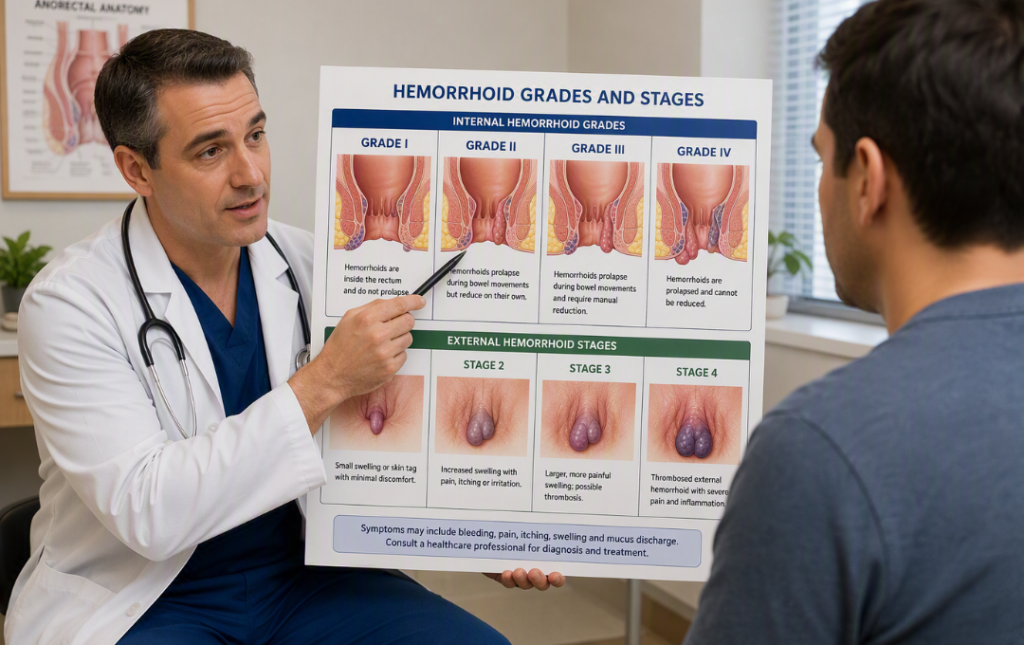
Doctor explaining a hemorrhoid diagnosis

Certain patterns indicate that conservative management is unlikely to be sufficient and that a hemorrhoid specialist evaluation is warranted:

  • Bleeding during or after bowel movements that recurs over several weeks
  • Tissue that prolapses and does not return on its own
  • Discomfort, pressure, or itching that interferes with daily activities
  • Symptoms that return quickly after a period of improvement
  • Any rectal bleeding in a patient over 45 or with a family history of colorectal conditions, which should always be evaluated

A hemorrhoid specialist can confirm the grade of your hemorrhoids through a physical examination and discuss what options are appropriate based on your specific anatomy and symptom pattern.

Meet Our Doctors

Can USA Hemorrhoid Centers Help?

For internal hemorrhoids that have not responded to conservative management, hemorrhoid artery embolization (HAE) is a minimally invasive, image-guided outpatient procedure that addresses the underlying blood flow contributing to hemorrhoid swelling. It is performed by experienced interventional radiologists and is an option for Grade 1 through Grade 3 internal hemorrhoids. Procedures are typically completed in under an hour, with no general anesthesia required and a rapid return to daily activities for most patients.

A consultation is the first step to determine whether HAE may be appropriate for your situation.

Treatment option: hemorrhoid treatment

Lifestyle Changes Can Help. But They Do Not Treat the Underlying Condition.

More fiber, more water, and less straining can reduce discomfort and help manage symptoms day to day. But if you are experiencing persistent bleeding, prolapse, pain during bowel movements, or ongoing itching and pressure, lifestyle adjustments alone are unlikely to resolve the problem. These are clinical symptoms that indicate the hemorrhoidal tissue has been significantly affected.

USA Hemorrhoid Centers offers minimally invasive, outpatient treatment performed by experienced specialists. Procedures are completed in the office, typically in under an hour, with no general anesthesia required and a rapid return to daily activities for most patients. The first step is a consultation to evaluate your symptoms and discuss the options that fit your situation.

Frequently Asked Questions

How can you tell the difference between a prolapsed internal hemorrhoid and an external hemorrhoid?

Prolapsed internal hemorrhoids originate inside the rectum and push outward during straining; the tissue is typically soft, moist, and a deep pink or red color. External hemorrhoids form outside the anal opening under the skin and tend to feel firmer. A clinician can confirm the type and grade through a physical examination, which is the reliable way to distinguish between them.

Do hemorrhoids get progressively worse?

Internal hemorrhoids may progress over time, particularly when contributing factors such as chronic straining, low fiber intake, or prolonged sitting are not addressed. Grade 1 hemorrhoids can advance to Grade 2 or Grade 3 if left unmanaged. However, progression is not inevitable, and consistent lifestyle modifications may help slow or stabilize early-stage hemorrhoids.

At what stage should hemorrhoids be treated?

Any grade of internal hemorrhoid that causes persistent bleeding, discomfort, or prolapse warrants evaluation. Grade 1 hemorrhoids that do not respond to conservative care after one to two weeks are worth discussing with a specialist. Grade 3 hemorrhoids, which require manual repositioning, are unlikely to resolve on their own and are typically candidates for a minimally invasive intervention.

How long do internal hemorrhoids typically last?

Grade 1 hemorrhoids may improve within a few days to a week with conservative care. Higher-grade hemorrhoids may not fully resolve without medical intervention, and symptoms can recur if underlying habits are not modified. There is no fixed timeline, which is why seeking a specialist evaluation is appropriate when symptoms persist beyond one week.

Can lifestyle changes alone make internal hemorrhoids go away?

Lifestyle changes – including increased fiber, adequate hydration, and avoiding straining – can help Grade 1 and some Grade 2 internal hemorrhoids improve or become less symptomatic. They are less likely to resolve Grade 3 hemorrhoids, where tissue has already prolapsed beyond the point of simple inflammation. Lifestyle changes remain an important part of management at every grade.

Is bleeding from internal hemorrhoids always serious?

Bright red blood from internal hemorrhoids is common and often not immediately dangerous, but it should not be dismissed. Persistent or heavy bleeding can contribute to anemia. More importantly, rectal bleeding has multiple possible causes, and a clinician needs to confirm that hemorrhoids are the source. If you notice recurring blood in the stool or on toilet paper, an evaluation is appropriate.

What is hemorrhoid artery embolization (HAE)?

Hemorrhoid artery embolization (HAE) is a minimally invasive, outpatient procedure in which an interventional radiologist uses image guidance to reduce blood flow to the hemorrhoidal tissue. By delivering tiny particles through a catheter, the procedure causes the hemorrhoid to shrink without cutting or removing tissue. It requires no general anesthesia and is an option for Grade 1 through Grade 3 internal hemorrhoids that have not responded to conservative care.

Can Grade 3 internal hemorrhoids be treated without surgery?

Yes. HAE is a non-surgical option that has been used for Grade 2 and Grade 3 internal hemorrhoids. A specialist evaluation is needed to confirm whether you are a candidate based on the specific grade, anatomy, and symptom pattern. Not all patients are appropriate candidates, which is why a consultation is the recommended first step. Learn more about internal hemorrhoid treatment options.

  1. Lohsiriwat V. “Hemorrhoids: From basic pathophysiology to clinical management.” World Journal of Gastroenterology. 2012;18(17):2009-17. https://pmc.ncbi.nlm.nih.gov/articles/PMC3342598/
  2. National Institute of Diabetes and Digestive and Kidney Diseases (NIDDK). “Treatment of Hemorrhoids.” U.S. Department of Health and Human Services. https://www.niddk.nih.gov/health-information/digestive-diseases/hemorrhoids/treatment
  3. Vidal V, et al. “Hemorrhoidal Embolization: A New Concept.” Cardiovascular and Interventional Radiology. 2015;38(3):72-80. https://pubmed.ncbi.nlm.nih.gov/25572110/

Medical disclaimer: USA Hemorrhoid Centers content provides medical education only. It is not a diagnosis or treatment recommendation. Consult a hemorrhoid specialist for evaluation.

Frequently Asked Questions

How can you tell the difference between a prolapsed internal hemorrhoid and an external hemorrhoid?

Prolapsed internal hemorrhoids originate inside the rectum and push outward during straining; the tissue is typically soft, moist, and a deep pink or red color. External hemorrhoids form outside the anal opening under the skin and tend to feel firmer. A clinician can confirm the type and grade through a physical examination, which is the reliable way to distinguish between them.

Do hemorrhoids get progressively worse?

Internal hemorrhoids may progress over time, particularly when contributing factors such as chronic straining, low fiber intake, or prolonged sitting are not addressed. Grade 1 hemorrhoids can advance to Grade 2 or Grade 3 if left unmanaged. However, progression is not inevitable, and consistent lifestyle modifications may help slow or stabilize early-stage hemorrhoids.

At what stage should hemorrhoids be treated?

Any grade of internal hemorrhoid that causes persistent bleeding, discomfort, or prolapse warrants evaluation. Grade 1 hemorrhoids that do not respond to conservative care after one to two weeks are worth discussing with a specialist. Grade 3 hemorrhoids, which require manual repositioning, are unlikely to resolve on their own and are typically candidates for a minimally invasive intervention.

How long do internal hemorrhoids typically last?

Grade 1 hemorrhoids may improve within a few days to a week with conservative care. Higher-grade hemorrhoids may not fully resolve without medical intervention, and symptoms can recur if underlying habits are not modified. There is no fixed timeline, which is why seeking a specialist evaluation is appropriate when symptoms persist beyond one week.

Can lifestyle changes alone make internal hemorrhoids go away?

Lifestyle changes – including increased fiber, adequate hydration, and avoiding straining – can help Grade 1 and some Grade 2 internal hemorrhoids improve or become less symptomatic. They are less likely to resolve Grade 3 hemorrhoids, where tissue has already prolapsed beyond the point of simple inflammation. Lifestyle changes remain an important part of management at every grade.

Is bleeding from internal hemorrhoids always serious?

Bright red blood from internal hemorrhoids is common and often not immediately dangerous, but it should not be dismissed. Persistent or heavy bleeding can contribute to anemia. More importantly, rectal bleeding has multiple possible causes, and a clinician needs to confirm that hemorrhoids are the source. If you notice recurring blood in the stool or on toilet paper, an evaluation is appropriate.

What is hemorrhoid artery embolization (HAE)?

Hemorrhoid artery embolization (HAE) is a minimally invasive, outpatient procedure in which an interventional radiologist uses image guidance to reduce blood flow to the hemorrhoidal tissue. By delivering tiny particles through a catheter, the procedure causes the hemorrhoid to shrink without cutting or removing tissue. It requires no general anesthesia and is an option for Grade 1 through Grade 3 internal hemorrhoids that have not responded to conservative care.

Can Grade 3 internal hemorrhoids be treated without surgery?

Yes. HAE is a non-surgical option that has been used for Grade 2 and Grade 3 internal hemorrhoids. A specialist evaluation is needed to confirm whether you are a candidate based on the specific grade, anatomy, and symptom pattern. Not all patients are appropriate candidates, which is why a consultation is the recommended first step. Learn more about internal hemorrhoid treatment options.

References:

  1. Sun, Z., & Migaly, J. (2016). Review of Hemorrhoid Disease: Presentation and Management. Clinics in colon and rectal surgery, 29(1), 22–29.
  2. Reza Talaie,, Pooya Torkian, et all. Hemorrhoid embolization: A review of current evidences. Diagnostic and Interventional Imaging. Volume 103, Issue 1, January 2022, Pages 3-11

Hemorrhoid Grades and Stages: What Each Level Means

August 19th, 2026
09:00 AM

Medically reviewed by

USA Clinics Medical Review Team
Reviewed August 2026

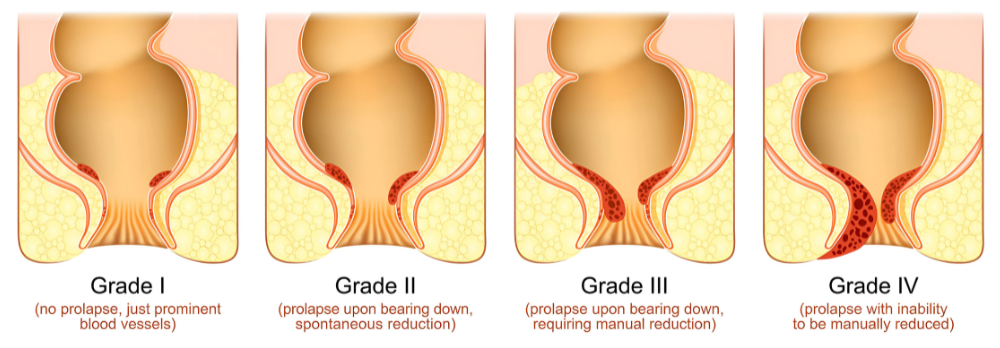
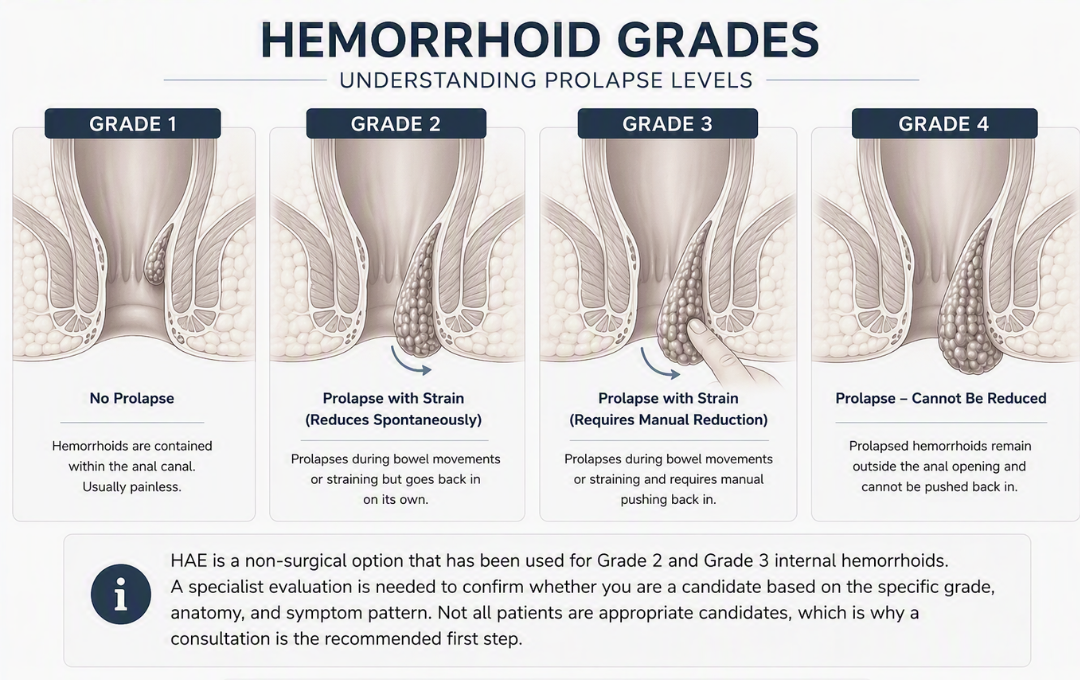
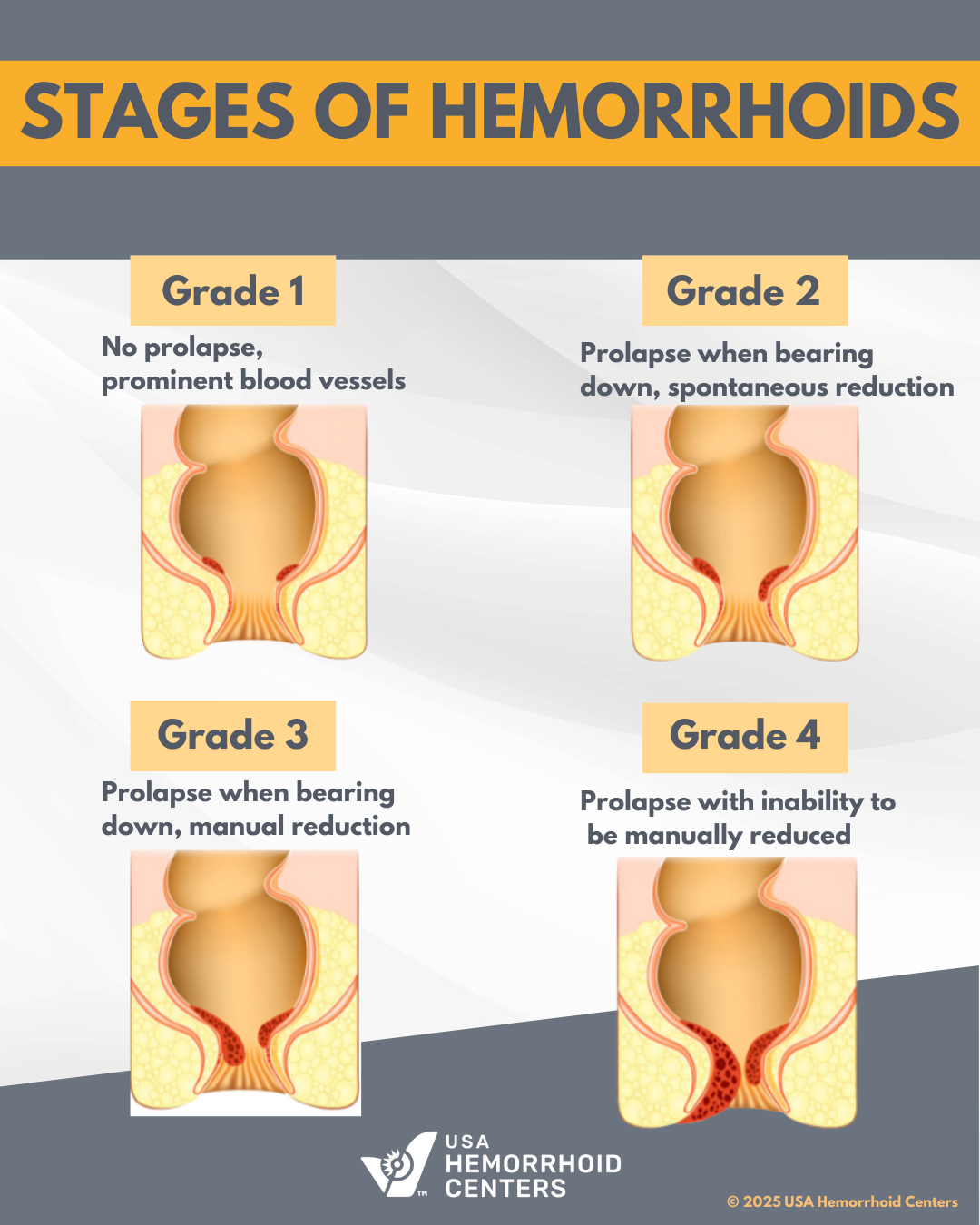
Internal hemorrhoids are classified into four grades based on how much the tissue prolapses, or slides out, of the anal canal. Grade 1 stays inside; Grade 4 stays permanently outside. Knowing your grade helps a hemorrhoid specialist determine whether lifestyle adjustments may help manage symptoms or whether a minimally invasive procedure like hemorrhoid artery embolization (HAE) may be appropriate for your situation.

We will cover how the grading system works, what each stage feels like, and what questions to ask if you are not sure what grade you may have.

What Is the Hemorrhoid Grading System?

The hemorrhoid grading system, sometimes called the Goligher classification, was developed to give physicians and patients a shared language for describing internal hemorrhoid severity.[1] It applies only to internal hemorrhoids, which form inside the anal canal above the dentate line. External hemorrhoids, which develop under the skin around the anus, are not classified using this system.

Grades are assigned based on one primary factor: whether the hemorrhoidal tissue prolapses (extends outside the anal opening), and if so, whether it returns on its own or requires manual help. The higher the grade, the further the tissue has descended and the less able it is to return on its own.

This distinction matters because it directly influences what kind of evaluation and care may be appropriate.

Internal vs. External: Why the Distinction Matters for Hemorrhoid Grading

Because the grading system applies only to internal hemorrhoids, it is worth clarifying the difference. Internal hemorrhoids develop in the upper anal canal, in tissue that has fewer pain-sensing nerve endings, which is why they often cause painless bleeding before they cause discomfort. External hemorrhoids develop in the lower canal and surrounding skin, where nerve density is higher, making them more immediately painful.

A prolapsed hemorrhoid – one that has extended outside the opening – can be mistaken for an external hemorrhoid. Understanding which type you have affects what kind of care is appropriate, which is why a specialist evaluation matters rather than self-diagnosis.

Grade 1 Internal Hemorrhoids

A Grade 1 hemorrhoid has enlarged inside the anal canal but does not extend outside the anus.[1] It may dip below the dentate line, but it does not prolapse through the anal opening.

At this stage, most people notice bleeding, particularly bright red blood on toilet paper or in the bowl after a bowel movement. Itching around the anus is also common. Pain is usually minimal or absent, since the tissue sits above the area with the most pain-sensing nerves.

Because Grade 1 hemorrhoids are not yet prolapsing, they are often the most responsive to conservative measures: increasing dietary fiber, staying well hydrated, and avoiding prolonged straining on the toilet. In some cases, internal hemorrhoids can go away on their own, particularly when symptoms are mild and contributing factors are addressed. Persistent internal hemorrhoid symptoms at this stage warrant evaluation to confirm the diagnosis and assess whether additional options may help.

Grade 2 Internal Hemorrhoids

A Grade 2 hemorrhoid prolapses during bowel movements or straining, then returns to its position inside the anal canal on its own once the straining stops.[1] This self-reduction is the defining feature of Grade 2.

Symptoms are similar to Grade 1, including bleeding, itching, and occasional discomfort, with the addition of a sensation of tissue briefly protruding. This can feel like pressure or a temporary bulge that resolves after a bowel movement. Some people are not aware this is happening unless symptoms prompt a closer look.

Grade 2 hemorrhoids can still respond to lifestyle adjustments, but if symptoms recur frequently or persist, a specialist evaluation makes sense. A hemorrhoid specialist can assess the size and frequency of prolapse and discuss whether a minimally invasive option like HAE may be appropriate for your situation.

Grade 3 Internal Hemorrhoids

At Grade 3, hemorrhoidal tissue prolapses during bowel movements and does not return on its own. It requires manual reduction, meaning gently pushing the tissue back inside.[1] This is the defining difference between Grade 2 and Grade 3.

Symptoms at this stage tend to be more persistent. The tissue that protrudes can cause ongoing irritation, a sensation of fullness or incomplete emptying, mucus discharge, and recurring bleeding. Discomfort when sitting is more common at Grade 3 than at earlier hemorrhoid stages.

Evaluation by a hemorrhoid specialist is recommended at Grade 3. The need to manually reduce tissue indicates that the supporting structures have weakened enough that lifestyle changes alone are unlikely to resolve the underlying issue. HAE is one option evaluated at this stage; a specialist can determine candidacy based on anatomy, symptom severity, and medical history.

Hemorrhoid Treatment Information

Grade 4 Internal Hemorrhoids

Grade 4 hemorrhoids remain prolapsed outside the anal opening and cannot be pushed back inside.[1] The tissue is permanently external and exposed, which can cause significant ongoing discomfort, continuous mucus discharge, hygiene difficulties, and recurring bleeding.

Grade 4 hemorrhoids require specialist evaluation. The extent of prolapse and the tissue involved means that a clinical assessment is needed to determine what options are appropriate for each individual situation. Delaying evaluation at Grade 4 is not recommended, since leaving hemorrhoids untreated can lead to worsening symptoms and additional complications over time.

How Is Hemorrhoid Grade Determined?

You cannot reliably determine your own hemorrhoid grade at home. A hemorrhoid specialist confirms the grade through a clinical examination, which typically involves visual inspection and anoscopy, a short, minimally invasive exam that allows direct visualization of the anal canal.[2]

The exam is generally brief and well-tolerated. Its purpose is not only to confirm the grade but also to rule out other conditions that can cause similar symptoms, including anal fissures and, in some cases, colorectal conditions that require a different kind of attention.

If you have been experiencing rectal bleeding, prolapse, or persistent anal discomfort, a specialist evaluation is the appropriate next step rather than waiting to see whether symptoms resolve. Earlier grades generally have more options available, and addressing symptoms before they progress can make management more straightforward.

Can USA Hemorrhoid Centers Help?

USA Hemorrhoid Centers evaluates and treats internal hemorrhoids using hemorrhoid artery embolization (HAE), a minimally invasive, image-guided procedure performed by experienced interventional radiologists. HAE works by reducing blood flow to the hemorrhoidal tissue, which can help shrink the hemorrhoids and relieve symptoms without incisions or general anesthesia.

HAE is typically performed as an outpatient procedure. Candidacy depends on the grade and type of hemorrhoids present, overall health, and other factors reviewed during a consultation. Not every patient is a candidate, which is why an evaluation comes first.

Meet Our Doctors

If you have been noticing blood after bowel movements, tissue that protrudes, or discomfort that affects your daily routine, a consultation with a hemorrhoid specialist can give you a clear picture of what is happening and what options may fit your situation. Learn more about internal hemorrhoid symptoms to help you understand what to bring to that conversation.

Treatment option: hemorrhoid treatment

Whether Hemorrhoid Grades Are Manageable Depends on Getting the Right Evaluation

The grading system exists to help connect your symptoms to the right level of care. A Grade 1 hemorrhoid and a Grade 4 hemorrhoid are meaningfully different experiences, and they may call for different approaches. Understanding your grade is the first step toward knowing what options are available to you.

USA Hemorrhoid Centers offers minimally invasive, outpatient evaluation and treatment performed by experienced interventional radiologists. Procedures are completed in the office, typically in under an hour, with no general anesthesia required and a rapid return to daily activities for most patients. The first step is a consultation to evaluate your symptoms and discuss the options that fit your situation.

FAQs About Hemorrhoid Grades and Stages

How can you tell the difference between a prolapsed internal hemorrhoid and an external hemorrhoid?

A prolapsed internal hemorrhoid is tissue that has extended outside the anal opening from inside the canal. An external hemorrhoid forms under the skin around the outside of the anus from the start. The two can look similar, which is why a specialist examination matters. An external hemorrhoid tends to cause more immediate pain because it develops in tissue with more pain-sensing nerves. A prolapsed internal hemorrhoid may cause less acute pain but more bleeding and mucus.

Do hemorrhoids get progressively worse?

Not always, but progression is possible, particularly when contributing factors like chronic straining, low-fiber diet, or prolonged sitting on the toilet are not addressed. A Grade 1 hemorrhoid that is not managed may gradually progress to Grade 2 or Grade 3 over time.[3] Whether or not progression occurs varies by individual. This is one reason early evaluation and appropriate lifestyle adjustment can be useful: addressing contributing factors early may help reduce the likelihood of symptoms worsening.

At what stage should hemorrhoids be treated?

Any grade of internal hemorrhoid that causes persistent symptoms, including recurrent bleeding, prolapse, or discomfort that interferes with daily activity, warrants evaluation rather than continued waiting. Grade 1 and Grade 2 hemorrhoids often respond to conservative measures, but if symptoms recur or are not improving, a specialist can assess whether a minimally invasive option may be appropriate. Grade 3 hemorrhoids that require manual reduction are generally a signal that specialist evaluation is the right next step. Grade 4 hemorrhoids require evaluation without delay.

How does a doctor determine what grade my hemorrhoids are?

Hemorrhoid grade is confirmed through a clinical examination. A specialist typically performs a visual inspection of the perianal area, a digital rectal examination, and anoscopy, a brief procedure that uses a small, lighted scope to directly visualize the anal canal. The exam is short and well-tolerated in most cases. Self-assessment alone is not reliable for confirming grade because the key distinctions, whether tissue prolapses and whether it reduces spontaneously, require clinical observation.

Can Grade 4 hemorrhoids be treated without a procedure?

Grade 4 hemorrhoids are permanently prolapsed and do not reduce on their own or with manual assistance. At this stage, lifestyle measures alone are not sufficient to address the prolapse. A specialist evaluation is needed to determine what approach is appropriate based on the individual’s anatomy and overall health. Options discussed during a consultation depend on each patient’s specific clinical picture.

Is hemorrhoid artery embolization (HAE) appropriate for all hemorrhoid grades?

HAE candidacy depends on several factors evaluated during a consultation, including hemorrhoid grade, anatomy, symptom severity, and medical history. Not every patient is a candidate. HAE is one option that experienced interventional radiologists at USA Hemorrhoid Centers may discuss for appropriate internal hemorrhoid cases. A thorough evaluation comes first in all cases.

  1. Fontem RF, Eyvazzadeh D. Internal Hemorrhoid. In: StatPearls [Internet]. Treasure Island (FL): StatPearls Publishing; 2026. https://www.ncbi.nlm.nih.gov/books/NBK537182/
  2. Hawkins AT, Davis BR, Bhama AR, et al. The American Society of Colon and Rectal Surgeons Clinical Practice Guidelines for the Management of Hemorrhoids. Dis Colon Rectum. 2024;67(5):614-623.
  3. Kim SY, et al. Risk factors for hemorrhoidal disease among healthy young and middle-aged Korean adults. Scientific Reports. January 7, 2022. https://www.nature.com/articles/s41598-021-03838-z

Medical disclaimer: This content is for informational purposes only and is not a substitute for professional medical advice, diagnosis, or treatment. Always seek the guidance of a qualified healthcare provider with any questions you may have regarding a medical condition.

 

Frequently Asked Questions

How can you tell the difference between a prolapsed internal hemorrhoid and an external hemorrhoid?

A prolapsed internal hemorrhoid is tissue that has extended outside the anal opening from inside the canal. An external hemorrhoid forms under the skin around the outside of the anus from the start. The two can look similar, which is why a specialist examination matters. An external hemorrhoid tends to cause more immediate pain because it develops in tissue with more pain-sensing nerves. A prolapsed internal hemorrhoid may cause less acute pain but more bleeding and mucus.

Do hemorrhoids get progressively worse?

Not always, but progression is possible, particularly when contributing factors like chronic straining, low-fiber diet, or prolonged sitting on the toilet are not addressed. A Grade 1 hemorrhoid that is not managed may gradually progress to Grade 2 or Grade 3 over time.[3] Whether or not progression occurs varies by individual. This is one reason early evaluation and appropriate lifestyle adjustment can be useful: addressing contributing factors early may help reduce the likelihood of symptoms worsening.

At what stage should hemorrhoids be treated?

Any grade of internal hemorrhoid that causes persistent symptoms, including recurrent bleeding, prolapse, or discomfort that interferes with daily activity, warrants evaluation rather than continued waiting. Grade 1 and Grade 2 hemorrhoids often respond to conservative measures, but if symptoms recur or are not improving, a specialist can assess whether a minimally invasive option may be appropriate. Grade 3 hemorrhoids that require manual reduction are generally a signal that specialist evaluation is the right next step. Grade 4 hemorrhoids require evaluation without delay.

How does a doctor determine what grade my hemorrhoids are?

Hemorrhoid grade is confirmed through a clinical examination. A specialist typically performs a visual inspection of the perianal area, a digital rectal examination, and anoscopy, a brief procedure that uses a small, lighted scope to directly visualize the anal canal. The exam is short and well-tolerated in most cases. Self-assessment alone is not reliable for confirming grade because the key distinctions, whether tissue prolapses and whether it reduces spontaneously, require clinical observation.

Can Grade 4 hemorrhoids be treated without a procedure?

Grade 4 hemorrhoids are permanently prolapsed and do not reduce on their own or with manual assistance. At this stage, lifestyle measures alone are not sufficient to address the prolapse. A specialist evaluation is needed to determine what approach is appropriate based on the individual’s anatomy and overall health. Options discussed during a consultation depend on each patient’s specific clinical picture.

Is hemorrhoid artery embolization (HAE) appropriate for all hemorrhoid grades?

HAE candidacy depends on several factors evaluated during a consultation, including hemorrhoid grade, anatomy, symptom severity, and medical history. Not every patient is a candidate. HAE is one option that experienced interventional radiologists at USA Hemorrhoid Centers may discuss for appropriate internal hemorrhoid cases. A thorough evaluation comes first in all cases.

Sources

  1. Fontem RF, Eyvazzadeh D. Internal Hemorrhoid. In: StatPearls [Internet]. Treasure Island (FL): StatPearls Publishing; 2026. https://www.ncbi.nlm.nih.gov/books/NBK537182/
  2. Hawkins AT, Davis BR, Bhama AR, et al. The American Society of Colon and Rectal Surgeons Clinical Practice Guidelines for the Management of Hemorrhoids. Dis Colon Rectum. 2024;67(5):614-623.
  3. Kim SY, et al. Risk factors for hemorrhoidal disease among healthy young and middle-aged Korean adults. Scientific Reports. January 7, 2022. https://www.nature.com/articles/s41598-021-03838-z

Pregnancy Hemorrhoids by Trimester: What’s Normal and When to Seek Help

pregnancy
August 14th, 2026
12:53 PM

Medically reviewed by

USA Clinics Medical Review Team
Reviewed August 2026

Hemorrhoids affect an estimated 25% to 40% of pregnant women, making them one of the most common – and least-discussed – physical changes that come with carrying a baby.[1] They can appear at any stage of pregnancy, but the timing, severity, and what they signal often shift from trimester to trimester. Understanding what to expect at each stage, and recognizing when symptoms cross from normal into something worth discussing with your care team, can make the experience significantly less stressful.

We will cover why pregnancy creates the conditions for hemorrhoids, how symptoms tend to change across each trimester and into the postpartum period, and the warning signs that indicate it is time to speak with a specialist.

Why Pregnancy Causes Hemorrhoids

Hemorrhoids are cushions of vascular tissue in the rectum that help regulate bowel control. They become symptomatic when the veins within that tissue become enlarged and engorged. Pregnancy creates several overlapping conditions that make this likely.

Increased Blood Volume and Pelvic Pressure

Blood volume increases by up to 50% during pregnancy.[2] The growing uterus also places direct pressure on the inferior vena cava – the large vein that carries blood from the lower body back to the heart – slowing circulation in the pelvic region and allowing blood to pool in rectal veins. As the uterus expands through each trimester, this pressure intensifies.

The Role of Progesterone

Higher progesterone levels during pregnancy cause the walls of veins to relax, making them more prone to swelling.[3] This hormonal effect begins early in the first trimester and persists throughout pregnancy. It also slows digestion, which contributes directly to constipation.

Constipation and Straining

Slower digestion leads to harder stools and more frequent straining during bowel movements. Straining increases pressure in the rectal veins significantly. One study found that nearly 46% of pregnant women experience constipation at some point during pregnancy.[4] Iron supplements prescribed during pregnancy can worsen this.

Hemorrhoids in the First Trimester

Many women do not expect hemorrhoids this early, but the conditions are already in place. Progesterone levels rise sharply in the first trimester, blood volume begins climbing, and constipation often sets in as digestion slows. For women who had existing internal hemorrhoid symptoms before becoming pregnant, those can worsen quickly.

First-trimester hemorrhoid symptoms that are considered common include mild itching, occasional spotting of bright red blood on toilet paper, or a sense of fullness or pressure in the rectal area. Symptoms this early are worth mentioning at a prenatal appointment, but they are not typically a reason for alarm.

Hemorrhoids in the Second Trimester

2nd trimester

The second trimester often brings some physical relief from first-trimester nausea, but the uterus continues to grow and pelvic pressure increases. For many women, hemorrhoid symptoms remain mild or even temporarily improve if constipation eases. For others, the additional uterine pressure intensifies symptoms.

If bleeding is noticed for the first time during the second trimester, or if existing symptoms worsen significantly, it is reasonable to raise this at your next prenatal visit. Any rectal bleeding during pregnancy should be evaluated – not because bleeding from hemorrhoids is dangerous, but because it is important to confirm that hemorrhoids are the source.

Hemorrhoids in the Third Trimester

3rd trimester

The third trimester is when most pregnancy-related hemorrhoids develop or become most noticeable. Research identifies week 28 and beyond as the peak period.[5] At this stage, the uterus is at its largest, exerting maximum pressure on pelvic blood vessels. The combination of weight, pressure, progesterone, and accumulated constipation creates the highest-risk environment for hemorrhoid development and worsening.

Symptoms that are common in the third trimester include bright red blood after a bowel movement, itching, pressure or heaviness in the rectal area, and occasional prolapse – where the hemorrhoid temporarily extends outside the anal opening. Mild prolapse that retracts on its own is not uncommon at this stage.

Symptoms that warrant a call to your OB or midwife include bleeding that does not stop after a bowel movement, significant pain that is not relieved with position changes or sitz baths, a hard and acutely painful lump near the anus (which may indicate a thrombosed hemorrhoid) or prolapse that does not retract on its own.

Learn About HAE

After Delivery: What to Expect with Hemorrhoids

Delivery itself can intensify hemorrhoid symptoms. Prolonged pushing during the second stage of labor places significant strain on rectal veins. One study found that roughly 35% of women have hemorrhoids or anal fissures in the postpartum period, with the highest rates appearing within the first day after delivery in women who had longer or more strenuous labor.[6]

For most women, postpartum hemorrhoids improve substantially within six to twelve weeks after delivery as hormone levels normalize, blood volume returns to baseline, and pelvic pressure resolves. Continuing with sitz baths, a high-fiber diet, and adequate hydration during the postpartum period supports recovery.

Hemorrhoids that persist beyond three months postpartum, cause ongoing bleeding, or significantly affect daily comfort deserve a formal evaluation rather than continued self-management.

When to See a Hemorrhoid Specialist

Most hemorrhoids during pregnancy can be managed conservatively with dietary adjustments and comfort measures. However, there are clear indicators that a specialist evaluation may be appropriate – particularly after delivery, once the pregnancy-related pressure has been resolved.

Consider speaking with a hemorrhoid specialist if you experience any of the following:

  • Bleeding that occurs regularly, not just after bowel movements
  • Persistent pain that does not improve with sitz baths or position changes
  • Prolapsed tissue that does not retract
  • Hemorrhoids that persisted through pregnancy and have not improved within a few months postpartum
  • A thrombosed hemorrhoid that causes significant, unmanageable pain

Meet Our Doctors

For women with internal hemorrhoids that persist or recur after delivery, hemorrhoid artery embolization (HAE) may be worth exploring as an option. HAE is a minimally invasive, image-guided procedure performed by experienced interventional radiologists on an outpatient basis. It works by reducing blood flow to the affected hemorrhoidal tissue, which shrinks the hemorrhoids without cutting, banding, or general anesthesia.

HAE is not a pregnancy treatment – it is appropriate for women with persistent internal hemorrhoids after delivery, evaluated case by case. The first step is a consultation with a hemorrhoid specialist to review your symptoms and determine whether you are a candidate.

Treatment option: hemorrhoid treatment

Pregnancy hemorrhoids are common. Persistent ones after delivery do not have to be.

Managing hemorrhoids through pregnancy is largely about comfort and symptom control. Most improve after delivery. But for women whose hemorrhoids persist or recur after pregnancy, self-management eventually reaches its limits.

USA Hemorrhoid Centers offers minimally invasive, outpatient treatment performed by experienced interventional radiologists. Procedures are completed in the office, typically in under an hour, with no general anesthesia required and a rapid return to daily activities for most patients. The first step is a consultation to evaluate your symptoms and discuss your options.

FAQs About Pregnancy Hemorrhoids

Should I Tell My OB If I Have Hemorrhoids During Pregnancy?

Yes. Your OB or midwife should know about any hemorrhoid symptoms you are experiencing. They can confirm the diagnosis, rule out other causes of rectal bleeding, and recommend comfort measures that are safe during pregnancy. Hemorrhoids are common, and your care team will not be surprised to hear about them – bringing it up early allows for better support throughout your pregnancy.

When Should I Worry About Hemorrhoids During Pregnancy?

Hemorrhoids become a reason to contact your care provider when bleeding is heavy, does not stop after a bowel movement, or occurs without a bowel movement. Significant pain that is not improved by sitz baths, a hard and very painful lump near the anus, or prolapsed tissue that does not retract on its own are also signs that prompt evaluation is appropriate rather than waiting for your next scheduled appointment.

Is It Safe to Have a Thrombosed Hemorrhoid While Pregnant?

A thrombosed hemorrhoid – where a blood clot forms within hemorrhoidal tissue – is not dangerous to the baby, but it can cause significant pain for the mother. Conservative management, including sitz baths, cold compresses, and pain relief approved by your OB, can help manage symptoms. Most thrombosed hemorrhoids are resolved within a few weeks with conservative care. If pain is severe or unmanageable, speak with your OB about options specific to your stage of pregnancy.

Will Hemorrhoids Go Away After Delivery?

For most women, yes. Once delivery occurs and pelvic pressure resolves, many hemorrhoids improve substantially within weeks to months. Symptoms should continue improving as hormone levels normalize and blood volume returns to pre-pregnancy levels. Hemorrhoids that persist beyond three months postpartum, cause ongoing bleeding, or significantly affect daily comfort are worth discussing with a specialist for a formal evaluation.

Can Hemorrhoids Be Treated While I’m Pregnant?

Treatment during pregnancy is primarily focused on symptom management and comfort, not treatment of the underlying condition. Dietary changes (increased fiber and fluids), sitz baths, gentle exercise, and position changes can all help reduce discomfort. Some topical preparations may be safe during pregnancy, but these should be discussed with your OB before use. Minimally invasive procedures like HAE are not performed during pregnancy and are evaluated on a case-by-case basis after delivery.

What Causes Hemorrhoids to Get Worse in the Third Trimester?

The third trimester brings the greatest uterine weight and pelvic pressure, which compresses the inferior vena cava and slows blood return from the lower body. This, combined with accumulated constipation and continuing progesterone effects, creates peak conditions for hemorrhoid development and symptom worsening. Week 28 and beyond represent the highest-risk period for both new hemorrhoid onset and worsening of existing hemorrhoids.

Can Straining During Labor Cause Hemorrhoids?

Yes. The sustained pressure of pushing during labor can cause existing hemorrhoids to worsen or new hemorrhoids to develop. This is particularly common after longer labor with extended pushing. Research shows postpartum hemorrhoid rates are higher after vaginal delivery compared to cesarean delivery, though hemorrhoids can develop postpartum regardless of delivery method.

  1. Abramowitz L, et al. “Hemorrhoids in pregnancy.” Canadian Family Physician / PMC. https://pmc.ncbi.nlm.nih.gov/articles/PMC2278306/
  2. Wisp Health. “Treatments for Hemorrhoids During Pregnancy.” May 2026. https://hellowisp.com/blog/hemorrhoids-pregnancy
  3. HonorHealth. “Dealing with hemorrhoids during pregnancy.” April 2026. https://www.honorhealth.com/healthy-living/hemorrhoids-during-pregnancy
  4. Healthline. “Hemorrhoids During Pregnancy.” 2021. https://www.healthline.com/health/pregnancy/pregnancy-hemorrhoids
  5. USA Hemorrhoid Centers. “Hemorrhoids During Pregnancy: Causes and Treatment.” December 2025. https://www.usahemorrhoidcenters.com/internal-hemorrhoids/pregnancy/
  6. Buziskiene D, et al. “Perianal diseases in pregnancy and after childbirth: frequency, risk factors, impact on women’s quality of life and treatment methods.” Frontiers in Surgery, February 2022. https://pubmed.ncbi.nlm.nih.gov/35252326/

Medical disclaimer: This content is for informational purposes only and is not a substitute for professional medical advice, diagnosis, or treatment. Always seek the guidance of a qualified healthcare provider with any questions you may have regarding a medical condition.
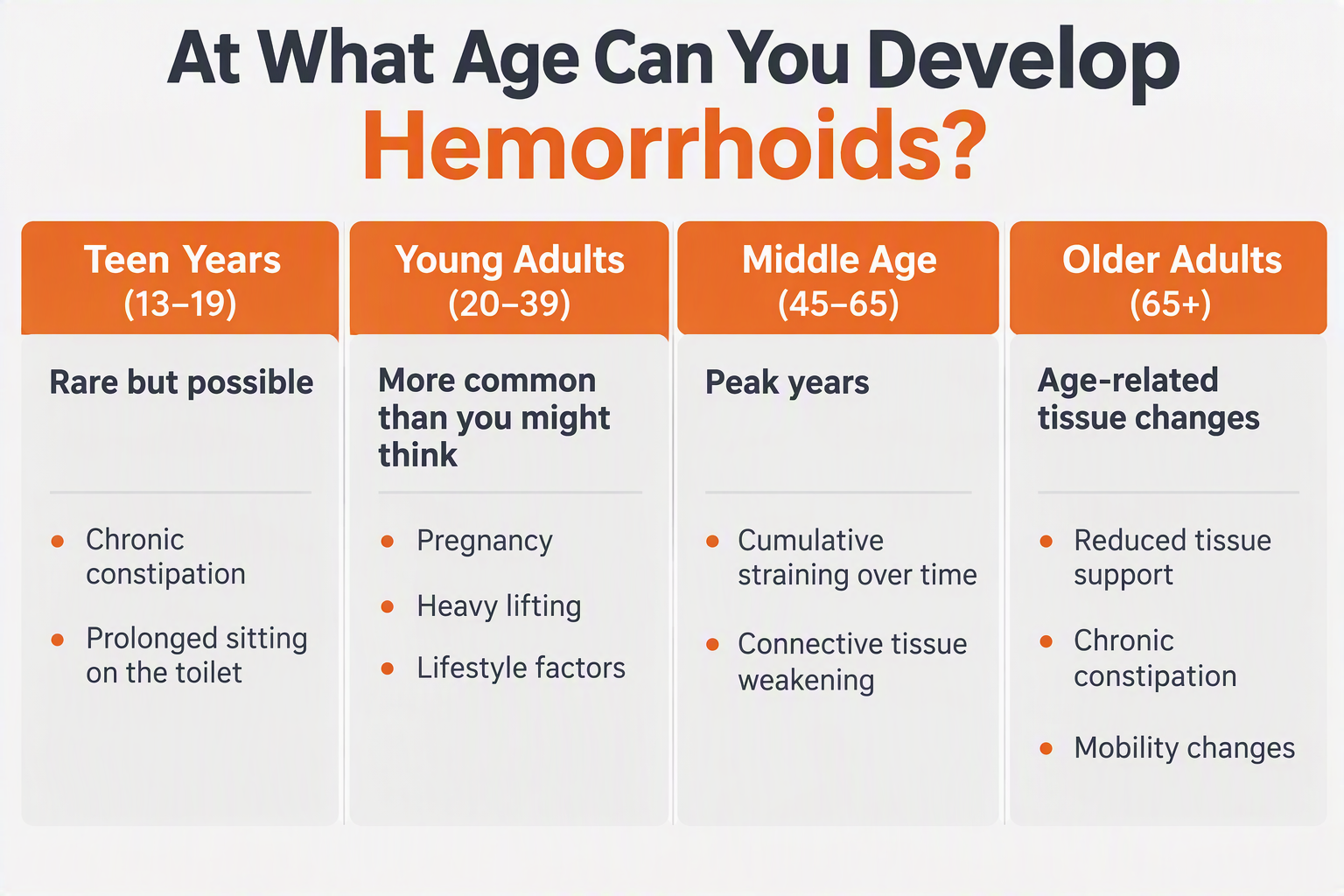
 

How Long Do Hemorrhoids Last?

Doctor showing how long hemorrhoids last
July 28th, 2026
10:21 AM

Medically reviewed by

Dr. Yan Katsnelson, MD

CEO of USA Hemorrhoid Centers | Reviewed: July 2026

If you are experiencing rectal pain, swelling, or bleeding, your most urgent question is likely: how long do hemorrhoids last? Hemorrhoids, commonly known as piles, are swollen, inflamed veins in your anus and lower rectum. They can be internal (inside the rectum) or external (under the skin around the anus). The duration of a hemorrhoid flare-up depends almost entirely on the type of hemorrhoid you have, its severity, and whether a complication (like a blood clot) has developed. While many mild cases resolve in a matter of days, more severe cases, especially those that match severe or extreme visual characteristics, can take weeks to heal or may recur chronically until medically treated.

How Long Do Hemorrhoids Typically Last? (Timeline by Type)

Because hemorrhoid severity varies significantly, there is no single timeline for every condition. How long a hemorrhoid lasts depends on whether it is internal or external, its assigned stage grade, and whether a blood clot has developed inside the vein.[1]

Mild Internal Hemorrhoid Timeline: 3 to 7 Days

Mild internal hemorrhoids (Grade 1) remain located inside the anal canal and rarely cause pain. They often present as painless bright red blood on toilet paper or mild itching. With increased dietary fiber, higher water intake, and reduced straining, a mild flare-up usually improves within 3 to 7 days.[1] However, because the underlying swollen blood vessel remains enlarged, symptoms can return during future bowel irritation.

Thrombosed Hemorrhoid Timeline: 2 to 4 Weeks

A thrombosed hemorrhoid occurs when a blood clot develops inside an external or prolapsed internal vein. This leads to sudden, intense pain and a firm purplish nodule near the anus. Pain typically peaks during the initial 48 to 72 hours. Over the following 2 to 4 weeks, the body naturally reabsorbs the clot and the swelling subsides.[2] In many cases, a small residual skin tag remains. For a detailed breakdown, explore our complete guide on thrombosed hemorrhoid healing time.

Chronic Hemorrhoid Timeline: Months to Years

When higher-grade internal hemorrhoids (Grades 2, 3, or 4) prolapse or repeatedly swell, they can persist for months or years. While active symptoms may ebb and flow, chronic internal hemorrhoids will not shrink permanently without targeted medical procedures that address the enlarged vascular structure.

Breakdown by Type and Severity

1. Internal Hemorrhoids (Grade I and II)

These are located inside the rectum. You usually cannot see or feel them, and they are typically painless.

  • Most Common Symptom: Painless bleeding during bowel movements (bright red blood in the toilet).
  • Duration: Minor flare-ups often resolve within 3 to 7 days, especially if you treat the underlying cause (like constipation) by increasing fiber and water intake.

2. Prolapsed Internal Hemorrhoids (Grade III and IV)

This is when an internal hemorrhoid stretches and pushes down out of the anus.

  • Visual Appearance and Symptoms: These can look like soft, moist, reddish, or pink lumps popping out from your anus. They can cause a persistent sensation of fullness and can be itchy, mucus-y, and painful if they get irritated or trapped outside.
    • Grade III prolapse can be pushed back in manually.
    • Grade IV prolapse stays outside and cannot be pushed back in.
  • Duration: These rarely go away on their own. While acute pain or irritation may ebb and flow, the physical prolapse itself is likely to remain until it is surgically or medically corrected through rubber band ligation, surgery, or non-surgical embolization.

3. External Hemorrhoids

These are located under the skin around the anus. They can be itchy, painful, or uncomfortable.

  • Duration: General symptoms without complications usually last about one week, similar to mild internal hemorrhoids.

4. Thrombosed External Hemorrhoids (The Extreme Type)

This is a frequent answer to why healing is taking so long and is often the most visually distinct and uncomfortable situation people experience during severe distress.

It occurs when a blood clot (thrombosis) develops in an external hemorrhoid, causing the vein to swell significantly and restrict its blood supply.

  • Characteristics:
    • Appearance: This will look like a hard, prominent lump near the anus. It will often have a striking dark blue or purple color because of the trapped clot inside.
    • Pain: The pain associated with a thrombosed hemorrhoid is usually described as severe, sudden, acute, and constant. It can make walking, sitting, or having a bowel movement unbearable.
  • Duration:
    • Pain Phase: Severe acute pain usually peaks around 48 to 72 hours and then slowly decreases as the clot begins to dissolve and swelling subsides.
    • Overall Healing: While the worst pain may ease in a few days, it can take 2 to 4 weeks for the clot to fully break down, the lump to disappear, and the tissue to return to normal.
    • Note: As it heals, a painless skin tag (extra piece of skin) may remain where the lump was located.

What Factors Affect Hemorrhoid Healing Time?

Several physiological and daily habits determine how rapidly hemorrhoid symptoms settle or whether they progress into a chronic issue:

1. Hemorrhoid Grade and Prolapse Severity

Internal hemorrhoids follow a 4-stage grading scale. Grade 1 and Grade 2 internal hemorrhoids often improve with home adjustments. Conversely, Grade 3 hemorrhoids (which prolapse and require manual reduction) and Grade 4 hemorrhoids (which remain permanently prolapsed) rarely heal on their own. Read our comprehensive guide to the hemorrhoid grading system to determine your current stage.

2. Bowel Habits and Pelvic Pressure

Chronic constipation, straining during bowel elimination, prolonged sitting on the toilet, and heavy lifting increase pressure in pelvic veins.[3] This ongoing congestion prevents inflamed veins from shrinking and delays natural recovery.

3. Diet and Hydration Levels

Diets low in soluble fiber combined with low fluid intake lead to hard stools. Passing hard stool irritates sensitive hemorrhoidal tissue, keeping the inflammatory cycle active.

Note: Adjusting daily habits helps reduce tissue irritation, but lifestyle changes alone often cannot shrink long-standing, enlarged internal hemorrhoid tissue.

How Do You Know if a Hemorrhoid Is Healing vs. Progressing?

Because hemorrhoid symptoms fluctuate over time, distinguishing true healing from a temporary quiet phase is essential for maintaining rectal health.

Signs a Hemorrhoid Is Healing:

  • Rectal bleeding becomes lighter, less frequent, and stops.
  • Swelling, local tightness, or external lumps decrease in size.
  • Itching, burning, and localized skin discomfort subside.
  • Prolapsed tissue retracts back into the anal canal faster after bowel movements.[4]

Signs a Hemorrhoid Is Progressing or Getting Worse:

  • Bright red bleeding occurs consistently for more than 7 to 10 days.
  • Anal tissue lumps grow larger, firmer, or increasingly tender.
  • You notice yellow discharge or foul-smelling mucus, which may indicate infection.
  • Flares return every few weeks despite fiber supplementation and warm baths.[4]

Do Hemorrhoids Progress if Left Untreated?

Yes. If contributing factors such as chronic venous congestion, straining, or elevated pelvic pressure remain unresolved, hemorrhoids can advance over time.[1] A Grade 1 internal hemorrhoid that initially causes light spotting can stretch supporting tissues, progressing into a Grade 2 or Grade 3 prolapsed hemorrhoid.

While hemorrhoids are not dangerous, untreated chronic hemorrhoids increase the risk of recurrent blood clots, chronic skin breakdown, anemia from continuous blood loss, and tissue strangulation. If you deal with frequent flare-ups, read our detailed guide on whether hemorrhoids can come back after treatment.

When to Seek Medical Attention

While many hemorrhoids are minor and heal on their own, you should consult a healthcare provider if:

  1. You Have Rectal Bleeding: This is the most critical symptom. Although it is the most common sign of hemorrhoids, rectal bleeding can also be a sign of much more serious conditions, including colorectal cancer or inflammatory bowel disease (IBD). Never assume bleeding is only hemorrhoids.
  2. You Experience Severe Pain: If pain from an external or prolapsed hemorrhoid is acute, disabling, or constant, suggesting a thrombosed state, a doctor can provide significant relief through targeted medical evaluation or clot management.
  3. Your Symptoms Do Not Improve: If you have treated yourself with home remedies like fiber, sitz baths, and over-the-counter creams for over a week with no improvement.
  4. The Lump is Large and Cannot Be Pushed Back: Grade IV prolapse or large thrombosed external hemorrhoids often require professional medical or procedural intervention.

When Home Care Isn’t Enough: Non-Surgical HAE Treatment

Managing initial flare-ups with fiber, water intake, and sitz baths is a standard starting point. However, conservative options have limitations. They cannot shrink permanently enlarged vascular tissue or prevent chronic internal hemorrhoids from bleeding and prolapsing.

For persistent internal hemorrhoids, Hemorrhoid Artery Embolization (HAE) provides an advanced, non-surgical solution. HAE treats the root cause of internal hemorrhoids by safely blocking their primary blood supply without surgical cutting or rectal tissue removal.[5]

How Hemorrhoid Artery Embolization Works:

Performed on an outpatient basis by an interventional radiologist, HAE involves placing a tiny catheter into a vessel in the wrist or groin. Guided by real-time imaging, the specialist targets the specific blood supply feeding the internal hemorrhoid cushion and places microscopic particles to reduce blood flow.[5]

Benefits of HAE for Chronic Internal Hemorrhoids:

  • Non-Surgical & Pain-Free: Involves no surgical cutting, no open wounds in sensitive anal tissue, and no general anesthesia.
  • Minimal Downtime: Most patients return home the same day and resume light activities rapidly.[5]
  • Long-Term Relief: Reducing blood flow causes swollen internal hemorrhoid tissue to shrink naturally, relieving chronic bleeding and prolapse.

The Answer on How Long Hemorrhoids Last

How long hemorrhoids last depends on their grade, location, and how effectively pelvic pressure factors are managed. Monitoring for key signs of healing helps you differentiate between a standard flare-up and a chronic issue. If your hemorrhoid symptoms last longer than two weeks or recur regularly, schedule an evaluation with USA Hemorrhoid Centers to learn more about non-surgical treatment options.

Non-Surgical Hemorrhoid Relief Option

Find Lasting Relief Beyond Temporary Home Care

Increasing fiber intake and taking warm sitz baths help manage minor symptoms, but home care cannot shrink long-standing internal hemorrhoid tissue on its own.

Hemorrhoid Artery Embolization (HAE) provides long-term relief with minimal downtime, no hospital stay, and no surgical cutting.

FAQs About Hemorrhoid Healing Time

Do hemorrhoids progress? How do you know if hemorrhoids are healing?

Yes, hemorrhoids can progress if underlying causes like straining or constipation persist. Signs of healing include lighter, less frequent bleeding, a shrinking lump, and reduced itching. Signs of progression include growing swelling, pain, or bleeding that continues past one to two weeks.

How long does a hemorrhoid flare-up usually last?

A mild hemorrhoid flare-up usually improves within 3 to 7 days with consistent dietary fiber, fluid intake, and reduced straining. More severe or thrombosed hemorrhoids take two to four weeks or longer to settle completely.

Can hemorrhoids go away without treatment?

Mild Grade 1 internal hemorrhoids sometimes improve with home lifestyle adjustments alone. However, higher-grade prolapsed or thrombosed hemorrhoids rarely resolve without specialized care, and symptoms frequently recur if enlarged veins remain untreated.

How long does a thrombosed hemorrhoid take to heal?

Thrombosed hemorrhoids cause peak pain during the first 48 to 72 hours. Full clot reabsorption takes two to four weeks as swelling subsides, though a small residual skin tag can remain behind.

Do hemorrhoids get worse before they get better?

Symptoms can feel more acute during the first few days of a flare before gradually easing. This temporary peak differs from true disease progression, where symptoms worsen across repeated flare-ups over time.

  1. Sun, Z., & Migaly, J., “Review of Hemorrhoid Disease: Presentation and Management,” Clinics in Colon and Rectal Surgery, ncbi.nlm.nih.gov/pmc/articles/PMC4755769
  2. National Institute of Diabetes and Digestive and Kidney Diseases, “Hemorrhoids,” National Institutes of Health, niddk.nih.gov/health-information/digestive-diseases/hemorrhoids
  3. Lohsiriwat, V., “Hemorrhoids: From Basic Pathophysiology to Clinical Management,” World Journal of Gastroenterology, ncbi.nlm.nih.gov/pmc/articles/PMC3342598
  4. Davis, B. R., et al., “The American Society of Colon and Rectal Surgeons Clinical Practice Guidelines for the Management of Hemorrhoids,” Diseases of the Colon & Rectum, ncbi.nlm.nih.gov/pmc/articles/PMC5811389
  5. Talaie, R., Torkian, P., et al., “Hemorrhoid Embolization: A Review of Current Evidence,” Diagnostic and Interventional Imaging

Medical Disclaimer: This article provides educational information about internal hemorrhoids and treatment options. It does not constitute medical advice or diagnosis. Only a qualified hemorrhoid specialist can diagnose your condition or recommend appropriate procedures. If you experience persistent rectal bleeding, consult a physician or contact USA Hemorrhoid Centers directly.

FAQs 

Is it harmful to have hemorrhoids for long periods?

While hemorrhoids are not dangerous, leaving chronic hemorrhoids untreated increases the risk of complications such as anemia from persistent blood loss, persistent skin inflammation, or recurrent blood clots.

Can hemorrhoids come back after they heal?

Yes, hemorrhoids can recur if underlying causes like chronic constipation or pelvic pressure persist. Recurrent symptoms are a primary reason patients consult our specialists regarding long-term solutions like Hemorrhoid Artery Embolization.