USA Hemorrhoid Centers
77777777777

Complications of Untreated Hemorrhoids

Complications of untreated hemorrhoids
March 18th, 2026
12:00 PM

Hemorrhoids are often dismissed as a minor inconvenience—but when left untreated, they can lead to ongoing discomfort and, in some cases, more serious complications. Understanding what can happen over time can help patients recognize when it’s time to seek care.

What Are Hemorrhoids?

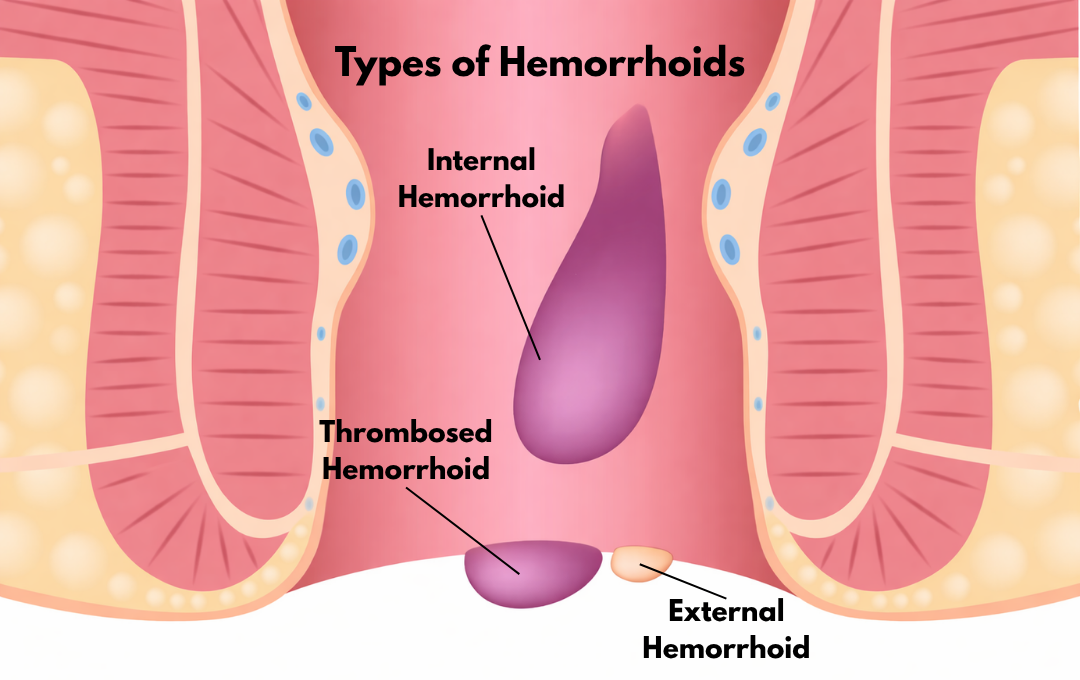
Hemorrhoids are swollen veins in the lower rectum or anus. They can be internal (inside the rectum) or external (under the skin around the anus). Common symptoms include itching, discomfort, swelling, and bleeding during bowel movements.

These enlarged veins typically develop due to increased pressure in the lower rectum, often caused by chronic straining during bowel movements, pregnancy, obesity, or long periods of sitting. Over time, this repeated pressure causes the vessel walls to stretch, thin, and eventually bulge or bleed.

While mild cases may improve with lifestyle changes, persistent or worsening symptoms should not be ignored.

Hemorrhoid Risk Factors

Why Do Hemorrhoids Get Worse Without Treatment?

Without proper management, the underlying pressure and inflammation that cause hemorrhoids can continue. Factors such as straining, prolonged sitting, chronic constipation, and poor circulation can contribute to progression, increasing the risk of complications.

Hemorrhoid Artery Embolization Info

Common Complications of Untreated Hemorrhoids

Chronic Pain and Discomfort

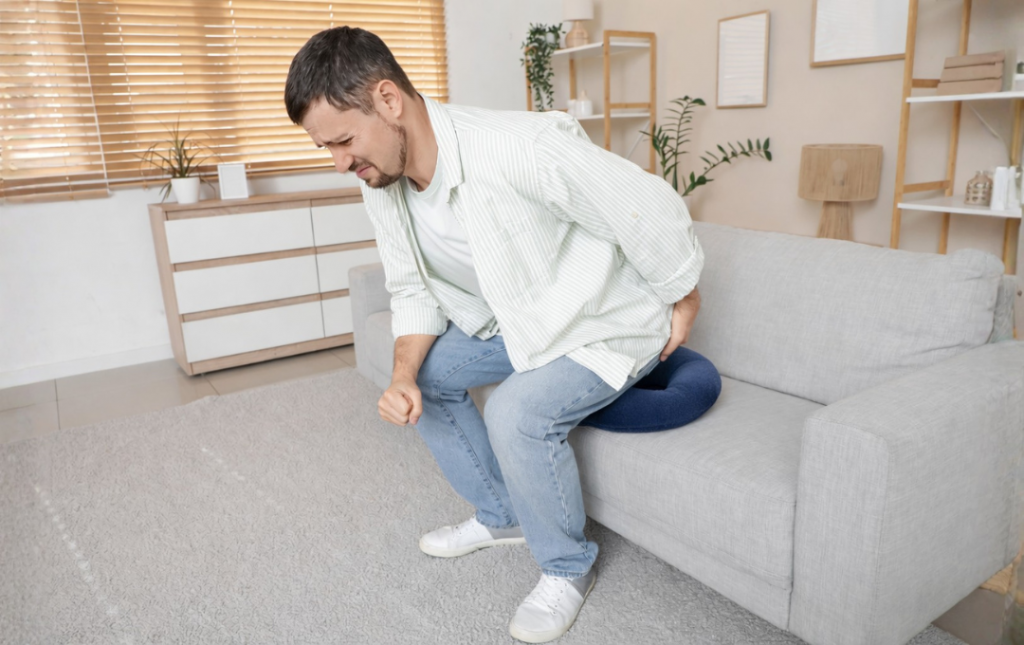
As hemorrhoids worsen, they can cause ongoing pain, especially when sitting or during bowel movements. External hemorrhoids may become increasingly inflamed and sensitive, making daily activities uncomfortable.

Ongoing or Heavy Bleeding

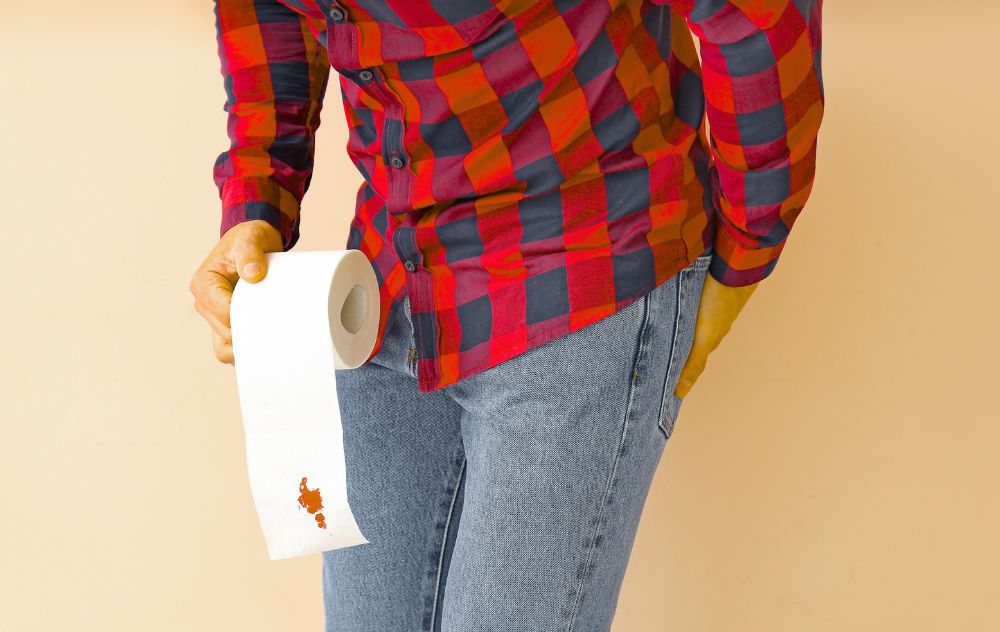
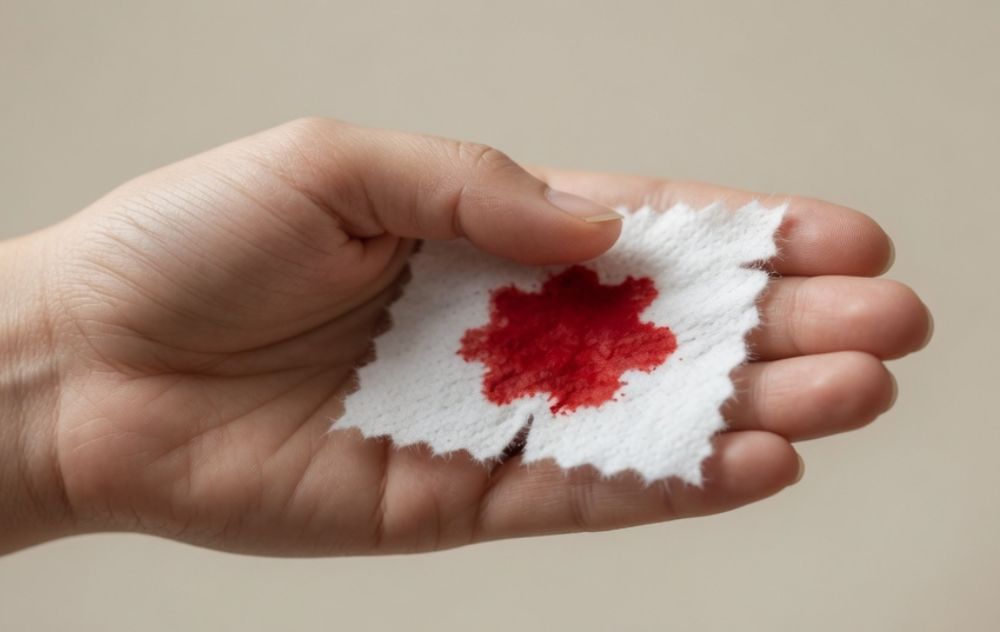
One of the most common complications of untreated hemorrhoids is recurrent rectal bleeding. While occasional spotting may seem minor, frequent bleeding can lead to:

  • Fatigue

  • Weakness

  • Iron-deficiency anemia

If bleeding persists, it should always be evaluated by a medical professional.

Thrombosed Hemorrhoids

A thrombosed hemorrhoid occurs when a blood clot forms within the hemorrhoid. This can cause:

  • Severe pain

  • Swelling

  • A hard lump near the anus

This is one of the more painful complications and may require prompt treatment.

Prolapsed Hemorrhoids

Untreated internal hemorrhoids can enlarge and prolapse, meaning they extend outside the anus. In more advanced cases, they may:

  • Require manual repositioning

  • Remain outside permanently

  • Cause irritation and hygiene issues

Prolapsed hemorrhoids can significantly impact quality of life if not addressed.

Infection and Skin Irritation

Chronic irritation from untreated hemorrhoids can damage surrounding tissue, increasing the risk of:

  • Skin breakdown

  • Infection

  • Persistent itching and burning

Keeping the area clean becomes more difficult as symptoms progress.

Strangulated Hemorrhoids

In rare cases, a prolapsed hemorrhoid can become strangulated, meaning its blood supply is cut off. This can result in severe pain and may require urgent medical care.

Hemorrhoid Information

Long-Term Effects of Untreated Hemorrhoids

If hemorrhoids are left untreated, symptoms can become chronic and more difficult to manage. Long-term effects may include:

  • Persistent discomfort

  • Recurring flare-ups

  • Increased severity of symptoms

  • Reduced quality of life

Addressing hemorrhoids early can help prevent these outcomes.

When to See a Doctor for Hemorrhoids

You should seek medical attention if you experience:

  • Frequent or heavy rectal bleeding

  • Severe or persistent pain

  • A lump that does not go away

  • Symptoms that interfere with daily activities

Early diagnosis can help rule out other conditions and guide appropriate treatment.

Find a Hemorrhoid Center Near You

Don’t Ignore Untreated Hemorrhoids

While hemorrhoids may start as a minor issue, leaving them untreated can lead to worsening symptoms and avoidable complications. Seeking care early can help relieve discomfort and prevent more serious problems.

USA Hemorrhoid Centers specializes in addressing these concerns through Hemorrhoid Artery Embolization (HAE), a groundbreaking, non-surgical treatment for internal hemorrhoids. Unlike traditional surgery, which often involves painful tissue removal and lengthy recovery, HAE is a minimally invasive outpatient procedure performed by expert interventional radiologists.

By using advanced image guidance to precisely block blood flow to the affected area, HAE causes hemorrhoids to shrink and symptoms to resolve—all through a tiny pinhole access point in the wrist or groin. This modern approach requires no general anesthesia, no stitches, and allows most patients to return to their normal activities within days, making it the premier choice for those seeking lasting relief without the downtime of surgery.

Book Consultation Online 24/7

Will Losing Weight Make Hemorrhoids Disappear?

February 25th, 2026
02:35 PM

When you’re carrying extra weight, the physical strain on your rectal veins is relentless. You might have heard that losing weight is the ‘magic cure’ for hemorrhoids, but while dropping pounds, it doesn’t change the damage that’s already been done. These distended, swollen veins in the rectum and anus are incredibly common, but for those carrying extra body mass, the struggle is often more frequent and more severe.

The real trouble often starts where you can’t see it: internal hemorrhoids. These are the distended, swollen veins hidden inside the rectum that can bleed or prolapse without warning. For those carrying extra body mass, the weight acts like a constant, heavy hand pushing these internal veins out of place.

If you are struggling with flare-ups, you might be wondering: Can losing weight cure hemorrhoids? While weight loss significantly reduces pressure on your pelvic floor, once those internal veins have stretched and lost their elasticity, lasting relief usually requires a broader, comprehensive lifestyle and medical approach.

Explore Our Treatment Options

The Link Between Weight and Hemorrhoids

When discussing the connection between weight loss and hemorrhoids, it’s important to understand that your body’s circulatory system and your physical structure are deeply intertwined. Hemorrhoids are essentially varicose veins of the rectum; they occur when the veins in your lower gastrointestinal tract become swollen and inflamed.

While many factors contribute to this discomfort, excess body weight affects hemorrhoids in three primary ways:

  • Vascular Strain (Intra-abdominal Pressure): Extra weight, especially around the midsection, pushes against rectal veins, causing them to stretch, lose elasticity, and distend into painful hemorrhoids.
  • Gravity(Physical Load): Increased body mass intensifies the downward force on the pelvic floor. This constant gravitational stress, whether you are walking or sitting, weakens the tissues in the anus and rectum, making them more prone to bulging.
  • Circulation Issues (Sluggish Blood Flow): Excess weight can act as a roadblock for blood returning to the heart. When blood “pools” or flows slowly through the lower body, rectal veins become engorged and inflamed, leading to chronic flare-ups.

Since poor circulation and vascular inflammation go hand-in-hand, achieving a healthier weight can be a helpful strategy for reducing the frequency and severity of flare-ups.

The Impact of Body Mass on Hemorrhoids

Even though diet is often the primary focus of the conversation, it isn’t the only link between your weight and rectal health. Beyond what you eat, the physical impact of carrying extra body mass creates a structural strain that directly promotes venous inflammation and swelling.

  • Intra-Abdominal Pressure: The Constant Compression: Body weight concentrated in the midsection acts as a persistent internal weight. This intra-abdominal pressure compresses the pelvic floor, forcing the rectal veins to swell and distend. Even with a perfect diet, this physical pressure can keep veins engorged, making them more susceptible to injury and inflammation during daily activities.
  • The “Structural” Shift: Extra weight can subtly alter the anatomical alignment of the rectum and pelvic floor. This shift makes the mechanics of a bowel movement more physically taxing. Because the angle of the exit is slightly compromised, the rectal veins endure higher levels of friction and strain, even when you aren’t straining manually.

The 4 Stages of Hemorrhoidal Internal Prolapse

Medical professionals use a specific grading system to determine how far the hemorrhoidal tissue has moved from its original position.

The 1–4 Grading System

  • Grade I: Internal hemorrhoids that bleed but do not prolapse (bulge out) of the anal canal.
  • Grade II: Hemorrhoids that prolapse during a bowel movement but retract on their own.
  • Grade III: Hemorrhoids that prolapse and must be manually pushed back inside.
  • Grade IV: Permanent prolapse; the tissue remains outside the body and cannot be pushed back in.

Common Red Flags

Regardless of the grade, it is also important to keep an eye out for these primary symptoms:

  • Pain, itching, and swelling: Often the first signs of localized inflammation.
  • Bleeding: Noticing bright red blood during or after bowel movements.
  • Prolapse: The sensation of tissue bulging or “dropping” outside the body.
  • Fecal Leakage: In severe cases (Grade IV), the prolapsed tissue prevents the sphincter from closing fully.

Why Grading Matters for Weight-Related Hemorrhoids

For patients with a higher body mass, the progression through these stages can be significantly accelerated. The constant intra-abdominal pressure acts like a weight pushing the tissue downward 24/7. This means a Grade I issue can shift toward a Grade III much faster than in a lower-weight individual, as the pelvic floor is under continuous structural duress.

Learn More About Hemorrhoid Grades

How to Prevent Hemorrhoids with Weight Loss

Managing your weight is one of the most proactive steps you can take to alleviate the physical causes of rectal discomfort. When it comes to weight loss and hemorrhoids, the benefits are immediate and cumulative, focusing on reducing physical stress and improving internal health.

The BMI Connection

Clinical data suggests that the risk of developing chronic internal hemorrhoids increases significantly once a patient reaches a Body Mass Index (BMI) of 25 or higher. Entering the “overweight” or “obese” categories typically correlates with a measurable rise in intra-abdominal pressure. However, you don’t need to reach a “perfect” BMI to see results.

Reducing the Load: Lowering Pelvic Pressure

You don’t need to reach a perfect weight to see results. Research shows that even losing a small percentage of body weight, as little as 5% to 10%, significantly drops the intra-abdominal pressure on your pelvic veins.

By lightening the load, you reduce the mechanical strain that forces rectal veins to distend. Think of it as taking the weight off a literal spring; once the pressure is lifted, the veins have a much better chance of returning to their natural shape and staying there.

Improving Circulation: Boosting Vascular Health

Weight management does more than just lighten the physical load; it fundamentally improves the internal environment of your vascular system.

  • Decreased Inflammation: Excess body fat can trigger systemic inflammation, which makes vein walls more brittle and prone to swelling. Weight loss helps cool this inflammatory response.
  • Efficient Blood Return: As you lose weight, the demand on your cardiovascular system decreases. Improved circulation prevents blood from pooling in the rectal area, which is the primary cause of hemorrhoid bulging.

Why Weight Loss Alone May Not Be Enough

Even after significant weight loss, the vein walls in the rectum may remain stretched or weakened. Once an internal hemorrhoid has developed, it may require medical intervention to shrink the vessel and restore proper blood flow.

Taking the First Step Towards Relief

While weight loss is a powerful long-term strategy to reduce pressure and prevent future flare-ups, it isn’t always a “quick fix” for existing damage. Once rectal veins have significantly distended, the structural changes to the vein walls are often permanent. At this stage, lifestyle modifications should be viewed as a way to manage symptoms, while medical intervention is necessary to treat the source. Pairing a healthier BMI with minimally invasive treatments ensures that you are not only removing the external pressure but also repairing the internal damage for lasting relief.

Beyond Home Remedies: Addressing the Pain

Depending on the severity or grade of your condition, your treatment path will vary. Immediate pain management often requires a tiered approach:

  • Self-Care (Grade 1): For mild swelling, conservative at-home methods can provide temporary relief. Sitz baths (soaking in warm water) help relax the anal sphincter, while over-the-counter topical treatments or wipes can reduce local inflammation.
  • Medical Intervention (Grades 2 & 3): If hemorrhoids prolapse (protrude) during bowel movements, weight loss alone may not be enough to retract the damaged tissue. In these advanced stages, the physical structure of the vein has been compromised, requiring professional clinical treatment.

The Non-Surgical Solution: Hemorrhoid Artery Embolization (HAE)

For those dealing with obesity and hemorrhoids and seeking a permanent solution without the painful recovery of traditional surgery, hemorrhoid artery embolization (HAE) has emerged as a leading minimally invasive option.

Hemorrhoid Artery Embolization (HAE): How It Works

Unlike a hemorrhoidectomy, which involves cutting tissue, HAE addresses the problem at the source, the blood supply.

  1. A specialist inserts a tiny catheter (usually through a small nick in the wrist or groin).
  2. Using advanced imaging, they locate the specific branches of the superior rectal artery that feed the hemorrhoids.
  3. Small “coils” or particles are placed to reduce blood flow to those specific veins.
  4. Without the excess blood pressure, the hemorrhoids naturally shrink and disappear over time.

The Benefits of HAE

  • No Cutting or Stitches: Because it is performed through the arteries, there is no trauma to the sensitive rectal tissue.
  • Quick Recovery: Most patients return to normal activities within a day or two.
  • High Success Rate: It effectively treats internal bleeding and discomfort with significantly less post-procedure pain than surgical alternatives.

When to See a Specialist

While lifestyle changes are vital, some situations require more than just home remedies or a change in diet. Recognizing when your condition has progressed beyond self-management is key to avoiding long-term complications. If you experience any of the following, it is time to consult a professional:

  • Chronic Bleeding: Any rectal bleeding should be evaluated to rule out more serious conditions.
  • Persistent Pain: Discomfort that disrupts your daily life or sleep.
  • Stage 3 & 4 Protrusions: Hemorrhoids that prolapse (fall out) and either require manual reinsertion or cannot be pushed back in at all.

Find Relief with USA Hemorrhoid Centers

While focusing on weight loss and hemorrhoids helps reduce the “root cause” pressure, it may not be enough if the vascular damage is already done. Once veins have significantly distended, they often stay that way regardless of how much weight you lose. Waiting too long can allow the tissue to further weaken, making future treatments more complex.

At USA Hemorrhoid Centers, we recognize that even with successful weight loss, hemorrhoids caused by years of vascular strain may not simply disappear. If lifestyle changes haven’t provided the relief you need, we offer a long-term, minimally invasive solution: hemorrhoid artery embolization (HAE). 

Our experienced physicians specialize in vascular health and are dedicated to helping you find a permanent solution to persistent hemorrhoid discomfort. HAE is often the ideal next step for patients who haven’t found lasting results through diet, exercise, or previous medical procedures like rubber band ligation. If your symptoms are flaring up and stalling your health journey, our expert team is ready to help. Schedule a consultation online today or call (855) 805-4247 to see if HAE is right for you.

Schedule Online Today

FAQs

Will losing weight make hemorrhoids go away?

Weight loss can significantly reduce the pressure on your pelvic veins, which often shrinks existing hemorrhoids and prevents new ones from forming. However, if the veins are severely stretched (Stage 3 or 4), they may remain present even after weight loss, requiring medical intervention to resolve fully.

What is the best way to get rid of hemorrhoids?

The most effective approach is a combination of lifestyle prevention and clinical treatment. First, you must address the cause of the condition to reduce internal pelvic pressure. However, for persistent internal hemorrhoids, medical intervention such as Hemorrhoid Artery Embolization (HAE) is the most reliable solution. This non-surgical procedure provides long-term relief by targeting the blood supply at the source, allowing damaged veins to shrink without traditional surgery.


Can Using Your Phone on the Toilet Cause Hemorrhoids?

Man holding smartphone
February 13th, 2026
04:24 PM

We’ve all done it — we’ve brought something into the bathroom to pass the time as we do our “business.” Back then, we skimmed magazines and browsed catalogs. Today, it’s scrolling through social media or reading an interesting article you found online. 

Regardless of how we occupy our time in the bathroom, this seemingly harmless habit may contribute to an issue many are too embarrassed to talk about: hemorrhoids. 

Spending too much time on the toilet can strain the blood vessels inside the rectum. While hemorrhoids usually help with bowel movements, too much pressure in the rectal veins can cause flare-ups with symptoms like bleeding, itching, pain, and swelling. Understanding the effects of “toilet scrolling” on hemorrhoids can help people find ways to prevent hemorrhoids or find effective treatment options that alleviate symptoms.

The Medical Link: Why Doctors Warn Against ‘Toilet Scrolling’

A cross-sectional study conducted at the Public Library of Science found a link between smartphone use on the toilet and hemorrhoid flare-ups.1 People who used their phones while on the toilet had a 46 percent higher prevalence of inflamed hemorrhoids compared to those who did not. This can happen for the following reasons:

Man sitting for too long, increasing his risk for hemorrhoids.

The “Sinkhole” Effect: Unlike chairs or sofas, toilet seats do not support the pelvic floor muscles that help keep the rectum in place. Without support, the pelvic floor muscle relaxes, and gravity adds pressure to the rectal veins. Over time, this pressure can cause hemorrhoids to swell and start to bleed.  

The Time Factor: As authors of the study note, the high stimulation from smartphones can cause users, primarily men, to lose track of time when going to the bathroom. This can lead to more time spent sitting on the toilet that further adds to pressure on the rectal veins. 

The Gravity Problem: How Prolonged Sitting Strains Your Veins

Prolonged sitting is not limited to the toilet. Whether you frequently travel, work a full day behind a desk, or relax for extended periods, sedentary habits can impact overall circulation.

Being in one position for hours can slow blood flow — especially in areas farthest from the heart, such as the legs and lower rectum. Over time, reduced blood flow can lead to vein-related issues, including varicose veins and hemorrhoid flare-ups.

While sitting alone does not cause hemorrhoids, prolonged sitting combined with straining during bowel movements, low-fiber diets, and dehydration can increase the risk of flare-ups.

Internal vs. External Hemorrhoids: What’s the Difference?

Depending on the patient, the pressure from prolonged sitting on the toilet can affect hemorrhoids differently. Some hemorrhoids flare up close to the anal opening (external), while other flare-ups occur deeper inside the rectum (internal). 

External hemorrhoids

External hemorrhoids are usually felt as a painful lump near the opening of the anus. They can be treated easily with over-the-counter topical creams or witch hazel. However, external hemorrhoids are more likely to develop a blood clot that can lead to intense pain and discomfort, requiring medical treatment to resolve it. 

Internal Hemorrhoids (The USA Hemorrhoid Centers Focus)

Internal hemorrhoids are located inside the rectum. While they are not as painful as external hemorrhoids, they can bleed and leave a mark on toilet paper after wiping. The longer internal hemorrhoids are left untreated, the more swollen they become, eventually protruding from the anus (prolapse) during bowel movements. 

Why It Matters

Internal hemorrhoids develop when the veins inside the rectum become swollen due to increased pressure and reduced blood flow. Prolonged sitting on the toilet — especially when distracted by a phone — can increase this pressure and delay normal blood return from the rectal area. Over time, repeated strain may weaken the supportive tissue that holds hemorrhoidal cushions in place, increasing the risk of bleeding or prolapse.

Because internal hemorrhoids are not always painful, many people ignore early warning signs such as light bleeding during bowel movements. Addressing the habits that contribute to this pressure — such as limiting time on the toilet — can help reduce flare-ups and prevent symptoms from progressing.

How Long Should You Sit on the Toilet?

hourglass

To maintain healthy vein function and prevent hemorrhoid flare-ups, brevity is key. Specialists recommend limiting your time to five minutes or less; minimizing the duration of sitting reduces the prolonged pressure that triggers vein inflammation.

However, that does not mean you should strain during a bowel movement to avoid prolonged sitting on the toilet. Straining can also add pressure on the rectal veins and worsen hemorrhoid flare-ups.

Four Bathroom Habits that Protect Your Vascular Health

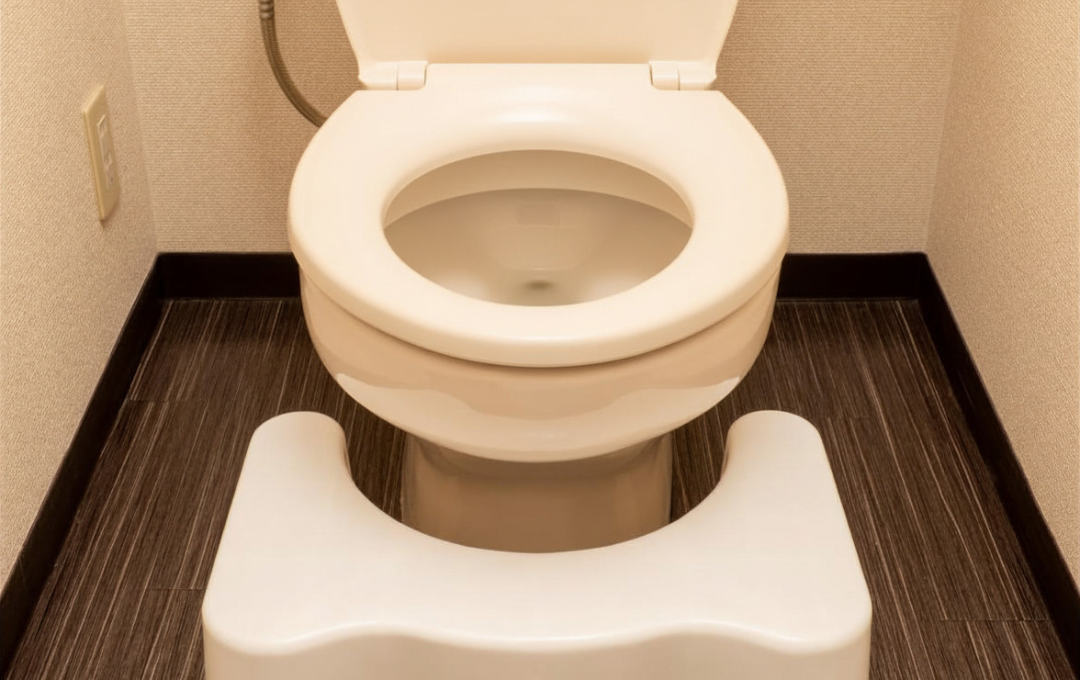
Toilet with a footstool.
Footstools like the one pictured here can help reduce straining during bowel movements, lowering the risk of a hemorrhoid flare-up.

Aside from limiting the amount of time spent on the toilet, other habits to protect you from hemorrhoid flare-ups include:

  • The 5-Minute Rule: If a bowel movement does not occur within five minutes, it is best to exit the bathroom and try again later. Prolonged sitting creates unnecessary gravitational pressure on the rectal veins.
  • Establish a Device-Free Zone: To avoid “mindless scrolling” that leads to overextended sitting, leave smartphones and tablets in another room. Removing digital distractions helps you stay mindful of the time spent.
  • Optimize Pelvic Alignment: Using a small footstool to elevate your knees (mimicking a squatting position) helps straighten the anorectal angle. This anatomical alignment allows for an easier passing with significantly less straining.
  • Prioritize Hydration and Fiber: A diet rich in fiber paired with adequate water intake ensures softer stools. This is the most effective way to prevent forceful straining that causes rectal veins to become engorged.

What to Do If Hemorrhoid Symptoms Don’t Improve

For many patients with internal hemorrhoids, adopting new habits may not be enough to address the bleeding and swelling. If hemorrhoid symptoms persist for longer than a week, lead to a prolapse, or become chronic, it’s advised to seek a consultation with a hemorrhoid specialist. 

USA Hemorrhoids Centers’ Approach to Hemorrhoid Relief

At USA Hemorrhoid Centers, we understand the toll chronic hemorrhoids can have on our patients. That’s why we offer a longer-lasting solution designed to reduce bleeding, swelling, and pressure from internal hemorrhoids. 

We use a specialized approach to hemorrhoid care called hemorrhoid artery embolization (HAE). HAE is a minimally invasive treatment that reduces blood flow to internal hemorrhoids, causing the hemorrhoid to shrink and stop bleeding. The procedure helps alleviate hemorrhoid symptoms without a lengthy and painful recovery compared to traditional surgery. 

HAE is performed as an outpatient procedure. Doctors use advanced imaging and catheters to precisely target the blood vessels contributing to hemorrhoid symptoms. Small particles are injected into these blood vessels, stopping the bleeding and causing the hemorrhoid to “deflate.” Following a short observation period, patients are discharged the same day with only a small adhesive bandage at the access site.

This procedure is often considered for patients with persistent internal hemorrhoids who haven’t found relief from lifestyle changes or previous medical procedures (e.g., rubber band ligation). A consultation helps determine whether this approach aligns with your symptoms and severity. 

We are a trusted network of physicians who have helped many patients find relief from chronic hemorrhoids. Our physicians, many of whom are board-certified, are experts in the field of hemorrhoid care. They offer comprehensive evaluations to determine the next best steps for patients seeking relief. 

If your “toilet scrolling” is causing your hemorrhoids to flare up, we are ready to help. Schedule a consultation online today or call (855) 805-4247 to learn more. 

Schedule Now

Source

  1. Ramprasad et al. 2025, “Smartphone use on the toilet and the risk of hemorrhoids

Why Do Hemorrhoids Bleed?

February 4th, 2026
04:05 PM

Finding blood after a bowel movement can be an alarming experience. While rectal bleeding should always be evaluated by a specialist, the most frequent culprit is a common condition: internal hemorrhoids.

Internal hemorrhoids commonly cause bright red rectal bleeding due to increased pressure, thinning of the vessel walls, and chronic inflammation. 

Ongoing bleeding can lead to iron-deficiency anemia, and conservative therapies often fail to address the underlying vascular issue, while traditional surgery can be painful with a long recovery. 

Hemorrhoid Artery Embolization (HAE) is a minimally invasive treatment that reduces blood flow to hemorrhoids, shrinking them and stopping bleeding with quick recovery and minimal discomfort. A specialist evaluation is essential to confirm the cause of bleeding and determine the best treatment.

What Are Internal Hemorrhoids?

Hemorrhoids are not “abnormal” growths; they are pillow-like clusters of veins located in the lower rectum and anus. They serve as cushions to support bowel control. However, when these veins become swollen or inflamed, they develop into the condition we commonly call hemorrhoids.

Internal hemorrhoids develop inside the rectum. Because there are fewer pain-sensing nerves in this area, you might not feel them, but they are the primary source of bright red rectal bleeding.

Why Do Hemorrhoids Bleed?

The mechanics of hemorrhoidal bleeding are relatively straightforward, yet they point to a significant underlying vascular issue.

1. Increased Venous Pressure

The veins in the rectal area are highly sensitive to pressure. When you strain during bowel movements (often due to constipation), the pressure causes these veins to engorge and stretch.

2. Thinning of the Vessel Walls

As internal hemorrhoids swell, the tissue covering them becomes stretched and thin. When stool passes through the rectum—especially if it is hard—it can scrape or rupture these delicate, high-pressure vessel walls. This results in the characteristic bright red blood seen on toilet paper or in the bowl.

3. Chronic Vascular Inflammation

If left untreated, the constant cycle of swelling and irritation prevents the vessels from healing. This is why many patients experience “flares” where bleeding stops for a few days, only to return more aggressively later.

Tiredness and hemorrhoids

The Link Between Hemorrhoids and Chronic Anemia 

It is a common misconception that minor rectal bleeding is harmless. When internal hemorrhoids bleed regularly, the cumulative loss of blood can lead to iron-deficiency anemia. 

Patients should be aware of the systemic signs of blood loss, which include: 

  • Unexplained fatigue or lethargy. 
  • Dizziness or lightheadedness. 
  • Shortness of breath during routine activity. 

If you are experiencing these symptoms alongside rectal bleeding, a vascular evaluation is necessary to determine if the blood loss is impacting your systemic health. 

Evaluating Treatment Pathways 

For decades, patients were given two extreme choices:

  1. Conservative Care: Creams, ointments, and fiber supplements. These manage symptoms but do not fix the underlying vascular problem.
  2. Hemorrhoidectomy: A painful surgical “cutting” procedure that requires a long, uncomfortable recovery.

Rather than face the recovery time of traditional surgery, many patients choose to suffer in silence. Recent advancements in interventional radiology have introduced Hemorrhoid Artery Embolization (HAE), a procedure that addresses the underlying arterial pressure without the need for surgical excision.

Hemorrhoid Artery Embolization (HAE): A Vascular Approach 

If your hemorrhoids are bleeding, it’s because they are receiving too much blood flow under too much pressure. Hemorrhoid Artery Embolization (HAE) treats the problem at the source.

How HAE Works:

HAE is a minimally invasive outpatient procedure performed by an interventional radiologist.

  1. Arterial Access: A physician makes a microscopic incision, typically in the wrist or groin, to access the arterial system. 
  2. Precision Navigation: Using advanced fluoroscopic imaging, a microcatheter is navigated to the superior rectal artery.
  3. Embolization: Small, medical-grade microspheres are deployed into the specific arterial branches feeding the hemorrhoids. This reduces the arterial pressure and “calms” the blood flow. 
  1. Resolution: Without the excessive pressure, the hemorrhoidal tissue shrinks naturally, and the risk of vessel rupture is significantly reduced. 

Without the high-pressure blood supply, the hemorrhoid shrinks naturally and the bleeding stops. There is no cutting, no stitches, and no hospital stay.

Benefits of HAE over Surgery:

  • Quick Recovery: Most patients return to normal activities within a day or two.
  • Minimal Discomfort: Since there is no surgical incision in the sensitive rectal area, the post-procedure pain is significantly lower.
  • High Success Rate: HAE is highly effective at stopping the persistent bleeding that characterizes Grade 2 and Grade 3 internal hemorrhoids.

What to Expect in the Procedure Room During HAE

While the technical details of Hemorrhoid Artery Embolization (HAE) may seem complex, the patient experience is designed for comfort and minimal stress. You will lie comfortably on a procedure table, typically under conscious sedation—meaning you’ll be deeply relaxed, possibly even napping, but able to respond if needed. Our interventional radiologists utilize advanced imaging equipment, such as a C-arm, to visualize the superior rectal artery. You won’t see graphic images; instead, our specialists will be focused on real-time X-ray “road maps” of your blood vessels. A small access site, often in the wrist, is prepped, and sterile drapes ensure a safe environment while the physician carefully guides a thin catheter to the target vessels. The entire focus is on precision and your comfort.

When to See a Specialist

While internal hemorrhoids are a leading cause of rectal bleeding, it is vital to confirm the diagnosis with a specialist. You should schedule an evaluation if you experience: 

  • Persistent or recurring bleeding. 
  • A sensation of “fullness” or a prolapsed internal hemorrhoid. 
  • Symptoms of anemia, such as chronic weakness. 
  • Ineffectiveness of over-the-counter rectal bleeding treatments. 

You Don’t Have to Live With the Bleeding

At USA Hemorrhoid Centers, our goal is to help patients understand the underlying vascular mechanics of this condition. By identifying the cause of the bleeding—rather than just treating the surface symptoms—we can offer more effective, long-term solutions with Hemorrhoid Artery Embolization (HAE)

Our facilities maintain rigorous standards of safety and excellence, earning accreditation from the Accreditation Association for Ambulatory Health Care (AAAHC). This distinction reflects our ongoing commitment to high-quality, patient-centric vascular care. To ensure our treatments remain accessible, we accept a wide range of insurance providers and offer several flexible payment programs.

The Importance of Early Intervention

If you are experiencing symptoms of internal hemorrhoids, a formal clinical evaluation is recommended. Seeking treatment in the early stages is the most effective way to prevent acute complications, such as a burst hemorrhoid or rupture. Our specialists focus on proactive care to mitigate the risks associated with chronic hemorrhoids, including prolapse, infection, and debilitating pain.

Schedule a Consultation


Can Diarrhea Cause Hemorrhoids (Piles)?

January 22nd, 2026
04:34 PM

If you have ever dealt with a bout of food poisoning, a stomach virus, or live with a chronic digestive condition, like Irritable Bowel Syndrome (IBS), or Inflammatory Bowel Disease (IBD), you know the physical toll diarrhea takes on your body. Most people associate hemorrhoids (piles) with constipation and the intense straining that comes with it. However, many are surprised to find that frequent, loose stools can be just as damaging to rectal health. 

While diarrhea does not directly cause hemorrhoids, frequent bathroom trips can irritate rectal veins and directly aggravate sensitive hemorrhoidal tissue.  

Understanding the connection between diarrhea and hemorrhoids is the first step toward preventing painful flare-ups and knowing when it’s time to seek medical care from a specialist.

Why Diarrhea Causes Bleeding and Irritation 

An episode of diarrhea creates a perfect storm of irritation for these sensitive areas. The resulting anal pain from frequent bowel movements is often caused by a combination of three distinct factors: 

  1. Increased Pressure: Each trip to the bathroom involves sitting and pushing, which puts direct pressure on those rectal veins. When this happens frequently, the veins swell and become inflamed. 
  2. Acid Irritation: Loose stool is often more acidic than solid stool. This acidity acts as a chemical irritant, stinging and inflaming the delicate, swollen tissue of a hemorrhoid. 
  3. Physical Friction: The constant need to wipe the area can be like rubbing sandpaper on a sunburn. This physical friction further damages the already-raw skin, worsening pain and swelling. 

Knowing the source of this pressure, chemical, and physical irritation helps explain why you have an irritated anus after diarrhea and allows you to focus on breaking the cycle to find comfort.

The Connection Between Diarrhea and Hemorrhoids

If you’ve noticed that a bout of diarrhea seems to awaken or worsen hemorrhoid pain, the connection is very real. A hemorrhoid is a swollen vein, similar to a varicose vein, located in or around the anus. These veins are normally harmless but have painful symptoms when stressed. When diarrhea becomes frequent or persistent, it can point to a larger digestive issue.

Why Diarrhea Impacts Hemorrhoids

For many, hemorrhoids from diarrhea are linked to underlying conditions: 

  • IBS-D (Diarrhea-predominant): The frequent urgency and bathroom visits cause constant rectal strain. 
  • Inflammatory Bowel Disease (IBD): Crohn’s Disease and Ulcerative Colitis cause systemic inflammation, making the rectal lining more susceptible to flare-ups. 
  • Food Intolerances: Celiac disease or lactose intolerance can lead to persistent diarrhea, which can trigger hemorrhoids, also known as “piles.”

If you live with Crohn’s or Colitis, a flare-up can often mimic the irritation of a hemorrhoid. Because the treatments for a flare-up and a hemorrhoid are vastly different, seeing a hemorrhoid specialist for a professional diagnosis is the only way to ensure you are treating the root cause, not just the symptom.

Meet With A Specialist

Can Diarrhea Trigger Other Hemorrhoid Symptoms? 

If you already have existing piles, diarrhea acts as a catalyst for a hemorrhoid flare-up. The most common hemorrhoid symptoms triggered or worsened by diarrhea include: 

  • Rectal Itching or Burning: The acidity of diarrhea, combined with frequent wiping, can lead to an unbearable “burning” sensation. 
  • Bleeding During Wiping: Irritated internal hemorrhoids can easily bleed when touched by even the softest toilet paper. 
  • Prolapse: The repeated “flushing” action of diarrhea can pull internal hemorrhoids out of place, leading to prolapse.

How Diarrhea Worsens Hemorrhoids 

Certain behaviors during a bout of diarrhea can make hemorrhoids much worse: 

  • Over-Wiping: Using dry paper repeatedly acts like sandpaper on inflamed tissues. 
  • Sitting Too Long: Lingering on the toilet waiting for the “next wave” allows gravity to pull more blood into the rectal veins, increasing swelling. 
  • Dehydration: This can lead to a cycle of diarrhea followed by constipation, further damaging the veins.

What To Do About Diarrhea and Piles

Managing hemorrhoids when you have chronic digestive issues requires a two-pronged approach: calming the current irritation and addressing the underlying cause. 

At-Home Care Tips to Calm Hemorrhoids After Diarrhea 

While at-home care is not a substitute for medical treatment, these steps can provide temporary comfort: 

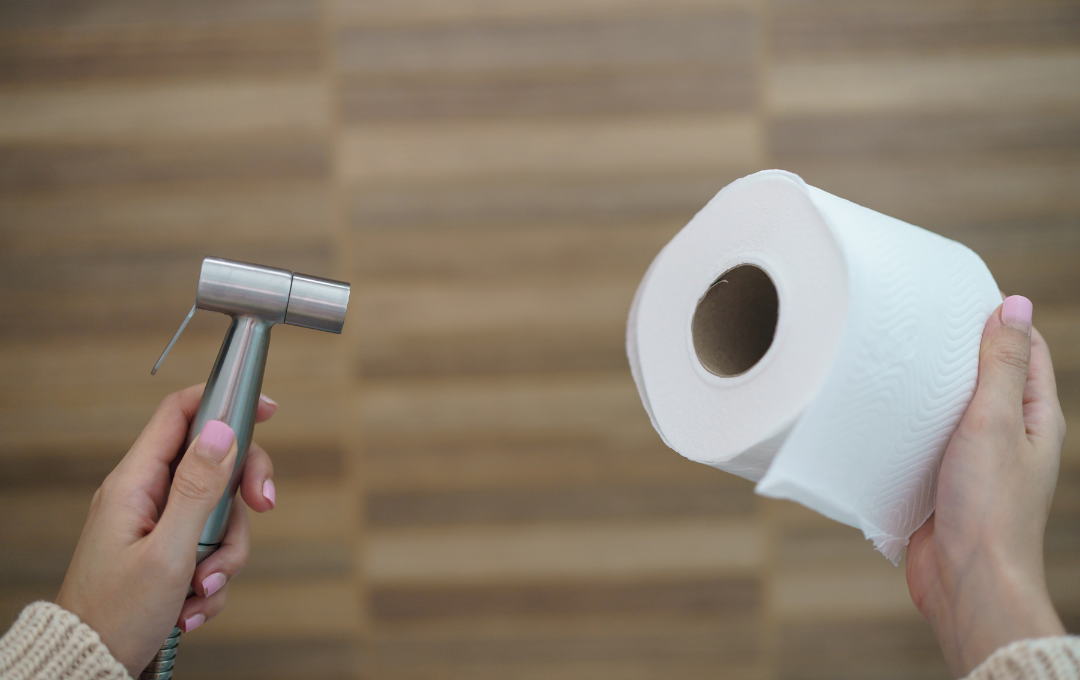
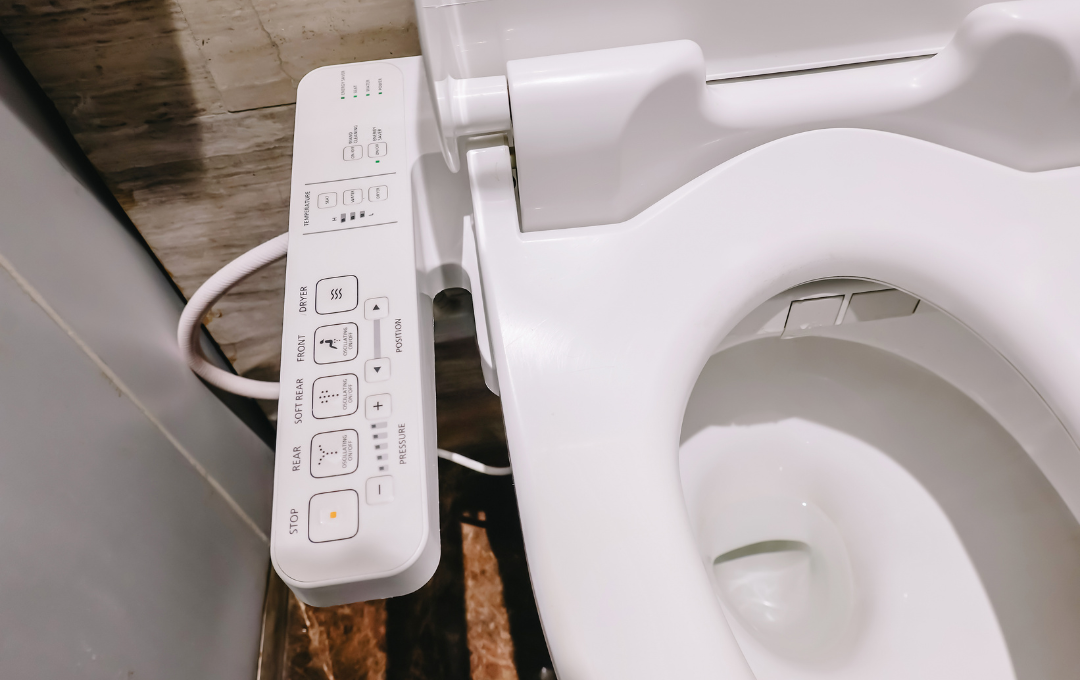
  • Gentle Cleansing: Switch to a bidet or unscented medicated wipes (like witch hazel pads) instead of dry paper. 
  • Hydration: Drink plenty of electrolytes to keep the digestive system balanced. 
  • Dietary Adjustments: Follow a “Bland” or Low-FODMAP diet temporarily to slow digestion and give your rectum a break. 
  • Sitz Baths: Soaking in warm water for 10–15 minutes can reduce swelling and relax the anal sphincter. 

When to Seek Medical Treatment 

While home care strategies are effective for managing common flare-ups, they aren’t a substitute for medical advice when symptoms are severe or persistent.

However, it’s time to consult a doctor if you experience any of the following: 

  • Severe or worsening pain: Especially sharp, tearing pain that could indicate an anal fissure. 
  • Heavy or persistent bleeding: While a small amount of bright red blood is common, significant bleeding or bleeding that lasts beyond a week requires medical evaluation. 
  • Diarrhea lasting more than two days: Prolonged diarrhea can lead to dehydration and may signal an underlying issue. 
  • A lump that is hard or very painful: This could be a thrombosed hemorrhoid, which may need medical treatment. 

Knowing the difference between a manageable flare-up and a serious issue allows you to take effective action and seek help when necessary. 

Internal vs. External Hemorrhoids 

To understand your treatment options, it is important to distinguish between the two types of hemorrhoids

  • Internal Hemorrhoids: Located deep inside the rectum, these are typically painless but are the primary source of bleeding. When aggravated by diarrhea, they can prolapse (protrude) outside the anal canal. 
  • External Hemorrhoids: These form under the sensitive skin around the anus. They appear as visible bumps and cause intense itching and sharp pain, often worsened by the chemical makeup of diarrhea. 

 Hemorrhoid Artery Embolization (HAE) for Hemorrhoid Treatment

If you are experiencing persistent, painful internal hemorrhoids, hemorrhoid artery embolization (HAE) is a great treatment option to effectley relief sysmptoms. The specialists at  USA Hemorrhoid Centers  often recommend hemorrhoid artery embolization (HAE) because of its numerous benefits, such as:

  • No Stitches or Wounds: Unlike traditional surgery, HAE requires no rectal incisions. 
  • Outpatient Care: Patients return home the same day. 
  • Fast Recovery: Most return to regular activities within a few days. 
  • Targets the Source: By blocking the specific blood flow to the inflamed veins, HAE shrinks hemorrhoids from the inside out. 

Contact USA Hemorrhoid Centers for Lasting Relief 

Hemorrhoids will not cause diarrhea, but the strain of chronic digestive issues can make living with piles a daily struggle. If your symptoms—such as bleeding, protrusion, or intense itching—persist for more than a few days, it is time to consult a specialist. 

The experienced interventional radiologists at USA Hemorrhoid Center understand the complexity of managing hemorrhoids alongside conditions like IBS or Crohn’s. We offer personalized, non-surgical paths to relief that allow you to stop managing symptoms and start living comfortably again. 

Easy Online Scheduling

Frequently Asked Questions

How can I get rid of hemorrhoids after diarrhea?

The first step is to manage the diarrhea to stop further irritation. To soothe existing hemorrhoids, use warm sitz baths for 10–15 minutes, apply over-the-counter medicated creams, and use flushable wipes or a bidet instead of dry toilet paper to prevent further friction. The next step should be visiting a specialist for long-term relief.

Can my IBS be causing my hemorrhoids?

Irritable Bowel Syndrome (IBS) causes frequent changes in bowel habits, which can indirectly impact or cause hemorrhoids. Whether you have IBS-D (diarrhea) or IBS-C (constipation), the increased frequency of bowel movements and the time spent on the toilet put significant pressure on rectal veins, leading to hemorrhoids.

Can certain foods cause both diarrhea and hemorrhoid irritation?

Spicy foods, caffeine, and alcohol are common “double triggers” that can cause both diarrhea and hemorrhoid irritation. They can speed up digestion (causing diarrhea) and contain chemical compounds that remain irritating as they pass through the digestive tract, causing a burning sensation and inflammation in existing hemorrhoids.

Is it normal for hemorrhoid symptoms to flare after a stomach virus?

It is very common for hemorrhoid symptoms to flare up after a stomach virus(gastroenteritis), because it can cause a sudden, intense increase in bowel movements. The frequency of wiping and the acidity of loose stools can quickly aggravate the rectal lining, causing a dormant hemorrhoid to become inflamed and painful.

Can Hemorrhoids Cause Headaches?

Person with hemorrhoids dealing with a headache
January 16th, 2026
12:20 PM

Hemorrhoids are a common condition affecting millions of adults, often causing symptoms like itching, bleeding, swelling, and rectal discomfort. But some individuals also report experiencing headaches around the same time their hemorrhoid symptoms flare. This leads to an important question: Can hemorrhoids cause headaches?

The Relationship Between Hemorrhoids and Headache

Example of Hemorrhoids
Hemorrhoids do not directly cause headaches. They are swollen veins in the rectal area, whereas headaches originate from nerves, muscles, or blood vessels in the head. However, several indirect factors related to hemorrhoids may contribute to headaches, making the connection more complex than it appears.

Here are the most likely reasons someone with hemorrhoids may also experience headaches:

  1. Pain and Physical Stress
    Moderate to severe hemorrhoid pain can increase stress hormones, cause muscle tension, and disrupt sleep. Chronic discomfort may lead to tension-type headaches or worsen existing migraine patterns.

  2. Straining During Bowel Movements
    Constipation is a major risk factor for hemorrhoids. Frequent straining increases pressure in the abdomen and rectum, but it can also cause temporary spikes in blood pressure and muscle strain in the head and neck, which may trigger headaches in susceptible individuals.

  3. Dehydration
    Many people with hemorrhoids adjust their diet, take fiber supplements, or avoid drinking enough water due to bloating or bathroom anxiety. Dehydration is a well-known trigger for headaches and migraines.

  4. Iron-Deficiency From Chronic Bleeding (Less Common)
    In cases where hemorrhoids bleed regularly over long periods, mild iron-deficiency anemia may develop. Symptoms of anemia can include fatigue, lightheadedness, and headaches. This is not common but can occur with untreated bleeding hemorrhoids.

  5. Medications and Lifestyle Changes
    Some over-the-counter pain relievers used for hemorrhoid discomfort—such as NSAIDs—can trigger rebound headaches when used frequently. Dietary changes, reduced caffeine intake, and poor sleep during flare-ups may also contribute.

Are Headaches a Sign of a More Serious Problem?


Headaches are not considered a primary symptom of hemorrhoids. If headaches are severe, persistent, or accompanied by neurological symptoms, rectal bleeding, weight loss, or changes in bowel habits, it is important to rule out other gastrointestinal or neurological conditions.

When to Seek Medical Evaluation

You should consider speaking with a medical professional if you experience:

• Headaches plus unexplained or heavy rectal bleeding
• Headaches that worsen with coughing, straining, or bending
• Headaches accompanied by dizziness, fatigue, or shortness of breath
• Hemorrhoid symptoms lasting longer than one week
• Hemorrhoids that cause significant pain or interfere with daily life

How to Reduce Hemorrhoid-Related Discomfort and Headaches


Because headaches in this context are usually indirect, relief comes from addressing both bowel habits and overall comfort.

Helpful strategies include:

• Increasing hydration to support digestive function
• Eating a high-fiber diet (vegetables, fruits, whole grains)
• Using stool softeners when medically appropriate
• Avoiding caffeine or alcohol excess, which can dehydrate
• Using warm sitz baths for rectal discomfort
• Managing pain appropriately with physician guidance
• Maintaining regular physical activity
• Improving sleep patterns during flare-ups

Can Treating Hemorrhoids Help Reduce Headaches?

Treating Hemorrhoids
If headaches are being triggered by pain, dehydration, or straining, then yes—treating hemorrhoids and correcting underlying bowel issues may reduce headache frequency.

However, if headaches persist even after hemorrhoid symptoms improve, it’s worth evaluating other potential triggers unrelated to digestive health.

Hemorrhoid Artery Embolization


When conservative care fails to control bleeding or discomfort, minimally invasive treatment options are available. One emerging option is Hemorrhoid Artery Embolization (HAE). During HAE, an interventional radiologist uses imaging guidance to identify and block the arteries supplying blood to internal hemorrhoids. By reducing blood flow, hemorrhoids shrink and symptoms such as bleeding and prolapse improve over time.

Unlike surgical hemorrhoidectomy, HAE does not involve removing tissue. Patients typically experience less pain, minimal downtime, and can return to normal activities faster than with traditional surgical approaches. This makes HAE an attractive option for patients with recurrent internal hemorrhoids or bleeding who are seeking non-surgical solutions.

USA Hemorrhoid Centers specializes in minimally invasive hemorrhoid treatment, including Hemorrhoid Artery Embolization. Their centers focus on resolving internal hemorrhoids at the source, helping patients reduce pain, bleeding, itching, and other disruptive symptoms. With a patient-centered approach, advanced imaging, and office-based treatment capabilities, USA Hemorrhoid Centers provides an option for individuals who want to avoid surgery while achieving lasting symptom relief.

More on Hemorrhoid Artery Embolization

Final Thoughts

So, can hemorrhoids cause headaches? Yes, they can indirectly. Hemorrhoids themselves do not create neurological or vascular changes that produce headaches. However, the pain, dehydration, stress, straining, and lifestyle adjustments associated with hemorrhoids can indirectly contribute to headaches in some individuals.

If headaches develop during hemorrhoid flare-ups, treating the underlying bowel issues and improving hydration often helps. If headaches are persistent or occur alongside significant bleeding or neurological symptoms, it is important to seek medical evaluation to rule out other causes.

Call to Consult with a Specialist

Difference Between Hemorrhoids & Anal Fissures

Difference Between Hemorrhoids & Anal Fissures
January 5th, 2026
06:04 PM

Bleeding during a bowel movement and anal discomfort are symptoms of two common and seemingly similar conditions: hemorrhoids and anal fissures.

It’s easy to confuse the two if you look at symptoms alone. Often, a medical exam is the only way to determine for sure if anal bleeding, irritation, and other issues are caused by anal fissures or hemorrhoids. Knowing the difference can determine what treatment will offer relief and what prevention strategies will help you avoid future problems.

USA Hemorrhoid Centers is an expert in non-surgical hemorrhoid treatment. This guide explains the difference between hemorrhoids and anal fissures and what to do if you think you have symptoms caused by one of these conditions.

Schedule A Hemorrhoid Consultation

What’s the Difference Between Hemorrhoids and Anal Fissures?

The difference between hemorrhoids and anal fissures is that hemorrhoids impact veins in or near the anus, and anal fissures are tears in the anal tissue.

Hemorrhoids are swollen veins in the anus or lower part of the rectum.

The veins in this region expand and widen as the tissue in the rectum and anus stretches and contracts to hold and eliminate stool. Excessive stretching of these blood vessels due to pressure and straining can weaken the vein walls, causing them to become swollen and inflamed.

Common causes of hemorrhoids include:

  • Straining during a bowel movement
  • Straining from heavy lifting
  • Excess weight
  • Pressure from a growing uterus during pregnancy

These swollen piles of veins can cause serious discomfort or bleeding. They can occur internally or externally.

Anal fissures are tiny cuts on the inner lining of the anus.

Like hemorrhoids, they can occur after straining from constipation or while passing a large or hard stool. Other possible causes include:

  • Tight sphincter muscles
  • Straining while giving birth
  • Anal intercourse
  • Chronic diarrhea

Hemorrhoid Symptoms vs. Anal Fissure Symptoms

Some hemorrhoid symptoms overlap with the symptoms of an anal fissure. Both conditions can cause the following:

  • Bright red blood in the stool, on the toilet paper, or in the toilet bowl after pooping
  • Anal pain

The main difference between anal fissures and hemorrhoids is when that pain occurs.

Anal fissures cause pain during a bowel movement. The pain can be severe, especially while pushing, and it can linger for minutes or hours after using the bathroom.

Hemorrhoid pain only occurs with an external hemorrhoid or an internal hemorrhoid that is prolapsed (a prolapsed hemorrhoid has fallen outside of the rectum). The pain occurs while sitting, whether on the toilet to have a bowel movement or in a chair.

With the types of hemorrhoids that cause pain (external and prolapsed hemorrhoids), it’s usually possible to feel a lump near the anus. An external hemorrhoid will feel like a hard lump. A prolapsed hemorrhoid is a soft lump that protrudes from the anus.

Pain during a bowel movement without a lump is more likely to be an anal fissure.

A non-prolapsed internal hemorrhoid may bleed, but it won’t create a lump you can feel or cause the intense pain associated with an anal fissure.

Another way to spot the difference is to look for other symptoms. Hemorrhoids can also cause irritation and itching around the anus and a feeling of pressure in the lower rectum.

Is It Possible to Have a Hemorrhoid and an Anal Fissure at the Same Time?

It is possible to have both at once, making it even more confusing to recognize if hemorrhoids or anal fissures are the cause of symptoms.

Straining and pressure can lead to swollen veins and tears in the lining of the anus. These conditions can also both be exacerbated by poor blood flow to the anal area.

The tearing from an anal fissure can cause intense pain, causing the muscles in this area to spasm, which decreases blood flow.

Studies show that people with chronic constipation and hemorrhoids are also more likely to have chronic venous insufficiency, a condition that causes varicose veins and poor blood flow.1

Poor circulation slows down the movement of oxygen and nutrients to tissue throughout the body, inhibiting the healing process.2

That’s one reason why a proper diagnosis, treatment, and lifestyle changes to prevent future problems are so important. If either one of these anal issues becomes chronic, healing can take longer, and recurrences are more likely, which means more bleeding, pain, and discomfort.

Talk to Hemorrhoid Specialist

Hemorrhoid vs. Anal Fissure Treatment and Prevention Strategies

Many cases of hemorrhoids or anal fissures resolve after a few days without medical treatment. Although the causes are different between hemorrhoids and anal fissures, they both can improve from some of the same strategies. Usually, lifestyle changes help speed healing and prevent future issues.

  • Eating a high-fiber diet and drinking more water can soften the stool and prevent constipation, resulting in less straining.
  • Getting regular exercise increases circulation, helping to heal a tear or a swollen vein. Exercise also prevents constipation.
  • Soaking in warm baths can also increase blood flow to the anal region, helping to relieve discomfort, speed healing, and prevent hemorrhoids and anal fissures.

Sometimes, internal hemorrhoids don’t go away on their own and require medical treatment. They can last for weeks or longer.

Generally, hemorrhoid symptoms that don’t go away after a week should be checked out by a doctor. They can determine if someone has hemorrhoids, anal fissures, or other conditions that can cause rectal bleeding and anal discomfort, like irritable bowel syndrome (IBS) or ulcerative colitis. A hemorrhoid doctor can also recommend the best treatment for the individual.

While colorectal surgeons and gastroenterologists are more commonly associated with treating hemorrhoids, Interventional Radiologists (IR) can offer effective treatments for these conditions.

IRs use minimally invasive imaging techniques to guide procedures, often providing a less invasive and faster recovery time than traditional surgical approaches.

If you’re considering treatment for hemorrhoids, it’s a good idea to discuss your options with both an IR and a colorectal surgeon or gastroenterologist to determine the best approach for your specific situation.

Hemorrhoid treatment can relieve bleeding, swelling, and other symptoms. USA Hemorrhoid Centers offers a non-surgical treatment called hemorrhoid artery embolization (HAE). This minimally invasive procedure is less painful and has a lower risk of complications than other treatments like hemorrhoid surgery and rubber band ligation, making it a good option for most people who need treatment.

Anal fissures usually go away with a high-fiber diet and drinking more water. Over-the-counter stool-softening products and fiber supplements can also help. When anal fissures are chronic, they can be treated with a sphincterotomy, a procedure that relaxes the muscles around the anus.

How to Tell if You Have Hemorrhoids or Anal Fissures?

If you’re dealing with bleeding, pain, and discomfort during or after a bowel movement, it could be hemorrhoids or anal fissures. Knowing the differences between the symptoms can help you understand what type of anorectal issue you’re dealing with. However, a proper diagnosis is the only way to know for sure and to get access to treatment for problems that won’t go away.

Why Choose USA Hemorrhoid Centers

Our doctors are experienced IR hemorrhoid specialists who can evaluate your symptoms, determine the cause, and how to treat them. We offer hemorrhoid consultations and treatment to help our patients return to living hemorrhoid-free.

If you suspect you have hemorrhoids and your symptoms don’t clear up in a few days, schedule a consultation at a location near you. We have clinics nationwide, and all of our locations accept a wide range of insurance.

Schedule a consultation with one of our expert hemorrhoid doctors and get a personalized treatment plan to help you get relief.

Find a Hemorrhoid Clinic near you

Sources

  1. Ekici, U., Kartal, A., & Ferhatoglu, M. F. (2019). Association Between Hemorrhoids and Lower Extremity Chronic Venous Insufficiency. Cureus, 11(4), e4502.
  2. InformedHealth.org [Internet]. Cologne, Germany: Institute for Quality and Efficiency in Health Care (IQWiG); 2006-. Overview: Chronic wounds. [Updated 2022 Aug 8].

Why Do Hemorrhoids Flare Up?

why do hemorrhoids flare up
October 17th, 2025
11:15 AM

Hemorrhoids are often joked about, but they’re actually a normal part of the body. They are vascular cushions in and around the anus that aid in bowel movements. They maintain continence and prevent stools from leaking. However, hemorrhoids can occasionally flare up and cause uncomfortable symptoms, such as anal bleeding, pain, swelling, and itchiness.  

Hemorrhoids can flare up for many reasons, but each risk factor increases pressure on the rectal veins, causing the surrounding tissues to swell and symptoms to appear. While some hemorrhoids are easy to spot externally, they can also flare up inside the anal canal.  

Understanding why hemorrhoids flare up is the first step toward managing them. By recognizing the triggers, you can take steps to ease discomfort and prevent future episodes. It should be noted, however, that some hemorrhoids may still need medical treatment to resolve the issue fully. 

Here’s a closer look at why hemorrhoids flare up and how you can manage them. 

Review Your Risk Factors

heavy lifting is a common cause of hemorrhoid flare ups

Causes Hemorrhoids Flare-Ups 

Hemorrhoids flare up because there’s too much pressure on the rectal veins, which are often worsened by the following contributing factors: 

  • Straining during bowel movements 
  • Sedentary lifestyle 
  • Constipation  
  • Diarrhea 
  • Heavy lifting or strenuous exercises  
  • Pregnancy 

Some risk factors cannot be controlled; however, addressing the ones you can manage will help ease the discomfort from flare-ups. 

fiber is a common at-home method to manage hemorrhoid symptoms

Best Way to Treat Hemorrhoid Flare-Ups and What Not to Do 

Many hemorrhoids, especially external hemorrhoids, can be treated through self-care measures. This can include upping your fiber intake, using over-the-counter topical creams, taking sitz baths, and limiting how much time you spend on the toilet.  

In addition to these methods, you may want to avoid the following activities that worsen hemorrhoids: 

  • Eating foods that aggravate hemorrhoids, such as spicy food. 
  • Engaging in strenuous exercises that add pressure to the rectal veins. 
  • Over-cleaning the area may exacerbate the underlying inflammation. 

In many cases, those with internal hemorrhoids may still experience flare-ups despite taking these precautions.  

Other Activities to Avoid with Hemorrhoids

When a Flare-Up Signal a Need for Medical Attention

While most hemorrhoid flare-ups go away on their own, some do not. If your hemorrhoids are resistant to at-home methods and your symptoms continue after a week, you may need medical attention.  

If internal hemorrhoids are left untreated, you’re at an increased risk of prolapse. This occurs when the internal hemorrhoid becomes large enough to protrude from the anus. This can be very painful and can become permanent if it’s not addressed.   

hemorrhoid artery embolization for hemorrhoid flare ups

Hemorrhoid Artery Embolization (HAE): An Advanced, Minimally Invasive Treatment 

Hemorrhoid artery embolization (HAE) is a minimally invasive treatment option for persistent or prolapsed hemorrhoids. Instead of making major incisions to remove the hemorrhoidal tissue, an interventional radiologist uses ultrasound-guided imaging to find the arteries supplying blood to the hemorrhoid and block its blood flow, causing the hemorrhoid to shrink and reducing symptoms.  

HAE is a minimally invasive alternative to surgery. It requires no incisions, so recovery is typically quicker. It also preserves the hemorrhoidal tissue so that it continues to function normally. For some patients, especially those with conditions that make surgery risky, HAE has provided effective relief from severe hemorrhoid flare-ups. 

USA Hemorrhoid Centers’ team of interventional radiologists is experienced in HAE. They use evidence-based data to ensure they provide the best treatment for their patients. Endovascular Today, a renowned medical publication, has even noted that HAE is a safe procedure with effective results. Many people who received HAE still reported relief after a 12-month follow-up.

Discover How HAE Works

Find Lasting Relief from Hemorrhoid Flare-Ups at USA Hemorrhoid Centers 

Finding the right provider for a hemorrhoid treatment is crucial in finding effective relief. USA Hemorrhoid Centers uses a patient-focused approach to ensure people can not only find relief, but also understand their hemorrhoid flare-ups, from symptoms to risk factors and treatment options.  

Most health insurance plans cover hemorrhoid procedures when they are medically necessary, including Medicare and Medicaid. USA Hemorrhoid Centers offer instant insurance verification when people schedule their appointment online or call 855.805.4247 to ensure their consultation and treatment are covered.  

You don’t have to live with the pain and discomfort from hemorrhoids that flare up. Schedule an appointment today and start your path toward relief.  

Schedule an Appointment

Frequently Asked Questions About Hemorrhoid Flare-ups

Can hemorrhoid flare ups go away on their own?

In most cases, hemorrhoids that flare up can go away on their own with conservative treatment, such as upping fiber intake. However, some hemorrhoids do not react well to conservative treatments and may need medical treatment.

How long does a hemorrhoid flare-up last?

Most hemorrhoids can flare up within a few days to a week. If symptoms last longer than a week, it’s recommended to seek medical attention.  

Why do hemorrhoids flare up every time I defecate?

Hemorrhoids can flare up while you’re having a bowel movement because there’s increased pressure on the anal veins. This can be caused by straining during bowel movements or, in some cases, spending too much time on the toilet.

Can stress cause hemorrhoids to flare up?

Stress does not directly cause hemorrhoids; however, stress can lead to flare-ups because it can impact bowel movements and worsen hemorrhoid pain and swelling.