
USA Hemorrhoid Centers
77777777777

High Fiber Diet for Hemorrhoid Relief

High Fiber Diet and Hemorrhoids
December 5th, 2025
02:30 PM

Many people find that when it comes to hemorrhoids, a high-fiber diet is vital to preventing and easing uncomfortable symptoms. Fiber supports digestive health by softening stool and promoting regular bowel movements, reducing the strain that can cause swollen or irritated veins in the rectal area. For most patients, a fiber-rich diet can help improve symptoms. However, fiber is not a one-size-fits-all solution; hemorrhoid relief is most effective when a healthy diet is paired with targeted medical treatment.

While many foods contain fiber, some are particularly effective for those managing hemorrhoid symptoms. Choosing a diet for hemorrhoids that includes a mixture of fruits, vegetables, grains, and legumes means you can find relief naturally while supporting overall digestive health.

How Fiber Supports Hemorrhoid Relief

A high-fiber diet offers various benefits for digestion and short-term relief of hemorrhoid symptoms. It’s one of the most effective natural ways to prevent hemorrhoids because it helps keep the digestive system moving smoothly.

When you consume enough fiber, stools become softer and easier to pass, reducing pressure on rectal veins, which is a leading cause of hemorrhoids. Softer stools mean less straining, which minimizes irritation, swelling, and bleeding, which is especially valuable for internal hemorrhoids.

A high-fiber diet is particularly beneficial for mild hemorrhoids or recurring symptoms. However, dietary changes may not be enough for severe cases such as prolapsed or bleeding hemorrhoids, which often require medical intervention. If you are experiencing symptomatic hemorrhoids and are looking for relief, it is recommended to consult with a specialist to explore treatment options. 

Meet with a Specialist

Fiber and Internal Hemorrhoids

Internal hemorrhoids are inside the rectum and often linked to poor bowel habits. When stool is difficult to pass, it puts extra strain on these veins, leading to pain, swelling, and occasional bleeding.

With hemorrhoids, a consistent, high-fiber diet can minimize issues by promoting softer stools and more regular bowel movements. People who maintain steady fiber intake throughout the day tend to experience fewer flare-ups and greater long-term relief.

Best High Fiber Foods for Hemorrhoids 

Not all fiber-rich foods are created equal. When it comes to a high-fiber diet and hemorrhoids, here are some of the best sources to prevent and manage symptoms.1

Five Best Fiber-Rich Fruits

  • Apples: Rich in both soluble and insoluble fiber, eating one apple a day adds over 4g of fiber to your diet while promoting digestive regularity.
  • Pears: Excellent for a high-fiber diet and managing hemorrhoids, as one medium pear contains almost 6g of fiber along with pectin, a soluble fiber that helps maintain a softer stool consistency.
  • Berries: Eating half a cup of berries means you get between 3g and 4g of insoluble fiber, along with antioxidants that can help reduce inflammation.
  • Prunes: These natural laxatives help prevent constipation and straining, and a ¼ cup of prunes adds about 3g of fiber to your diet.
  • Kiwi: A ½ cup of kiwis adds over 2g of fiber, and they contain actinidin, an enzyme that helps improve bowel movement frequency. 

Three Best Vegetables To Improve Gut Health

  • Broccoli: Packed with over 5g of fiber per cooked cup, broccoli also provides additional nutrients that support digestion. 
  • Leafy greens: Greens like spinach and kale, which both contain over 4g of protein per cup when cooked, are gentle on the digestive system and rich in magnesium, which aids regularity.
  • Sweet potatoes and potatoes: Eating both regular and sweet potatoes adds 3-7g of fiber to your diet, along with complex carbohydrates.

Top Three Whole Grains

  • Oat bran: A ¼ cup contains 1.5g of soluble fiber, which forms a gel-like consistency to soften stool.
  • Whole Wheat Roti: While traditional roti made with whole wheat flour provides plenty of fiber (1.4g per ½ oz), you can also make roti with other ingredients, such as chickpeas, which are a good, fiber-rich, gluten-free alternative.
  • Barley: A ¼ cup of pearled, cooked barley helps feed beneficial gut bacteria that aid digestion, while also adding 1.5g of fiber to your diet.

Best Legumes (Beans)

  • Lentils: This fiber powerhouse adds almost 4g of fiber per ¼ cup when cooked, helping promote regular bowel movements so you strain less and reduce your risk of hemorrhoids.
  • Chickpeas: Around ¼ cup of cooked chickpeas adds over 3g of soluble and insoluble fiber for balanced digestion.
  • Black beans: Contain resistant starch, which supports a healthy gut microbiome, with a ¼ cup of cooked black beans adding around 4g of fiber.

Foods to Avoid

Although there are lots of good high-fiber foods for hemorrhoids, there are certain foods that can worsen symptoms by causing constipation, inflammation, or poor digestion. 

These foods include:

  • Processed foods
  • Red meat
  • Sugary foods 
  • Dairy

Red meat and dairy specifically exacerbate hemorrhoids as they are low in fiber and can cause digestive issues like constipation. These foods, along with processed and sugary foods, are also high in fat, which can slow digestion and lead to straining during bowel movements. The straining irritates and places pressure on the veins around the anus and rectum, which can lead to hemorrhoids.

How Much Fiber Do You Need for Hemorrhoid Relief?

High Fiber Diet and Hemorrhoids​

Doctors and other medical specialists often recommend aiming for 28 grams of fiber per day from food sources.2 Most people fall short of this goal, but focusing on high fiber foods for hemorrhoids, also known as piles, is necessary to keep the digestive system moving smoothly and reduce irritation.

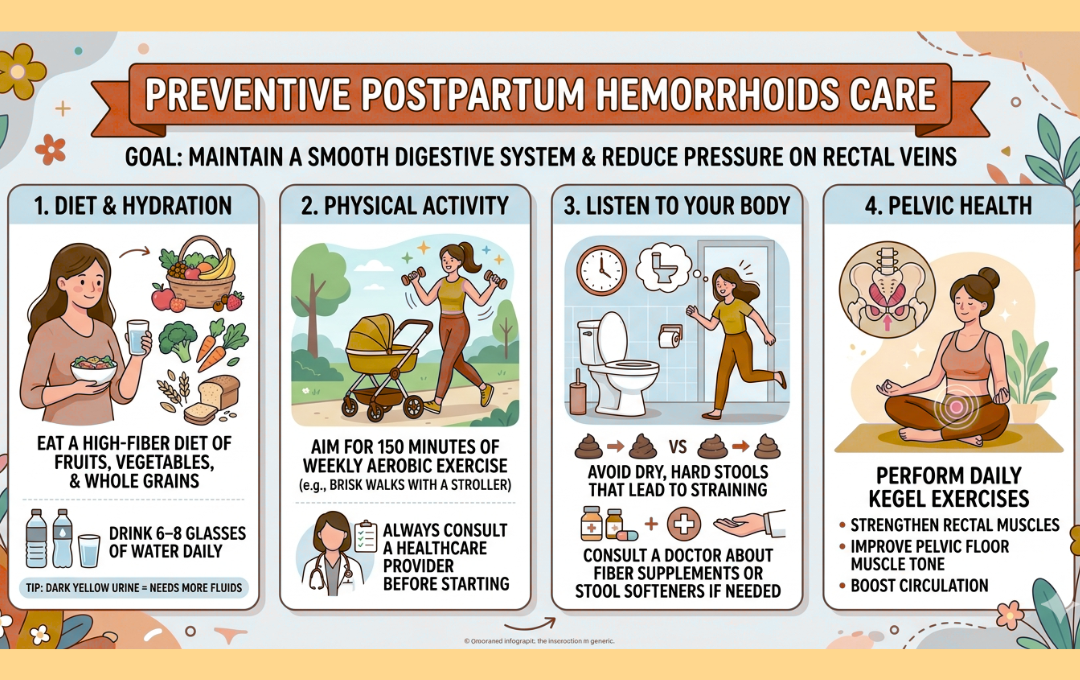
To improve your fiber intake for hemorrhoids, gradually increase it to help prevent bloating and gas. It’s also helpful to drink plenty of water, since fiber is most effective when you’re hydrated. If you’re struggling to increase fiber intake, fiber supplements can help when taken alongside a fiber-rich diet. 

When Fiber Isn’t Enough: Seeking Hemorrhoid Treatment

Increasing fiber for hemorrhoids is one of the simplest and most effective lifestyle changes to support bowel health and prevent straining. While a high-fiber diet is a good first step for managing hemorrhoids, some cases require more than dietary changes. Severe hemorrhoids, such as those that are prolapsed or bleeding, often need medical treatment.

Our expert specialists at USA Hemorrhoid Centers use hemorrhoid artery embolization (HAE), a minimally invasive procedure specifically for treating internal hemorrhoids.

HAE targets the blood supply feeding the hemorrhoid, causing it to shrink and relieving symptoms such as pain, itching, and bleeding. Compared to dietary adjustments, HAE provides faster, lasting relief and does not require surgery or extended recovery time.

USA Hemorrhoid Centers Is Here to Help

While dietary improvements are an excellent first step, moderate to severe hemorrhoids often require professional care. USA Hemorrhoid Centers’ specialized, patient-focused treatment for internal hemorrhoids can help you when lifestyle and dietary changes aren’t enough. Our accredited nationwide clinics mean you have access to our specialists no matter where you live in the United States. 

Don’t let hemorrhoids interfere with your life. A high-fiber diet can make a big difference, but if symptoms persist, schedule a consultation with USA Hemorrhoid Centers to learn more about your treatment options.

Schedule Online Today

FAQs About a High Fiber Diet and Hemorrhoids

What shrinks hemorrhoids the fastest?

The fastest treatment for shrinking hemorrhoids is non-surgical treatments like hemorrhoid artery embolization (HAE). This minimally invasive procedure blocks the arteries that supply blood to the hemorrhoids, causing them to shrink gradually.

How long does it take for fiber to improve hemorrhoid symptoms?

When increasing fiber intake for managing hemorrhoids, it can take anywhere from a few days to a week to start noticing results. More advanced cases of hemorrhoids may require medical intervention to improve symptoms. 

What if fiber doesn’t help my hemorrhoids?

If your hemorrhoids persist or get worse after focusing on a high-fiber diet, consult a medical professional to see if treatment options such as hemorrhoid artery embolization (HAE) can be effective.

Sources

  1. Current Dietary Guidelines,” Food Sources of Dietary Fiber | Dietary Guidelines for Americans. 
  2. Interactive Nutrition Facts Label,” Interactive Nutrition Facts Label.

End-of-Year Deductibles and Hemorrhoid Treatment

Insurance information for Hemorrhoid Treatmeant
November 19th, 2025
11:33 AM

As the end of the year approaches, many people start reviewing their health benefits—especially their deductible. If you’ve been dealing with hemorrhoid symptoms like pain, bleeding, itching, or swelling, understanding where you stand with your deductible can make a big difference in when and how you seek treatment.

For many patients, the final months of the year offer a valuable opportunity to get relief from hemorrhoids while maximizing insurance benefits before deductibles reset.

What Is a Deductible?

Your deductible is the amount you must pay out of pocket for covered healthcare services before your insurance begins paying a larger portion of your medical costs. Once you’ve met your deductible, your insurance typically covers more—sometimes nearly all—of the cost of treatment for the rest of the year.

This is why many patients choose to schedule medical procedures, including hemorrhoid treatment, toward the end of the year.

Why Hemorrhoid Treatment Matters

Hemorrhoids can be painful, disruptive, and persistent. They often cause:

  • Bright red bleeding during bowel movements

  • Itching and irritation

  • Swelling or a lump around the anus

  • Pain when sitting

  • Discomfort during daily activities

Many people live with these symptoms for months—or years—hoping they’ll resolve on their own. But hemorrhoids often worsen without proper care.

If you’ve met or are close to meeting your deductible, the end of the year is an ideal time to finally get relief.

How End-of-Year Deductibles Benefit Hemorrhoid Patients

If you’ve met your deductible—or you’re close—the cost of hemorrhoid treatment can be significantly lower.

1. Lower Out-of-Pocket Costs

Once your deductible is met, you may only be responsible for a copay or coinsurance. For some patients, this reduces treatment costs dramatically.

2. Immediate Relief With Minimally Invasive Care

USA Hemorrhoid Centers offers non-surgical, office-based hemorrhoid treatments, such as:

  • Hemorrhoid Artery Embolization (HAE) – a minimally invasive outpatient procedure

  • Infrared coagulation (IRC) and other non-surgical techniques may vary by location

These options treat hemorrhoids without hospital stays, incisions, or prolonged downtime.

3. Avoid Restarting Your Deductible in January

Waiting until the new year means your deductible resets—meaning you may pay more out-of-pocket for treatment.

4. Stop Living With Pain

Hemorrhoids rarely “go away” permanently on their own, especially if they’re already causing bleeding, swelling, or recurrent flare-ups. Delaying treatment can lead to more severe symptoms.

Is Hemorrhoid Treatment Covered by Insurance?

In most cases, yes—insurance typically covers medically necessary hemorrhoid care, including:

  • Diagnostic evaluation

  • Office-based treatments

  • Minimally invasive procedures like HAE

Coverage varies by plan and location, but insurance companies recognize that hemorrhoids can cause pain, bleeding, and complications, which makes treatment medically necessary.

USA Hemorrhoid Centers works most major insurance companies. Our insurance team will verify your benefits and explain any remaining out-of-pocket costs before scheduling treatment.

See Insurance Information for Hemorrhoid Treatment

How to Check If You’ve Met Your Deductible

If you’re not sure where you stand, you can:

  • Log into your insurance portal

  • Check your deductible and out-of-pocket maximum

  • Call your insurance provider

  • Ask whether hemorrhoid treatment is covered

  • Use Our Online Scheduling tool and input your insurance to find the closest location near you that accepts your insurance.

USA Hemorrhoid Centers can also help verify your benefits and explain exactly what your insurance will cover.

Call to Speak to an Insurance Specialist

Why Choose USA Hemorrhoid Centers for Treatment?

At USA Hemorrhoid Centers, we specialize in minimally invasive hemorrhoid care designed to deliver lasting relief with minimal downtime.

Our approach includes:

  • Outpatient, non-surgical treatments

  • No hospital stay

  • Quick, comfortable procedures

  • Most patients return to normal activities the same or next day

  • Insurance-friendly care with transparent pricing

  • Experienced physicians specializing in hemorrhoid treatment

Don’t Wait—Use Your Benefits Before They Reset

The end of the year is one of the most cost-effective times to seek medical care. If you’ve already met your deductible or are close to meeting it, scheduling hemorrhoid treatment now can help you:

  • Pay less out of pocket

  • Start the new year without ongoing hemorrhoid pain

  • Avoid worsening symptoms

  • Finally get long-term relief

Take advantage of your benefits while they last.

Call 855-805-4247 or schedule your consultation online today to verify your insurance and learn which hemorrhoid treatment is right for you.

Sclerotherapy for Hemorrhoids vs. HAE

Hemorrhoid Arter Embolization or Sclerotherapy for Hemorrhoid Treatment
November 3rd, 2025
11:38 AM

Hemorrhoids are one of the most common and uncomfortable conditions affecting adults. Symptoms like bleeding, pain, itching, swelling, and recurrent flare-ups can significantly impact daily life. Fortunately, several modern treatment options exist—including sclerotherapy and Hemorrhoid Artery Embolization (HAE).

Both treatments are minimally invasive, but they work very differently, and each may be better suited for certain types of hemorrhoids or symptom severity.

If you’re comparing these two options, this guide will help you understand how they work, their benefits, and which patients typically see the best results.

Hemorrhoid Sympoms

What Is Sclerotherapy for Hemorrhoid?

Sclerotherapy is a non-surgical, office-based procedure used to treat internal hemorrhoids. It is one of the earliest minimally invasive hemorrhoid treatments and continues to be widely used today.

How It Works

A physician injects a specially formulated solution (a sclerosant) into the hemorrhoid tissue. This causes the vein walls to stick together, cutting off blood flow. The hemorrhoid shrinks over time and symptoms gradually improve.

Best For:

  • Internal hemorrhoids (Grade I–II)

  • Patients with mild to moderate symptoms

  • Patients looking for a quick, in-office treatment

What Is Hemorrhoid Artery Embolization (HAE)?

Hemorrhoid Artery Embolization is an advanced, minimally invasive treatment performed by an interventional radiologist. Instead of treating the hemorrhoid itself, HAE targets the arteries supplying blood to the hemorrhoids.

How It Works

During HAE, a physician inserts a tiny catheter into an artery (typically near the groin or wrist). Using image guidance, they locate the arteries feeding the hemorrhoidal tissue and place small particles to block blood flow. Over time, the hemorrhoids shrink and symptoms improve.

Best For:

  • Chronic or recurring hemorrhoids

  • Internal hemorrhoids that cause significant bleeding

  • Patients who want to avoid surgery

  • Patients who prefer a comprehensive, long-term solution

Benefits of HAE

  • No incisions

  • No general anesthesia

  • Targets the source of hemorrhoids by reducing blood flow

  • Effective for moderate to severe internal hemorrhoids

  • Minimal downtime—most patients return to normal activity quickly

  • Lower risk of complications compared to surgery

Because HAE treats the arterial supply rather than the hemorrhoids themselves, it may offer more durable relief for patients with recurring symptoms.

Sclerotherapy vs. Hemorrhoid Artery Embolization

Feature Sclerotherapy HAE
Best for Mild to moderate internal hemorrhoids Moderate to severe internal hemorrhoids
How it works Injection shrinks the hemorrhoid Blocks blood supply to hemorrhoids
Anesthesia None Local anesthesia + sedation
Downtime Minimal Minimal
Long-term effectiveness May require repeat sessions Longer-lasting relief
External hemorrhoids Not effective Not typically used
Treats underlying cause Partially Yes – targets arterial supply

Learn About HAE

When to Seek Help

You should consider professional hemorrhoid treatment if you experience:

  • Persistent bleeding

  • Pain or swelling that interferes with daily life

  • Symptoms returning after home remedies

  • Frequent flare-ups

  • Difficulty sitting

  • Large internal hemorrhoids

Early treatment can prevent worsening symptoms and reduce your risk of complications.

Find the Right Hemorrhoid Treatment for You

Modern hemorrhoid care is more advanced, effective, and minimally invasive than ever. Whether you’re exploring sclerotherapy or HAE, the best treatment depends on your specific symptoms and goals for relief.

Schedule Online 24/7

Is Walking Good for Hemorrhoid Relief?

October 14th, 2025
02:53 PM

The sudden, often intense discomfort of hemorrhoids, swollen, painful veins in the rectum and anus, can stop you in your tracks. If you’re one of the millions looking for relief, you’ve likely searched for non-medical strategies. One of the first things that comes to mind is often gentle exercise. Is walking good for hemorrhoids? It’s a natural question, and the short answer is usually yes; walking is a simple, beneficial activity. 

However, if your symptoms are persistent, despite your best efforts, it’s time to connect with specialists to discuss modern, long-term options like hemorrhoidal artery embolization (HAE).

Let’s explore the benefits of walking as a supportive tool in your hemorrhoid care routine, and establish the connection to seeking specialized care when chronic symptoms demand a more definitive, minimally invasive treatment.

Hemorrhoid Symptoms To Look For

Benefits of Walking for Hemorrhoids

Walking is more than just a pleasant stroll; it’s a form of moving medicine that addresses several underlying issues contributing to hemorrhoid formation and flare-ups:

  • Improves Bowel Regularity: One of the most significant benefits is its effect on your digestive tract. Walking stimulates the gut, helping food move through your system efficiently. This regular movement can prevent constipation, a major cause of hemorrhoids, as it reduces straining during bowel movements.
  • Enhances Circulation: As you walk, your heart rate increases, sending blood flowing more efficiently throughout your body, including the pelvic area. Better circulation helps reduce swelling and inflammation in the hemorrhoidal veins, often providing a natural form of hemorrhoid relief.
  • Aids Weight Management: Maintaining a healthy weight is crucial in preventing hemorrhoids. Excess weight puts additional pressure on the rectal veins. Regular walking is an effective, low-impact way to manage weight and, in turn, reduce pressure on the affected area.
  • Stress Reduction: The general benefits of exercise, including the release of endorphins, improve your mood and reduce stress. While indirect, overall well-being is a key component of chronic symptom management.

Is Walking Good For Hemorrhoid Relief: Considerations and Cautions

While generally helpful, walking for hemorrhoid relief requires mindfulness and moderation. Your key is to walk smartly:

  • Listen to Your Body: If you are experiencing a severe flare-up, listen to your body. The intensity of your walk should be adjusted based on the severity of your pain. If walking causes sharp, increasing pain, stop and rest. Gentle movement is the goal, not a strenuous workout.
  • Proper Hydration and Diet: To maximize the anti-constipation effect of walking, ensure you are drinking plenty of water before, during, and after your activity. This must be paired with a high-fiber diet to keep stool soft and easy to pass.
  • Gear and Attire: Avoid friction and irritation by wearing loose-fitting, breathable clothing, particularly in the lower half. Choose cushioned, supportive shoes to minimize jarring impact.
  • Duration and Intensity: Start with short, gentle walks, think 15 to 20 minutes at a comfortable pace. Avoid long-distance or strenuous power walking during a painful flare-up, as the sustained impact could worsen symptoms.

Learn Activities To Avoid With Hemorrhoids

When to Avoid Walking and Seek Help

While walking is a positive step, it is not a cure. If your symptoms persist, worsen, or become severe, it is a clear signal that a gentle walk is no substitute for medical intervention.

Pause walking and seek medical advice immediately if you experience:

  • Excessive or heavy bleeding.
  • Sharp, severe, or debilitating pain.
  • A significant prolapse (when the hemorrhoid protrudes and won’t retract).

Chronic or recurring hemorrhoids mean the issue is likely a deep vascular problem that diet and lifestyle changes alone can’t fix. Connecting with a hemorrhoid specialist sooner is the fastest way to lasting relief.

Hemorrhoids Artery Embolization (HAE): A Modern Solution

When your efforts with walking and lifestyle changes fall short, a revolutionary, minimally invasive option is available: hemorrhoidal artery embolization (HAE).

HAE is an outpatient procedure performed by an interventional radiologist. It uses a small catheter to target and block the small arteries that supply blood to the hemorrhoids. By reducing the blood flow, the hemorrhoids naturally shrink over time.

The benefits of HAE include:

  • Minimally Invasive: No surgical incisions are required.
  • Fast Recovery: Patients typically return to normal activities quickly.
  • Effective: It targets the source of the problem for long-term relief.

Consult USA Hemorrhoid Centers For Hemorrhoid Relief

Walking is generally recommended as a gentle activity for managing and preventing hemorrhoids. We encourage you to incorporate light walking into your routine as part of a holistic approach to hemorrhoid care. However, if you are struggling with chronic symptoms despite these efforts, don’t suffer in silence or delay finding a lasting solution.

USA Hemorrhoid Centers is a national leader in providing focused, non-surgical hemorrhoid treatment. Our experienced hemorrhoid specialists offer accurate diagnosis and create personalized hemorrhoid artery embolization (HAE) treatment plans to help you quickly return to your regular activities pain-free. We prioritize accessible care by accepting most insurance plans and providing affordable payment options. Our commitment to excellent, patient-focused care has earned us accreditation from the AAAHC. 

If you’re struggling with internal hemorrhoid symptoms, find a clinic nearby and schedule a consultation. Addressing internal hemorrhoids early on is the best way to prevent further issues like prolapse, intense pain, or infection.

Contact a hemorrhoid specialist at USA Hemorrhoid Centers today to determine if hemorrhoidal artery embolization (HAE) is the right and effective path for you.

Find A Treatment Clinic Near You


Can Hemorrhoids Come Back After Treatment? What You Need to Know

September 23rd, 2025
01:06 PM

Anyone who has ever experienced the discomfort of hemorrhoids knows that they are more than just a minor inconvenience and can be a painful and frustrating part of everyday life. Even after finally finding relief through treatment, one question inevitably comes to mind: can hemorrhoids come back?

The answer, however, may not be so simple. While treatments can be highly effective, hemorrhoids are known for their tendency to return. The probability of a recurrence depends on the type of hemorrhoid treatment chosen, and the lifestyle changes made posttreatment.

Discovering why hemorrhoids return and the treatments that can offer lasting relief can help in taking simple steps to prevent them from coming back.

A Quick Review of Hemorrhoids and Treatments

While you may have already dealt with hemorrhoids, it is important to remember that some symptoms like bleeding, pain, or a persistent lump can indicate their comeback. In some cases, certain hemorrhoid symptoms can also mimic other serious conditions such as colorectal or prostate cancer. If you experience these symptoms again, it is always best to consult a doctor to get a proper diagnosis.

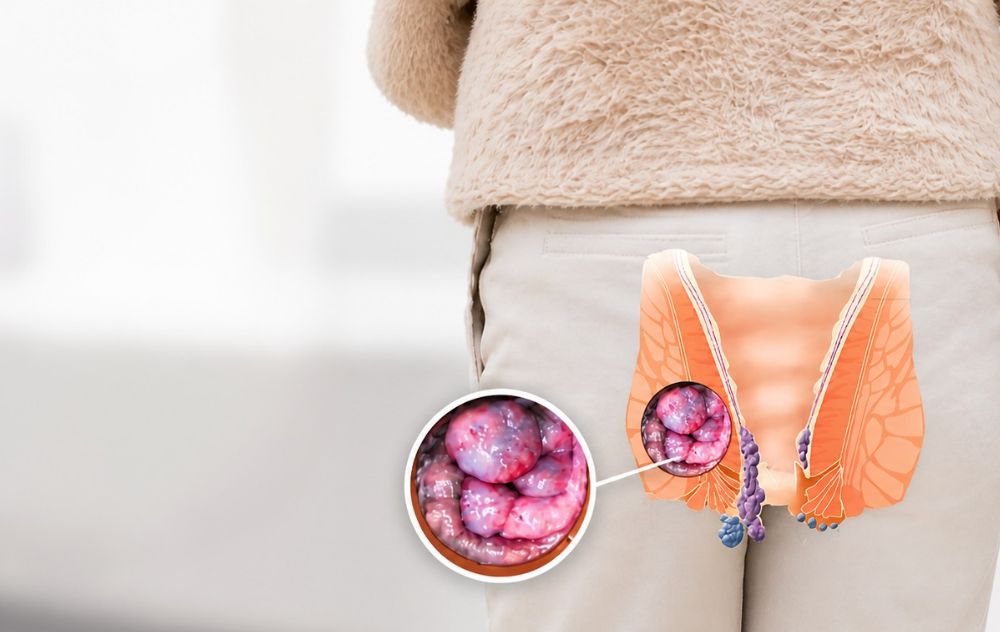
Hemorrhoids, which are swollen veins in your lower rectum and anus, can be either internal or external. Even after a previous treatment, they can return. The severity of a recurrence can varies from a mild and temporary annoyance to a painful, chronic condition.

If your hemorrhoids come back, the initial steps you took before, such as lifestyle changes and home remedies, may be effective for mild cases. However, if the symptoms are more persistent or severe than before, or if they just do not go away, you may need to discuss other options with your doctor. These could include a different medical procedure or surgery.

Common causes and contributing factors to look out for include:

  • Chronic constipation or diarrhea
  • Straining during bowel movements
  • A low-fiber diet
  • Pregnancy and childbirth
  • Obesity
  • Prolonged sitting, especially on the toilet

MORE ON RISK FACTORS

Types of Hemorrhoid Treatments

Treatments for hemorrhoids range from home remedies to surgical interventions, depending on the severity and type.

Home Remedies and Lifestyle Adjustments

For mild cases, many people find relief from hemorrhoids through lifestyle changes.

  • Diet: A high-fiber diet rich with fruits, vegetables, and whole grains helps soften stool and prevent straining.
  • Topical treatments: Over-the-counter creams, ointments, and pads containing ingredients like hydrocortisone or witch hazel can soothe irritation and pain.
  • Sitz baths: Soaking the anal area in warm water for 10-15 minutes, several times a day, can help reduce swelling and pain.

Minimally Invasive Procedures

These office-based procedures are often used for persistent or bleeding internal hemorrhoids.

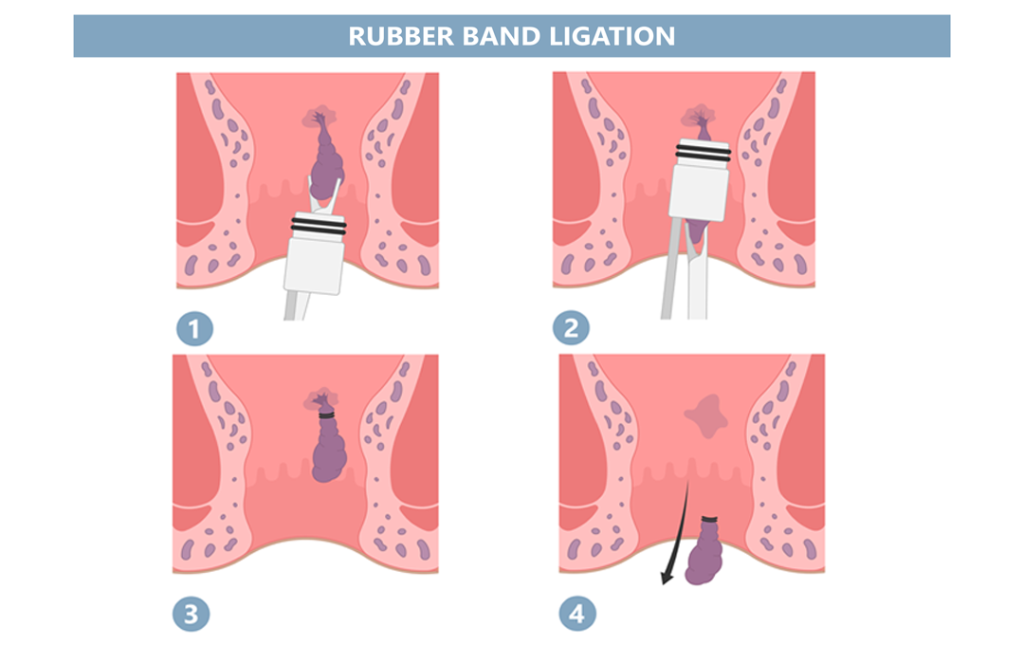
  • Rubber band ligation: A small rubber band is placed around the base of the hemorrhoid, cutting off its blood supply. The hemorrhoid eventually shrinks and falls off.
  • Infrared coagulation: A device uses infrared light to create scar tissue, which restricts blood flow to the hemorrhoid, causing it to shrink.
  • Sclerotherapy: A chemical solution is injected into the hemorrhoid to shrink it by causing scar tissue to form.
  • Hemorrhoidal Artery Embolization (HAE): This is a promising, minimally invasive procedure for treating internal hemorrhoids by shrinking them through the arteries.

Surgical Options

For large, painful, or persistent hemorrhoids that have not responded to other treatments, surgery may be an important consideration.

  • Hemorrhoidectomy: This is the surgical removal of hemorrhoids. It is often the most effective solution for severe cases, but it carries more risk, and a longer recovery time.
  • Hemorrhoidopexy: Hemorrhoid surgery in which a circular stapler is used to reposition the hemorrhoid in the anal canal and remove excess tissue.

Though traditional surgical methods can eliminate hemorrhoids, they do come with potential complications including infection, blood loss, and difficulty with urination. If you are weighing your treatment choices, a hemorrhoid expert can help you navigate to the most suitable solution for your symptoms.


Can Hemorrhoids Return After Treatment?

While a hemorrhoidectomy is considered a permanent cure for the hemorrhoids that are removed, new ones can still develop in the future. The potential for recurrence depends on the treatment type:

  • Home remedies and dietary changes: These can manage symptoms and prevent future flare-ups, but they do not remove the hemorrhoids themselves. There is a higher probability of recurrence if underlying causes, like straining and constipation are not addressed.
  • Minimally invasive procedures: Procedures like banding, sclerotherapy and hemorrhoid artery embolization are highly effective, but they do not guarantee that a new hemorrhoid will not Recurrence rates for banding and sclerotherapy can range from 15% to 50% over five years, influenced by a patient’s habits. For HAE, studies have shown durable results with a low recurrence rate.
  • Surgical options: A hemorrhoidectomy offers the lowest risk of recurrence. While it’s not a total guarantee against future hemorrhoids, it is highly effective, depending on patients’ self-care.

Factors that influence recurrence include:

  • Diet and lifestyle: A sedentary lifestyle and a low-fiber diet are major contributors
  • Bowel habits: Chronic constipation or straining are the causes of hemorrhoids
  • Genetics: A family history can lead to weaker vein walls and less elastic connective tissue in the rectal and anal area.

Dos and Don’ts For Preventing A Hemorrhoid Comeback


When to Seek Medical Advice

If you are having hemorrhoid symptoms, or if you notice they are worsening or recurring after treatment, it is best to seek medical advice.

Consult a hemorrhoid specialist if you experience persistent bleeding, severe or increasing pain, hemorrhoids that do not respond to home treatments and a new lump or swelling. They can provide an accurate diagnosis, recommend the most effective treatment for your specific situation, and rule out other more serious conditions

MEET OUR HEMORRHOID SPECIALISTS


Hemorrhoid Artery Embolization (HAE)


Hemorrhoidal artery embolization (HAE) is a promising, minimally invasive treatment for internal hemorrhoids. During the procedure, a doctor uses a catheter to locate and block the small arteries that supply blood to the hemorrhoids. This reduces blood flow, causing the hemorrhoids to shrink over time.

While traditional treatments like rubber band ligation and invasive surgery are available, hemorrhoid treatment has advanced tremendously. USA Hemorrhoid Centers offer an advanced minimally invasive procedure called hemorrhoid artery embolization (HAE). This treatment addresses internal hemorrhoids by cutting off their blood supply.

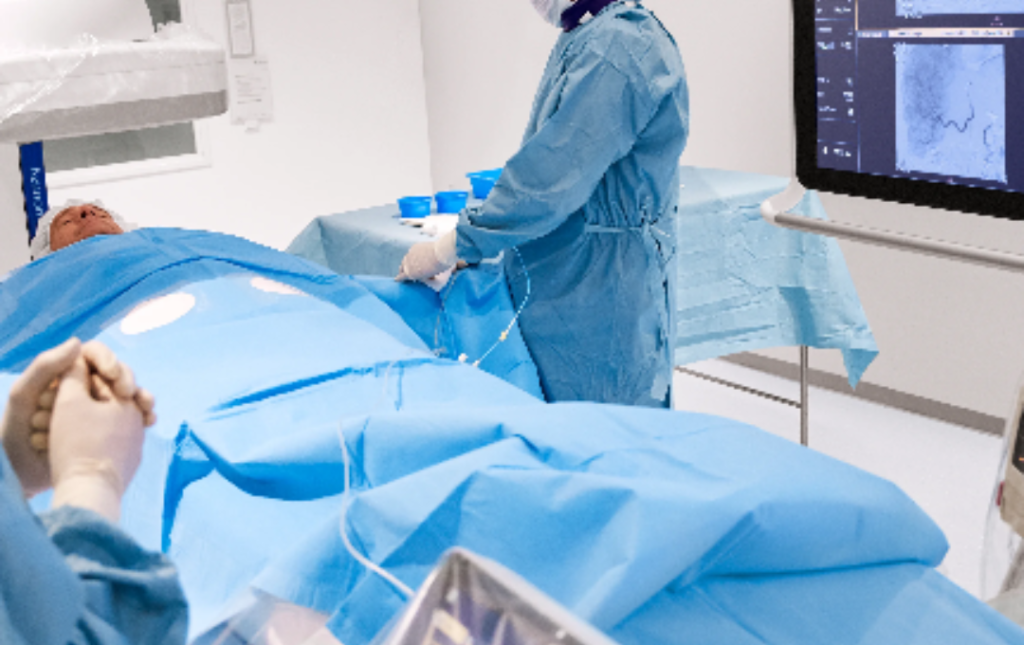
During the procedure, an interventional radiologist uses X-ray imaging to guide a catheter and tiny particles into the arteries that feed the hemorrhoid. These particles reduce blood flow, causing the hemorrhoid to shrink and stop bleeding. HAE is a painless procedure and according to studies has a high success rate. [i]

Benefits of HAE:

  • Minimally invasive: Unlike surgery, HAE doesn’t involve incisions.
  • Less pain and faster recovery: Patients typically experience minimal discomfort and can return to their daily activities much sooner than after a hemorrhoidectomy.
  • High success rate: Studies have shown HAE to be effective in reducing or eliminating symptoms.

LEARN ABOUT HAE


Find Hemorrhoid Relief the Non-Surgical Way

USA Hemorrhoid Centers’ network of highly skilled interventional radiologists specializes in a modern, minimally invasive procedure called hemorrhoid artery embolization (HAE) to treat internal hemorrhoids. Along with internal hemorrhoids, USA Hemorrhoid Centers also treat problems related to hemorrhoids, including hemorrhoid prolapse, thrombosed hemorrhoids, and uncomfortable symptoms like bleeding and itching.

Our commitment to high-quality, patient-focused care is reflected in our accreditation by the Accreditation Association for Ambulatory Health Care (AAAHC). We strive to make treatment accessible by accepting most major insurance plans and offering flexible payment options. If you are experiencing symptoms of internal hemorrhoids, schedule a consultation. Prompt treatment can help prevent complications.

SCHEDULE A CONSULTATION


[i] https://pmc.ncbi.nlm.nih.gov/articles/PMC11572626/

FAQs

Can hemorrhoids go away permanently?

Medical procedures can permanently cure severe hemorrhoids by removing the affected tissue or cutting off its blood supply. Common methods include hemorrhoidectomy (surgical removal), rubber band ligation, and minimally invasive treatment of hemorrhoid artery embolization (HAE).

While these treatments are effective, they do not prevent new hemorrhoids from developing. Therefore, it is also important to adopt lifestyle changes, such as a high-fiber diet and regular exercise, to ensure long-term relief.


How long does it take for hemorrhoids to heal?

With home remedies, mild hemorrhoids may heal on their own within a few days to a week. For more severe cases, recovery after a minimally invasive procedure or surgery can take a few weeks to a couple of months.

Are recurring hemorrhoids a sign of something serious?

Recurring hemorrhoids are not usually a sign of a serious disease, but they can be a symptom of chronic issues like constipation. However, it is always wise to get a proper diagnosis from a healthcare professional to rule out other conditions that can cause similar symptoms, such as inflammatory bowel disease or even colorectal cancer.

What Are the Alternatives to Hemorrhoid Surgery?

alternatives to hemorrhoid surgery
September 17th, 2025
11:33 AM

Almost everyone experiences symptomatic hemorrhoids from time to time. However, some may still experience bleeding, swelling, and discomfort even after exhausting self-care measures, such as topical creams or eating more fiber. If hemorrhoids are still causing discomfort after a few weeks, it may be time to seek medical attention. 

Surgery is one option to treat persistent hemorrhoid symptoms. Patients are typically recommended alternatives to hemorrhoid surgery, such as hemorrhoid artery embolization (HAE), which are minimally invasive and have a shorter recovery period. 

There are several alternatives to hemorrhoid surgery, and each one works differently to achieve similar results. Below, you’ll find everything you need to know about these hemorrhoid procedures. Understanding how these alternatives to hemorrhoid surgery work can help you determine which procedure is right for you.  

understanding hemorrhoids and treatment tiers
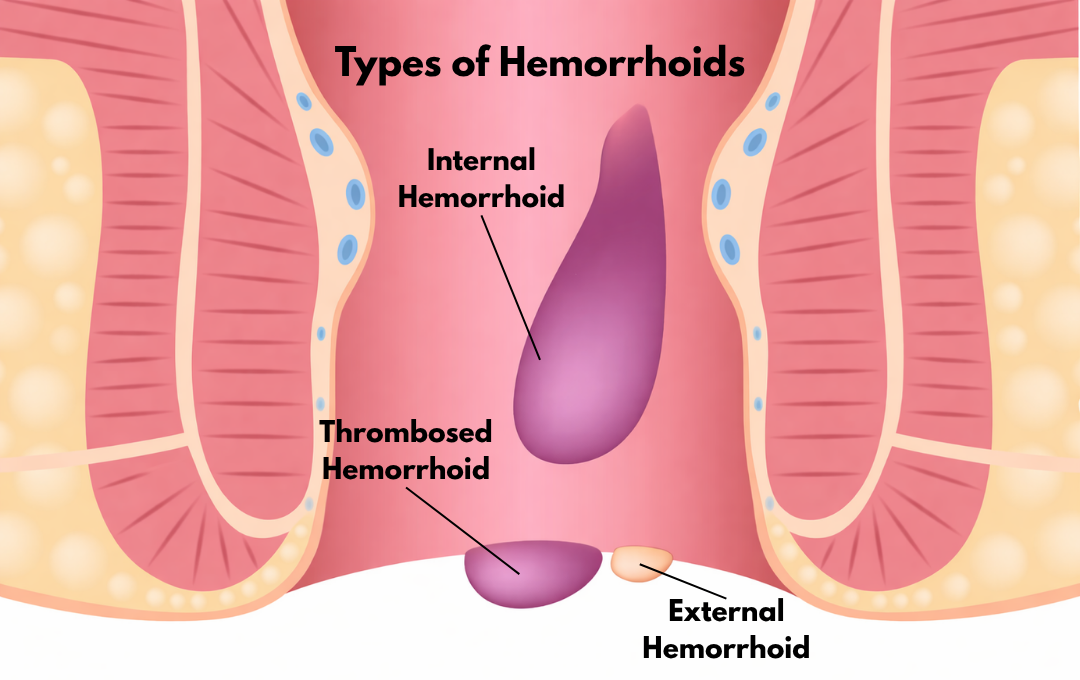
Internal hemorrhoids form inside the rectum, while external hemorrhoids develop underneath the skin surrounding the sphincter.

Understanding Hemorrhoids and Treatment Tiers

Hemorrhoids, which are swollen varicose veins in the rectum, can develop internally or externally. While external hemorrhoids are more common, they are easier to treat with self-care methods, whereas internal hemorrhoids are more likely to need medical intervention. While some symptoms of hemorrhoids may resolve on their own, it is important to see a doctor if you experience any rectal bleeding. 

Treatment for Internal Hemorrhoids

Doctors determine internal hemorrhoid treatments based on the hemorrhoid’s severity, which is graded as follows: 

  • Grade 1: early-stage internal hemorrhoid that may go unnoticed unless blood appears in the stool. 
  • Grade 2: the internal hemorrhoid starts protruding from the anus during a bowel movement but retracts on its own. 
  • Grade 3: the prolapsed hemorrhoid  may need to be manually pushed back in. 
  • Grade 4: the prolapse is permanent and painful. 

Hemorrhoid Grades Explained

Once the severity of the hemorrhoid is diagnosed, the doctor will recommend treatment options, which are classified into three tiers: 

Tier 1: Conservative Treatments  

Lifestyle and over-the-counter remedies are typically recommended for grade 1 and 2 hemorrhoids with mild rectal bleeding, itching, and swelling. 

Tier 2: Minimally Invasive Procedures  

This tier is meant for grade 2 and 3 hemorrhoids that are persistent or large. These alternatives to hemorrhoid surgery carry fewer risks because they don’t require incisions 

Tier 3: Surgical intervention

Surgery is better suited for more severe grade 4 hemorrhoids or hemorrhoids that are unresponsive to non-surgical treatments.  

A Closer Look at Hemorrhoid Treatments Tiers

Conservative hemorrhoid treatments
Eating more fiber is a common conservative treatment for minor hemorrhoids.

Conservative Treatments

Conservative treatments are defined as non-medical interventions that help manage symptoms. Some examples include exercising regularly and not straining during bowel movements.  

These treatments are often the first method people use to find relief, especially for those with mild grade 1 and 2 hemorrhoids. However, it usually isn’t effective for more advanced cases. 

Minimally Invasive Procedures

Minimally invasive procedures are the most common treatments for stubborn hemorrhoids. These procedures can be done in outpatient settings, allowing people to return home the same day. 

Hemorrhoid Artery Embolization (HAE)

HAE is a non-surgical, image-guided alternative to hemorrhoid surgery performed by an interventional radiologist to block blood flow to the hemorrhoids. 

Rubber Band Ligation

Small rubber bands cut off blood supply to the hemorrhoid, causing it to fall off.  

Sclerotherapy

Chemical solution is injected into the hemorrhoid to reduce blood flow and shrink hemorrhoids. 

Infrared Coagulation

Heat from infrared light causes blood clotting in the hemorrhoid, restricting blood flow and causing the hemorrhoid to shrink. 

Surgical Treatments 

Surgery is generally considered for people with severe hemorrhoids. One type of hemorrhoid surgery is hemorrhoidectomy, which is the surgical removal of hemorrhoidal tissue. The other is called a hemorrhoidopexy, in which a circular stapler is used to reposition the hemorrhoid in the anal canal and remove excess tissue.  

While these procedures are effective in removing symptomatic hemorrhoids, they carry risks, including infection, bleeding, and urinary retention.  

If you are unsure which option will best relieve your symptoms, a hemorrhoid specialist can guide you toward the most appropriate care.

hemorrhoid artery embolization is an alternative to hemorrhoid surgery
Hemorrhoid artery embolization (HAE) can be performed in a doctor’s office because the procedure is minimally invasive.

Hemorrhoid Artery Embolization in Detail

Hemorrhoid artery embolization (HAE) is an alternative to hemorrhoid surgery that can effectively reduce symptoms without the need for incisions, extensive preparation, or hospitalization. While hemorrhoid surgery requires the patient to do a full bowel preparation to clear the bowel 24 hours before the procedure, HAE doesn’t require this because it is performed through the vascular system. 

During HAE, an interventional radiologist will insert a catheter into a blood vessel. Using advanced medical imaging, the catheter is then guided to the arteries supplying blood to the hemorrhoid. Tiny particles are injected into those arteries, which will start reducing blood flow to the hemorrhoid and stop the bleeding.  

HAE is virtually painless and doesn’t require anesthesia, only mild sedation. The recovery period is shorter than surgery, and many patients still report symptom relief after a year. 

Discover the Benefits of HAE

Recovery Times for Hemorrhoid Procedures

The table below shows the average recovery times for each hemorrhoid procedure. In general, recovery from surgery will last longer than from a minimally invasive alternative. For example, HAE’s recovery time can last up to two days, while recovery from hemorrhoid surgery can last from weeks to months. 

 Procedure  Recovery   Time
 Hemorrhoid Artery   Embolization (HAE)  1-2 days
 Rubber Band Ligation  1-2 weeks
 Sclerotherapy  1-2 days
 Infrared Coagulation  1-2 weeks
 Hemorrhoidectomy  1-2 months
 Hemorrhoidopexy (Stapling)  2-4 weeks

a hemorrhoid specialist can recommend the best alternatives to hemorrhoid surgery

Choosing the Right Hemorrhoid Procedure

The right hemorrhoid procedure will depend on several factors, such as the hemorrhoid’s size, severity, and symptoms. It’s recommended to see a specialist, notably colorectal surgeons, gastroenterologists, or interventional radiologists, to discuss your hemorrhoid symptoms so that they can provide the best treatment option. 

USA Hemorrhoid Centers’ team of interventional radiologists specializes in hemorrhoid artery embolization, which is becoming a promising alternative to hemorrhoid surgery. Recognized by the Accreditation Association for Ambulatory Health Care, we ensure our patients receive the best hemorrhoid care in over 25 locations in Maryland, New York, New Jersey, Pennsylvania, Texas, Virginia, and Washington, D.C.  

Hemorrhoids don’t have to be forever. Schedule an appointment with a specialist today to get on track toward relief.  

Schedule an Appointment

How Does Hemorrhoid Artery Embolization Work?

how does hemorrhoid artery embolization work
July 23rd, 2025
10:46 AM

If you’ve been struggling with persistent hemorrhoid symptoms, you may be googling other treatment options that could help alleviate rectal bleeding and swelling because self-care methods haven’t worked. You may have heard about hemorrhoid artery embolization (HAE), a minimally invasive treatment that’s gaining recognition as an alternative to surgery. While HAE is proven to effectively reduce symptoms, many are unaware of how this procedure works and whether it’s right for them. 

This blog will provide a clear explanation of how HAE works and how it differs from other medical procedures. Whether you’re seeking relief from stubborn hemorrhoids or simply weighing your options, staying informed of treatment options can help you determine what will be best for you.  

Why Do Patients Need A Hemorrhoid Artery Embolization?

Patients typically need HAE when their hemorrhoids are causing persistent and bothersome symptoms that haven’t responded well to other treatments. 

HAE is primarily used on internal hemorrhoids, especially those classified as Grade 1, 2, or 3. These grades typically refer to the extent of prolapse (how much they bulge outside the anus). 

One of the most common and distressing reasons patients seek HAE is chronic or recurrent rectal bleeding from their hemorrhoids. This bleeding can range from minor spotting to significant blood loss, sometimes leading to anemia. HAE effectively targets the blood supply to these hemorrhoids, cutting off the flow and stopping the bleeding. 

Traditional surgical hemorrhoidectomy, while effective, is known for being painful and having a prolonged recovery period. Many patients are unwilling or unable to undergo such an invasive procedure. 

Some patients may not be suitable candidates for other common minimally invasive office-based procedures like rubber band ligation, sclerotherapy, or infrared photocoagulation due to the nature or severity of their hemorrhoids, or due to other medical conditions. HAE offers an alternative for these individuals. 

What is Hemorrhoid Artery Embolization?

HAE is a minimally invasive procedure that reduces blood flow to internal hemorrhoids to resolve bleeding, swelling, and other hemorrhoid symptoms. Internal hemorrhoids form inside the rectum, but if they are untreated, they can eventually prolapse and cause significant pain and discomfort.  

HAE is done by an interventional radiologist, which is a doctor who uses medical imaging equipment and catheters to treat various conditions from varicose veins to liver cancer. This targeted approach offers fewer risks, has a shorter recovery time, and is more cost-effective than surgery. 

Explore Other Treatments

hemorrhoid artery embolization is very effective against internal hemorrhoids

How Does HAE Work?

Prior to HAE, patients are given a light sedative for a painless experience. Once the sedation sets in, the interventional radiologist will insert a tiny catheter into an artery in the wrist or groin. Using an ultrasound, the catheter is guided to the rectal artery that supplies blood to the hemorrhoid.  

Once the catheter is near the hemorrhoid, tiny particles called embolization agents are injected into the hemorrhoidal arteries. Patients very rarely experience side effects from these particles, which have been used in other FDA-approved procedures for over 30 years.  

Patients leave with a small adhesive bandage over the insertion site after their HAE treatment. Most daily activities can resume within a few days. Over the next few weeks, the hemorrhoid will shrink, and patients will notice a significant improvement. 

How Long Does Hemorrhoid Artery Embolization Last?

Current research on HAE shows that treatment benefits can last more than a year after treatment. Most patients report satisfaction with the results and have a lower risk of flare-ups compared to other procedures. One study from the Journal of Vascular and Interventional Radiology notes that in a sample size of 133 patients, only 10 of them needed a second procedure because of recurrent flare-ups post-procedure.  

What Can I Do to Prevent Hemorrhoids from Coming Back?

There is always a risk of hemorrhoid symptoms coming back after treatment. Addressing risk factors that worsen hemorrhoids can help prevent symptoms from coming back. This can be achieved by: 

  • Using laxatives to avoid constipation 
  • Adding more fiber to your diet 
  • Staying active and making movement throughout your day 
  • Maintaining a healthy BMI 

What is the Success Rate of Hemorrhoid Artery Embolization?

HAE has a clinical success rate of up to 95% with minimal side effects, according to Endovascular Today. This is apparent in cases like Susan Duarte’s HAE treatment at USA Hemorrhoid Centers’ Vienna, VA clinic. 

“I recently underwent a nonsurgical procedure that provided better results than the surgeries I already had to address the issues,” said Susan.  

While other procedures like rubber band ligation or surgery can help alleviate symptoms, many patients are still at risk of their hemorrhoid symptoms returning. Below is a table illustrating the effectiveness of different hemorrhoid procedures. 

Procedure Success Rate Rate of Recurrence Pain/Recovery
Hemorrhoid artery embolization 95% Low Mild
Rubber band ligation 70-90% Moderate Mild
Hemorrhoid removal surgery (hemorrhoidectomy) 95-98% Low High
Hemorrhoid repositioning (stapled hemorrhoidopexy) 80-90% Moderate Moderate
Infrared coagulation (heating hemorrhoidal blood vessels) 60-80% High Minimal

Is Hemorrhoid Artery Embolization Painful?

HAE is virtually painless because of how the treatment is performed. Light sedation can help minimize discomfort during the procedure, and since no incisions are involved, the risk of pain post-treatment is significantly lower than surgery.  

Susan Duarte said she was pleasantly surprised by how painless her HAE treatment was.  

“The procedure was comfortable with minimal downtime, and I noticed positive results quickly,” she said.

Hear More From Our Patients

discover more about hemorrhoid artery embolization at USA Hemorrhoid Centers

Hemorrhoid Artery Embolization at USA Hemorrhoid Centers

USA Hemorrhoid Centers understand that persistent hemorrhoid symptoms can be painful as they are embarrassing. As an outpatient provider nationally recognized by the Accreditation Association for Ambulatory Health Care (AAAHC), we ensure our patients receive the best hemorrhoid care. 

Reflecting on her experience, Susan Duarte spoke about the patient-focused care she received from USA Hemorrhoid Centers: 

“Dr. Taghipour walked me through each step and answered all my questions,” said Susan. “The nurses provided attentive, personalized care. I highly recommend this non-surgical option and Dr. Taghipour’s practice to anyone with similar concerns.” 

With over 25 locations in New York, Texas, Maryland, Virginia, New Jersey, Pennsylvania, and Washington, D.C., USA Hemorrhoid Centers provides evidence-based care to help you get back to enjoying life with fewer disruptions. They also accept most health insurance plans 

If you’re still unsure whether HAE is right for you, schedule a consultation with one of our specialists today for more information.  

Schedule a Consultation

Who Is a Candidate for Hemorrhoid Artery Embolization?

May 8th, 2025
12:12 PM

If you’ve been diagnosed with hemorrhoids, you may be exploring treatment options to alleviate symptoms, such as pain, swelling, and rectal bleeding. While over-the-counter treatments can offer temporary relief, some cases require medical attention. Common treatments like rubber band ligation or surgery (hemorrhoidectomy) can be recommended for persistent hemorrhoid symptoms, but often come with longer recovery times and potential complications.  

Hemorrhoid artery embolization (HAE) is a minimally invasive alternative that targets the source of the problem by reducing blood flow to swollen hemorrhoidal tissue. This blog explores who may be a good candidate for HAE and how it compares to other treatment options.

What is Hemorrhoid Artery Embolization?

Hemorrhoid artery embolization (HAE) is an FDA-approved hemorrhoid treatment that uses advanced imaging and technology to alleviate bleeding and swelling from hemorrhoids. Unlike traditional surgical options, HAE does not require incisions or tissue removal. 

Hemorrhoids are swollen blood vessels in the anus, so the purpose of HAE is to limit the hemorrhoid’s blood flow in order to improve symptoms.  

During HAE, a physician administers a local anesthesia or sedation and inserts a small catheter into a blood vessel in the wrist or groin. Using real-time imaging, the physician guides the catheter to the superior rectal arteries, the vessels that that supply blood to the hemorrhoids, and injects tiny particles called embolic agents to block the blood flow. This targeted approach reduces bleeding and promotes the gradual shrinking of the hemorrhoidal tissue. 

Benefits of HAE

Patients can benefit from HAE in a few ways: 

  • Minimally invasive: patients leave with nothing more than a small bandage on the insertion site and with minimal to no side effects. 
  • Effective Symptom Relief: Endovascular Today, a publication dedicated to providing comprehensive coverage of the latest technology, techniques, and developments in the field of endovascular medicine, reports HAE’s success rate is 95 percent. 
  • Lowered risk of complications: HAE can lower potential complications associated with hemorrhoids, including anemia from blood loss, anal fissures, infection, and blood clots (thrombosed hemorrhoid). 
  • Less painful than other procedures: Patients have reported mild pain and discomfort during and after HAE.  

HAE is performed in an outpatient setting, and patients can return home shortly after treatment, with most experiencing lasting symptom relief. 

If you’re ready to take the next step in understanding how HAE could help, just tap below to explore more. 

Learn More About HAE’s Benefits

Who Should Consider Hemorrhoid Artery Embolization? 

HAE is suitable for many individuals with hemorrhoids, but it’s recommended to get an expert opinion before opting for the procedure. Not all hemorrhoid specialists offer HAE, as it must be performed by an interventional radiologist. This type of specialist will review your symptoms and refer you to an interventional radiologist if HAE may be right for you. 

Patients who fall under at least one of the circumstances below would be considered candidates for HAE: 

Persistent Hemorrhoid Symptoms 

Eating more fiber, using hemorrhoid creams, or soaking the hemorrhoid in warm water (sitz bath) can help heal most hemorrhoids. However, patients who still experience symptoms for longer than a week despite using these methods should consider consulting a doctor about HAE. 

Significant Hemorrhoid Bleeding

Bleeding is a common symptom of hemorrhoids, which is the result of increased pressure in the anal blood vessels. This increased pressure causes the arteries and veins to enlarge and blood to pool in the affected area. Straining during a bowel movement can worsen the swollen blood vessels, causing the hemorrhoid to “pop” and bleed. HAE can help reduce the bleeding and prevent hemorrhoids from getting worse. 

Prolapsed Hemorrhoids

Hemorrhoids that develop internally can sometimes protrude (prolapse) out of the anus and cause pain and discomfort. A prolapsed hemorrhoid in the early stages can come out during a bowel movement and retract on its own. As it progresses, the prolapsed hemorrhoid may need to be manually pushed back in if it hasn’t become permanently prolapsed. HAE can help shrink the prolapsed hemorrhoid, with patients noticing improvement within a couple of weeks. 

Not Suited for Other Hemorrhoid Procedures 

Some patients may have already tried other minimally invasive hemorrhoid procedures, such as rubber band ligation, with no luck in reducing symptoms. In fact, some patients will need additional rubber band ligation treatments after their first session. The National Institutes of Health says that patients who required more than four sessions of rubber banding had a higher failure rate, meaning they would need surgery to remove the hemorrhoid.  

Additionally, patients on blood thinners or with a large, prolapsed hemorrhoid may not be suitable candidates for other non-surgical procedures.  

Patients on blood thinners or with a large hemorrhoid should discuss HAE with a specialist to determine if the procedure is right for them. 

Learn More About HAE’s Benefits

Does Insurance Cover Hemorrhoid Artery Embolization?

Hemorrhoid artery embolization (HAE) is typically covered by most health insurance plans, including Medicare and Medicaid. Coverage is based on the fact that HAE is considered medically necessary for individuals experiencing chronic or severe hemorrhoid symptoms.  

Persistent hemorrhoids can lead to serious complications such as anemia, blood clots, and localized infections. Because HAE offers a safe, effective, and non-surgical treatment option, it is often approved by insurers as part of a comprehensive care plan. 

To confirm your coverage, speak with a care coordinator at USA Hemorrhoid Centers. 

Do I Need a Referral for Hemorrhoid Artery Embolization? 

You may need a referral for HAE depending on the kind of health insurance you have. Some health insurance providers require a referral to ensure your minimally invasive hemorrhoid treatment is covered. Contact your health insurance provider to check your coverage and determine if you need a referral.   

HAE at USA Hemorrhoid Centers 

Hemorrhoids may be uncomfortable to talk about but addressing them with a qualified specialist can lead to significantly improved health outcomes. USA Hemorrhoid Centers’ team of highly skilled physicians provides comprehensive evaluations and treatment plans – including HAE, a non-surgical outpatient procedure designed to reduce symptoms without incisions or lengthy recovery times. 

As an AAAHC-accredited provider, we prioritize patient safety, comfort, and dignity. With over 25 convenient locations nationwide, expert hemorrhoid care is never far from home. 

USA Hemorrhoid Centers accepts most health insurance plans, including Medicare and Medicaid. Patients can verify their insurance during the scheduling process, either online or by speaking with a member of our Care Team. 

Take the first step toward relief- schedule your consultation today. 

Schedule an Appointment