USA Hemorrhoid Centers
77777777777

What Not to Do When You Have Hemorrhoids: Common Mistakes That Make Symptoms Worse

straining with hemorrhoids what not to do
May 28th, 2026
12:00 PM

Medically reviewed byDr. Yan Katsnelson, M.D.
– Updated May 2026

While dealing with this condition, it is common to want to know what not to do when you have hemorrhoids.  Hemorrhoids are one of the most common digestive health conditions in the United States, affecting nearly 3 out of 4 adults at some point in their lives. They can cause pain, itching, swelling, and rectal bleeding which are symptoms that can disrupt your daily routine and make even simple tasks uncomfortable.

The positive is that hemorrhoids are very treatable. But many people unknowingly make everyday choices — in how they eat, how they care for themselves, and how long they wait to seek help — that delay healing or make symptoms significantly worse. Knowing what not to do with hemorrhoids is just as important as knowing what helps.

This guide covers the most common hemorrhoid mistakes and what you should do instead.

1. Ignoring Symptoms and Delaying Treatment

One of the most damaging hemorrhoid mistakes is simply waiting and hoping things improve on their own. While mild hemorrhoids can sometimes resolve with rest and dietary adjustments, ignoring persistent symptoms allows the condition to advance — and more advanced hemorrhoids are significantly harder to treat.

Hemorrhoids that go unaddressed can:

  • Progress from Grade I (small, internal) to Grade III or IV (prolapsed, requiring intervention)
  • Develop complications including thrombosis (blood clots) or tissue strangulation
  • Cause chronic bleeding that increases the risk of anemia over time

Rectal bleeding in particular should never be self-managed without a professional evaluation. While hemorrhoids are a common cause, bleeding can also signal other conditions that require prompt diagnosis.

Learn more about what happens when hemorrhoids are left untreated.

What to do instead: If symptoms last longer than one week, worsen, or include any rectal bleeding, contact a hemorrhoid specialist for an evaluation.

2. Straining During Bowel Movements

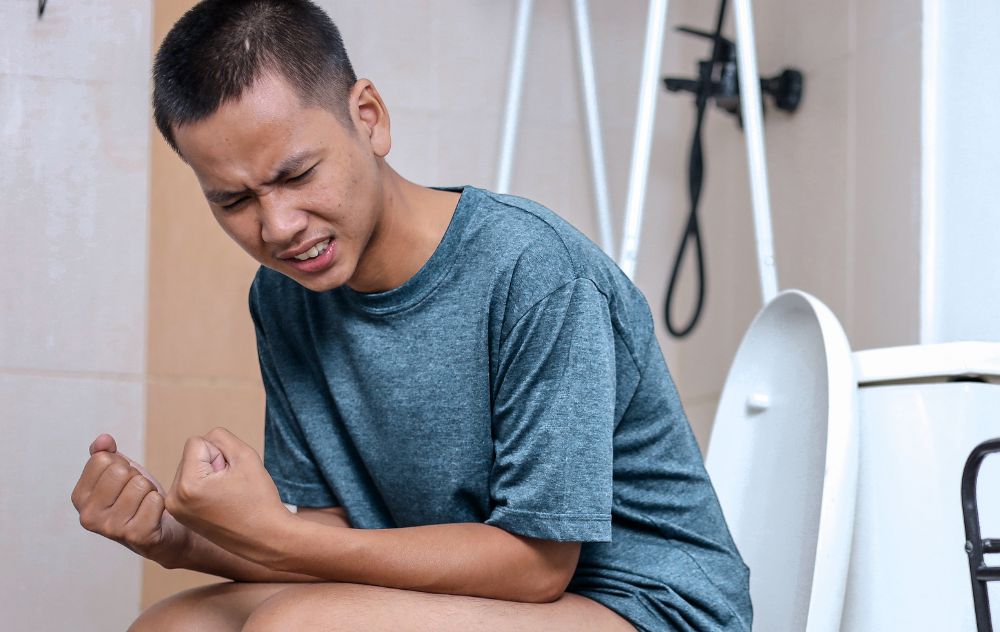
Straining is one of the primary drivers of hemorrhoid flare-ups — and one of the worst things you can do when hemorrhoids are already present. Bearing down on the toilet increases pressure in the rectal veins, causing hemorrhoids to swell further, bleed more, or prolapse.

Straining typically results from:

  • Constipation caused by low fiber intake or dehydration
  • Ignoring the urge to go and then forcing a bowel movement later
  • Spending too long on the toilet, which increases rectal pressure even without active straining

What to do instead: Only go when you feel a natural urge. Never force a bowel movement. If constipation is a recurring problem, speak with your doctor about dietary fiber or stool softeners.

3. Poor Diet and Not Drinking Enough Water

What you eat directly affects your stool consistency — and stool consistency directly affects your hemorrhoids. A diet low in fiber produces harder, more difficult stools that require straining to pass. Over time, this repeated pressure is one of the most common causes of worsening hemorrhoid symptoms.

Common dietary mistakes that aggravate hemorrhoids include:

  • Relying on processed foods, fast food, and refined grains (white bread, white rice, pasta)
  • Not consuming enough fruits, vegetables, legumes, or whole grains
  • Drinking alcohol or excess caffeine, which can dehydrate the body and harden stool
  • Not drinking enough water throughout the day

What to do instead: Work toward approximately 14 grams of fiber for every 1,000 calories in your daily diet — ideally from whole food sources rather than supplements alone. Staying well-hydrated is equally important; aim for at least 6–8 glasses of water per day.

For a detailed breakdown of what to avoid, see our guide on what foods trigger hemorrhoids.

4. Sitting for Long Periods — Including on the Toilet

Extended sitting puts sustained downward pressure on the veins in the rectal area, which can cause hemorrhoids to swell and worsen over time. This applies to desk work, long drives, and sedentary daily routines — but the toilet is often the most overlooked culprit.

Even sitting on the toilet for just 5–10 extra minutes per visit — whether due to phone use, reading, or waiting — increases rectal vein pressure significantly. The toilet opening acts like a mild vacuum on rectal tissue, and the longer you sit, the greater the effect.

What to do instead: Keep toilet visits brief and purposeful. At work, take short standing breaks every 30–60 minutes. If prolonged sitting is unavoidable, a donut-style cushion can help reduce direct pressure on hemorrhoidal tissue.

For guidance specifically on physical activities, exercises, and movements that affect hemorrhoids, see our detailed post on activities to avoid with hemorrhoids.

5. Using Harsh Soaps, Scented Wipes, or Irritating Products

Many people try to manage itching or discomfort by cleaning more thoroughly — but the wrong products can make hemorrhoid symptoms considerably worse. Scented, antibacterial, or alcohol-based cleansing products irritate already-inflamed tissue and can slow the healing process.

Products commonly associated with worsening hemorrhoid irritation include:

  • Scented or alcohol-based wet wipes
  • Antibacterial soaps with harsh surfactants
  • Heavily fragranced toilet paper
  • Over-the-counter hemorrhoid creams used more frequently or longer than directed

Aggressive or repeated wiping — even with soft tissue — can cause micro-tears that worsen inflammation and delay healing.

What to do instead: Clean the area gently with plain warm water after each bowel movement. Pat dry rather than rubbing. If itching continues, speak with your doctor before adding any new products to your routine.

6. Self-Diagnosing Without a Medical Evaluation

It is very common to assume that rectal discomfort, itching, or bleeding must be hemorrhoids. In many cases that assumption is correct — but several other conditions produce nearly identical symptoms, and missing them can have serious consequences.

Conditions that can mimic hemorrhoid symptoms include:

  • Anal fissures — small tears in the anal lining causing sharp pain and bleeding
  • Anal fistulas — abnormal tunnels near the anus that often require surgical correction
  • Colorectal polyps or colorectal cancer — which can cause rectal bleeding, especially in adults over 45
  • Inflammatory bowel disease (IBD) — including Crohn’s disease and ulcerative colitis

Treating the wrong condition with home remedies — or simply waiting — can allow a more serious condition to go undetected and untreated. To understand what symptoms should prompt an immediate evaluation, review our post on hemorrhoid warning signs and when to seek medical attention.

What to do instead: Get a professional diagnosis before beginning any treatment. A hemorrhoid specialist can evaluate your symptoms, rule out other conditions, and recommend the right approach for your specific situation.

7. Relying on Unproven Home Remedies

Not all home remedies are equal — and some popular ones can actively make hemorrhoids worse. A few to approach with caution:

  • Apple cider vinegar applied directly: Undiluted vinegar applied to rectal tissue can cause chemical burns and significantly worsen irritation, despite being widely recommended online.
  • Undiluted essential oils: Concentrated oils can cause contact dermatitis and allergic reactions in sensitive tissue.
  • Ice applied directly to skin: While brief cold application can temporarily reduce swelling, direct skin contact with ice can cause tissue damage. Always use a cloth barrier and limit application time.
  • Long-term OTC steroid cream use: Hydrocortisone-based products are appropriate for short-term use only. Prolonged application to rectal tissue can cause skin thinning. Use only as directed by a physician.

What to do instead: Warm sitz baths — soaking in a few inches of warm water for 10–15 minutes, two to three times per day — are among the most evidence-supported home measures for hemorrhoid discomfort. That said, no home remedy substitutes for professional evaluation when symptoms are persistent or worsening.

8. When to Stop Managing at Home and See a Specialist

Home care has a role in managing mild hemorrhoid symptoms — but there is a point at which self-treatment is no longer appropriate and professional evaluation becomes necessary. Do not delay seeking care if you experience:

  • Any rectal bleeding — bright red blood on toilet paper or in the bowl
  • Severe or sudden pain — particularly if accompanied by significant swelling
  • A hemorrhoid that prolapses and will not return on its own
  • Symptoms lasting more than 7–10 days despite consistent home care
  • Recurring flare-ups that are becoming more frequent or more severe
  • Any difficulty controlling bowel movements

Today, hemorrhoid treatment does not require surgery in most cases. Minimally invasive, in-office options — including rubber band ligation, sclerotherapy, infrared coagulation, and Hemorrhoid Artery Embolization (HAE) — are safe, effective, and designed to get you back to your routine quickly. HAE is a non-surgical procedure that reduces blood flow to the affected hemorrhoidal tissue, causing it to shrink naturally over time — with no general anesthesia, no hospital stay, and minimal recovery time.

A specialist can evaluate your symptoms and determine which treatment approach is the right fit for your condition and severity.

Conclusion: Stop Guessing — Start Healing

Hemorrhoid symptoms are uncomfortable, often embarrassing, and easy to mismanage. Whether it’s waiting too long to seek care, using the wrong products, eating a diet that worsens symptoms, or relying on unproven remedies — these common mistakes can turn a manageable condition into a more difficult one.

The most important step you can take is getting an accurate diagnosis from a qualified specialist. From there, a clear treatment plan — whether lifestyle-based or procedural — puts you in control of your symptoms rather than the other way around.

At USA Hemorrhoid Centers, our team of board-certified interventional radiologists provides compassionate, confidential hemorrhoid care using the most advanced evidence-based treatments available, including HAE. We have locations nationwide, accept most insurance plans including Medicare and Medicaid, and offer online scheduling with real-time insurance verification.

Schedule Consultation Online

Frequently Asked Questions About Hemorrhoid Mistakes

What should you avoid when you have hemorrhoids?

When you have hemorrhoids, avoid straining during bowel movements, sitting on the toilet for extended periods, eating a low-fiber diet, and using harsh or scented personal care products near the affected area. You should also avoid self-diagnosing or delaying medical evaluation if symptoms are persistent, worsening, or include rectal bleeding.

Can hemorrhoids get worse if untreated?

Yes. Hemorrhoids that are not treated or managed appropriately can progress in severity. Internal hemorrhoids can advance from Grade I (small, internal only) to Grade III or IV (prolapsed and requiring manual replacement or surgical intervention). Thrombosed external hemorrhoids — where a blood clot forms — can cause significant pain and may require prompt medical treatment.

What foods make hemorrhoids worse?

Foods that are low in fiber, highly processed, or dehydrating can make hemorrhoid symptoms worse by contributing to constipation and straining. This includes white bread, red meat, fast food, alcohol, and caffeinated beverages consumed in excess. Spicy foods may also irritate the digestive tract in some individuals. Focus on increasing dietary fiber and fluid intake to support regular, comfortable bowel movements.

When should I see a hemorrhoid specialist?

You should see a hemorrhoid specialist if your symptoms have lasted more than one week, if you experience rectal bleeding of any amount, if a hemorrhoid has prolapsed and is not going back in on its own, or if your symptoms are significantly affecting your daily life. Early evaluation leads to more treatment options and faster relief.

Are hemorrhoids dangerous?

Hemorrhoids themselves are not typically dangerous, but they should not be ignored — especially when rectal bleeding is involved. Rectal bleeding can occasionally signal more serious conditions, including colorectal cancer, which is why a professional evaluation is always recommended rather than assuming all symptoms are hemorrhoid-related.
Are Hemorrhoids Dangerous?

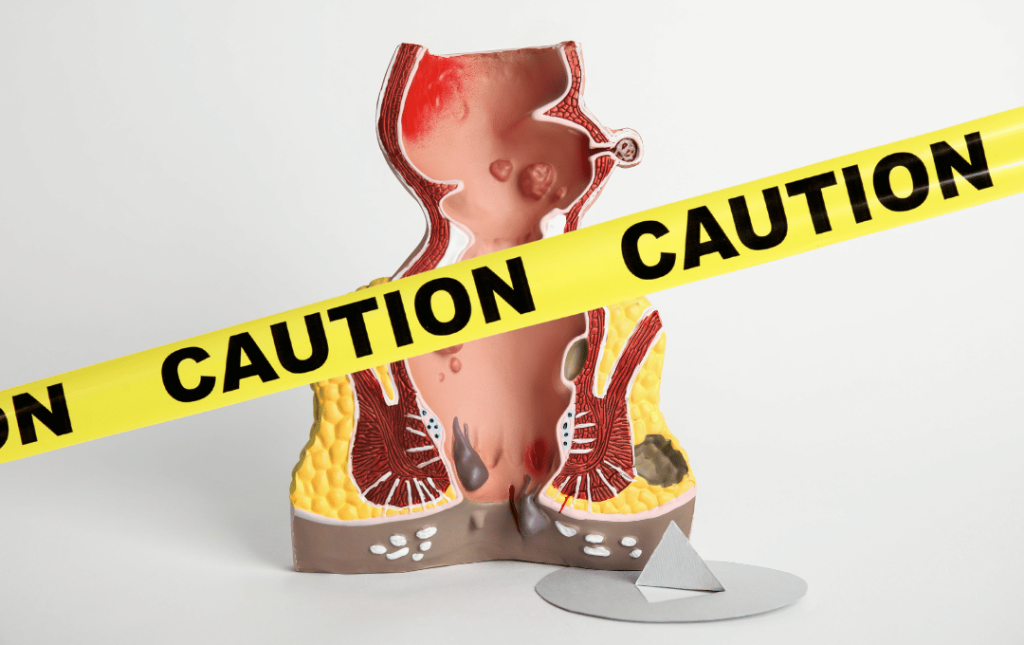
3D diagram of a rectum with hemorrhoids. Caution tape goes across the screen to illustrate whether hemorrhoids are dangerous.
May 13th, 2026
03:32 PM

Most hemorrhoids, also referred to as piles, are not dangerous, but that doesn’t mean you should ignore your symptoms. In many cases, milder symptoms such as itching, discomfort, or small amounts of bright red bleeding can be managed or resolved on their own. However, persistent, worsening symptoms or symptoms that mimic other conditions can indicate serious hemorrhoids or other conditions.

If you’re wondering whether hemorrhoids can be dangerous, the answer depends on what you are experiencing. Heavy or ongoing bleeding, severe pain, or changes in bowel habits need to be evaluated by a specialist. Getting clarity early can help prevent complications by ensuring you receive the right treatment.

Which Stage of Hemorrhoids Is Dangerous?

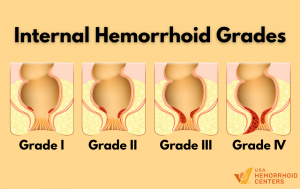
Internal hemorrhoids are often categorized into different grades based on their severity.

These hemorrhoid stages include:

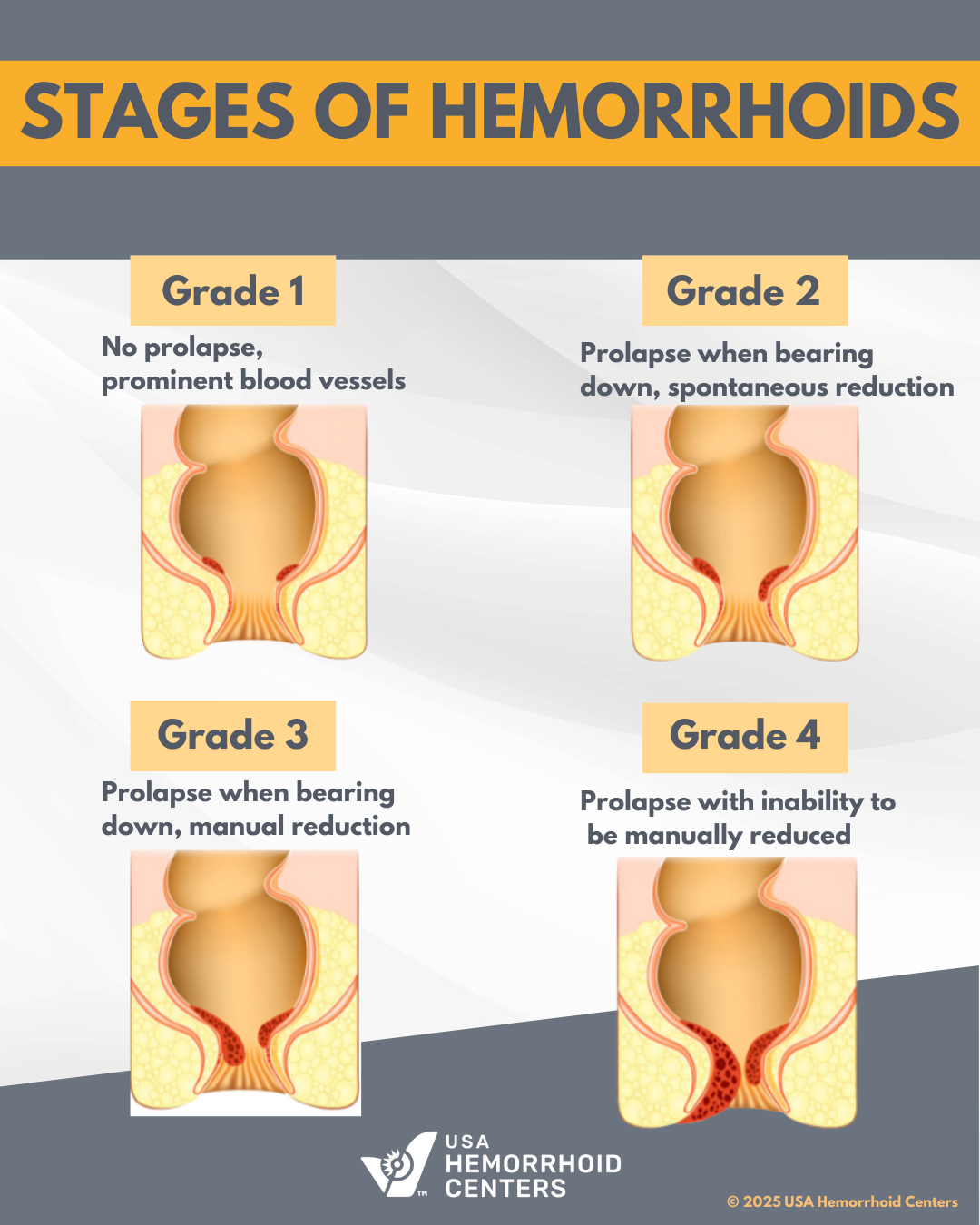
  • Grade 1: No prolapse, may bleed
  • Grade 2: Prolapse during bowel movements but retracts on their own
  • Grade 3: Prolapse and requires manual repositioning
  • Grade 4: Permanently prolapsed and cannot be pushed back in

Although it might seem there is a certain stage in which hemorrhoids are dangerous, severity isn’t defined just by the grade. Lower-grade hemorrhoids can cause disruptive symptoms, while higher grades are more likely to lead to complications such as persistent discomfort, irritation, or hygiene challenges.

When considering when to worry about hemorrhoids, focus less on the grade and more on the impact of the symptoms. For example, Grade 4 hemorrhoids are often associated with ongoing symptoms that interfere with daily life, while thrombosed hemorrhoids can cause sudden, intense pain regardless of grade.

Hemorrhoid Types & Symptoms to Be Aware Of

Most cases of hemorrhoids, regardless of type, are manageable, but understanding your symptoms is key to determining whether hemorrhoids are serious.

Hemorrhoids that are “dangerous” usually refer to:

  • Persistent or heavy bleeding
  • Severe pain or swelling
  • Symptoms that resemble other gastrointestinal conditions

You can watch for specific symptoms to determine whether it’s time to consult a specialist, such as bleeding or thrombosed hemorrhoids.

Bleeding Hemorrhoids

One of the most common concerns is bleeding, especially bright red blood on toilet paper or in the toilet after a bowel movement.

Small amounts of occasional bleeding are common, but bleeding hemorrhoids are potentially dangerous if they are:

  • Heavy or increasing over time
  • Persistent over several days or weeks
  • Accompanied by dizziness, fatigue, or weakness

Any bleeding that feels unusual or continues should be evaluated. Rectal bleeding can have multiple causes, so an accurate diagnosis is important for appropriate treatment.

Meet with a Hemorrhoid Doctor

Internal Hemorrhoids

Internal hemorrhoids develop inside the rectum and are often less painful than external ones. Although internal hemorrhoids are not necessarily dangerous, they are more likely to cause bleeding.

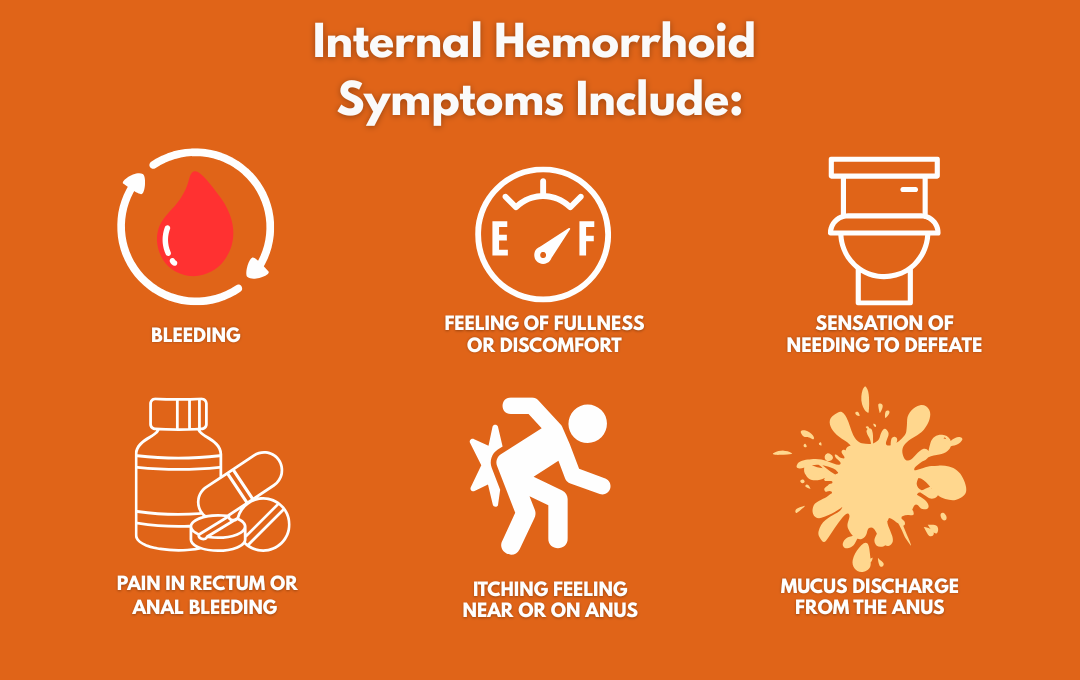
In the early stages, they may go unnoticed. As they progress, they can prolapse (bulge outside the anus), leading to:

  • Irritation
  • Mucus discharge
  • Increased discomfort

While not inherently dangerous, untreated internal hemorrhoids can worsen over time, increasing the likelihood of complications.

Thrombosed Hemorrhoids

Thrombosed hemorrhoids develop when a blood clot forms inside them, leading to sudden, severe pain and swelling. Yet, thrombosed hemorrhoids are not considered dangerous.

Instead, they are extremely painful and may cause:

  • A firm, tender lump near the anus
  • Persistent discomfort
  • Occasional bleeding if the clot ruptures

In some cases, a thrombosed hemorrhoid can burst, leading to noticeable bleeding and relief of pressure. If they are not managed, thrombosed hemorrhoids can cause potential complications. If the pain is severe or symptoms don’t improve, it’s best to consult a specialist.

When Should I Worry About Hemorrhoids?

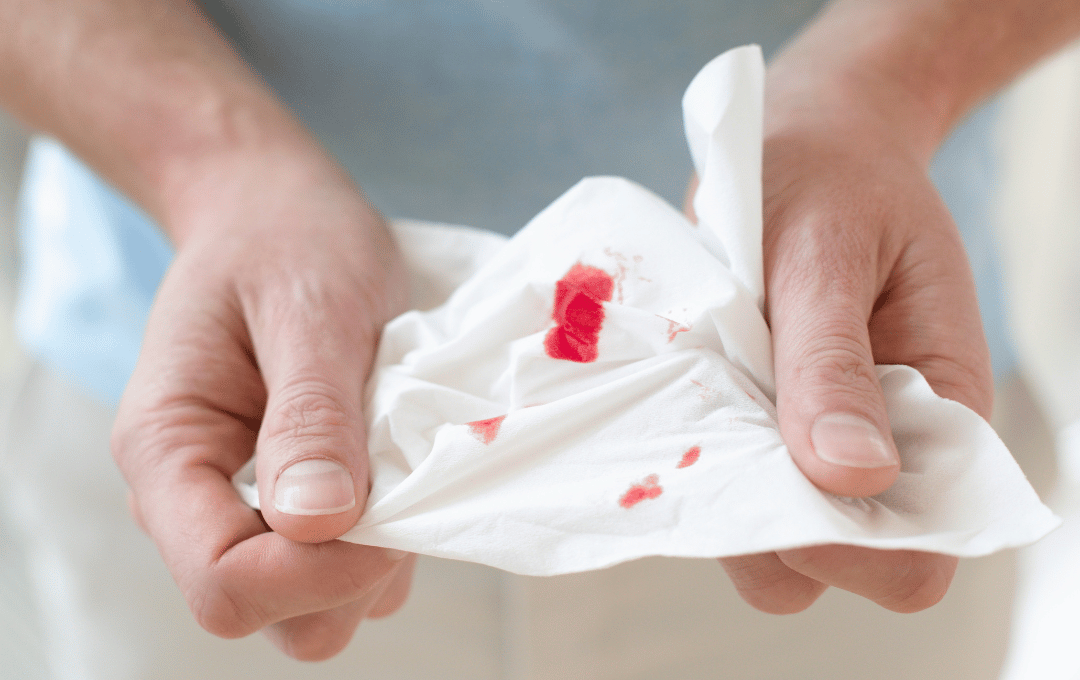
Bloody toilet paper from bleeding hemorrhoids.

Even though hemorrhoids aren’t inherently dangerous, they can cause complications. Some red flags that indicate when to worry about hemorrhoids and pursue a medical evaluation include: 

  • Heavy or persistent rectal bleeding
  • Dark red or tar-like stools
  • Severe or worsening pain
  • A lump that doesn’t go away
  • Symptoms lasting longer than a week
  • Dizziness, fatigue, or signs of anemia
  • Unexplained weight loss or abdominal pain
  • Fever, chills, or signs of infection

These symptoms may indicate complications or an entirely different condition, so even if you suspect hemorrhoids, it’s important to rule out other causes.

Schedule Online Today

Hemorrhoid Treatment Options

Although hemorrhoids are not necessarily dangerous, if they are causing ongoing symptoms, medical treatment may be necessary. While lifestyle changes and over-the-counter remedies can help in mild cases, persistent or severe hemorrhoids often require more advanced care.

Today, effective non-surgical hemorrhoid treatment options are available. While traditional methods like sclerotherapy or infrared coagulation focus on shrinking the visible tissue, hemorrhoid artery embolization (HAE) takes a different approach. 

Hemorrhoid Artery Embolization (HAE)

Hemorrhoid artery embolization (HAE) is a minimally invasive procedure that treats internal hemorrhoids by reducing blood flow to the affected veins. Cutting off this blood flow helps shrink hemorrhoids and relieve symptoms without traditional surgery.

Benefits of HAE include:

  • No incisions or stitches
  • Minimal downtime
  • Reduced pain compared to surgery
  • Outpatient procedure

HAE is a great alternative to those looking for hemorrhoid treatment without surgery. It’s best to discuss your options with a hemorrhoid specialist to determine if this is the right treatment for your condition.

Contact USA Hemorrhoid Centers

If you’re experiencing persistent bleeding, discomfort, or recurring hemorrhoids, it’s important to get evaluated. The reason hemorrhoids can be considered “dangerous” in some cases is often due to ignoring symptoms that need medical attention.

The hemorrhoid specialists at USA Hemorrhoid Centers can help diagnose what’s causing your symptoms and recommend an appropriate treatment, including minimally invasive procedures like HAE.

With experts who can help tailor your treatment plan based on your symptoms and locations nationwide, USA Hemorrhoid Centers is here to help you find relief and prevent complications through early intervention.

Schedule Today to Find Relief

FAQs about Whether Hemorrhoids are Dangerous

When should I worry about hemorrhoids?

You should worry about hemorrhoid symptoms like dark red blood, tar-like stools, frequent diarrhea or constipation, abdominal pain, or unexplained weight loss. It’s always better to consult a specialist when in doubt, as hemorrhoid symptoms can overlap with other conditions.

What can happen if hemorrhoids are left untreated?

Untreated hemorrhoids can cause complications such as prolapsed and thrombosed hemorrhoids. Ongoing bleeding may increase the risk of anemia, while irritation can contribute to anal fissures.

Is it okay to live with hemorrhoids?

Even though many people live with mild hemorrhoids, persistent symptoms should not be ignored. It’s also important to rule out other potential conditions with similar symptoms.

Are hemorrhoids deadly?

In most cases, hemorrhoids are not deadly, but they should never be ignored, especially when heavy bleeding is involved. Prolonged, significant blood loss can lead to severe anemia or even hemorrhagic shock. Complications like strangulated hemorrhoids can lead to infection if not treated by a specialist. The goal of modern treatments like HAE is to intervene long before a situation becomes an emergency. 

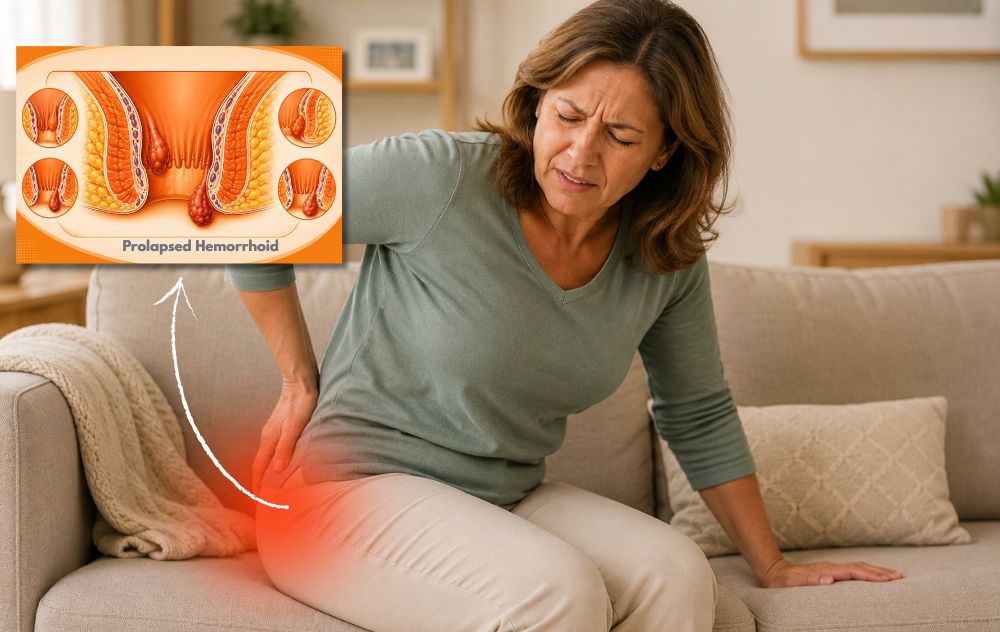
Can Internal Hemorrhoids Turn Into Prolapsed Hemorrhoids?

Woman Wondering Can Internal Hemorrhoids Turn Into Prolapsed Hemorrhoids?
May 7th, 2026
10:20 AM

Hemorrhoids are a common condition, but many people don’t realize how they can progress over time. If you’ve been diagnosed with internal hemorrhoids—or suspect you may have them—you might be wondering: can internal hemorrhoids turn into prolapsed hemorrhoids?

The short answer is yes. Without proper diagnosis and treatment, internal hemorrhoids can worsen and eventually prolapse, leading to more noticeable symptoms and discomfort. Understanding how this progression happens can help you recognize when it’s time to seek care.

What Are Internal Hemorrhoids?

Internal hemorrhoids are swollen veins that develop inside the rectum. Because they are located internally, they often go unnoticed in the early stages.

Many patients first become aware of internal hemorrhoids when they experience symptoms such as:

  • Painless rectal bleeding, often seen during bowel movements
  • Mild discomfort or pressure
  • A feeling of incomplete bowel emptying

At this stage, internal hemorrhoids are typically not visible and may not cause significant pain. However, that doesn’t mean they should be ignored.

Do internal hemorrhoids turn into prolapsed hemorrhoids?

Yes. Internal hemorrhoids can become prolapsed over time as the supporting tissues weaken and the swollen veins begin to protrude outside the anal opening, especially during bowel movements or straining.

How Internal Hemorrhoids Progress Over Time

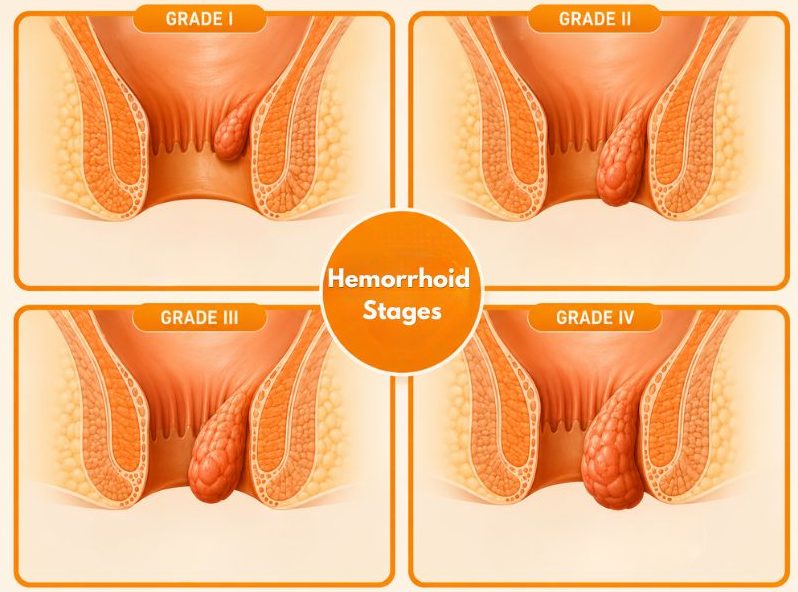
Examples of Hemorrhoid Stages with Prolapse

Internal hemorrhoids are classified into grades based on their severity. This grading system helps explain how they can evolve into prolapsed hemorrhoids:

  • Grade I: Hemorrhoids remain inside the rectum and do not prolapse
  • Grade II: Hemorrhoids may prolapse during bowel movements but return inside on their own
  • Grade III: Hemorrhoids prolapse and must be manually pushed back inside
  • Grade IV: Hemorrhoids remain prolapsed and cannot be pushed back in

As internal hemorrhoids advance from Grade I to Grade IV, the likelihood of prolapse increases. In earlier stages, prolapsed hemorrhoids may come and go, protruding during a bowel movement before returning inside on their own. This progression often happens gradually, especially if underlying causes like straining, chronic constipation, or prolonged sitting are not addressed.

Hemorrhoid Stages

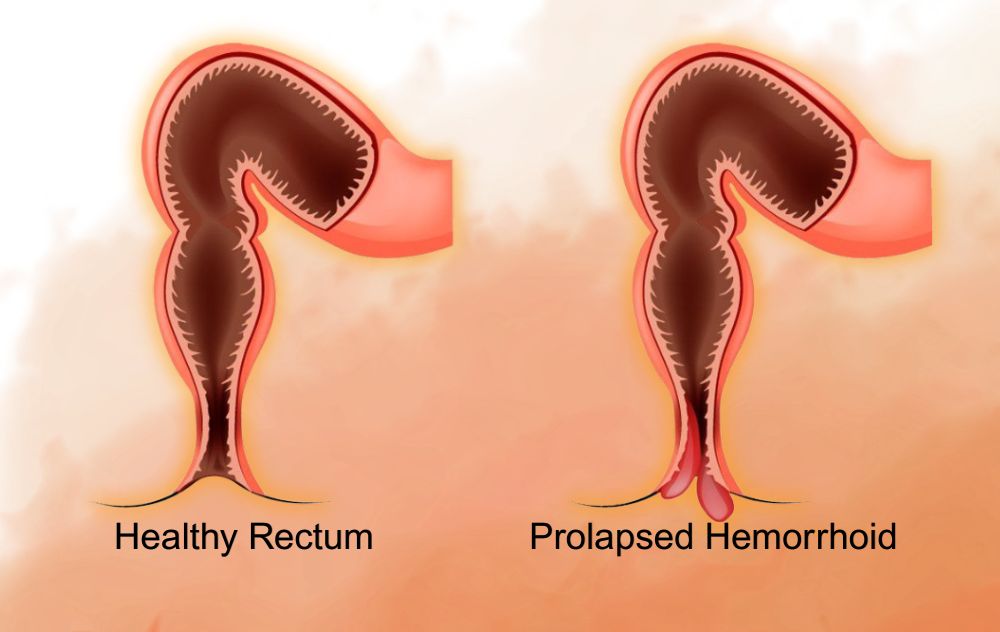
What is a Prolapsed Hemorrhoid?

A prolapsed hemorrhoid occurs when an internal hemorrhoid stretches and pushes outside the anal opening. This can lead to more noticeable and uncomfortable symptoms compared to earlier stages. A prolapsed hemorrhoid may feel like a soft lump or bulge near the anus, along with increased pressure or discomfort.

Patients with prolapsed hemorrhoids may experience:

  • A visible lump or swelling outside the anus
  • Increased discomfort or pain
  • Irritation or itching
  • Mucus discharge
  • Difficulty keeping the area clean

In more advanced cases, prolapsed hemorrhoids can become trapped outside the body, which may lead to complications such as thrombosis (blood clot formation) or reduced blood flow.

Why Do Internal Hemorrhoids Become Prolapsed?

Several factors contribute to the progression from internal to prolapsed hemorrhoids. These include increased pressure in the lower rectum, which weakens the supporting tissues over time.

Common contributing factors include:

  • Chronic constipation or straining during bowel movements
  • Sitting for long periods, especially on the toilet
  • Low-fiber diet
  • Pregnancy
  • Aging and weakening of connective tissue

When these pressures persist, the veins and surrounding tissues lose their ability to stay in place, eventually leading to prolapse.

When Should You Seek Treatment?

It can be tempting to ignore early symptoms, especially if they seem mild. However, early-stage internal hemorrhoids are often easier to treat and manage.

You should consider seeing a specialist if you notice:

  • Recurrent rectal bleeding
  • Persistent discomfort or pressure
  • Any tissue protruding during or after bowel movements
  • Symptoms that are worsening over time

Prompt evaluation not only confirms the diagnosis but also helps rule out other conditions with similar symptoms.

See Our Hemorrhoid Treatment Locations

Treatment Options for Internal and Prolapsed Hemorrhoids

Treatment depends on the severity of the hemorrhoids and your symptoms. Early-stage internal hemorrhoids may respond to lifestyle changes, such as increasing fiber intake and improving bowel habits. If symptoms persist, there are several approaches to getting rid of internal hemorrhoids, depending on their grade and severity.

However, as hemorrhoids progress, minimally invasive treatments may be recommended.

One advanced, non-surgical option is Hemorrhoid Artery Embolization (HAE). This outpatient procedure targets the blood vessels supplying the hemorrhoids. Using image guidance, a specialist reduces blood flow to the affected veins, which helps shrink the hemorrhoids and relieve symptoms over time.

Because HAE does not involve incisions or tissue removal, it offers a treatment option for patients seeking relief without traditional surgery.

Insurance Information for HAE

The Importance of Early Diagnosis and Treatment

Internal hemorrhoids can absolutely progress into prolapsed hemorrhoids—but that progression is not inevitable. Early diagnosis plays a critical role in preventing symptoms from worsening and avoiding more advanced stages.

By addressing internal hemorrhoids early, patients may:

  • Reduce the risk of prolapse
  • Avoid increased discomfort and complications
  • Access simpler, less invasive treatment options

How USA Hemorrhoid Centers Can Help

At USA Hemorrhoid Centers, our specialists focus on identifying hemorrhoids at their source and creating individualized treatment plans based on each patient’s needs. With advanced diagnostic tools and minimally invasive options like Hemorrhoid Artery Embolization, we help patients find relief before symptoms progress.

If you’re experiencing signs of internal hemorrhoids, getting evaluated sooner rather than later can make a meaningful difference in your comfort, your treatment options, and your long-term outcomes.

Internal and Prolapsed Hemorrhoid FAQs

What causes internal hemorrhoids to prolapse?

Common causes include chronic constipation, frequent straining during bowel movements, prolonged sitting on the toilet, heavy lifting, pregnancy, and increased pressure in the rectal area.

What do prolapsed hemorrhoids feel like?

Prolapsed hemorrhoids may cause discomfort, swelling, itching, irritation, mucus leakage, or a feeling of tissue bulging outside the anus. Some people may also experience bleeding during bowel movements.

Can a prolapsed hemorrhoid go back inside on its own?

In earlier stages, a prolapsed hemorrhoid may retract on its own or be gently pushed back inside. More advanced prolapsed hemorrhoids may remain outside the body and require medical treatment.

Are prolapsed hemorrhoids dangerous?

Most prolapsed hemorrhoids are not dangerous, but they can become painful, irritated, or thrombosed if left untreated. Persistent symptoms should be evaluated by a hemorrhoid specialist.

Do Prolapsed Hemorrhoids Come and Go?

Do Prolapsed Hemorrhoids Come and Go?
April 13th, 2026
09:11 AM

If you have noticed tissue bulging from the anus during a bowel movement or after straining, then seeming to improve later, you may be wondering whether prolapsed hemorrhoids can come and go. The short answer is yes. Symptoms of prolapsed hemorrhoids often flare up and calm down over time, especially in the earlier stages.

That does not always mean the problem is gone. Hemorrhoids may continue to enlarge, become more symptomatic, or prolapse more often if the underlying pressure and irritation are not addressed.

What Is a Prolapsed Hemorrhoid?

A prolapsed hemorrhoid happens when swollen internal hemorrhoid tissue stretches downward and protrudes outside the anal opening. Internal hemorrhoids develop inside the rectum, but as they enlarge, they can slip outward during bowel movements or straining.

Unlike external hemorrhoids, internal hemorrhoids may not always be painful, but prolapse can lead to irritation, mucus leakage, itching, pressure, and discomfort. A prolapsed hemorrhoid may feel like a soft lump or bulge near the anus, particularly during or after a bowel movement.

Learn More About Prolapsed Hemorrhoids

Prolapsed Hemorrhoids Can Come and Go

In many cases, prolapsed hemorrhoids are not always visible. Symptoms may appear during flare-ups and improve afterward.

You may notice that the hemorrhoid:

  • Comes out during bowel movements
  • Goes back in on its own
  • Needs to be gently pushed back in
  • Feels worse after constipation or prolonged sitting
  • Improves when swelling decreases

This pattern is common because hemorrhoid symptoms often change based on inflammation, pressure, bowel habits, and irritation in the area.

Why Do Prolapsed Hemorrhoids Flare Up?

Several factors can increase pressure in the rectal veins and make prolapse more noticeable.

Common triggers include:

  • Constipation
  • Straining during bowel movements
  • Sitting on the toilet too long
  • Chronic diarrhea
  • Pregnancy
  • Heavy lifting
  • Obesity
  • Low-fiber diet
  • Long periods of sitting

Even if symptoms improve between flare-ups, repeated pressure can cause hemorrhoids to worsen over time.

Find a Hemorrhoid Center Near You

Grades of Prolapsed Hemorrhoids

Healthcare providers often classify internal hemorrhoids by how much they prolapse:

Grade I

No prolapse. Internal hemorrhoids remain inside the rectum.

Grade II

The hemorrhoid prolapses during bowel movements but goes back in on its own.

Grade III

The prolapsed hemorrhoid needs to be manually pushed back inside.

Grade IV

The hemorrhoid remains prolapsed and cannot be pushed back in.

As the hemorrhoid grade increases, symptoms may become more persistent and harder to manage with home care alone.

Symptoms That May Come and Go

Many people experience intermittent symptoms such as:

  • Bright red bleeding during bowel movements
  • Itching
  • Swelling
  • A feeling of fullness
  • Mucus leakage
  • Irritation
  • Tissue protruding during bowel movements
  • Discomfort when sitting

These symptoms may ease temporarily, then return during the next flare-up.

Can Prolapsed Hemorrhoids Heal on Their Own?

Mild prolapse may improve when swelling goes down and bowel habits improve. However, hemorrhoids do not always fully resolve without addressing the cause of repeated pressure.

That is why symptoms may seem better for a while, then return later.

What Can Help Reduce Flare-Ups?

Conservative care may help manage symptoms and reduce irritation:

  • Increase fiber intake
  • Drink more water
  • Avoid straining
  • Limit time on the toilet
  • Stay physically active
  • Use warm sitz baths
  • Avoid prolonged sitting when possible

These steps may help, but they may not correct larger or recurring prolapsed hemorrhoids.

When to See a Specialist

You should seek medical attention for hemorrhoids if you have:

  • Frequent bleeding
  • Recurrent prolapse
  • Pain or severe discomfort
  • Trouble cleaning the area
  • Symptoms that keep returning
  • Uncertainty whether it is hemorrhoids or another condition

Rectal bleeding and anal lumps can have causes other than hemorrhoids, so an accurate diagnosis matters.

Diagnosis and Treatment Options for Prolapsed Hemorrhoids

A specialist can diagnose prolapsed hemorrhoids through a medical history, symptom review, and physical examination. In some cases, additional evaluation may be recommended to rule out other causes of bleeding or rectal symptoms.

Treatment depends on the type of hemorrhoid, severity of prolapse, bleeding, and how often symptoms return. Options may include lifestyle changes, office-based procedures, or advanced treatment for internal hemorrhoids.

For eligible patients with symptomatic internal hemorrhoids, hemorrhoid artery embolization is a minimally invasive outpatient procedure that reduces blood flow to the hemorrhoidal tissue. This may help improve bleeding and hemorrhoid symptoms without surgical removal. It is typically considered for internal hemorrhoids rather than external hemorrhoids.

Get Evaluated at USA Hemorrhoid Centers

If prolapsed hemorrhoids keep coming back or symptoms are affecting your daily life, an evaluation can help identify the cause and review your treatment options. USA Hemorrhoid Centers offers non-surgical evaluations and advanced treatment options for eligible patients.

Book Consult Online 25/7

FAQs About Prolapsed Hemorrhoids

Can a prolapsed hemorrhoid go back in?

Yes. Some prolapsed hemorrhoids retract on their own, while others may need gentle manual reduction.

Why does my hemorrhoid come out only when I poop?

Straining and increased pressure during bowel movements can push swollen internal hemorrhoid tissue outward.

Are prolapsed hemorrhoids permanent?

Not always. Some are intermittent, but repeated prolapse can become more persistent over time.

Why Did I Suddenly Get Hemorrhoids?

Person who suddenly got hemorrhoids
April 8th, 2026
12:57 PM

If you suddenly developed hemorrhoids, you may be wondering why it happened. Multiple factors can lead to hemorrhoids; however, most patients are concerned about the unexpected bleeding, itching, and rectal discomfort that may have upended upcoming plans.

While it may feel embarrassing to talk about, the reality is that everyone has hemorrhoids. Hemorrhoids are vascular cushions in the rectum that aid in bowel movements and prevent leakage. The problem occurs when there is excessive pressure on the rectal veins, leaving up to 80 percent of adults with inflamed hemorrhoids.

Understanding what may have triggered hemorrhoid symptoms can help patients find relief and prevent future flare-ups.

What Are Hemorrhoids?

Hemorrhoids are swollen veins in the lower rectum or anus. They’re similar to varicose veins but occur in a different part of the body.

Types of hemorrhoids:

  • Internal hemorrhoids: Located inside the rectum, often painless but may cause bleeding
  • External hemorrhoids: Found under the skin around the anus, more likely to cause pain, swelling, or irritation

While they can develop gradually, certain triggers can make them feel like they appeared overnight.

Why You May Suddenly Get Hemorrhoids

A sudden hemorrhoid flare-up is often linked to increased pressure in the rectal veins. While several factors can contribute, understanding the main cause of hemorrhoids can help explain why certain everyday habits and digestive issues trigger symptoms.

1. Straining During Bowel Movements

One of the most common causes is straining due to constipation. This is due to:

  • Hard stools increasing pressure on the rectal veins.
  • Using your phone on the toilet can lead to prolonged sitting, increasing pressure on the rectal veins.
  • Attempts to “force out” a bowel movement.

Even a short period of constipation can trigger symptoms quickly.

2. Sudden Changes in Diet

Diet plays a major role in digestive health.

  • Low fiber intake can lead to constipation.
  • Dehydration can harden stools.
  • A sudden shift in eating habits may disrupt regular bowel movements.

These changes can increase strain and lead to hemorrhoid symptoms. Stress can also disrupt digestion and bowel habits, sometimes contributing to constipation or diarrhea that increases pressure and irritation in the rectal area.

3. Prolonged Sitting

Sitting for long periods—especially on hard surfaces or the toilet—can put pressure on rectal veins.

This is common for:

  • Office workers
  • Long-distance drivers
  • Frequent travelers

Over time, reduced circulation can contribute to vein swelling.

4. Heavy Lifting or Physical Strain

Lifting heavy objects increases abdominal pressure, which can affect rectal veins.

  • Intense workouts
  • Moving furniture
  • Improper lifting techniques

Even a single episode of heavy strain can trigger symptoms.

5. Pregnancy or Hormonal Changes

Hormonal shifts and increased pressure in the pelvic area can make hemorrhoids more likely.

  • Increased blood volume affects veins
  • The growing uterus puts pressure on pelvic veins
  • Hormonal changes can slow digestion

This is why hemorrhoids are common during pregnancy.

6. Diarrhea or Frequent Bowel Movements

While constipation is a major cause, frequent bowel movements can also irritate veins.

  • Repeated wiping can cause irritation
  • Inflammation can build over time
  • Digestive issues can increase sensitivity

Both extremes, constipation and diarrhea, can trigger symptoms. Learn more about how diarrhea can cause hemorrhoids and why frequent bowel movements may contribute to flare-ups.

7. Underlying Vein Weakness

Some people may be more prone to hemorrhoids due to:

  • Genetics
  • Aging (veins lose elasticity over time)
  • Chronic conditions affecting circulation

In these cases, hemorrhoids may develop more easily—even with minor triggers.

Why Do Hemorrhoids Feel Sudden?

Even though hemorrhoids may develop gradually, symptoms can appear quickly when inflammation increases.

You might notice:

  • Sudden pain or discomfort
  • A lump near the anus
  • Itching or irritation
  • Bright red bleeding during bowel movements

This “sudden” onset is often due to a flare-up of an existing issue, not something entirely new. Hemorrhoids can also cause symptoms beyond rectal discomfort, particularly when persistent bleeding is involved. Learn more about the potential connection between hemorrhoids and headaches.

When to See a Specialist

You should consider medical evaluation if you experience:

  • Persistent or severe pain
  • Bleeding that continues or worsens
  • Recurring hemorrhoids
  • A lump that does not go away

These symptoms may indicate more advanced hemorrhoids or another condition that requires treatment.

See Our Hemorrhoid Doctor Locations

Treatment Options for Hemorrhoids

For ongoing or severe symptoms, minimally invasive treatments are available:

  • Hemorrhoid Artery Embolization (HAE)
    A non-surgical procedure that reduces blood flow to hemorrhoids, causing them to shrink
  • Other medical treatments
    Depending on severity, additional options may be recommended

Treatment focuses on addressing the root cause—not just temporary relief.

What Is Hemorrhoid Artery Embolization (HAE)?

Hemorrhoid Artery Embolization (HAE) is a minimally invasive, non-surgical treatment designed to target the source of internal hemorrhoids.

During the procedure, a specialist uses image guidance to locate the arteries supplying blood to the hemorrhoids. Tiny particles are then used to reduce blood flow to those arteries. As a result, the hemorrhoids shrink over time, helping relieve symptoms like bleeding and discomfort.

Key benefits of HAE:

  • No incisions or stitches
  • Outpatient procedure with a short recovery time
  • Targets the root cause rather than just symptoms
  • Lower risk of pain compared to traditional surgery

HAE is typically used for internal hemorrhoids, especially when symptoms persist despite conservative treatments. A specialist can determine whether this option is appropriate based on your condition and symptoms.

More Education on HAE

The Bottom Line: Why Did I Suddenly Get Hemorrhoids?

If you’re asking, “Why did I suddenly get hemorrhoids?”, the answer often lies in increased pressure, lifestyle changes, or temporary digestive issues.

While symptoms can appear quickly, they are usually the result of underlying strain on your veins. Identifying and addressing the cause can help you manage symptoms and reduce the chances of recurrence.

How USA Hemorrhoid Centers Can Help

If your symptoms are not improving or continue to return, a professional evaluation can help determine the best next steps. At USA Hemorrhoid Centers, specialists focus on minimally invasive, outpatient treatments designed to relieve symptoms and improve quality of life.

Schedule a consultation to explore your treatment options and get lasting relief.

How To Get Rid of Internal Hemorrhoids

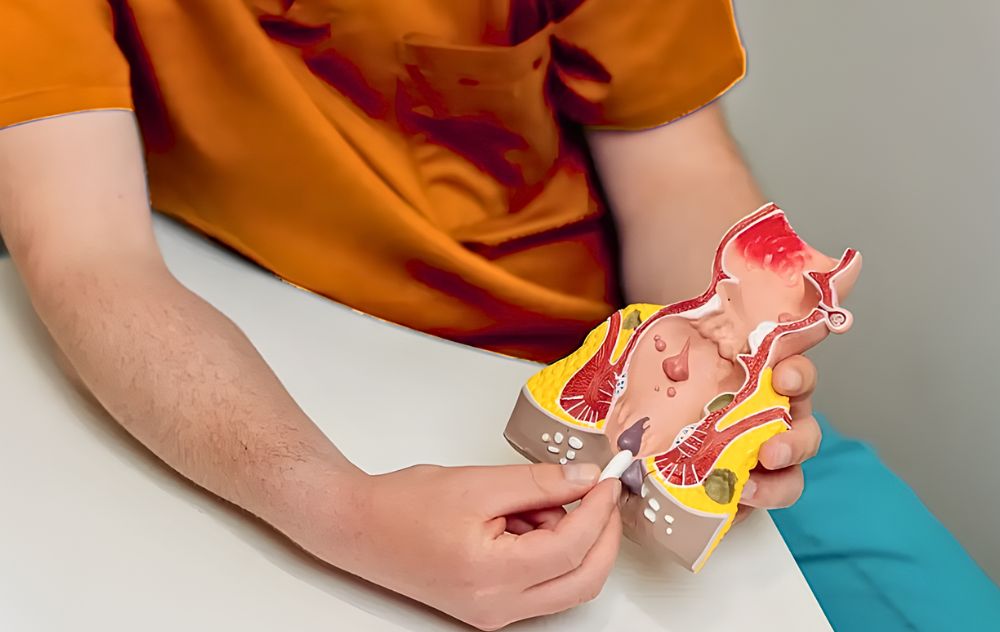
Doctor Showing How to Get Rid of Hemorrhoids
March 31st, 2026
02:57 PM

It may feel embarrassing to discuss internal hemorrhoids with others, especially when there are symptoms like bleeding, discomfort, and irritation during bowel movements. Because internal hemorrhoids develop inside the rectum, where you can’t see or feel them, many people are unaware of their presence until symptoms like bleeding occur. However, this condition is quite common, affecting millions of adults each year, and is highly treatable. Understanding how to get rid of internal hemorrhoids starts with recognizing the severity of your condition and knowing when lifestyle changes or medical treatments are necessary.

If you’re experiencing symptoms, taking the time to learn how to treat internal hemorrhoids can help you take the right steps toward relief. 

Understanding the Four Grades of Internal Hemorrhoids

Internal hemorrhoids form when veins inside the rectum become swollen or inflamed. Unlike external hemorrhoids, they develop inside the rectum and may not cause pain initially. However, when the condition worsens, symptoms such as rectal bleeding, prolapse, itching, or pressure may appear.

This type of hemorrhoid is classified into four grades based on severity. Identifying the grade can help determine what you need to do about internal hemorrhoids and which treatment options are most effective.

How Do I Know What Stage Hemorrhoid I Have?

Grade I

Grade I hemorrhoids remain inside the rectum and do not prolapse, meaning they do not bulge outward. Symptoms may include mild bleeding during bowel movements, but pain is uncommon at this level.

Many Grade I hemorrhoids improve with at-home treatments such as dietary changes and improved bowel habits.

Grade II

Grade II hemorrhoids prolapse during bowel movements but retract on their own afterward. At this stage, symptoms such as irritation, bleeding, and occasional discomfort tend to be more noticeable.

If symptoms persist, then a doctor or specialist will likely recommend minimally invasive medical treatments.

Grade III

Grade III hemorrhoids prolapse during bowel movements and must be manually pushed back into the rectum. At this stage, internal hemorrhoids can become prolapsed repeatedly, often causing discomfort, swelling, and recurring symptoms.

Since these symptoms won’t go away on their own at this stage, medical treatment is often necessary for long-term relief.

Grade IV

Grade IV hemorrhoids are permanently prolapsed and cannot be pushed back into place. These are considered severe hemorrhoids and typically require specialized treatment.

How To Get Rid of Internal Hemorrhoids Naturally

Many people want to know how to get rid of internal hemorrhoids naturally, especially in the early stages. Natural and lifestyle-based approaches can help relieve symptoms and promote healing, particularly for Grade I hemorrhoids. Hemorrhoids grade II and above generally benefit most from medical treatment in conjunction with natural remedies. 

Increase Fiber Intake

A high-fiber diet softens stool and reduces straining during bowel movements, which is one of the main causes of hemorrhoids.

Fiber-rich foods that support hemorrhoid relief include:

  • Fruits such as apples, pears, and berries
  • Vegetables like broccoli, carrots, and leafy greens
  • Whole grains such as oats and brown rice
  • Legumes, including lentils and beans

Along with increasing fiber intake, avoiding red meat and sugary foods that affect bowel movements can also help manage hemorrhoid symptoms.

Stay Hydrated

Hydration is another important piece of combating hemorrhoids. Drinking enough water softens stools, preventing constipation, which can worsen hemorrhoid symptoms.

Take Warm Sitz Baths

Sitting in warm water for 10–15 minutes several times a day may help increase circulation to the anal area and reduce inflammation.

Avoid Straining

Straining during bowel movements places pressure on rectal veins. If you feel the urge to go, try to respond promptly and avoid prolonged sitting on the toilet.

Can You Get Rid of Internal Hemorrhoids Without Surgery?

One of the most common concerns people have is whether hemorrhoid treatment requires surgery. Natural remedies may help Grade I hemorrhoids go away on their own, but Grades II through IV typically require medical treatment for lasting relief.

Traditional hemorrhoid surgery (hemorrhoidectomy) involves removing the hemorrhoids using surgical tools. While effective, this approach often requires anesthesia and may involve significant discomfort and weeks of recovery.

However, many patients can get rid of internal hemorrhoids without surgery due to modern minimally invasive treatments such as hemorrhoid artery embolization (HAE).

Hemorrhoid Artery Embolization: The Modern Approach

Hemorrhoid artery embolization (HAE) is a minimally invasive procedure that reduces blood flow to the hemorrhoid arteries, causing the hemorrhoids to shrink over time.

During HAE:

  1. The specialist inserts a tiny catheter into an artery, typically through the wrist or groin.
  2. Small particles are delivered to block the arteries feeding the hemorrhoids.
  3. Reduced blood flow allows the hemorrhoids to shrink and symptoms to improve.

Compared to traditional surgery, HAE doesn’t require surgical incisions, so there’s less pain and discomfort. As an outpatient treatment, HAE also allows for faster recovery.

Some patients may also consider procedures such as rubber band ligation. This treatment cuts off the hemorrhoids’ blood supply using a small band. While effective for certain cases, HAE treats the underlying vascular cause and can provide longer-lasting relief.

Find Relief from Hemorrhoids

When To See a Doctor for Fast Relief of Internal Hemorrhoids

Knowing how to heal an internal hemorrhoid ultimately depends on the severity of symptoms. Mild hemorrhoids can improve with lifestyle changes, but more advanced hemorrhoids will require medical care.

You should see a doctor if you experience:

  • Persistent rectal bleeding
  • Hemorrhoids that prolapse repeatedly
  • Symptoms lasting longer than a few weeks
  • Increasing pain or swelling
  • Difficulty with bowel movements

A hemorrhoid specialist can evaluate your symptoms and determine the best treatment plan to help you be rid of internal hemorrhoids fast and safely.

Why Choose Minimally Invasive Hemorrhoid Treatment?

Many patients prefer minimally invasive procedures because they offer:

  • Faster recovery times
  • Less discomfort than surgery
  • Reduced risk of complications
  • Effective symptom relief

By addressing the underlying blood flow issues that cause hemorrhoids, these treatments help patients heal internal hemorrhoids and prevent recurrence.

Contact USA Hemorrhoid Centers

If hemorrhoid symptoms are affecting your quality of life, professional treatment may provide the relief you need. The specialists at  USA Hemorrhoid Centers offer advanced, minimally invasive treatments designed to target hemorrhoids at their source.

Whether you’re exploring how to cure hemorrhoids, how to remove hemorrhoids, or how to treat internal hemorrhoids without surgery, our specialists’ expert care can help you find the right solution.

Easy Online Scheduling 24/7

FAQs About Getting Rid of Internal Hemorrhoids

How long do internal hemorrhoids last?

Internal hemorrhoids may resolve on their own within a few days, though some may last for weeks, months, or even years. If hemorrhoids don’t go away, see a doctor to explore hemorrhoid treatment.

Can internal hemorrhoids go away without surgery?

While internal hemorrhoids can go away without surgery,  if they don’t respond to dietary changes or over-the-counter medical management, minimally invasive hemorrhoid treatment can offer relief.

Will internal hemorrhoids ever go away?

Internal hemorrhoids can go away with safe and effective treatments, even in more severe cases. Addressing symptoms promptly helps prevent further complications.

How to get rid of internal hemorrhoids the fastest?

The fastest way to get rid of internal hemorrhoids is through medical treatment, including non-invasive procedures such as hemorrhoid artery embolization, which shrinks hemorrhoids by reducing blood flow to the veins that supply them.


How Should You Sleep With Hemorrhoids?

March 13th, 2026
01:38 PM

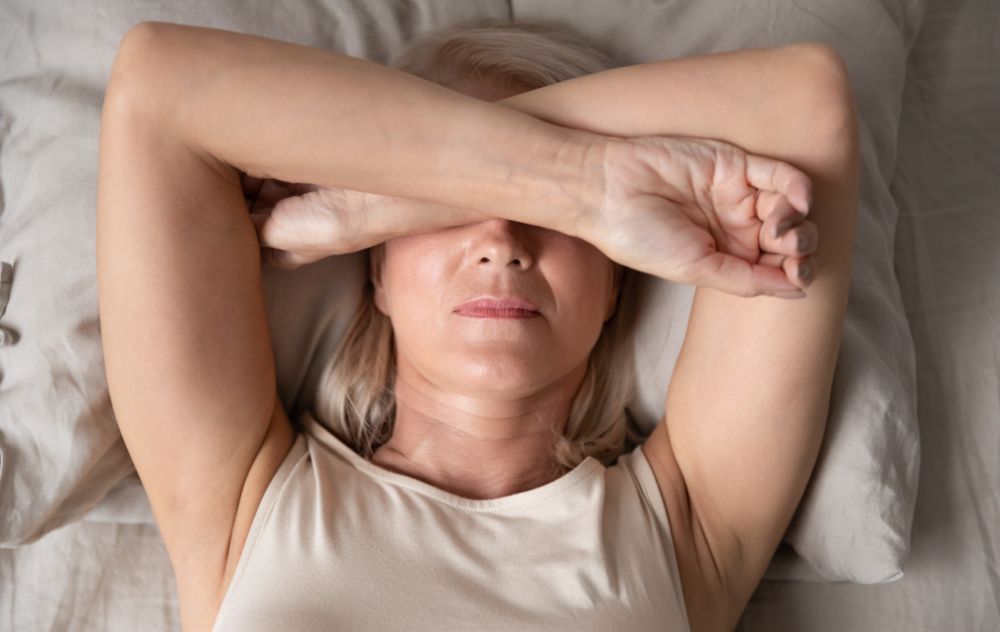
Hemorrhoids can make even simple daily activities uncomfortable—and nighttime is often when symptoms feel the worst. Pressure, swelling, and irritation can make it difficult to find a comfortable sleeping position. The good news is that adjusting how you sleep and making a few small changes to your nighttime routine may help reduce discomfort and allow your body to rest and recover.

Below is what you should know about sleeping with hemorrhoids and the positions that may help ease symptoms.

Why Hemorrhoids Can Feel Worse at Night

Hemorrhoids are swollen veins in the lower rectum or anus. They can develop from increased pressure in this area due to factors such as straining during bowel movements, prolonged sitting, pregnancy, or chronic constipation.

At night, symptoms can sometimes feel more noticeable because:

  • You are lying still for long periods

  • Blood may pool in the lower body

  • There are fewer distractions from the discomfort

  • Pressure on the affected area may increase depending on your sleep position

Choosing the right position can help reduce irritation and allow better circulation.

Best Sleeping Positions for Hemorrhoids

Sleeping on Your Side

Sleeping on your side is generally considered the best position for people with hemorrhoids.

Helpful tips:

  • Place a pillow between your knees to keep your hips aligned

  • Use a soft mattress or mattress topper to reduce pressure points

  • Keep your spine neutral and relaxed

Side sleeping is often recommended because it keeps direct pressure off the affected veins.

Sleeping on Your Stomach

For some people, stomach sleeping may also help relieve pressure on hemorrhoids.

This position keeps weight off the lower back and rectal area.

Tips to make stomach sleeping more comfortable:

  • Place a thin pillow under your hips to reduce pressure on your spine

  • Use a very flat pillow or no pillow under your head

  • Keep your neck aligned with your spine

However, stomach sleeping may not be ideal for everyone because it can strain the neck.

Sleeping Positions to Avoid

Sleeping on Your Back

Sleeping flat on your back may increase pressure on the anal and rectal area.

When lying on your back, body weight may press against the area where hemorrhoids develop, which could worsen swelling or discomfort.

If you prefer sleeping on your back, try placing a pillow under your knees to help improve circulation and reduce strain.

Nighttime Tips to Reduce Hemorrhoid Discomfort

In addition to adjusting your sleeping position, these night-time habits may help reduce symptoms:

Use a warm sitz bath before bed
Soaking the affected area in warm water for 10–15 minutes can help relax muscles and reduce swelling.

Wear loose, breathable clothing
Soft cotton underwear and loose sleepwear can help minimize friction and irritation.

Stay hydrated throughout the day
Proper hydration supports healthy digestion and can help prevent constipation, which is a common trigger for hemorrhoids.

Elevate your legs slightly
Using a pillow under your legs may help improve circulation and reduce pressure in the lower body.

When Sleep Problems Could Signal a Larger Issue

Occasional hemorrhoid discomfort is common, but persistent symptoms that interfere with sleep may indicate more advanced hemorrhoids.

Signs that it may be time to seek medical evaluation include:

  • Ongoing rectal pain

  • Bleeding during bowel movements

  • Severe swelling or irritation

  • Symptoms that do not improve with home care

In these cases, medical treatment may be recommended to address the underlying issue.

Finding Relief From Hemorrhoids

Improving how you sleep with hemorrhoids can make a noticeable difference in comfort and recovery. Sleeping on your side, reducing pressure on the rectal area, and following healthy nighttime habits may help relieve symptoms and promote better rest.

If hemorrhoid symptoms persist or worsen, speaking with a specialist can help you explore treatment options designed to provide lasting relief. Our experienced physicians specialize in vascular health and are dedicated to helping you find a permanent solution to persistent hemorrhoid discomfort. Hemorrhoid Artery Embolization is often the ideal next step for patients who haven’t found lasting results through diet, exercise, or previous medical procedures like rubber band ligation. If your symptoms are flaring up and stalling your health journey, our expert team is ready to help. Schedule a consultation online today or call (855) 805-4247 to see if HAE is right for you.

Schedule Online Today

Will Losing Weight Make Hemorrhoids Disappear?

February 25th, 2026
02:35 PM

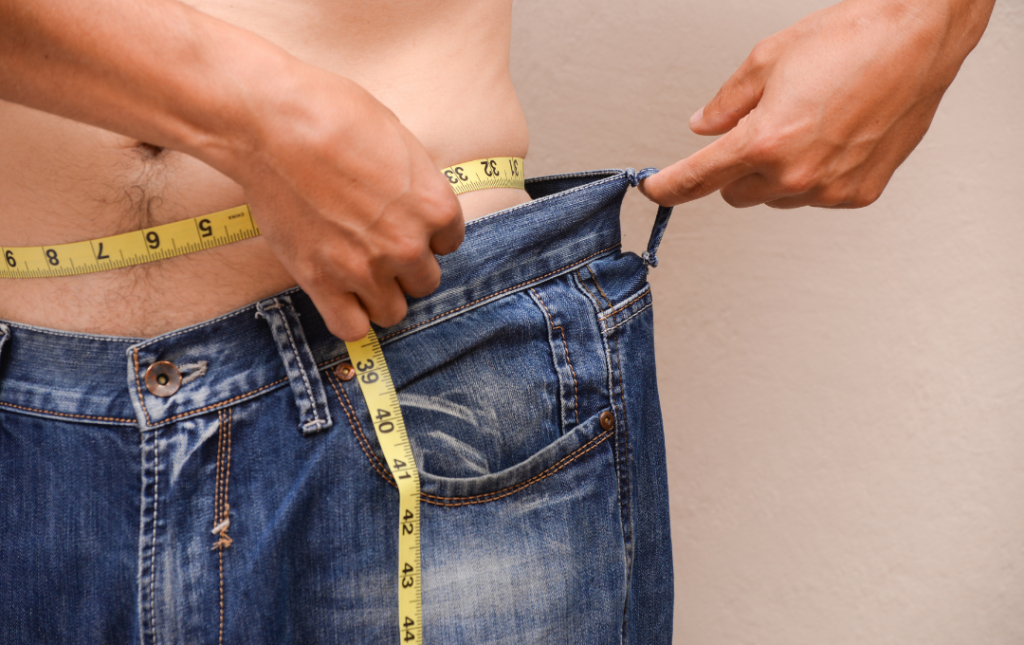
When you’re carrying extra weight, the physical strain on your rectal veins is relentless. You might have heard that losing weight is the ‘magic cure’ for hemorrhoids, but while dropping pounds, it doesn’t change the damage that’s already been done. These distended, swollen veins in the rectum and anus are incredibly common, but for those carrying extra body mass, the struggle is often more frequent and more severe.

The real trouble often starts where you can’t see it: internal hemorrhoids. These are the distended, swollen veins hidden inside the rectum that can bleed or prolapse without warning. For those carrying extra body mass, the weight acts like a constant, heavy hand pushing these internal veins out of place.

If you are struggling with flare-ups, you might be wondering: Can losing weight cure hemorrhoids? While weight loss significantly reduces pressure on your pelvic floor, once those internal veins have stretched and lost their elasticity, lasting relief usually requires a broader, comprehensive lifestyle and medical approach.

Explore Our Treatment Options

The Link Between Weight and Hemorrhoids

When discussing the connection between weight loss and hemorrhoids, it’s important to understand that your body’s circulatory system and your physical structure are deeply intertwined. Hemorrhoids are essentially varicose veins of the rectum; they occur when the veins in your lower gastrointestinal tract become swollen and inflamed.

While many factors contribute to this discomfort, excess body weight affects hemorrhoids in three primary ways:

  • Vascular Strain (Intra-abdominal Pressure): Extra weight, especially around the midsection, pushes against rectal veins, causing them to stretch, lose elasticity, and distend into painful hemorrhoids.
  • Gravity(Physical Load): Increased body mass intensifies the downward force on the pelvic floor. This constant gravitational stress, whether you are walking or sitting, weakens the tissues in the anus and rectum, making them more prone to bulging.
  • Circulation Issues (Sluggish Blood Flow): Excess weight can act as a roadblock for blood returning to the heart. When blood “pools” or flows slowly through the lower body, rectal veins become engorged and inflamed, leading to chronic flare-ups.

Since poor circulation and vascular inflammation go hand-in-hand, achieving a healthier weight can be a helpful strategy for reducing the frequency and severity of flare-ups.

The Impact of Body Mass on Hemorrhoids

Even though diet is often the primary focus of the conversation, it isn’t the only link between your weight and rectal health. Beyond what you eat, the physical impact of carrying extra body mass creates a structural strain that directly promotes venous inflammation and swelling.

  • Intra-Abdominal Pressure: The Constant Compression: Body weight concentrated in the midsection acts as a persistent internal weight. This intra-abdominal pressure compresses the pelvic floor, forcing the rectal veins to swell and distend. Even with a perfect diet, this physical pressure can keep veins engorged, making them more susceptible to injury and inflammation during daily activities.
  • The “Structural” Shift: Extra weight can subtly alter the anatomical alignment of the rectum and pelvic floor. This shift makes the mechanics of a bowel movement more physically taxing. Because the angle of the exit is slightly compromised, the rectal veins endure higher levels of friction and strain, even when you aren’t straining manually.
  • Muscle Tension: Repeatedly tightening the pelvic floor or anal muscles may increase discomfort when hemorrhoids are already irritated. Understanding whether clenching can make hemorrhoids worse can help you identify another habit that may contribute to ongoing symptoms.

The 4 Stages of Hemorrhoidal Internal Prolapse

Medical professionals use a specific grading system to determine how far the hemorrhoidal tissue has moved from its original position.

The 1–4 Grading System

  • Grade I: Internal hemorrhoids that bleed but do not prolapse (bulge out) of the anal canal.
  • Grade II: Hemorrhoids that prolapse during a bowel movement but retract on their own.
  • Grade III: Hemorrhoids that prolapse and must be manually pushed back inside.
  • Grade IV: Permanent prolapse; the tissue remains outside the body and cannot be pushed back in.

Common Red Flags

Regardless of the grade, it is also important to keep an eye out for these primary symptoms:

  • Pain, itching, and swelling: Often the first signs of localized inflammation.
  • Bleeding: Noticing bright red blood during or after bowel movements.
  • Prolapse: The sensation of tissue bulging or “dropping” outside the body.
  • Fecal Leakage: In severe cases (Grade IV), the prolapsed tissue prevents the sphincter from closing fully.

Why Grading Matters for Weight-Related Hemorrhoids

For patients with a higher body mass, the progression through these stages can be significantly accelerated. The constant intra-abdominal pressure acts like a weight pushing the tissue downward 24/7. This means a Grade I issue can shift toward a Grade III much faster than in a lower-weight individual, as the pelvic floor is under continuous structural duress.

Learn More About Hemorrhoid Grades

How to Prevent Hemorrhoids with Weight Loss

Managing your weight is one of the most proactive steps you can take to alleviate the physical causes of rectal discomfort. When it comes to weight loss and hemorrhoids, the benefits are immediate and cumulative, focusing on reducing physical stress and improving internal health.

The BMI Connection

Clinical data suggests that the risk of developing chronic internal hemorrhoids increases significantly once a patient reaches a Body Mass Index (BMI) of 25 or higher. Entering the “overweight” or “obese” categories typically correlates with a measurable rise in intra-abdominal pressure. However, you don’t need to reach a “perfect” BMI to see results.

Reducing the Load: Lowering Pelvic Pressure

You don’t need to reach a perfect weight to see results. Research shows that even losing a small percentage of body weight, as little as 5% to 10%, significantly drops the intra-abdominal pressure on your pelvic veins.

By lightening the load, you reduce the mechanical strain that forces rectal veins to distend. Think of it as taking the weight off a literal spring; once the pressure is lifted, the veins have a much better chance of returning to their natural shape and staying there.

Improving Circulation: Boosting Vascular Health

Weight management does more than just lighten the physical load; it fundamentally improves the internal environment of your vascular system.

  • Decreased Inflammation: Excess body fat can trigger systemic inflammation, which makes vein walls more brittle and prone to swelling. Weight loss helps cool this inflammatory response.
  • Efficient Blood Return: As you lose weight, the demand on your cardiovascular system decreases. Improved circulation prevents blood from pooling in the rectal area, which is the primary cause of hemorrhoid bulging.

Why Weight Loss Alone May Not Be Enough

Even after significant weight loss, the vein walls in the rectum may remain stretched or weakened. Once an internal hemorrhoid has developed, it may require medical intervention to shrink the vessel and restore proper blood flow.

Taking the First Step Towards Relief

While weight loss is a powerful long-term strategy to reduce pressure and prevent future flare-ups, it isn’t always a “quick fix” for existing damage. Once rectal veins have significantly distended, the structural changes to the vein walls are often permanent. At this stage, lifestyle modifications should be viewed as a way to manage symptoms, while medical intervention is necessary to treat the source. Pairing a healthier BMI with minimally invasive treatments ensures that you are not only removing the external pressure but also repairing the internal damage for lasting relief.

Beyond Home Remedies: Addressing the Pain

Depending on the severity or grade of your condition, your treatment path will vary. Immediate pain management often requires a tiered approach:

  • Self-Care (Grade 1): For mild swelling, conservative at-home methods can provide temporary relief. Sitz baths (soaking in warm water) help relax the anal sphincter, while over-the-counter topical treatments or wipes can reduce local inflammation.
  • Medical Intervention (Grades 2 & 3): If hemorrhoids prolapse (protrude) during bowel movements, weight loss alone may not be enough to retract the damaged tissue. In these advanced stages, the physical structure of the vein has been compromised, requiring professional clinical treatment.

The Non-Surgical Solution: Hemorrhoid Artery Embolization (HAE)

For those dealing with obesity and hemorrhoids and seeking a permanent solution without the painful recovery of traditional surgery, hemorrhoid artery embolization (HAE) has emerged as a leading minimally invasive option.

Hemorrhoid Artery Embolization (HAE): How It Works

Unlike a hemorrhoidectomy, which involves cutting tissue, HAE addresses the problem at the source, the blood supply.

  1. A specialist inserts a tiny catheter (usually through a small nick in the wrist or groin).
  2. Using advanced imaging, they locate the specific branches of the superior rectal artery that feed the hemorrhoids.
  3. Small “coils” or particles are placed to reduce blood flow to those specific veins.
  4. Without the excess blood pressure, the hemorrhoids naturally shrink and disappear over time.

The Benefits of HAE

  • No Cutting or Stitches: Because it is performed through the arteries, there is no trauma to the sensitive rectal tissue.
  • Quick Recovery: Most patients return to normal activities within a day or two.
  • High Success Rate: It effectively treats internal bleeding and discomfort with significantly less post-procedure pain than surgical alternatives.

When to See a Specialist

While lifestyle changes are vital, some situations require more than just home remedies or a change in diet. Recognizing when your condition has progressed beyond self-management is key to avoiding long-term complications. If you experience any of the following, it is time to consult a professional:

  • Chronic Bleeding: Any rectal bleeding should be evaluated to rule out more serious conditions.
  • Persistent Pain: Discomfort that disrupts your daily life or sleep.
  • Stage 3 & 4 Protrusions: Hemorrhoids that prolapse (fall out) and either require manual reinsertion or cannot be pushed back in at all.

Find Relief with USA Hemorrhoid Centers

While focusing on weight loss and hemorrhoids helps reduce the “root cause” pressure, it may not be enough if the vascular damage is already done. Once veins have significantly distended, they often stay that way regardless of how much weight you lose. Waiting too long can allow the tissue to further weaken, making future treatments more complex.

At USA Hemorrhoid Centers, we recognize that even with successful weight loss, hemorrhoids caused by years of vascular strain may not simply disappear. If lifestyle changes haven’t provided the relief you need, we offer a long-term, minimally invasive solution: hemorrhoid artery embolization (HAE). 

Our experienced physicians specialize in vascular health and are dedicated to helping you find a permanent solution to persistent hemorrhoid discomfort. HAE is often the ideal next step for patients who haven’t found lasting results through diet, exercise, or previous medical procedures like rubber band ligation. If your symptoms are flaring up and stalling your health journey, our expert team is ready to help. Schedule a consultation online today or call (855) 805-4247 to see if HAE is right for you.

Schedule Online Today

FAQs

Will losing weight make hemorrhoids go away?

Weight loss can significantly reduce the pressure on your pelvic veins, which often shrinks existing hemorrhoids and prevents new ones from forming. However, if the veins are severely stretched (Stage 3 or 4), they may remain present even after weight loss, requiring medical intervention to resolve fully.

What is the best way to get rid of hemorrhoids?

The most effective approach is a combination of lifestyle prevention and clinical treatment. First, you must address the cause of the condition to reduce internal pelvic pressure. However, for persistent internal hemorrhoids, medical intervention such as Hemorrhoid Artery Embolization (HAE) is the most reliable solution. This non-surgical procedure provides long-term relief by targeting the blood supply at the source, allowing damaged veins to shrink without traditional surgery.