
USA Hemorrhoid Centers
77777777777

Can Using Your Phone on the Toilet Cause Hemorrhoids?

Man holding smartphone
February 13th, 2026
04:24 PM

We’ve all done it — we’ve brought something into the bathroom to pass the time as we do our “business.” Back then, we skimmed magazines and browsed catalogs. Today, it’s scrolling through social media or reading an interesting article you found online. 

Regardless of how we occupy our time in the bathroom, this seemingly harmless habit may contribute to an issue many are too embarrassed to talk about: hemorrhoids. 

Spending too much time on the toilet can strain the blood vessels inside the rectum. While hemorrhoids usually help with bowel movements, too much pressure in the rectal veins can cause flare-ups with symptoms like bleeding, itching, pain, and swelling. Understanding the effects of “toilet scrolling” on hemorrhoids can help people find ways to prevent hemorrhoids or find effective treatment options that alleviate symptoms.

The Medical Link: Why Doctors Warn Against ‘Toilet Scrolling’

A cross-sectional study conducted at the Public Library of Science found a link between smartphone use on the toilet and hemorrhoid flare-ups.1 People who used their phones while on the toilet had a 46 percent higher prevalence of inflamed hemorrhoids compared to those who did not. This can happen for the following reasons:
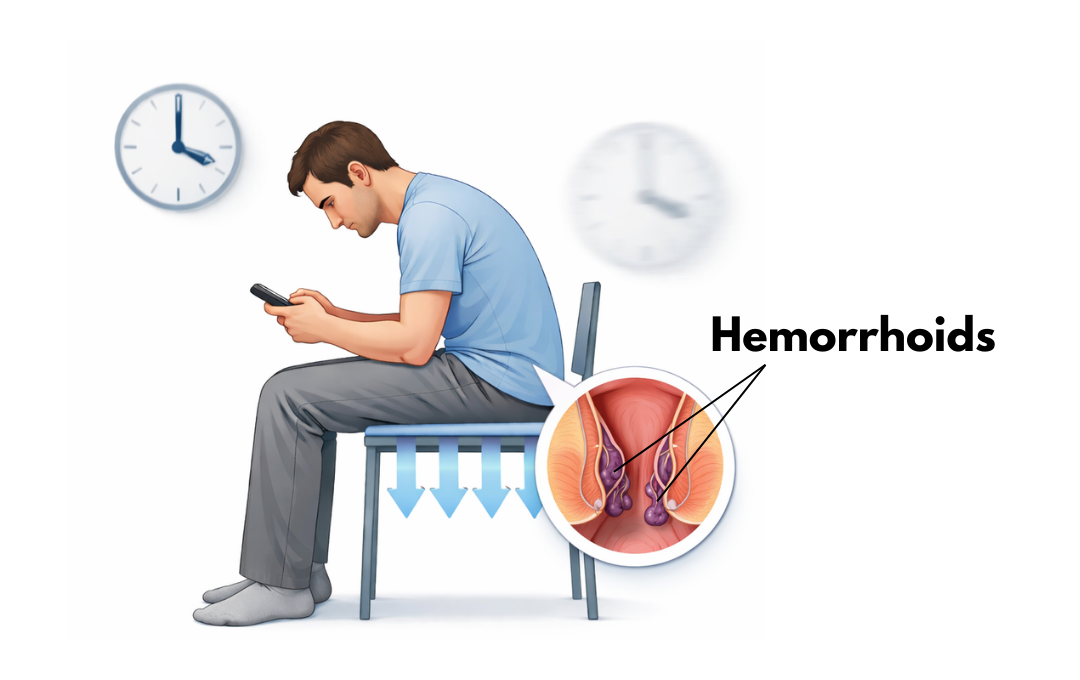
Man sitting for too long, increasing his risk for hemorrhoids.

The “Sinkhole” Effect: Unlike chairs or sofas, toilet seats do not support the pelvic floor muscles that help keep the rectum in place. Without support, the pelvic floor muscle relaxes, and gravity adds pressure to the rectal veins. Over time, this pressure can cause hemorrhoids to swell and start to bleed.  

The Time Factor: As authors of the study note, the high stimulation from smartphones can cause users, primarily men, to lose track of time when going to the bathroom. This can lead to more time spent sitting on the toilet that further adds to pressure on the rectal veins. 

The Gravity Problem: How Prolonged Sitting Strains Your Veins

Prolonged sitting is not limited to the toilet. Whether you frequently travel, work a full day behind a desk, or relax for extended periods, sedentary habits can impact overall circulation.

Being in one position for hours can slow blood flow — especially in areas farthest from the heart, such as the legs and lower rectum. Over time, reduced blood flow can lead to vein-related issues, including varicose veins and hemorrhoid flare-ups.

While sitting alone does not cause hemorrhoids, prolonged sitting combined with straining during bowel movements, low-fiber diets, and dehydration can increase the risk of flare-ups.

Internal vs. External Hemorrhoids: What’s the Difference?

Depending on the patient, the pressure from prolonged sitting on the toilet can affect hemorrhoids differently. Some hemorrhoids flare up close to the anal opening (external), while other flare-ups occur deeper inside the rectum (internal). 

External hemorrhoids

External hemorrhoids are usually felt as a painful lump near the opening of the anus. They can be treated easily with over-the-counter topical creams or witch hazel. However, external hemorrhoids are more likely to develop a blood clot that can lead to intense pain and discomfort, requiring medical treatment to resolve it. 

Internal Hemorrhoids (The USA Hemorrhoid Centers Focus)

Internal hemorrhoids are located inside the rectum. While they are not as painful as external hemorrhoids, they can bleed and leave a mark on toilet paper after wiping. The longer internal hemorrhoids are left untreated, the more swollen they become, eventually protruding from the anus (prolapse) during bowel movements. 

Why It Matters

Internal hemorrhoids develop when the veins inside the rectum become swollen due to increased pressure and reduced blood flow. Prolonged sitting on the toilet — especially when distracted by a phone — can increase this pressure and delay normal blood return from the rectal area. Over time, repeated strain may weaken the supportive tissue that holds hemorrhoidal cushions in place, increasing the risk of bleeding or prolapse.

Because internal hemorrhoids are not always painful, many people ignore early warning signs such as light bleeding during bowel movements. Addressing the habits that contribute to this pressure — such as limiting time on the toilet — can help reduce flare-ups and prevent symptoms from progressing.

How Long Should You Sit on the Toilet?

hourglass

To maintain healthy vein function and prevent hemorrhoid flare-ups, brevity is key. Specialists recommend limiting your time to five minutes or less; minimizing the duration of sitting reduces the prolonged pressure that triggers vein inflammation.

However, that does not mean you should strain during a bowel movement to avoid prolonged sitting on the toilet. Straining can also add pressure on the rectal veins and worsen hemorrhoid flare-ups.

Four Bathroom Habits that Protect Your Vascular Health
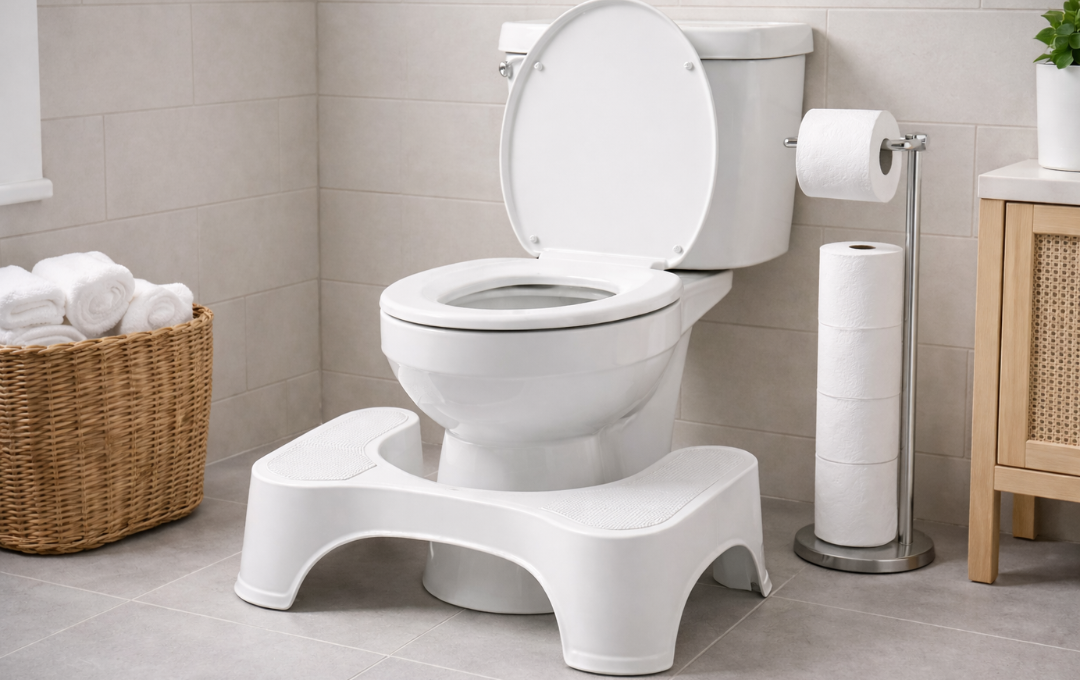
Toilet with a footstool.
Footstools like the one pictured here can help reduce straining during bowel movements, lowering the risk of a hemorrhoid flare-up.

Aside from limiting the amount of time spent on the toilet, other habits to protect you from hemorrhoid flare-ups include:

  • The 5-Minute Rule: If a bowel movement does not occur within five minutes, it is best to exit the bathroom and try again later. Prolonged sitting creates unnecessary gravitational pressure on the rectal veins.
  • Establish a Device-Free Zone: To avoid “mindless scrolling” that leads to overextended sitting, leave smartphones and tablets in another room. Removing digital distractions helps you stay mindful of the time spent.
  • Optimize Pelvic Alignment: Using a small footstool to elevate your knees (mimicking a squatting position) helps straighten the anorectal angle. This anatomical alignment allows for an easier passing with significantly less straining.
  • Prioritize Hydration and Fiber: A diet rich in fiber paired with adequate water intake ensures softer stools. This is the most effective way to prevent forceful straining that causes rectal veins to become engorged.

What to Do If Hemorrhoid Symptoms Don’t Improve

For many patients with internal hemorrhoids, adopting new habits may not be enough to address the bleeding and swelling. If hemorrhoid symptoms persist for longer than a week, lead to a prolapse, or become chronic, it’s advised to seek a consultation with a hemorrhoid specialist. 

USA Hemorrhoids Centers’ Approach to Hemorrhoid Relief

At USA Hemorrhoid Centers, we understand the toll chronic hemorrhoids can have on our patients. That’s why we offer a longer-lasting solution designed to reduce bleeding, swelling, and pressure from internal hemorrhoids. 

We use a specialized approach to hemorrhoid care called hemorrhoid artery embolization (HAE). HAE is a minimally invasive treatment that reduces blood flow to internal hemorrhoids, causing the hemorrhoid to shrink and stop bleeding. The procedure helps alleviate hemorrhoid symptoms without a lengthy and painful recovery compared to traditional surgery. 

HAE is performed as an outpatient procedure. Doctors use advanced imaging and catheters to precisely target the blood vessels contributing to hemorrhoid symptoms. Small particles are injected into these blood vessels, stopping the bleeding and causing the hemorrhoid to “deflate.” Following a short observation period, patients are discharged the same day with only a small adhesive bandage at the access site.

This procedure is often considered for patients with persistent internal hemorrhoids who haven’t found relief from lifestyle changes or previous medical procedures (e.g., rubber band ligation). A consultation helps determine whether this approach aligns with your symptoms and severity. 

We are a trusted network of physicians who have helped many patients find relief from chronic hemorrhoids. Our physicians, many of whom are board-certified, are experts in the field of hemorrhoid care. They offer comprehensive evaluations to determine the next best steps for patients seeking relief. 

If your “toilet scrolling” is causing your hemorrhoids to flare up, we are ready to help. Schedule a consultation online today or call (855) 805-4247 to learn more. 

Schedule Now

Source

  1. Ramprasad et al. 2025, “Smartphone use on the toilet and the risk of hemorrhoids”
Why Do Hemorrhoids Bleed?

February 4th, 2026
04:05 PM

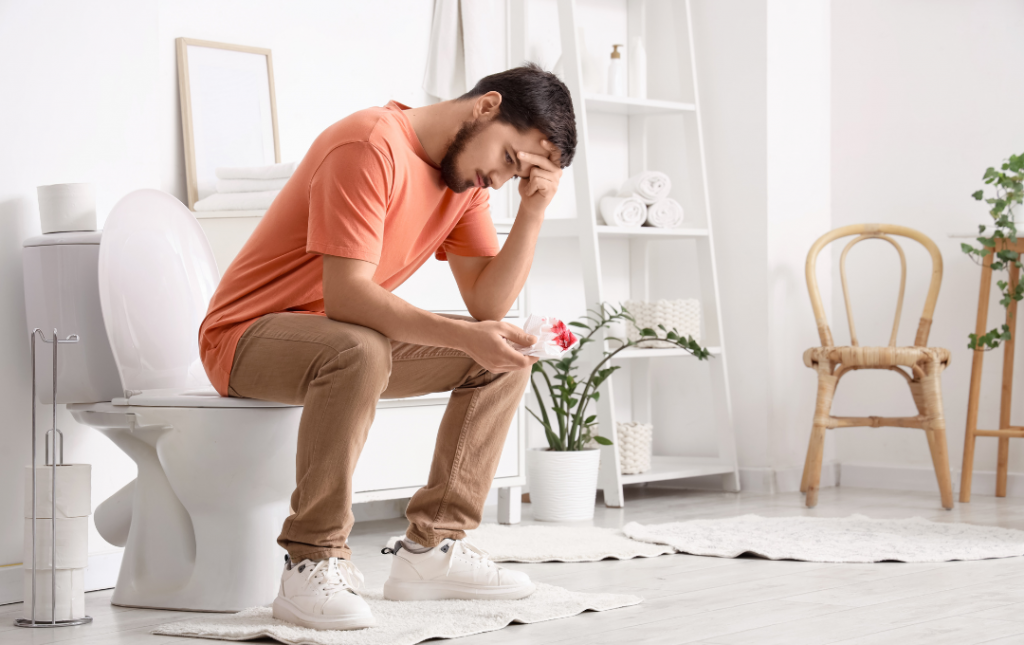
Finding blood after a bowel movement can be an alarming experience. While rectal bleeding should always be evaluated by a specialist, the most frequent culprit is a common condition: internal hemorrhoids.

Internal hemorrhoids commonly cause bright red rectal bleeding due to increased pressure, thinning of the vessel walls, and chronic inflammation. 

Ongoing bleeding can lead to iron-deficiency anemia, and conservative therapies often fail to address the underlying vascular issue, while traditional surgery can be painful with a long recovery. 

Hemorrhoid Artery Embolization (HAE) is a minimally invasive treatment that reduces blood flow to hemorrhoids, shrinking them and stopping bleeding with quick recovery and minimal discomfort. A specialist evaluation is essential to confirm the cause of bleeding and determine the best treatment.

What Are Internal Hemorrhoids?

Hemorrhoids are not “abnormal” growths; they are pillow-like clusters of veins located in the lower rectum and anus. They serve as cushions to support bowel control. However, when these veins become swollen or inflamed, they develop into the condition we commonly call hemorrhoids.

Internal hemorrhoids develop inside the rectum. Because there are fewer pain-sensing nerves in this area, you might not feel them, but they are the primary source of bright red rectal bleeding.

Why Do Hemorrhoids Bleed?

The mechanics of hemorrhoidal bleeding are relatively straightforward, yet they point to a significant underlying vascular issue.

1. Increased Venous Pressure

The veins in the rectal area are highly sensitive to pressure. When you strain during bowel movements (often due to constipation), the pressure causes these veins to engorge and stretch.

2. Thinning of the Vessel Walls

As internal hemorrhoids swell, the tissue covering them becomes stretched and thin. When stool passes through the rectum—especially if it is hard—it can scrape or rupture these delicate, high-pressure vessel walls. This results in the characteristic bright red blood seen on toilet paper or in the bowl.

3. Chronic Vascular Inflammation

If left untreated, the constant cycle of swelling and irritation prevents the vessels from healing. This is why many patients experience “flares” where bleeding stops for a few days, only to return more aggressively later. Whether internal hemorrhoids can go away on their own depends in part on their severity and whether symptoms continue to recur.

Tiredness and hemorrhoids

The Link Between Hemorrhoids and Chronic Anemia 

It is a common misconception that minor rectal bleeding is harmless. While a small amount of bleeding can occur with hemorrhoids, understanding how much hemorrhoid bleeding is normal can help you recognize when persistent or heavier bleeding warrants medical evaluation. When internal hemorrhoids bleed regularly, the cumulative loss of blood can lead to iron-deficiency anemia.

Patients should be aware of the systemic signs of blood loss, which include: 

  • Unexplained fatigue or lethargy. 
  • Dizziness or lightheadedness. 
  • Shortness of breath during routine activity. 

If you are experiencing these symptoms alongside rectal bleeding, a vascular evaluation is necessary to determine if the blood loss is impacting your systemic health. 

Evaluating Treatment Pathways 

For decades, patients were given two extreme choices:

  1. Conservative Care: Creams, ointments, and fiber supplements. These manage symptoms but do not fix the underlying vascular problem.
  2. Hemorrhoidectomy: A painful surgical “cutting” procedure that requires a long, uncomfortable recovery.

Rather than face the recovery time of traditional surgery, many patients choose to suffer in silence. Recent advancements in interventional radiology have introduced Hemorrhoid Artery Embolization (HAE), a procedure that addresses the underlying arterial pressure without the need for surgical excision.

Hemorrhoid Artery Embolization (HAE): A Vascular Approach 

If your hemorrhoids are bleeding, it’s because they are receiving too much blood flow under too much pressure. Hemorrhoid Artery Embolization (HAE) treats the problem at the source.

How HAE Works:

HAE is a minimally invasive outpatient procedure performed by an interventional radiologist.

  1. Arterial Access: A physician makes a microscopic incision, typically in the wrist or groin, to access the arterial system. 
  2. Precision Navigation: Using advanced fluoroscopic imaging, a microcatheter is navigated to the superior rectal artery.
  3. Embolization: Small, medical-grade microspheres are deployed into the specific arterial branches feeding the hemorrhoids. This reduces the arterial pressure and “calms” the blood flow. 
  1. Resolution: Without the excessive pressure, the hemorrhoidal tissue shrinks naturally, and the risk of vessel rupture is significantly reduced. 

Without the high-pressure blood supply, the hemorrhoid shrinks naturally and the bleeding stops. There is no cutting, no stitches, and no hospital stay.

Benefits of HAE over Surgery:

  • Quick Recovery: Most patients return to normal activities within a day or two.
  • Minimal Discomfort: Since there is no surgical incision in the sensitive rectal area, the post-procedure pain is significantly lower.
  • High Success Rate: HAE is highly effective at stopping the persistent bleeding that characterizes Grade 2 and Grade 3 internal hemorrhoids.

What to Expect in the Procedure Room During HAE

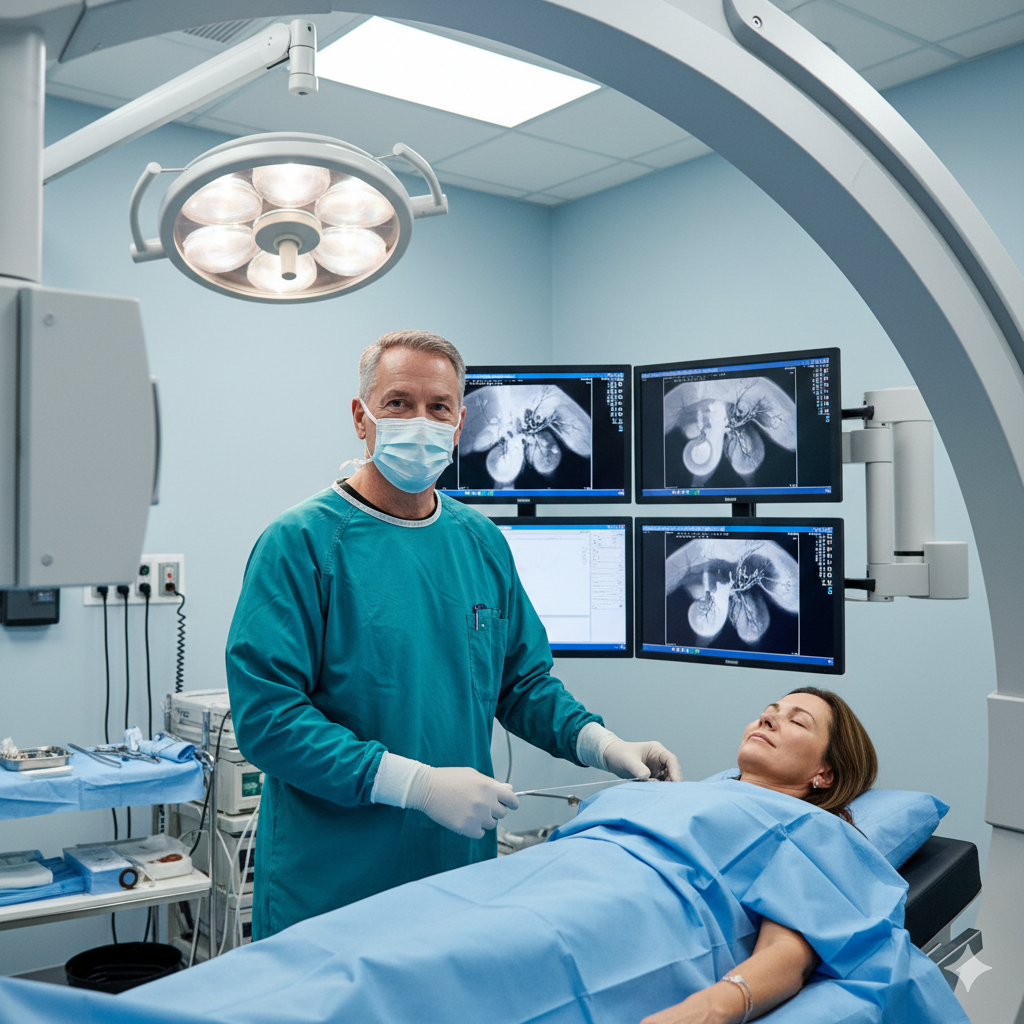
While the technical details of Hemorrhoid Artery Embolization (HAE) may seem complex, the patient experience is designed for comfort and minimal stress. You will lie comfortably on a procedure table, typically under conscious sedation—meaning you’ll be deeply relaxed, possibly even napping, but able to respond if needed. Our interventional radiologists utilize advanced imaging equipment, such as a C-arm, to visualize the superior rectal artery. You won’t see graphic images; instead, our specialists will be focused on real-time X-ray “road maps” of your blood vessels. A small access site, often in the wrist, is prepped, and sterile drapes ensure a safe environment while the physician carefully guides a thin catheter to the target vessels. The entire focus is on precision and your comfort.

When to See a Specialist

While internal hemorrhoids are a leading cause of rectal bleeding, rectal bleeding needs a professional evaluation to confirm the diagnosis. Because bleeding can also occur with other conditions, understanding the difference between an anal fissure vs. hemorrhoids can help you recognize differences in symptoms. You should schedule an evaluation if you experience:

  • Persistent or recurring bleeding. 
  • A sensation of “fullness” or a prolapsed internal hemorrhoid. 
  • Symptoms of anemia, such as chronic weakness. 
  • Ineffectiveness of over-the-counter rectal bleeding treatments. 

You Don’t Have to Live With the Bleeding

At USA Hemorrhoid Centers, our goal is to help patients understand the underlying vascular mechanics of this condition. By identifying the cause of the bleeding—rather than just treating the surface symptoms—we can offer more effective, long-term solutions with Hemorrhoid Artery Embolization (HAE). 

Our facilities maintain rigorous standards of safety and excellence, earning accreditation from the Accreditation Association for Ambulatory Health Care (AAAHC). This distinction reflects our ongoing commitment to high-quality, patient-centric vascular care. To ensure our treatments remain accessible, we accept a wide range of insurance providers and offer several flexible payment programs.

The Importance of Early Intervention

If you are experiencing symptoms of internal hemorrhoids, a formal clinical evaluation is recommended. Seeking treatment in the early stages is the most effective way to prevent acute complications, such as a burst hemorrhoid or rupture. Leaving hemorrhoids untreated can increase the risk of complications such as prolapse, infection, and persistent pain. Our specialists focus on proactive care to mitigate the risks associated with chronic hemorrhoids.

Schedule a Consultation